A buyer-focused look at why Arbor Coconut Grove’s low-rise format speaks to luxury homeowners trading estate upkeep for privacy, design, neighborhood character, and simpler living.
For many South Florida buyers, leaving a large single-family residence is not a retreat from luxury. It is a refinement of it. After years of maintaining grounds, systems, staff schedules, guest wings, pools, and security details, the next chapter often turns on one question: how much home is enough when the location, design, privacy, and ease are right?
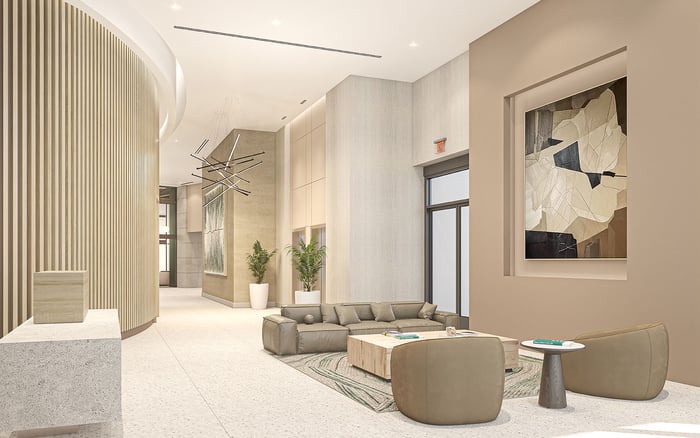
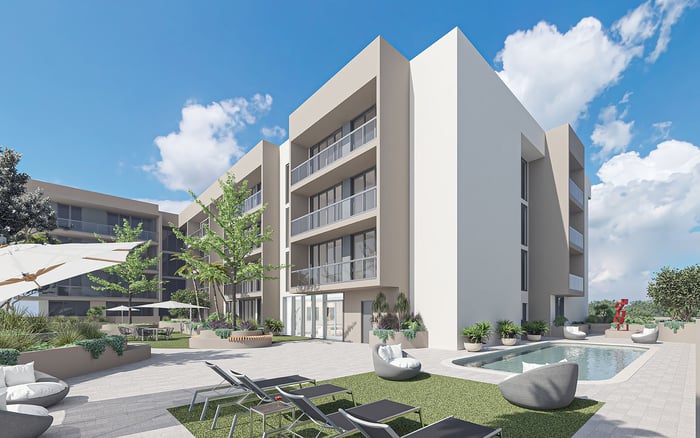
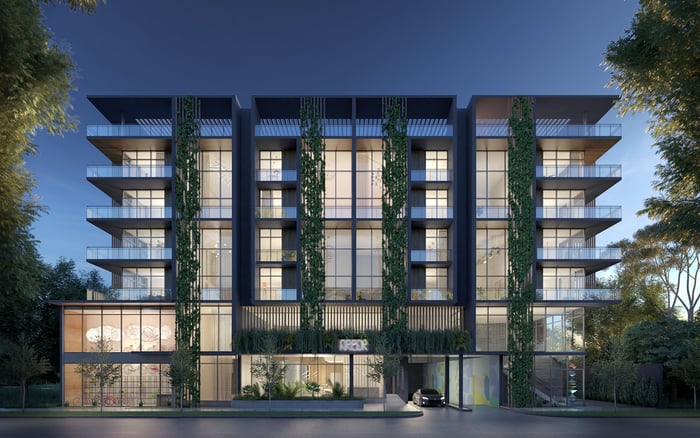
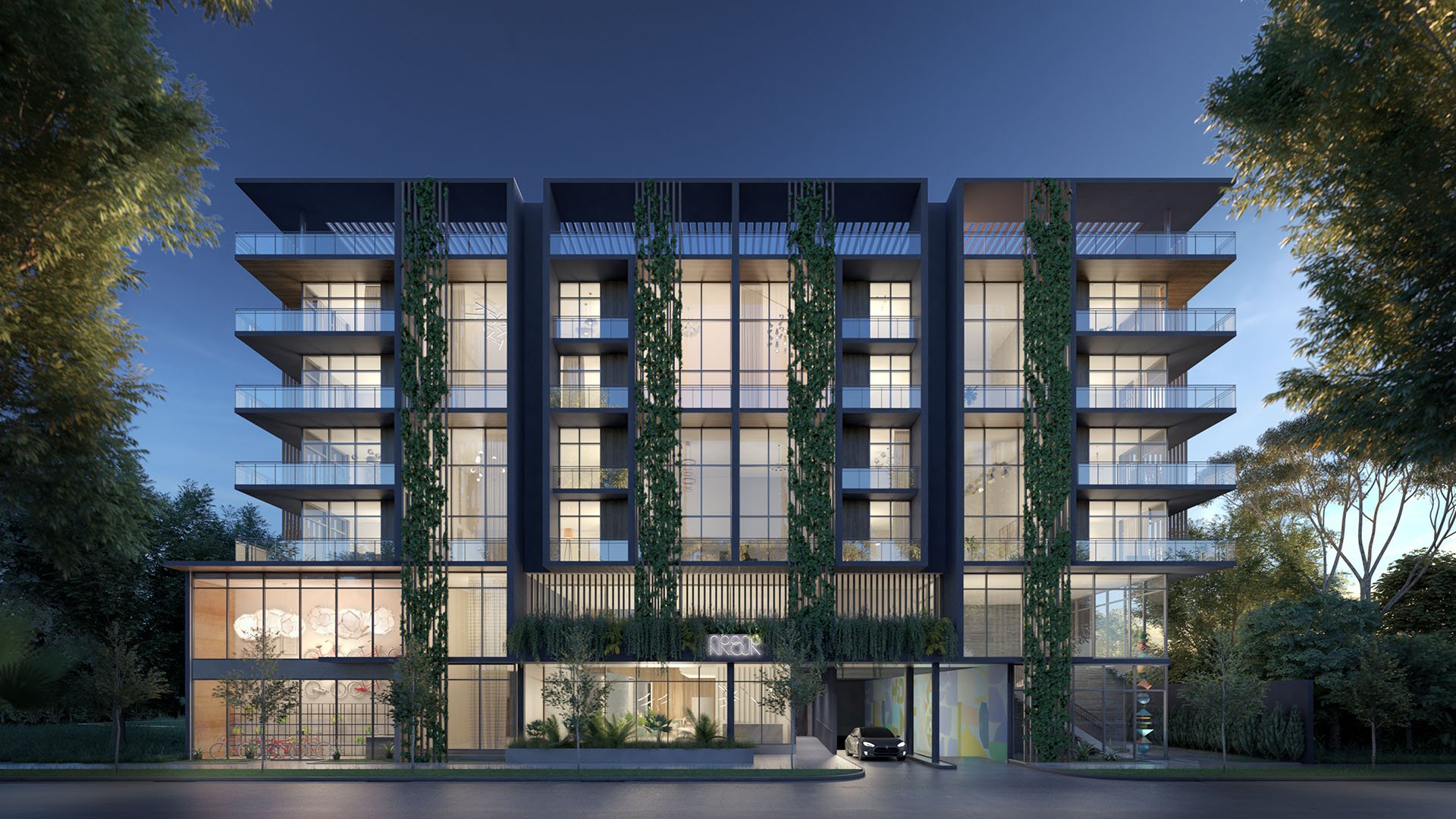
That is where Arbor Coconut Grove enters the conversation. Its appeal is not built on the spectacle of height or the anonymity of a skyline address. It is rooted in a lower-rise, more residential way of living that can feel closer to a private home than a conventional high-rise condominium. For buyers leaving large homes, that distinction matters.
The psychology is subtle. These buyers are not simply downsizing. They are editing. They want fewer obligations, but not a diminished daily experience. They want condominium convenience without the sensation of disappearing into a large vertical building. They want the ability to lock the door and travel, while still returning to a setting that feels personal, planted, and connected to a real neighborhood.
The word “downsizer” can be misleading in the ultra-luxury market. It suggests compromise, when the decision is often about control. A large home can deliver privacy and scale, but it can also become an operational asset that demands constant attention. Roofs, gardens, mechanical systems, service coordination, seasonal preparation, and daily oversight all compete with the freedom luxury is meant to create.
A buyer considering Arbor is often seeking a more composed version of the same life. Privacy remains important. Design quality remains important. Neighborhood character remains important. What changes is the tolerance for maintenance drag. The residence becomes less about square footage for its own sake and more about how intelligently the home supports daily living.
This is the essence of edited luxury: fewer rooms that are rarely used, less property management, more time in the neighborhood, and a stronger emphasis on comfort, proportion, and ease. In that sense, Arbor’s low-rise positioning is not merely architectural. It is emotional.
Coconut Grove is central to Arbor’s value proposition because it offers something tower districts often struggle to reproduce: an established residential identity. The Grove has a village-like rhythm, with mature landscaping, neighborhood streets, dining, shopping, services, and a sense of local continuity that appeals to buyers who still want a grounded daily routine.
For a former estate owner, that context can soften the transition. The buyer is not moving from a house into an abstract urban container. The buyer is moving into a neighborhood with texture. The streets, greenery, courtyards, and human-scaled edges all contribute to a feeling of arrival that is closer to residential life than vertical density.
This is also why the broader Coconut Grove condominium market has become so compelling to refined buyers. Projects such as Four Seasons Residences Coconut Grove and Mr. C Tigertail Coconut Grove sit within a neighborhood conversation where lifestyle is measured not only by private space, but by the character just beyond the front door.
The most persuasive aspect of Arbor is its position between two familiar alternatives. On one side is the detached house: private, spacious, expressive, but often operationally demanding. On the other is the large high-rise: convenient and serviced, yet sometimes too impersonal for buyers accustomed to the individuality of estate living.
A low-rise format can bridge that gap. It can preserve a stronger connection to the street, landscaping, courtyards, and neighborhood movement. It can make arrival feel more intimate. It can reduce the psychological distance between the residence and the surrounding community. For buyers who are not ready for anonymous tower living, that middle ground can be decisive.
This does not mean every buyer will prefer low-rise scale. Some buyers want panoramic height, resort-style density, or the energy of a larger building. But for those leaving a private home, the scale of the building can shape whether the transition feels graceful or abrupt.
Privacy in a large home is often physical: gates, setbacks, landscaping, walls, and acreage. In a condominium setting, privacy becomes more about design, circulation, building scale, and how residents experience arrival and departure. A low-rise project can make that privacy feel more legible because the building is less about mass movement and more about a smaller residential cadence.
That is the appeal for buyers who want to simplify without feeling exposed. They may be ready to give up the responsibilities of a large property, but they are not ready to give up discretion. They want a home that feels composed, secure, and personal. They want the convenience of leaving for a week, a month, or a season without orchestrating a house around their absence.
The lock-and-leave value is central. It is not just convenience. It is peace of mind. When paired with a softer residential scale, that convenience becomes especially attractive to buyers who have already experienced the full complexity of estate ownership.
Large-home luxury often expresses itself through abundance: rooms, grounds, parking, entertaining zones, staff areas, and private amenities. Edited luxury is different. It prioritizes what is used, what is beautiful, and what improves the rhythm of each day.
In Coconut Grove, that edited lifestyle can be especially compelling because the neighborhood itself does some of the work. Dining, shopping, services, and walkable routines become part of the residential experience. The home no longer has to contain every possible function. It can be more focused, more elegant, and more responsive to how the owner actually lives.
The language around the buyer is often simple: Arbor Coconut Grove, Coconut Grove, boutique, low floors, new project, and single-family homes all point to a lifestyle shift from estate upkeep toward more selective luxury. The important point is not the label. It is the buyer’s desire for ease without erasing identity.
Arbor’s strongest narrative is not that it competes with every luxury tower in South Florida. It is that it speaks to a particular buyer with unusual clarity: someone who values privacy, design, and neighborhood integration, but wants fewer maintenance obligations than a large home requires.
Within the Grove, buyers may also study projects such as Park Grove Coconut Grove, The Well Coconut Grove, and other residences that reinforce the neighborhood’s appeal as a refined alternative to more vertical districts. Arbor’s low-rise sensibility gives it a distinct place in that discussion because its value lies in feeling close to the ground, close to the landscape, and close to the everyday life of Coconut Grove.
For the buyer leaving a large home, that is often the hidden requirement. The new residence must feel lighter, but not lesser. It must be easier, but not generic. It must deliver the freedom of condominium living while preserving the intimacy that made private-home ownership appealing in the first place.
A buyer evaluating Arbor should begin with lifestyle fit rather than raw metrics. The most important questions are practical and personal. Will the scale feel comfortable after years in a detached home? Does the neighborhood provide the daily rhythm the buyer wants? Does the building format support privacy, simplicity, and a more fluid way to live?
The answers will vary. Some buyers will still want the drama of a tower. Others will remain loyal to private estates. But for the increasingly common buyer who wants to shed operational weight without surrendering sophistication, low-rise Coconut Grove living offers a compelling third path.
Arbor’s appeal is ultimately about proportion. It suggests that luxury does not have to be loud, tall, or oversized to be meaningful. Sometimes the most sophisticated move is not to acquire more, but to choose more carefully.
Who is Arbor Coconut Grove best suited for? It is especially relevant for buyers leaving large homes who still want privacy, design quality, and a strong neighborhood setting.
Why does low-rise scale matter to former estate owners? Low-rise scale can feel more personal and residential than a large high-rise, making the transition from a private home less abrupt.
Is the appeal mainly about downsizing? Not entirely. The stronger idea is edited luxury, where buyers reduce upkeep while preserving comfort, location, and design standards.
How does Coconut Grove support this lifestyle? Coconut Grove offers an established neighborhood identity with walkable energy, dining, shopping, services, and residential character.
What does lock-and-leave living mean in this context? It means the owner can travel or simplify daily life without the constant management demands of a large single-family property.
Does low-rise living replace the privacy of a house? It can offer a different kind of privacy, shaped by scale, discretion, circulation, and a more intimate residential environment.
Why might some buyers avoid a large tower after owning a home? A tower can feel too anonymous for buyers accustomed to a private residence, especially if they value neighborhood connection.
Is Arbor positioned as a high-rise alternative? Yes, its low-rise character makes it a more human-scaled option for buyers who want condominium ease without tower living.
What should buyers compare before choosing this type of residence? They should compare neighborhood feel, privacy, daily convenience, design quality, and how much property management they want to avoid.
What is the best way to shortlist comparable options for touring? Start with location fit, delivery status, and daily lifestyle priorities, then compare stacks and elevations to validate views and privacy.
For a confidential assessment and a building-by-building shortlist, connect with MILLION.
If branded residences are on your mind — as a home or as an allocation — we would be glad to share what we are seeing, privately.
Begin a quiet conversation