A discreet buyer’s guide to Florida homestead strategy for Key Biscayne luxury real estate, covering creditor protection, property-tax benefits, title structure, financing, residency timing, rentals, spousal rights, and estate planning before contract signing.
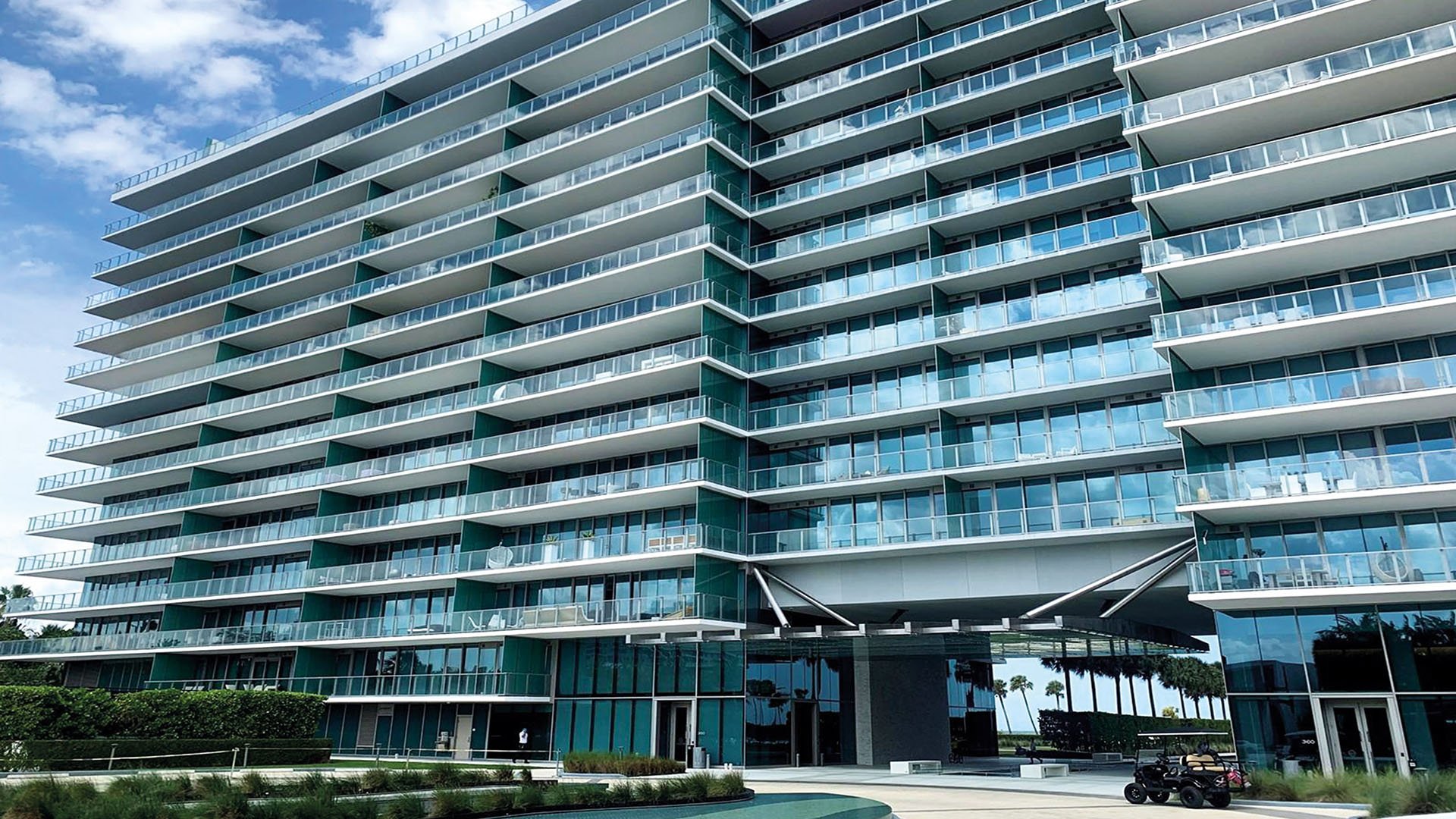
In Key Biscayne, homestead is not a decorative planning concept. For a buyer considering a waterfront estate, a condominium residence, or a long-hold family base, it can shape creditor protection, annual carrying costs, title structure, financing, estate planning, and even the timing of occupancy. The first question is simple, but it deserves a serious answer: will this property be your true Florida homestead?
Florida’s constitutional homestead protection is tied to a homestead owned by a natural person and used as the owner’s residence. That distinction matters for luxury buyers who may own homes in several jurisdictions, hold assets through entities, or move between a primary residence and a second home. A Key Biscayne purchase memo should not merely say “Florida residence.” It should define where the owner has a true, fixed, permanent home to which the owner intends to return.
The answer also affects the tone of the acquisition. A buyer choosing Oceana Key Biscayne as a primary Florida base may face different questions than a buyer evaluating seasonal use, investment positioning, or single-family homes on larger lots. Homestead strategy begins before the contract, not after the closing dinner.
A common mistake is to speak about “homestead” as though it were one benefit. It is not. Constitutional homestead protection and the property-tax homestead exemption are separate regimes. Both can be valuable, but they answer different questions.
The constitutional protection is about forced-sale protection, subject to major exceptions. For a Key Biscayne property inside a municipality, the protected homestead is limited to one-half acre of contiguous land, regardless of value. That limit can be significant for buyers pursuing larger luxury parcels, where part of the property may not receive the same constitutional shelter.
Protection is not absolute. Taxes and assessments, purchase-money obligations, obligations for improvement or repair, and labor performed on the property are among the constitutional exceptions. A mortgage, construction loan, renovation contract, or contractor lien may sit directly within the zone where protection does not operate as a buyer might casually assume. Federal tax exposure also deserves early attention because a federal tax lien attaches to all property and rights to property.
The property-tax side has its own cadence. Buyers should ask whether they can establish the property as a permanent residence by January 1 for homestead tax purposes and whether the application can be filed by the usual March 1 deadline. Missing the timing can alter the first full year of ownership in a way that seems minor on paper but becomes material at the luxury price point.
Florida’s homestead exemption can provide up to $50,000 of exemption, with the second $25,000 generally not applying to school district taxes. The larger long-term value often lies in the Save Our Homes assessment limitation, under which annual increases in assessed value for a homestead are capped at the lower of 3 percent or the percentage change in the Consumer Price Index.
For buyers moving from another Florida homestead, portability may allow transfer of up to $500,000 of accumulated Save Our Homes benefit to a new homestead. That figure should be modeled before closing. The seller’s tax bill is not the buyer’s tax future. A disciplined review should model market value, assessed value, exemptions, taxable value, portability, and expected occupancy timing.
This is particularly relevant when comparing Key Biscayne with other prime South Florida settings such as Brickell, where a buyer considering Una Residences Brickell may be weighing lifestyle, views, service level, and tax posture at the same time. Waterview living may be the emotional driver, but assessed value is the number that follows the owner year after year.
Luxury buyers often prioritize privacy, asset segregation, family office coordination, or international structuring. Homestead analysis can complicate those preferences. For tax exemption purposes, the law focuses on a person with legal or beneficial title who makes the property a permanent residence. An LLC, corporation, foreign holding structure, or trust can interfere with the desired result if not designed carefully.
That does not mean sophisticated structures are impossible. It means the title plan must be reviewed with homestead in mind, rather than layered onto the transaction later. The same caution applies to financing. If the purchase or renovation is debt-financed, counsel should evaluate whether purchase-money obligations, construction obligations, improvement contracts, or repair agreements could fall within homestead exceptions.
Buyers comparing Key Biscayne with nearby enclaves such as Fisher Island may be especially sensitive to privacy and estate structure. A residence at The Residences at Six Fisher Island, for example, may prompt a similar pre-contract conversation about legal title, beneficial title, spousal rights, and the intended primary-residence narrative.
Homestead planning is not only about acquisition. It follows the owner through use, leverage, transfer, and succession. If the property will be rented, ask whether the rental plan could jeopardize the tax exemption. Renting all or substantially all of a homestead can cause abandonment of the homestead tax exemption under Florida law. That matters for buyers who intend to alternate personal use with extended rental periods.
Married buyers should also ask whether spousal joinder will be required for a future sale, mortgage, or gift. Florida’s constitution restricts alienation of homestead by a married owner without spousal joinder. This can affect financing execution, later refinancing, estate transfers, and family governance.
Estate planning deserves equal attention. Florida restricts devise of homestead when the owner is survived by a spouse or minor child. If an owner dies survived by a spouse and descendants, the surviving spouse may receive a life estate with remainder to descendants, or may elect an undivided one-half interest as a tenant in common. These rules can surprise buyers who assume a will or revocable trust controls every outcome without limitation.
For some families, a comparison with Four Seasons Residences Coconut Grove may be less about architecture and more about permanence: which residence best supports the family’s declared Florida home, school planning, care network, and succession design.
Before buying luxury real estate in Key Biscayne, ask your advisors to coordinate the full strategy in one conversation. The essential questions are whether the property will be the owner’s permanent Florida residence, whether the lot size creates any protection gap, whether title will be held by a natural person or through a structure with sufficient legal or beneficial title, and whether financing or renovation contracts create exceptions.
Then ask the tax questions: can the owner occupy by January 1, file by March 1, qualify for the exemption, benefit from Save Our Homes, and use portability from a prior Florida homestead? Finally, ask the family questions: will rentals be part of the plan, must a spouse join future transfers, and does the estate plan respect Florida’s homestead restrictions?
The most elegant Key Biscayne purchase is not merely the one with the right view. It is the one where title, tax posture, financing, residency, and succession all move in the same direction.
Is Florida homestead protection the same as the homestead tax exemption? No. Constitutional homestead protection concerns forced-sale protection, while the tax exemption and Save Our Homes rules affect property taxes.
Does homestead protection apply to every Key Biscayne parcel regardless of size? No. Inside a municipality, the protected homestead is limited to one-half acre of contiguous land, regardless of value.
Can a mortgage defeat homestead protection? A purchase-money mortgage and certain related obligations can fall within constitutional exceptions, so financing should be reviewed before closing.
Can a construction lien matter after I claim homestead? Yes. Improvement, repair, and labor obligations are among the important exceptions buyers should analyze before renovating.
When should I establish permanent residence for tax homestead purposes? Buyers should focus on whether they can establish permanent residence by January 1 and meet the general March 1 application deadline.
How much is the Florida homestead exemption worth annually? It can provide up to $50,000 of exemption, with the second $25,000 generally not applying to school district taxes.
What is Save Our Homes? It caps annual increases in assessed value for a homestead at the lower of 3 percent or the change in the Consumer Price Index.
Can I transfer a prior Florida homestead benefit to Key Biscayne? Portability may allow transfer of up to $500,000 of accumulated Save Our Homes benefit to a new Florida homestead.
Can I rent the property and keep the exemption? Rental plans require care because renting all or substantially all of a homestead can cause abandonment of the tax exemption.
What is the best way to shortlist comparable options for touring? Start with location fit, delivery status, and daily lifestyle priorities, then compare stacks and elevations to validate views and privacy.
For a confidential assessment and a building-by-building shortlist, connect with MILLION.
If branded residences are on your mind — as a home or as an allocation — we would be glad to share what we are seeing, privately.
Begin a quiet conversation