A practical luxury-buyer framework for comparing Coconut Grove with beach and city living before committing to a residence.

Coconut Grove often enters the conversation for buyers who are not fully persuaded by a pure beach address or a high-density urban tower. That is exactly why it deserves a disciplined pressure test. The question is not whether the Grove is beautiful, charming, or prestigious. The sharper question is whether its daily rhythm will satisfy a buyer who is also weighing Miami Beach, Brickell, or Downtown.
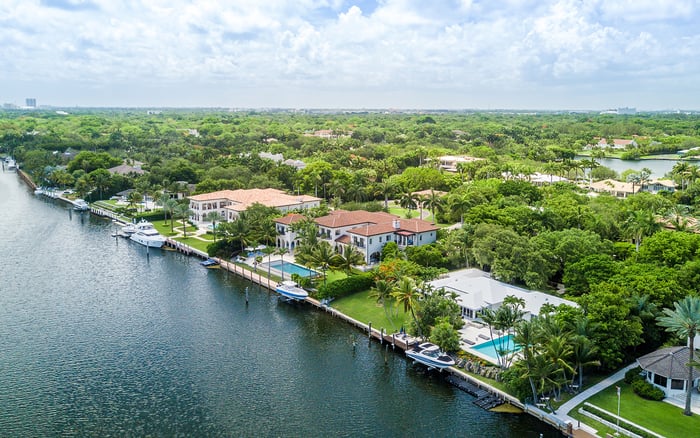
For many luxury purchasers, the decision begins as a lifestyle triangle: beach ease, city energy, or residential calm. Coconut Grove sits at the center of that discussion, offering a softer version of Miami living without necessarily asking the buyer to withdraw from the city. But softness can be misread. A weekend lunch, a polished sales gallery, and a shaded residential street can create a persuasive mood. A purchase decision should go further.
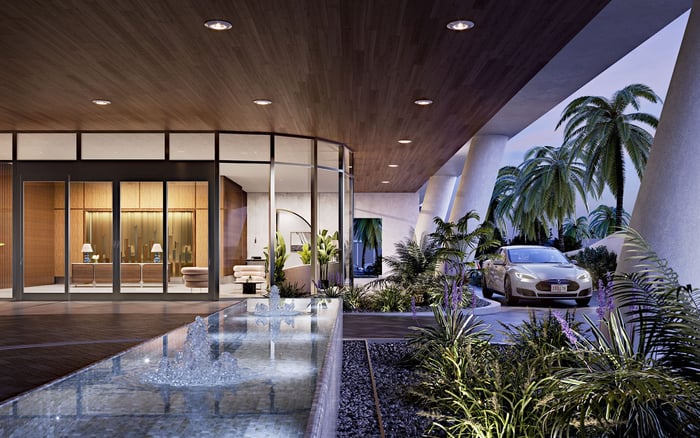
Begin by writing down the life you expect on an ordinary Tuesday. Where do you want breakfast? How often will you dine out nearby? Will you host at home, leave for the beach, commute into Brickell, or entertain friends who expect hotel-level service? A residence such as Four Seasons Residences Coconut Grove may appeal to buyers seeking a highly serviced, polished expression of the neighborhood, but the building should still be measured against the way you intend to live beyond the lobby.
A beach buyer is often buying horizon, sand proximity, resort energy, and a sense of escape. A city buyer may be buying immediacy, restaurants, business access, and vertical drama. Coconut Grove should be tested as a third proposition: more intimate, more residential, and more dependent on personal rhythm.
Do not compare only view lines, ceiling heights, and amenity menus. Compare the emotional aftertaste of each location. Spend a full morning in a beach setting, then a full morning in the Grove. Return to Brickell in the evening, then come back to the Grove after dinner. The goal is to understand which environment restores you and which one merely impresses you.
For a buyer tempted by Miami Beach energy, 57 Ocean Miami Beach may represent the appeal of a more direct coastal lifestyle. The Grove comparison should then be honest: are you willing to trade immediate beach identity for a more neighborhood-based sense of privacy and routine? If the answer is no, the Grove may become a compromise rather than a conviction.
Luxury buyers often underestimate friction because they tour properties under ideal conditions. A serious pressure test should include ordinary errands, school or office routes if relevant, airport timing, dinner reservations, guest arrivals, and weekend movement. The point is not to chase perfect convenience. The point is to identify which inconveniences you will forgive because the lifestyle return is worth it.
If Brickell is part of the comparison, test both directions rather than assuming proximity solves everything. A buyer considering Una Residences Brickell may value a more urban waterfront identity and a direct relationship to the business core. Coconut Grove has to win on a different register: privacy, scale, and the feeling of coming home to a calmer address.
Service expectations matter as much as location. Some buyers want staff, security, valet, wellness programming, private dining possibilities, and a seamless arrival experience. Others want discretion, quiet, and less performance around the building. A Grove residence should be judged by how its service culture fits your temperament. Too little service can feel underwhelming at the price point. Too much can feel theatrical if you are seeking retreat.
The best pressure test is not a single showing. It is repetition. Visit in the morning, late afternoon, evening, and on a weekend. Walk the area after a meal. Sit somewhere without your broker, architect, or adviser. Notice whether you are planning a life there or merely admiring the setting.
For wellness-oriented buyers, The Well Coconut Grove may naturally enter the conversation because it speaks to a lifestyle organized around health, restoration, and daily rituals. That kind of concept can be powerful, but it should be tested against your actual habits. If you will use the programming, the value is personal. If you simply like the idea of using it, the premium may be more emotional than practical.
Buyers should also consider how often they will leave the neighborhood for the very things they claim to want nearby. If every preferred restaurant, club, school, office, beach day, or cultural outing pulls you elsewhere, the Grove must still be compelling as a home base. If it is only a pretty midpoint, the decision may weaken over time.
Coconut Grove is not one product type. Some buyers want boutique scale. Others want a recognizable luxury brand. Some want architecture that feels quiet and residential. Others want a more expressive design statement. The right building should not simply be the most glamorous option. It should intensify the reason you chose the Grove in the first place.
A residence such as Ziggurat Coconut Grove may appeal to buyers who want a distinctive architectural identity within a Grove context. The pressure test is whether that identity feels aligned with your daily life. Do you want the building to be a design object, a private sanctuary, a social platform, or a lock-and-leave base? Those are different purchases, even when the price band overlaps.
Ask practical questions with emotional consequences. How does arrival feel after a long flight? Where will guests wait? Is the residence easy to live in with children, pets, staff, visiting family, or art? Does the terrace invite actual use, or is it primarily a marketing image? Does the floor plan support quiet mornings and formal evenings? Luxury is often revealed in the absence of irritation.
The cleanest way to choose between beach, city, and Grove is to identify the non-negotiables. If direct beach identity is essential, do not let charm distract you. If walking into city energy is the point, do not dilute that desire with a softer address. If privacy, greenery, and a more residential pace are what you crave, do not overvalue the spectacle of a skyline.
Coconut Grove works best for buyers who want Miami without feeling consumed by Miami. It is less about retreating from the market and more about editing it. The right buyer will not feel that the Grove is missing something. They will feel that it removes what they do not need.
The final test is simple: after visiting the beach and the city, return to Coconut Grove one more time. If your shoulders drop, if the residence feels like a place to live rather than a place to display, and if the trade-offs feel acceptable rather than negotiated, the Grove may be the answer.
Should I compare Coconut Grove to Miami Beach before buying? Yes. If beach identity is part of your lifestyle vision, compare it directly before choosing a more residential Grove address.
Is Coconut Grove a substitute for Brickell? Not exactly. Brickell is typically chosen for urban immediacy, while the Grove should be chosen for a calmer home base.
How many times should I visit before deciding? Visit at different times of day and on at least one weekend so the neighborhood is not judged from a single curated showing.
Should amenities drive the decision? Amenities matter, but daily use matters more. A beautiful amenity package has limited value if it does not match your habits.
What is the biggest mistake buyers make? They confuse a charming tour with a livable routine. The Grove should be tested as a full lifestyle, not a mood.
Is a branded residence always better? Not automatically. The right choice depends on service expectations, privacy preferences, and how you want the building to feel.
Should I prioritize views or neighborhood rhythm? Both matter, but rhythm often determines long-term satisfaction. A spectacular view cannot fix a lifestyle mismatch.
Can Coconut Grove work for a lock-and-leave buyer? It can, if the building provides the level of service, security, and maintenance simplicity the buyer expects.
How should I judge value without relying only on price? Look at how much of your desired daily life the residence actually delivers. Value is strongest when use and desire align.
When is Coconut Grove the right answer? It is right when the trade-offs feel intentional, the pace feels restorative, and the residence supports the way you truly live.
For a tailored shortlist and next-step guidance, connect with MILLION.
If branded residences are on your mind — as a home or as an allocation — we would be glad to share what we are seeing, privately.
Begin a quiet conversation