A buyer-focused guide to the practical questions behind a cash purchase in Key Biscayne, covering proof of funds, escrow, wiring, title, privacy, entity planning, and closing readiness.

In Key Biscayne, a cash offer can appear beautifully simple: no lender underwriting, no mortgage contingency, no bank-imposed appraisal condition. Yet the most sophisticated cash purchases are rarely casual. They are choreographed. Before a buyer becomes fully absorbed by view lines, terrace proportions, marina access, or the rhythm of island life, the transaction team should understand precisely how the money will move.
The first question is not merely, “Can I pay cash?” It is, “How will my cash position be documented, transferred, protected, and reconciled from offer through closing?” A luxury seller may want proof that funds are available. A buyer may want to signal strength without disclosing more personal financial detail than necessary. That balance between discretion and credibility should be established before the first serious negotiation.
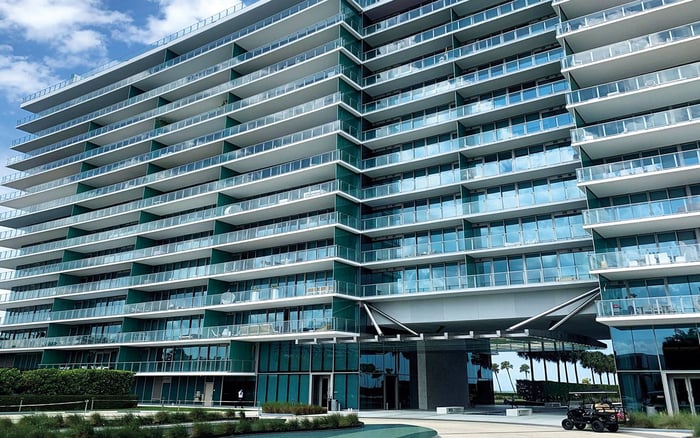
For buyers comparing a residence at Oceana Key Biscayne with other ultra-prime South Florida options, the cash strategy should be set early enough for the offer to read as clean, but not hurried. Cash is powerful only when it is organized.
Ask what form of proof of funds will be expected, who will review it, and whether a redacted bank letter, custodian letter, or attorney confirmation is appropriate. The objective is to demonstrate capacity without circulating unnecessary account detail. A serious buyer should also ask whether funds are already liquid or whether they must be moved from securities, business accounts, foreign institutions, trusts, or multiple custodians.
Next, ask how much earnest money will be required, where it will be held, and what instructions govern its release. Cash buyers sometimes move quickly because they can, but speed should never replace clarity. The escrow holder, wire instructions, confirmation procedures, and deadline calendar should be identified in writing. If the buyer is using a family office, private banker, attorney, or corporate officer to authorize wires, each person’s role should be established before the contract is signed.
In family office notes, the category may be as simple as Key-biscayne, Oceanfront, Second-home, or Investment, but the contract file should be far more precise. A refined purchase process distinguishes between lifestyle intent and legal execution.
Luxury real estate closings depend on disciplined communication. Ask how wire instructions will be delivered and verified. Ask whether the title company or closing attorney will confirm instructions through a known phone number rather than by email alone. Ask who will be authorized to approve changes, and whether the transaction team has a standing policy for detecting wire fraud attempts.
A cash buyer should also ask about timing. Some funds clear the same day, while others require internal approvals, compliance review, currency conversion, or additional documentation. If funds are coming from more than one institution, the closing calendar should allow for staggered transfers and confirmation of receipt. The cleanest cash offer can lose its elegance if the wire path is improvised at the end.
Buyers who are simultaneously evaluating mainland high-rise living, such as Una Residences Brickell, may notice a different cadence from island transactions, but the cash logistics remain consistent: verify funds, protect instructions, calendar deadlines, and avoid last-minute surprises.
Before signing, ask who should be the purchaser of record. Some buyers acquire in an individual name. Others use a trust, limited liability company, partnership, or other structure. The right approach depends on privacy goals, estate planning, liability considerations, tax planning, financing flexibility in the future, and who will occupy or control the property.
This is not a question to resolve casually at the contract table. If an entity will buy the property, ask whether it has already been formed, whether it has authority to purchase real estate, who can sign on its behalf, and whether its bank account is ready to wire funds. If a trust is involved, ask whether the trustee has full authority and whether any supporting documents must be reviewed by the closing team.
For a buyer comparing Key Biscayne with nearby enclaves such as Fisher Island, including residences like The Residences at Six Fisher Island, privacy is often part of the lifestyle thesis. Still, privacy planning should never conflict with clean title, clear authority, or a smooth closing.
A cash purchase can remove lender requirements, but it does not remove the buyer’s need for due diligence. Ask what inspections, condominium document reviews, title review, survey review, insurance inquiries, association approvals, and municipal checks are appropriate for the specific property. The absence of a lender may give the buyer more control, but it also places more responsibility on the buyer’s own advisors.
Ask whether there are association application requirements, transfer procedures, move-in rules, renovation protocols, parking assignments, storage rights, or pending assessments that should be reviewed before deposits become nonrefundable. Ask how title exceptions will be handled and whether any liens, open permits, code matters, or ownership issues must be resolved before closing.
Cash buyers should also ask what happens if a due diligence issue appears late. Does the contract provide enough time to evaluate it? Are the remedies clear? Is the buyer comfortable proceeding if an issue cannot be cured before closing? In a luxury setting, the art is not only to move decisively, but to know when not to be hurried.
A successful Key Biscayne acquisition is not complete when the purchase price is wired. Ask how much liquidity should remain available after closing for insurance, taxes, association charges, staffing, maintenance, furnishings, technology, security, landscaping, marine needs, or renovations. Cash buyers sometimes prefer the psychological satisfaction of owning without debt, but an overly concentrated purchase can create unnecessary friction later.
If the property is intended as a seasonal residence, ask who will oversee it when the owner is away. If the property is part of a broader portfolio, ask how expenses will be paid and tracked. If the buyer may later finance the asset, ask whether the initial ownership structure and title vesting will support that possibility.
A buyer considering The Ritz-Carlton Residences® Miami Beach alongside Key Biscayne may be weighing different service models and lifestyle textures. In either case, post-closing administration deserves the same attention as the purchase contract.
The strongest cash buyers do not simply ask how quickly they can close. They ask how much control they will have at every step. Who speaks for the buyer? Who holds funds? Who verifies wire instructions? Who reviews title? Who signs? Who receives notices? Who manages privacy? Who remains responsible after the keys are delivered?
A cash offer can be elegant, but elegance in real estate is operational. It is the quiet confidence of a file that is complete, a closing team that knows its roles, and a buyer who can move without exposing more than necessary. In Key Biscayne, where luxury is often measured by privacy, water, proportion, and ease, the logistics behind the purchase should feel as considered as the residence itself.
Should a Key Biscayne cash buyer show proof of funds before making an offer? Often, yes. Ask what documentation will be persuasive while still preserving appropriate financial privacy.
Is a cash purchase automatically faster than a financed purchase? It can be faster, but only if funds, signing authority, title review, and escrow instructions are ready.
Who should verify wire instructions before closing? The buyer’s closing team should verify instructions through a trusted, independent communication channel before any transfer.
Can I buy through an LLC or trust? Many buyers explore entity or trust ownership, but authority, banking, tax, and estate considerations should be reviewed before contract signing.
Does paying cash eliminate the need for inspections? No. Cash removes lender conditions, not the buyer’s need to evaluate the property and related obligations.
What should I ask about escrow deposits? Ask where deposits will be held, when they are due, what makes them refundable, and who controls release.
Should international funds be moved before the contract is signed? Ask your advisors early, since transfer timing, compliance review, and currency considerations may affect the closing calendar.
What association questions matter for a condominium purchase? Ask about approvals, fees, move-in rules, renovation procedures, assessments, parking, storage, and use restrictions.
How much liquidity should remain after a cash closing? Keep enough for carrying costs, insurance, taxes, maintenance, furnishing, staffing, and unexpected property needs.
What is the most important cash-purchase question? Ask who controls each step of the closing process, from proof of funds to final wire confirmation.
For a tailored shortlist and next-step guidance, connect with MILLION.
If branded residences are on your mind — as a home or as an allocation — we would be glad to share what we are seeing, privately.
Begin a quiet conversation