A disciplined framework for comparing Alma unit lines through exposure, plans, privacy, acoustics, expenses, leasing rules, and eventual resale appeal.
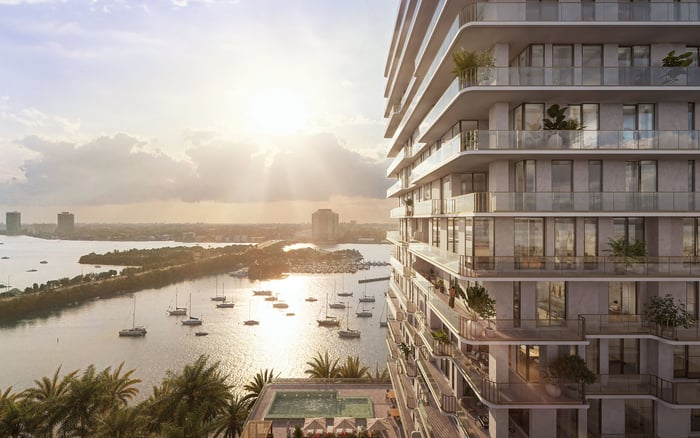
At Alma Bay Harbor Islands, orientation should be part of any line comparison. Two residences with comparable room counts or interior arrangements may offer different light, sightlines, privacy, wind, and ambient activity. The relevant question is not merely what a home faces, but what occupies its precise field of view at eye level from the living room, primary bedroom, and terrace.
Labels such as Waterfront and Waterview are starting points, not substitutes for studying the actual line. Ask the sales team to identify the primary and secondary exposures of every candidate, then explain how the experience changes by floor.
A presentation floor plan is designed for clarity; a buyer needs the technical version. Request dimensioned plans showing columns, shear walls, utility chases, ceiling drops, and structural or mechanical intrusions. These details can influence furniture placement, millwork, circulation, ceiling continuity, and a room’s perceived generosity.
Pair the plan with elevation drawings, building sections, floor plates, surveys, and the site plan. Elevations can help a buyer assess how a higher or lower floor may alter sunlight, privacy, and the relationship to neighboring buildings. Building sections can clarify terrace overhangs and vertical adjacencies. Before accepting a premium for any line, reconcile every significant visual claim in the rendering with these documents.
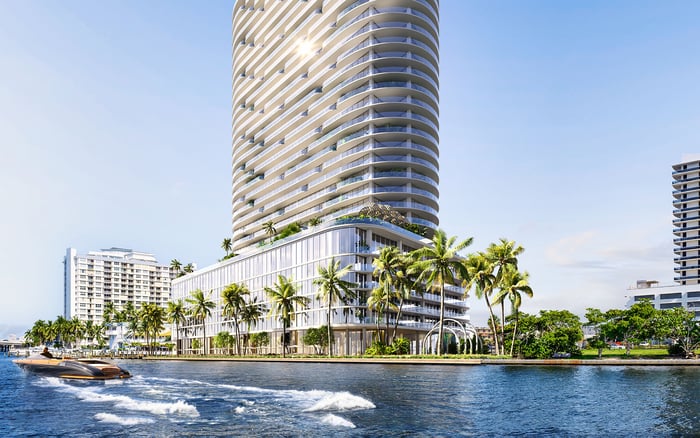
An open outlook today is not automatically a protected outlook tomorrow. Ask which portions of a view are secured by the site’s physical context and which depend on nearby properties remaining unchanged. Adjacent parcels and applicable development rules warrant independent review before a buyer relies on a present-day view corridor.
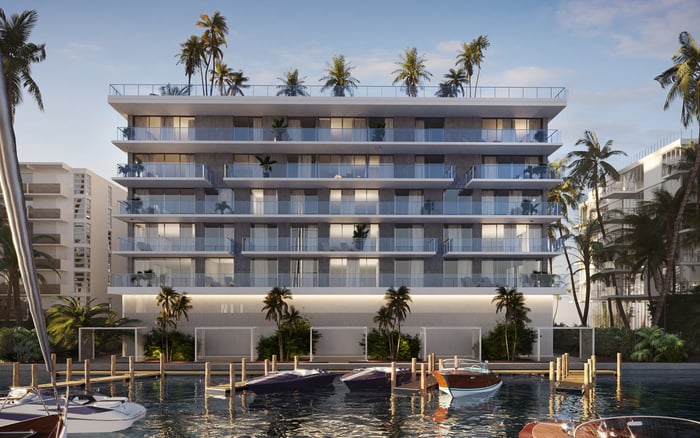
Privacy demands the same rigor. Study window placement, neighboring balconies, and the angles between buildings. A rendering may convey openness without fully representing the practical sightlines between terraces and bedrooms. Buyers considering Alana Bay Harbor Islands alongside Alma can apply the same line-by-line test rather than comparing projects solely at the building level.
Balcony depth, orientation, overhangs, and nearby structures influence when direct sun reaches the glass, how comfortably the outdoor space can be used, and whether interior rooms feel bright or shaded throughout the year.
Ask for sun studies if available, but also visit the site at different times of day. Observe sunlight, wind, traffic, construction activity, and the character of each exposure. A morning visit alone cannot establish the afternoon experience. The same discipline is useful when reviewing La Maré Bay Harbor Islands as part of a local comparison.
Marina activity can be an asset to one buyer and an acoustic consideration to another. Compare candidate lines for potential sound from vehicle circulation, loading zones, amenity areas, elevators, and building equipment. Confirm whether a residence is near a garage ramp, service corridor, refuse area, mechanical room, or rooftop equipment, and ask about possible odors as well as noise.
The right assessment is personal. A buyer who prioritizes convenient access may accept activity that another, seeking maximum quiet, would avoid. Review Onda Bay Harbor through the same operational lens if it is part of the consideration set. Consistent questions make project comparisons more meaningful.
Request the proposed condominium budget and the percentage share of common expenses assigned to each residence. Similar interior areas do not necessarily carry identical obligations, so compare the recurring cost of each candidate rather than extrapolating from another line.
For investment planning, review the condominium documents for leasing limits, minimum rental periods, approval procedures, and other restrictions. Treat every verbal description as preliminary until it is supported in writing and tied to the governing documents.
Resale should also inform the selection. Consider the likely audience for each line: buyers who prize quiet outlooks, stronger privacy, useful terrace space, or convenient access may value different attributes. A rational premium is supported by durable qualities, documented rights, and a clearly identifiable future buyer pool.
For each finalist, assemble the dimensioned plan, elevation, floor plate, section, survey, site plan, budget allocation, and relevant condominium provisions. Add notes from multiple site visits and written responses from the sales team. The result is a decision record that separates measurable distinctions from presentation language.
The most compelling line is not necessarily the highest or the one depicted with the broadest view. It is the residence whose exposure, geometry, privacy, operations, carrying costs, and restrictions align most precisely with the buyer’s intended use.
Why does the unit line matter? The line determines primary exposure and can materially change light, views, privacy, wind, and nearby activity.
Are similar floor plans likely to feel the same? Not necessarily. Orientation, floor height, columns, ceiling drops, and neighboring structures can create distinctly different experiences.
Which plans should a buyer request? Request dimensioned floor plans, elevations, building sections, floor plates, surveys, and the site plan.
How can a buyer evaluate whether a view is protected? Request a written explanation, then investigate adjacent parcels and applicable development rules before relying on the current corridor.
What should be checked for privacy? Review window positions, neighboring balconies, building angles, elevation, and sightlines from principal rooms and terraces.
Why is terrace depth important? Depth and overhangs affect direct sun, shade, interior brightness, and how comfortably the outdoor area can be used.
What potential noise sources deserve attention? Consider marina activity, traffic, loading, amenities, elevators, garage ramps, service areas, and mechanical equipment.
Can similar-sized residences have different common expenses? They may. Confirm each unit’s percentage share and compare it with the proposed condominium budget.
Which leasing provisions should be reviewed? Check the condominium documents for leasing limits, minimum rental periods, approval procedures, and other restrictions.
How should a buyer compare a premium line with a less expensive one? Weigh durable views, privacy, terrace utility, operational exposure, recurring costs, restrictions, and likely resale demand.
When you're ready to tour or underwrite the options, connect with MILLION.
If branded residences are on your mind — as a home or as an allocation — we would be glad to share what we are seeing, privately.
Begin a quiet conversation