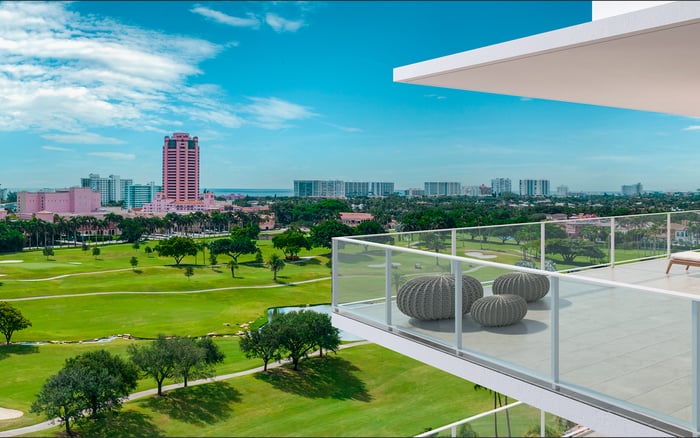
Three Boca Raton residences invite a dockage-focused comparison, but buyers should distinguish geographic convenience from secured slip access and verify every boating detail before purchase.
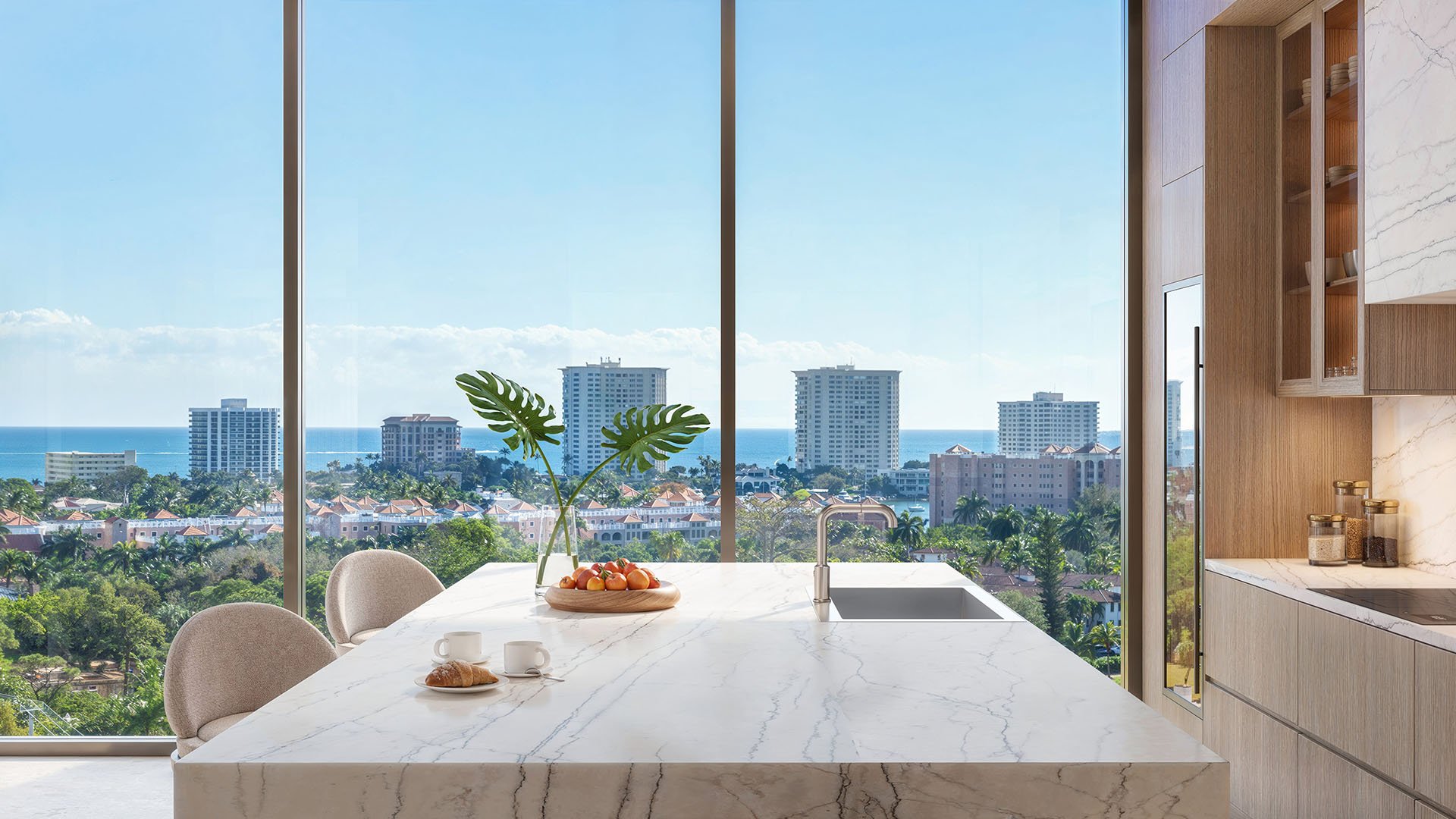
For boating households, the appeal of a Boca Raton residence extends beyond architecture, service, and interior refinement. The practical relationship between home and vessel can shape how easily an owner moves between daily life and time on the water. Dockage proximity is therefore a meaningful consideration-but not one that can be reduced to a waterfront impression or a line on a map.
The comparison among Glass House Boca Raton, The Residences at Mandarin Oriental Boca Raton, and Mr. C Residences Boca Raton is best approached through this disciplined lens. Each is relevant to buyers considering boating access in Boca Raton. Yet proximity alone confirms neither a private slip nor guaranteed dockage, a marina relationship, or measurable demand attributable to boating convenience.
Glass House Boca Raton belongs in the conversation because buyers can evaluate it against the practical demands of a boating lifestyle. The decisive questions are precise: Where would the vessel be kept? How would the owner travel between the residence and the dock? Would that arrangement remain workable during busy periods? Without verified marina distances, slip terms, or buyer-inquiry data, its role is comparative rather than conclusive.
The Residences at Mandarin Oriental Boca Raton presents the same fundamental diligence challenge. Brand identity may shape a buyer’s broader residential decision, but it does not resolve the dockage question. A boating buyer must still establish whether nearby options suit the vessel, ownership schedule, service expectations, and preferred route to the water.
The dockage-proximity lens applies equally to Mr. C Residences Boca Raton. Here, too, buyers should distinguish the atmosphere of coastal luxury from documented boating utility. The relevant test is not whether a residence feels connected to the water, but whether a workable dockage plan can be verified and sustained.
A useful comparison begins with door-to-dock logistics, not straight-line distance. Driving time, parking, loading access, seasonal traffic, marina procedures, and the ease of moving guests or equipment may matter more than nominal mileage. For owners who use a vessel frequently, minor points of friction can become consequential over time.
Marina suitability is equally important. A nearby facility may not accommodate the buyer’s vessel dimensions, draft, shore-power needs, or service expectations. Slip availability is also distinct from physical capacity. Buyers should confirm whether access is currently available, subject to a waitlist, seasonal, transferable, or governed by separate membership requirements.
This distinction is central to boat-slip diligence. A residence may offer geographic convenience without conveying legal or contractual access to dockage. Proximity, availability, and entitlement should never be treated as interchangeable.
Before comparing the three residences, buyers should create a vessel-specific brief identifying length, beam, draft, power requirements, intended frequency of use, and any needs related to crew, provisioning, maintenance, or hurricane planning. That brief converts a broad lifestyle preference into a testable property criterion.
The next step is to verify the likely route between each residence and every suitable dockage option at the times the owner expects to travel. A trial journey can expose details a map cannot, including gate procedures, loading constraints, parking arrangements, and the comfort of returning after an evening on the water.
Contractual review is also essential. Buyers should determine what, if anything, is included with the residence and what requires a separate agreement. Fees, insurance obligations, vessel restrictions, assignment rights, termination provisions, and storm protocols all warrant close examination. Any representation concerning slips or access should be confirmed in governing and contractual documents.
These three projects reflect the importance of dockage proximity most clearly as a comparison category for affluent buyers-not as evidence of a quantified premium. No supported sales metrics, inquiry figures, marina distances, or dockage commitments establish that one project has captured more boating-driven demand than another.
That distinction strengthens the purchase decision. Waterfront character, water-view appeal, and actual vessel access may overlap, but they are not equivalent. A buyer may favor one residence for its design or service while selecting a separate marina arrangement better suited to the boat. Another may place greater weight on a short, repeatable door-to-dock routine.
The strongest conclusion is therefore personal and operational. The preferred residence is the one that unites refined living with a verified dockage plan, appropriate vessel accommodation, and acceptable daily logistics. In this segment of Boca Raton, precision is the more valuable luxury.
Do any of these residences include a private boat slip? No included or guaranteed private slip is established here. Buyers should verify any dockage representation directly in the relevant documents.
Which project is closest to a marina? Verified comparative distances are not established. Buyers should measure realistic door-to-dock routes to suitable facilities rather than rely on straight-line distance.
Does a waterfront residence guarantee dockage access? No. Waterfront positioning describes a property’s relationship to the water, while dockage access depends on separate physical, legal, and contractual conditions.
Can a nearby marina accommodate every yacht? Not necessarily. Length, beam, draft, power, access routes, and facility rules determine whether a marina can accommodate a particular vessel.
Should buyers expect a dockage-related price premium? No measurable premium is established for these three projects. Pricing should be evaluated alongside verified access, residence attributes, and current terms.
What should a boating buyer verify first? Begin with vessel specifications and actual slip availability. Then confirm the travel route, operating rules, costs, and contractual rights.
Are marina waitlists important during residential due diligence? Yes. Physical proximity has limited practical value if appropriate slips are unavailable or access depends on an uncertain waiting period.
Why does transferability matter? A slip agreement may not transfer automatically with a residence or vessel. Buyers should confirm assignment, resale, and termination provisions in writing.
How should seasonal owners assess convenience? They should test the route during their expected period of occupancy and review seasonal availability, storage, maintenance, and storm procedures.
What is the best way to compare the three projects? Apply the same vessel-specific checklist to each residence, then weigh verified boating logistics alongside design, service, privacy, and personal preference.
When you're ready to tour or underwrite the options, connect with MILLION.
If branded residences are on your mind — as a home or as an allocation — we would be glad to share what we are seeing, privately.
Begin a quiet conversation