A practical, discreet guide for evaluating balcony and terrace maintenance before purchasing a luxury condominium or waterfront residence in West Palm Beach.
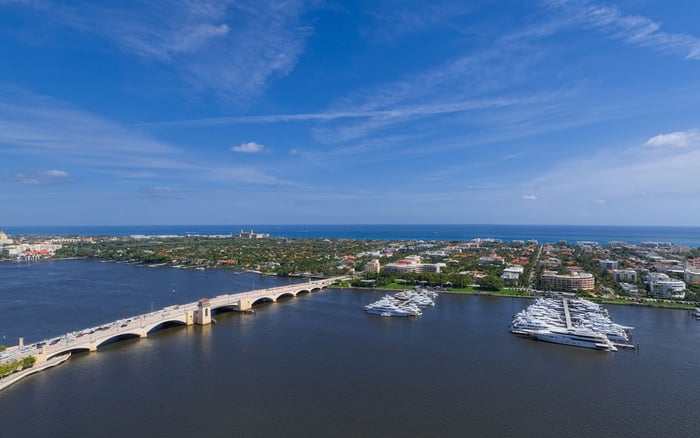
In West Palm Beach luxury real estate, a balcony or terrace is often the room that sells the residence before a buyer studies the floor plan. It frames the Intracoastal, extends the living room, creates a private breakfast setting, and gives a penthouse or waterfront condominium its emotional center. Yet that same outdoor space can be one of the most misunderstood maintenance responsibilities in a purchase.
The essential point is simple: do not treat the terrace as decorative square footage. Treat it as an exposed, engineered, rule-governed part of the property. Sun, salt air, wind, irrigation, furniture loads, planters, drainage patterns, and waterproofing details all matter. A polished interior renovation cannot compensate for uncertain responsibility outside the sliders.
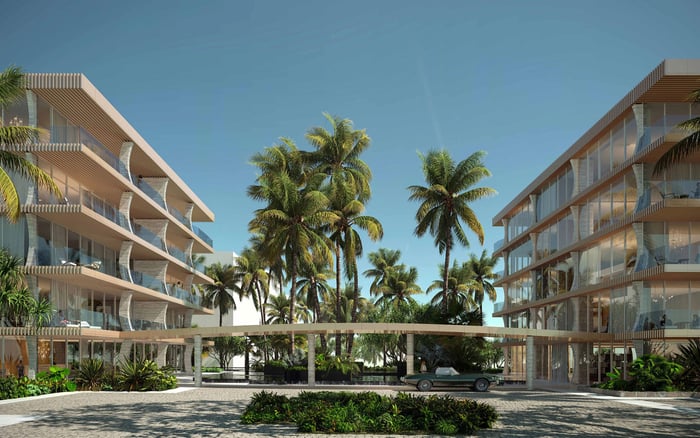
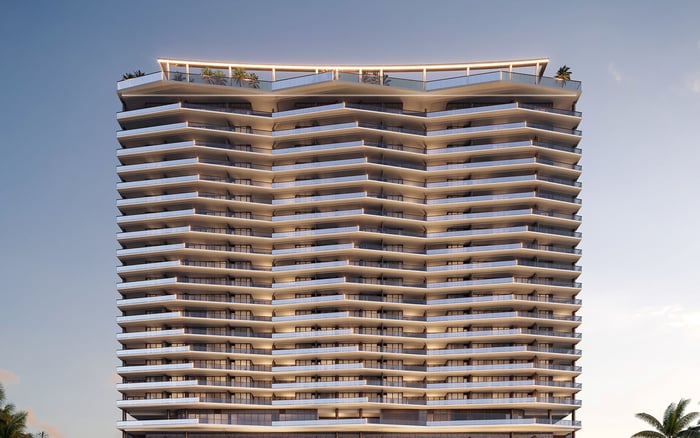
This is especially relevant for buyers comparing established buildings with newer offerings such as Alba West Palm Beach, Forté on Flagler West Palm Beach, or other residences along the city’s waterfront corridors. The question is not simply whether the view is beautiful. It is whether the outdoor space can be used, maintained, insured, and improved in the way you expect.
The first balcony question should be both legal and practical: is the outdoor space part of the unit, a limited common element, or a common element assigned for private use? The answer affects maintenance, repair approval, insurance coordination, and future modifications. Buyers should ask their attorney and advisor to review the declaration, bylaws, rules, and any terrace-specific provisions before assuming control.
This distinction can feel technical, but it becomes very real when a railing needs attention, tile is cracked, waterproofing is disturbed, or water is migrating to another area. If the association controls the structure, you may have limited authority to change finishes. If the owner is responsible for surface finishes, you may inherit an obligation that is not obvious during a showing.
Ask for written clarity on the slab, membrane, railings, drains, pavers, tile, planters, lighting, exterior doors, thresholds, and any built-in elements. A beautiful terrace should come with a clear map of responsibility.
A staged terrace can hide maintenance clues. Ask for the furniture to be moved where practical. Look for ponding water, uneven slope, efflorescence, cracked grout, loose tile, rust staining, sealant gaps, and any signs that planters or heavy objects have trapped moisture. These observations are not a substitute for professional review, but they can sharpen the questions that follow.
Drainage deserves particular attention. A terrace that looks pristine on a dry afternoon may perform very differently during a heavy rain. Ask where water is intended to go, how drains are accessed, who cleans them, and whether any prior backups have occurred. If the residence is above another unit or amenity space, water management is not cosmetic. It is fundamental.
In higher-end residences such as Mr. C Residences West Palm Beach or Shorecrest Flagler Drive West Palm Beach, outdoor areas may be central to the lifestyle promise. That makes diligence more important, not less. The more integral the terrace is to daily living, the more carefully its long-term care should be understood.
Luxury buyers often picture the terrace first: a dining table, sculptural planters, lounge seating, artful lighting, perhaps a summer kitchen where permitted. Before building the mood board, ask what the building allows.
Key questions include whether grills are permitted, what fuel types are allowed, whether planters require liners or drainage controls, and whether exterior furniture must meet specific wind or aesthetic standards. Ask whether umbrellas, shades, screens, lighting, speakers, cameras, outdoor rugs, and pet relief areas are allowed. If you plan to entertain frequently, confirm quiet hours, music rules, guest policies, and any restrictions affecting caterers or service access.
Buyers should also ask whether any exterior alteration requires association approval. Even replacing tile, changing pavers, adding irrigation, or installing planters may trigger review. In a refined building, uniformity is often part of the value proposition. That can protect the building’s appearance, but it can also limit personal expression.
New-construction buyers should ask for specifications, approved finish options, warranty process details, and procedures for reporting drainage or finish issues after closing. The objective is not to second-guess the design team. It is to understand how the building expects outdoor spaces to be used and maintained from day one.
Resale buyers should focus on history. Ask whether the terrace has been repaired, resurfaced, waterproofed, altered, or inspected. Request permits or approvals where applicable, along with receipts, warranties, and association correspondence. If a prior owner made improvements without proper approval, the buyer may inherit complications after closing.
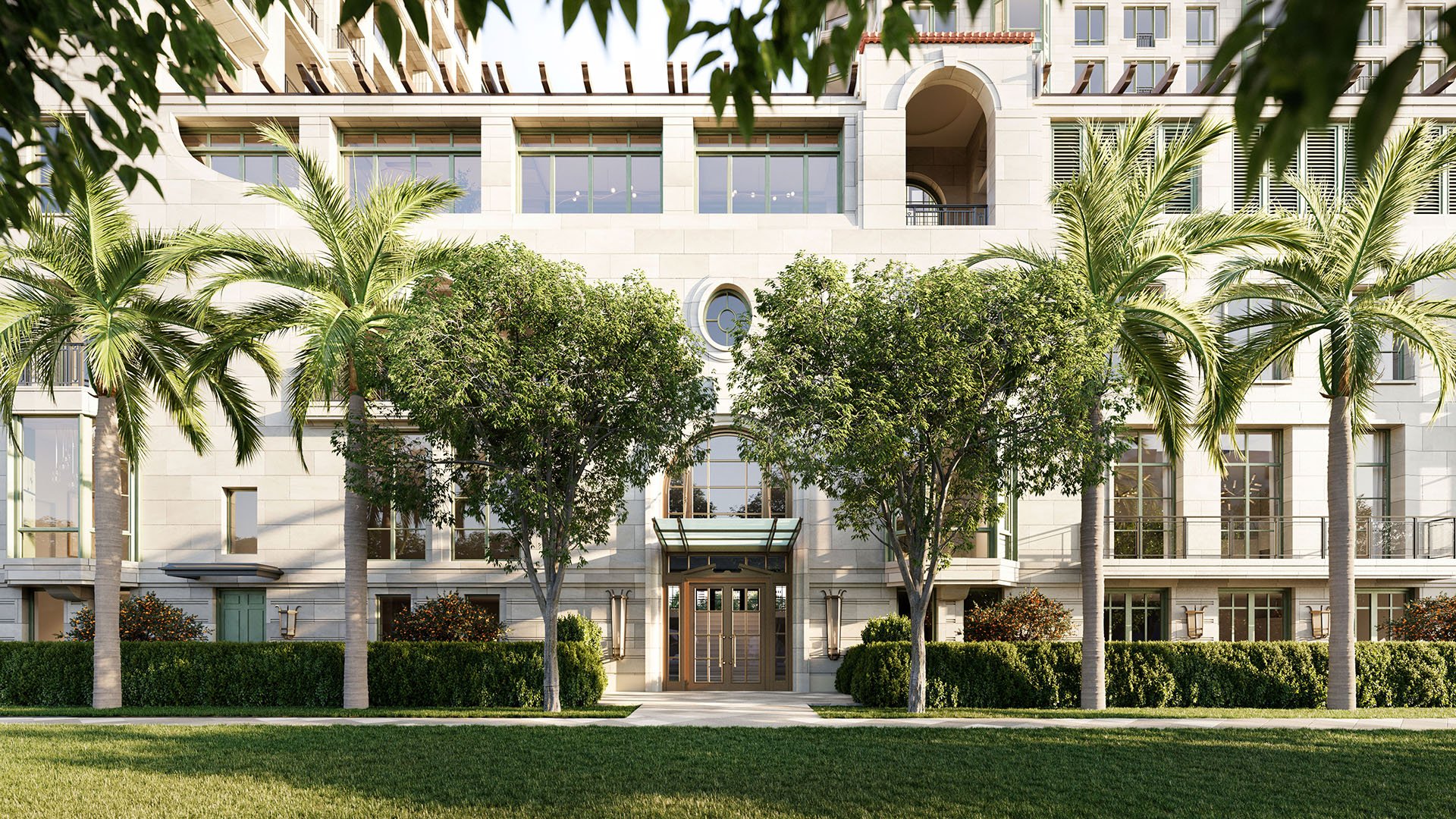
For a residence such as The Ritz-Carlton Residences® West Palm Beach, the maintenance conversation should be framed with the same discipline applied to interiors, service, and amenities. A branded or service-rich setting can elevate daily life, but private outdoor areas still require clear responsibilities.
Outdoor space maintenance is not only a unit-level issue. Buyers should review association budgets, reserve planning, pending assessments, board minutes, engineering discussions, insurance correspondence, and any exterior restoration projects that may affect balconies or terraces. The goal is to understand whether the building is proactive, reactive, or silent on the subject.
Ask when railings, coatings, waterproofing systems, exterior doors, and façade elements were last evaluated. Ask whether access to private terraces may be required for building work, how much notice is provided, and how furniture or improvements must be handled during projects. For waterfront buildings, access, staging, weather windows, and exterior exposure can shape the experience of ownership.
A strong association does not eliminate maintenance. It makes maintenance legible. For buyers, that difference is central: luxury is not the absence of obligations, but the presence of well-managed obligations.
A generous terrace can justify a premium, particularly when it offers privacy, usable depth, water views, and graceful indoor-outdoor flow. But buyers should avoid paying only for atmosphere. Evaluate usability at different times of day, wind exposure, privacy from neighboring lines, noise, sun orientation, door operation, and furniture placement.
Ask your inspector or qualified consultant to focus specifically on exterior conditions. Ask your real estate advisor to compare the terrace against alternatives, not only by size but by utility. A large outdoor area with unclear maintenance obligations may be less valuable than a smaller one with excellent protection, drainage, and rules that match your lifestyle.
The best purchase is one where the terrace feels effortless because the difficult questions were asked early.
Who is usually responsible for balcony maintenance in a luxury condo? Responsibility depends on the condominium documents. Ask counsel to confirm what belongs to the unit owner and what belongs to the association.
Should I inspect a terrace separately from the interior? Yes. Outdoor areas face different exposure, drainage, and waterproofing concerns, so they deserve focused review.
What documents should I request before buying? Request condominium documents, rules, budgets, reserves, board minutes, alteration approvals, warranties, and any terrace repair records.
Can I change the tile or pavers on a terrace? Possibly, but many buildings require approval before exterior finish changes. Confirm rules before budgeting any improvement.
Are planters risky on balconies or terraces? They can be if they trap moisture, overload an area, or drain improperly. Ask what sizes, liners, and drainage methods are permitted.
Should I ask about grills before closing? Absolutely. Grill rules can be highly specific, including whether any type of grill is allowed at all.
How do I evaluate drainage during a showing? Look for low spots, staining, clogged drains, loose finishes, and signs of past water movement, then ask for professional review.
Do waterfront terraces require extra attention? Waterfront exposure can make maintenance planning especially important. Ask about railings, coatings, doors, sealants, and exterior access.
Can association projects limit terrace use after I buy? They can. Ask whether any exterior work is planned and whether private terrace access may be required.
Is a larger terrace always more valuable? Not always. Privacy, depth, drainage, exposure, condition, rules, and maintenance clarity can matter as much as size.
For a discreet conversation and a curated building-by-building shortlist, connect with MILLION.
If branded residences are on your mind — as a home or as an allocation — we would be glad to share what we are seeing, privately.
Begin a quiet conversation