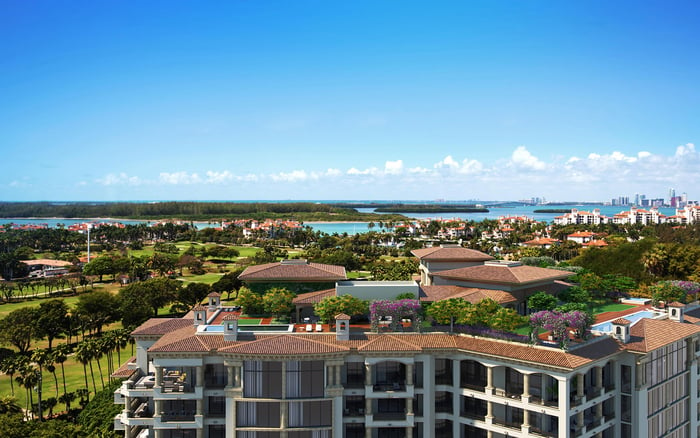
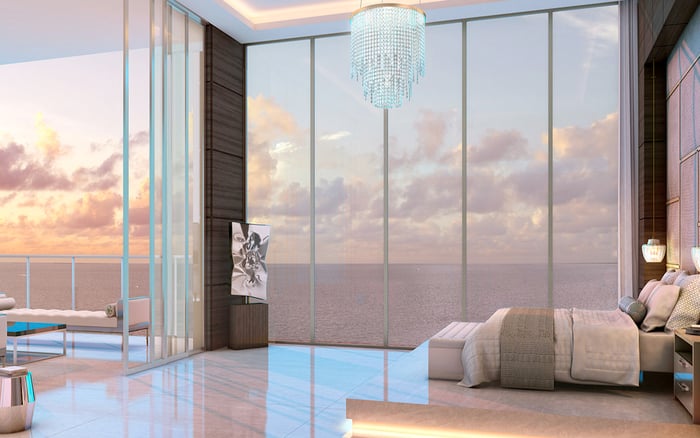
A buyer-focused look at how wellness-led residences on Fisher Island can be evaluated as long-term lifestyle and real estate decisions, from privacy and daily usability to design durability and exit discipline.
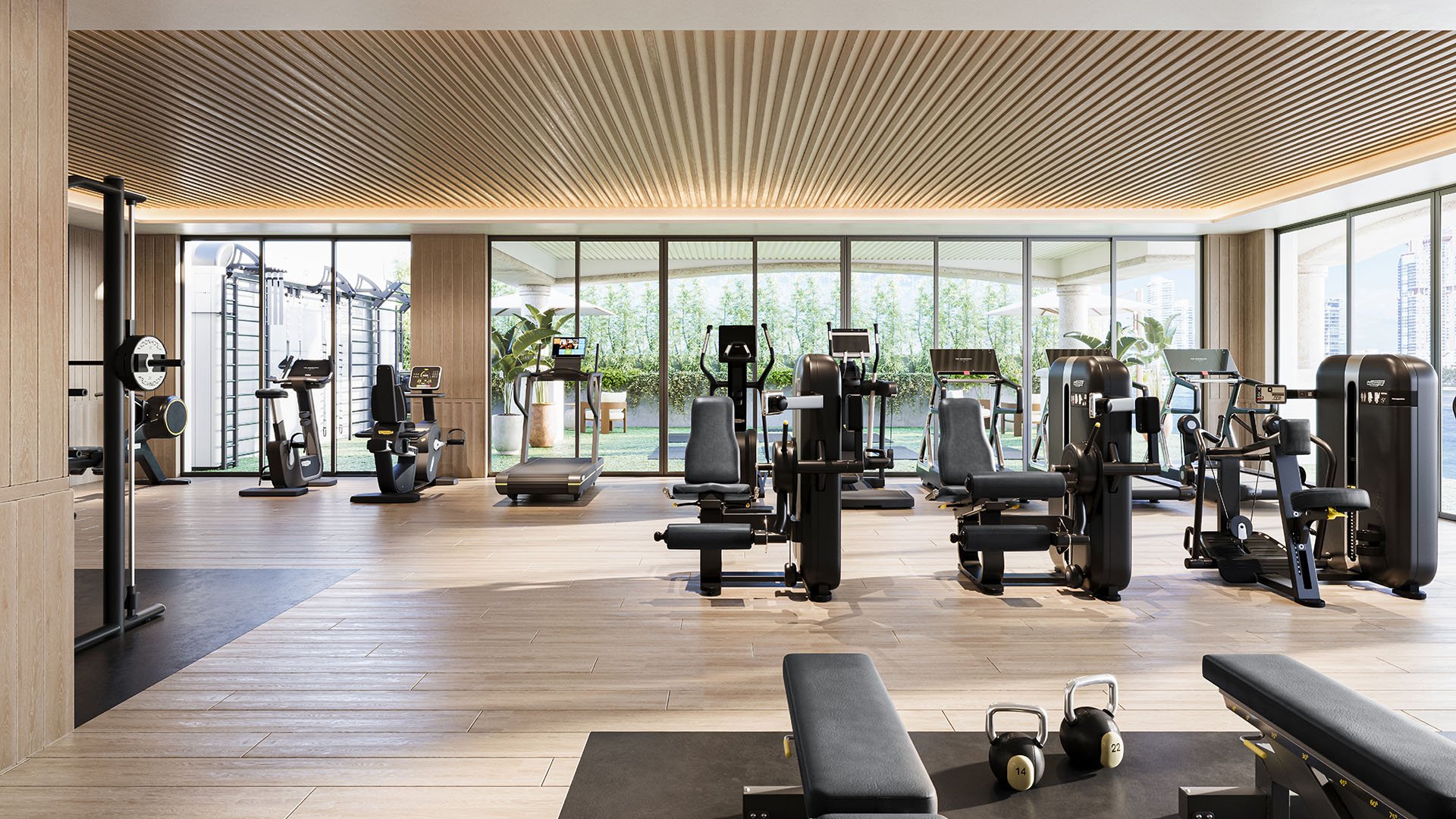
A wellness-led residence in Fisher Island works as a serious long-term purchase only when wellness is treated as infrastructure, not ornament. Buyers at this level are not simply purchasing a spa room, a quiet palette, or a marketing phrase. They are evaluating whether the residence can improve how a household sleeps, hosts, trains, recovers, works, and withdraws from the public world.
That distinction matters. Decorative wellness can impress during a tour and become irrelevant after move-in. Functional wellness is different. It appears in the plan, the arrival sequence, the way light enters the main living spaces, the relationship between terraces and interiors, the acoustic separation between public and private rooms, and the ease with which residents move from social life to recovery without friction.
For a Fisher Island buyer, the question is not whether a home feels serene for fifteen minutes. The question is whether it will still feel composed after five years of family visits, seasonal entertaining, remote work, fitness routines, travel schedules, and changing health priorities. That is where a wellness-led residence becomes a long-term asset rather than a lifestyle indulgence.
Fisher Island carries a different purchasing psychology from denser mainland and beachfront markets. The buyer is often seeking a controlled pace, a higher degree of privacy, and a residential setting that feels intentionally removed without feeling inconvenient. That is why wellness must be judged through the lens of permanence.
A residence that works here should support a slower, more deliberate rhythm. It should offer privacy without isolation, comfort without excess, and amenity access without forcing the resident to reorganize daily life around shared spaces. In this context, Fisher Island is less about spectacle and more about continuity.
That is also why comparisons among properties should be disciplined. A buyer considering The Residences at Six Fisher Island is not merely comparing finishes or views. The more relevant evaluation is how the residence organizes privacy, movement, wellness routines, and service expectations into a daily pattern that can remain desirable across market cycles.
Floor plan quality is often more important than any single amenity. A serious long-term purchase should separate arrival, entertaining, retreat, staff or service circulation where applicable, and private recovery zones in a way that feels natural. Wellness begins when the home reduces decisions.
The best plans make it easy to live well without theatrical gestures. Bedrooms should feel protected from social areas. Primary suites should have enough depth to function as true retreats. Kitchens and dining spaces should serve both everyday health routines and formal entertaining. Terraces should feel usable, not merely photogenic. Storage should be generous enough to keep the home calm.
Buyers should be cautious with residences that rely too heavily on one dramatic feature. A striking room can help sell a property, but daily livability is built through proportions, ceiling feel, circulation, natural light, and the ability to host without sacrificing privacy. In luxury real estate, especially on an island where owners may hold for the long term, graceful utility has more staying power than visual novelty.
The wellness conversation has expanded quickly across South Florida. Some buildings and residences now speak the language of longevity, recovery, movement, mindfulness, and hospitality. The strongest examples are not necessarily those with the longest amenity menu. They are the ones where the amenities feel integrated into how residents actually live.
A gym is more valuable when it is convenient enough to use consistently. A spa environment matters when it supports real recovery rather than occasional display. Outdoor space matters when it is shaded, proportioned, and connected to the rooms people use most. Quiet areas matter when they are positioned away from social energy. Service matters when it preserves ease without intruding on privacy.
This is where Fisher Island buyers should separate novelty from usefulness. A wellness-led residence should make health feel effortless, private, and repeatable. If a feature requires too much scheduling, too much exposure, or too much explanation, it may not hold the same long-term value as a simple, beautifully executed element that improves every morning and evening.
Investment discipline in Fisher Island is not only about acquisition price or future resale. It is also about whether the home will age with dignity. Wellness-led design can be especially vulnerable to trends: overly themed interiors, fashionable materials, branded rituals, and highly specific rooms that may feel dated faster than the architecture around them.
A serious buyer should favor restraint. Natural textures, balanced light, flexible rooms, and calm material palettes can support wellness without locking the residence into a narrow aesthetic moment. Flexibility is critical. A room used today for training may become a study, therapy room, guest suite, or quiet media space later. A wellness-led home should be able to evolve without a major identity crisis.
That is why properties such as The Links Estates at Fisher Island deserve to be considered not only through the lens of size or exclusivity, but through the adaptability of the living environment. Long-term ownership rewards homes that can absorb changing family structures, changing health habits, and changing expectations of privacy.
At the ultra-premium level, operational quality is often invisible when it is done well. The residence should feel effortless. Deliveries, guests, maintenance, staff movement, security protocols, amenity access, and everyday service should not constantly interrupt the household’s sense of calm.
This is a crucial part of wellness. A beautiful residence that creates operational friction is not truly restful. Buyers should ask how the home functions on a normal weekday, during a family gathering, after travel, and when multiple generations are in residence. The goal is not merely an impressive arrival, but a property that quietly supports complex lives.
In established Fisher Island comparisons, Palazzo del Sol Fisher Island and Palazzo della Luna Fisher Island often enter the conversation as reference points for privacy, scale, and residential atmosphere. When looking at Palazzo del Sol or Palazzo della Luna, the important question remains the same: does the residence make life simpler, healthier, and more discreet over time?
A wellness-led residence should feel highly personal, but not so personalized that future buyers struggle to understand it. Long-term value depends on the ability to appeal to the next discerning owner. That does not mean generic design. It means sophisticated restraint, flexible programming, and a clear hierarchy of spaces.
The most resilient wellness features are those that almost any luxury buyer can appreciate: quiet bedrooms, natural light, generous terraces, privacy, elegant circulation, quality materials, and amenities that support health without demanding a particular philosophy. The more a residence depends on one owner’s exact routine, the narrower its resale audience may become.
This is especially important in Fisher Island, where the buyer pool is discerning and time-sensitive. A future purchaser may not want to renovate immediately. They may want a home that already feels composed, current, and adaptable. The stronger the original wellness logic, the easier it is for the property to communicate value without over-explanation.
The most compelling wellness-led residence in Fisher Island is not necessarily the most lavish. It is the one that balances privacy, daily ease, architectural calm, and long-term flexibility. Buyers should prioritize how the residence feels at different times of day, how naturally it supports health routines, and how well it accommodates both solitude and hospitality.
A good purchase will not require the owner to perform wellness. It will make better living feel intuitive. The residence should reduce noise, soften transitions, support movement, encourage rest, and make entertaining feel controlled rather than draining.
For a long-term holder, that is the real luxury. Not a checklist of wellness features, but a home that remains emotionally and practically relevant as life changes. On Fisher Island, where discretion and permanence are central to the appeal, wellness succeeds when it becomes the quiet architecture of everyday life.
What defines a wellness-led residence in Fisher Island? It is a residence where planning, privacy, light, amenities, and operations support daily health and calm, rather than presenting wellness as a decorative theme.
Is wellness a good basis for a long-term purchase? Yes, when the features are practical, flexible, and broadly appealing. The strongest wellness elements improve daily life and can remain relevant for future buyers.
Should buyers prioritize private amenities or building amenities? Both matter, but private usability is often more important. A residence should support wellness even on days when the owner does not use shared spaces.
How important is floor plan quality? It is essential. The plan determines privacy, circulation, quiet, entertaining comfort, and the ability to adapt rooms over time.
Can wellness design become dated? It can if it relies too heavily on trends. Timeless materials, flexible rooms, and restrained design usually age better.
What role does privacy play in wellness? Privacy is central because it allows rest, recovery, family life, and entertaining to occur without unnecessary exposure or disruption.
Are branded wellness features enough to justify a purchase? Not by themselves. Buyers should look beyond branding and assess whether the residence genuinely improves daily routines.
How should a buyer compare Fisher Island residences? Compare livability, discretion, service quality, adaptability, and the ease of maintaining a calm daily rhythm over time.
What makes a wellness residence easier to resell? Broadly useful features such as quiet bedrooms, good light, flexible spaces, outdoor areas, and refined materials can widen future appeal.
Who is the ideal buyer for this type of residence? The ideal buyer values privacy, health, design restraint, and long-term ownership quality more than short-term spectacle.
If you'd like a private walkthrough and a curated shortlist, connect with MILLION.
If branded residences are on your mind — as a home or as an allocation — we would be glad to share what we are seeing, privately.
Begin a quiet conversation