A discreet buyer’s guide to guest parking rules in Bal Harbour luxury real estate, including valet policy, overnight guests, event access, staff logistics, and resale considerations.
In Bal Harbour, parking is not a minor operational detail. It is part of the residential experience, shaping how easily family arrives for dinner, how discreetly service providers enter, how comfortably overnight guests are accommodated, and how confidently an owner can entertain without friction at the front drive. Even a gracious residence can feel constrained if the arrival sequence is unclear, overregulated, or dependent on exceptions.
For buyers comparing oceanfront towers, boutique buildings, and nearby alternatives, the right question is not simply, “Is there guest parking?” The better question is, “How does guest parking actually work on a busy evening, during a holiday weekend, or when several guests arrive at once?” That distinction matters in a market where privacy, service, and convenience are inseparable from value.
A Bal Harbour purchase often involves more than square footage and views. It may include multigenerational use, seasonal occupancy, staff coordination, private chefs, drivers, wellness practitioners, visiting friends, and family members arriving from across South Florida. Guest parking rules determine whether those patterns are seamless or negotiated case by case.
Before buying, ask for the governing documents, house rules, valet protocols, parking amendments, and any current board policies that address non-resident vehicles. A polished lobby team may manage guest arrivals beautifully, but the enforceable standard is usually found in the written materials. You want to know what is guaranteed, what is customary, and what depends on management discretion.
Ask whether guest parking is included as a building amenity, controlled by valet, shared with commercial or hotel components, limited by time, or restricted during peak periods. If the property is under development, ask which rules are already drafted and which will be finalized later. In a new-construction purchase, uncertainty can be acceptable only when the buyer understands where discretion will sit after turnover.
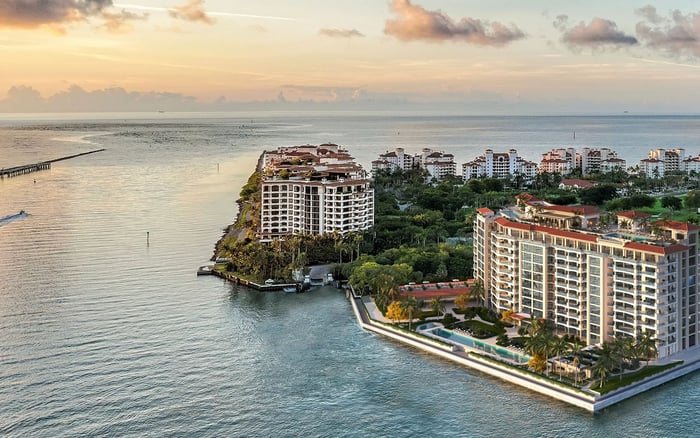
At Rivage Bal Harbour, for example, a buyer focused on refined oceanfront living should still ask the same practical questions that would apply anywhere: how many guests can arrive without advance notice, where vehicles are staged, whether valet is mandatory, and how overflow is handled.
Valet can be an asset when it is well staffed, secure, and consistent. It can also become a bottleneck if the policy is unclear. Ask whether all guests must valet, whether self-parking is ever permitted, whether guests receive claim tickets, whether vehicle keys remain with valet, and how liability is addressed.
A sophisticated building should be able to explain the arrival flow in plain language. Who greets the guest? Is the resident called before entry? Are recurring guests pre-authorized? Can a family member be added to a preferred list? How are drivers, aides, and staff treated differently from social guests? If the answers are informal, ask for confirmation in writing before relying on them.
For an owner who hosts frequently, timing may be the most important issue. Ask how valet staffing changes on weekends, holidays, religious observances, major social evenings, or high-occupancy periods. A residence that performs beautifully on a Tuesday afternoon may feel very different when several households are entertaining simultaneously.
Daytime guest parking and overnight guest parking are not the same. Many buildings distinguish between a dinner guest, a visiting adult child, a caregiver, and a guest staying for several nights. Ask whether overnight parking is allowed, whether advance registration is required, whether there is a maximum number of nights, and whether repeat stays trigger a different rule.
This is especially important for second-home buyers. Seasonal owners often compress family visits into specific weeks, and the parking pattern may be more intense than a full-time resident expects. If adult children, grandchildren, friends, or household staff will stay overnight, the buyer should understand whether each vehicle is treated as a guest vehicle, an additional resident vehicle, or something else entirely.
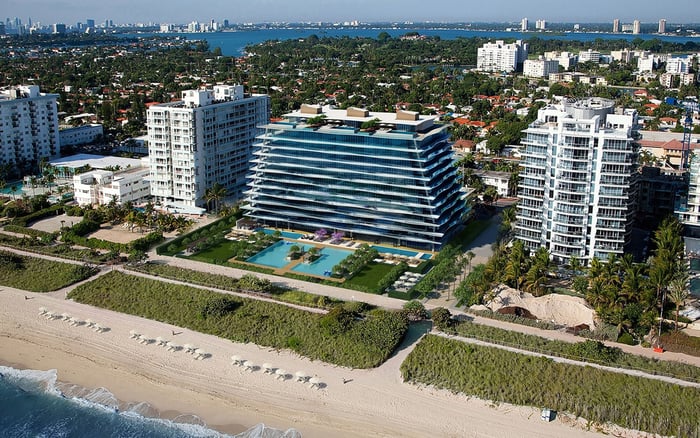
At Oceana Bal Harbour, or any established luxury condominium, a resale buyer should ask not only what the current owner has experienced, but what the documents allow. A seller’s personal routine may not reflect the full rule set, and informal accommodations may not transfer with the residence.
A cocktail reception, holiday dinner, charity gathering, or milestone celebration can expose the limits of a parking system. Ask whether private events require advance approval, whether there is a guest-count threshold, whether valet staffing can be increased, and whether the association charges fees for additional personnel or logistics.
Buyers should also ask whether vendors park in the same guest area. Caterers, florists, musicians, security teams, stylists, and drivers can occupy spaces before the first invited guest arrives. If the building separates vendor access from guest access, that may enhance privacy and reduce congestion. If it does not, the owner should understand the practical implications.
A refined building will usually have a choreography for events: guest-list submission, arrival window, elevator access, service-entrance protocol, and departure management. The buyer’s task is to test whether that choreography aligns with the way the residence will be used.
Luxury living often depends on a network of people who are not traditional guests. Housekeepers, personal assistants, nurses, trainers, chefs, dog walkers, tutors, drivers, and estate managers may arrive regularly. Ask whether recurring visitors can be registered, whether they park as guests, whether time limits apply, and whether the building differentiates between domestic staff and social visitors.
If the residence will support an older family member or a child with regular caregivers, these rules become more than a convenience. They affect daily quality of life. The buyer should ask whether caregivers may park overnight, whether a driver can wait on property, and whether management permits standing authorization.
Nearby options may have different operating cultures. A buyer considering The Delmore Surfside, for instance, should compare the guest arrival experience with Bal Harbour buildings rather than assume that adjacent coastal markets operate identically. The same applies when evaluating Bay Harbor residences across the water.
Guest parking also intersects with privacy. Ask what information is collected at entry, how long records are retained, whether license plates are logged, and who can access guest history. Some owners value a highly documented security process. Others prefer minimal friction for trusted family members. The goal is to understand that balance before closing.
Ask how the building handles unannounced guests, rideshare vehicles, private chauffeurs, and black-car services. Does the vehicle remain at the porte cochère? Is there a waiting area? Can a driver idle nearby, or must the car leave and return when called? For high-profile residents, these details influence discretion as much as convenience.
Bal Harbour commands attention for its prestige and coastal setting, but guest parking should be compared across the broader luxury corridor. Surfside, Bay Harbor Islands, Sunny Isles, Miami Beach, and select mainland neighborhoods may offer different building formats and arrival sequences. A boutique building may feel intimate but have tighter guest capacity. A larger tower may have more infrastructure but more simultaneous demand.
For buyers who want a quieter approach, Onda Bay Harbor may prompt a different set of questions about marina-adjacent living, recurring visitors, and access patterns. The point is not that one format is universally better. It is that parking rules should match the household’s actual lifestyle.
When reviewing options, use consistent language: Bal Harbour, oceanfront, new construction, resale, second-home, and Bay Harbor considerations should all be filtered through the same practical lens. How many people arrive, how often, at what times, and with what expectation of privacy?
Guest parking issues are easiest to solve before deposit deadlines, contingency expirations, or final contract approvals. Ask your advisor to request written clarifications early. If a rule is central to the purchase, it should not remain a verbal assurance.
For a pre-construction residence, ask whether parking rules are included in draft condominium documents and whether the developer reserves the right to modify them. For a resale residence, ask for recent house rules, current parking schedules, any board communications affecting guest access, and confirmation of whether special assessments or operational changes could alter parking management.
If the buyer requires a specific accommodation, such as frequent overnight caregivers or multiple recurring family vehicles, the request should be evaluated before closing. Luxury is not merely the promise of service. It is the confidence that the service model will support the life intended inside the residence.
What is the first guest parking question to ask? Ask whether guest parking is governed by written rules, valet discretion, or both. Then request the documents that control the answer.
Is valet always better than self-parking? Not always. Valet can be more gracious and secure, but only if staffing, wait times, key handling, and liability are clearly managed.
Should overnight guests be treated differently? Yes. Overnight parking often has separate limits, registration requirements, or approval procedures that differ from daytime visits.
Can family members be pre-authorized? Many buildings may allow recurring guest authorization, but the buyer should confirm the exact process in writing before relying on it.
What should event hosts ask before buying? Ask about guest-count thresholds, advance approval, vendor parking, additional valet staffing, fees, and how overflow is handled.
Do staff and caregivers usually count as guests? They may. Ask whether recurring service providers, caregivers, drivers, and household staff are subject to guest parking limits.
Why does guest parking matter for resale? Buyers value convenience and flexibility. Restrictive or unclear guest access can narrow the appeal of an otherwise exceptional residence.
Should pre-construction buyers worry about parking rules? Yes. Draft rules may evolve, so buyers should understand what is fixed, what is reserved for later, and who controls changes.
How can a buyer compare buildings fairly? Use the same lifestyle scenario at each property: family dinner, overnight guests, recurring staff, and one private event.
Can parking rules be negotiated after closing? Sometimes accommodations are possible, but closing first reduces leverage. Important needs should be clarified before the purchase.
To compare the best-fit options with clarity, connect with MILLION.
If branded residences are on your mind — as a home or as an allocation — we would be glad to share what we are seeing, privately.
Begin a quiet conversation