A buyer-focused framework for comparing privacy and residential hospitality at St. Regis® Residences Brickell and The Well Bay Harbor Islands without treating branding alone as proof of discretion.
For buyers considering South Florida residences in 2026, privacy is more useful as a due-diligence category than as a marketing phrase. A project name or hospitality identity may establish expectations, but it does not by itself explain how a resident, guest or service provider will move through the property.
That makes St. Regis® Residences Brickell and The Well Bay Harbor Islands a focused comparison for buyers examining the relationship between residential hospitality and discretion. The objective is not to declare a universal winner. It is to determine which experience better matches the buyer’s routines and definition of privacy.
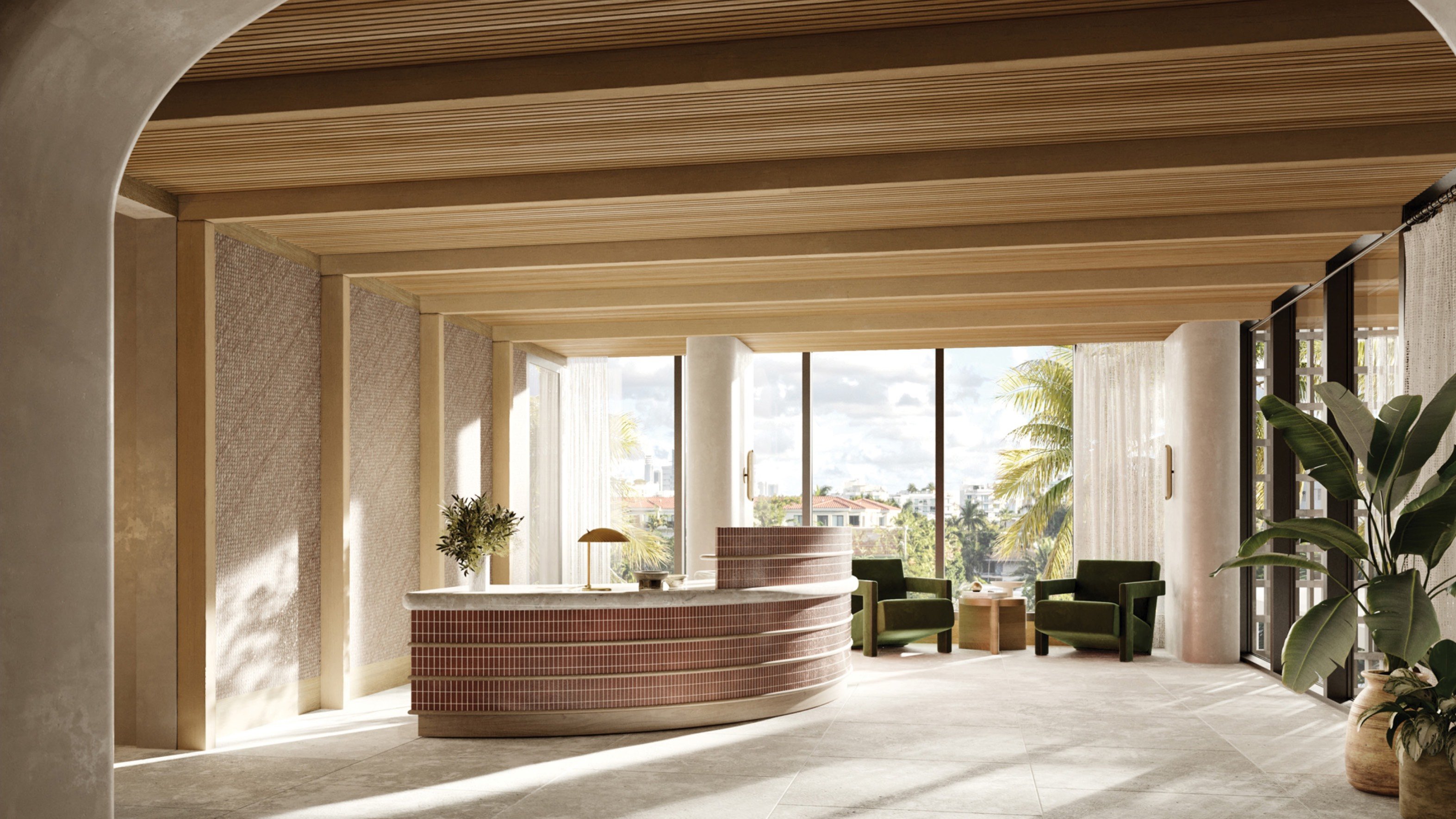
A useful comparison starts before entering a residence. Buyers can ask how residents and guests arrive, where identities are verified, how deliveries are handled and whether different types of traffic share the same route. These questions reveal more than a polished presentation because they address repeated daily interactions.
During a tour, follow the complete path from arrival to the front door. Note where a resident might encounter visitors, staff or service providers, and ask which procedures apply during busy periods. Any statements about controlled access, private circulation or dedicated entrances should be confirmed directly through current project materials and representatives.
Residential hospitality can influence privacy when it reduces unnecessary coordination while respecting personal boundaries. Buyers should ask who delivers services, how requests are recorded, when staff may enter residential areas and whether owners can set individual communication and access preferences.
The important issue is not the number of services listed. It is whether the operating model feels predictable and appropriately discreet. A buyer who wants frequent assistance may evaluate privacy differently from someone who prefers minimal interaction, even when both are considering residences associated with hospitality or wellness identities.
Floor plans show the home, but privacy also depends on circulation beyond it. Ask how residents reach parking, amenities and shared spaces; how guests are directed; and how vendors or household staff gain authorized access. Confirm whether procedures vary by time, event or service type.
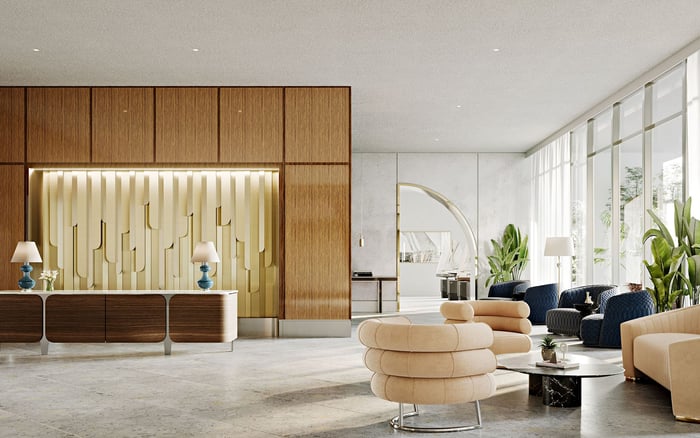
This review should distinguish physical design from operating policy. A layout may suggest separation, while actual privacy depends on how access is managed. Conversely, attentive protocols may support discretion even where some routes or spaces are shared. Buyers should request current explanations rather than infer performance from renderings or brand associations.
Privacy is also personal. Buyers can consider sightlines from entry points, the relationship between entertaining and private areas, acoustic expectations, and the routes used by guests or household staff. The right configuration depends on how the residence will be occupied.
A primary home, second home and frequently hosted residence can produce different priorities. Before comparing projects, buyers should list their most common scenarios: returning home alone, receiving family, holding a business meeting, coordinating a delivery or accommodating staff. Each tour can then test the same scenarios consistently.
Amenities may expand a residential experience, but they also create shared activity. Buyers seeking discretion should ask about access rules, guest policies, reservations and expected patterns of use. The aim is not to avoid shared spaces; it is to understand how often participation may lead to interaction and whether that level of exposure is comfortable.
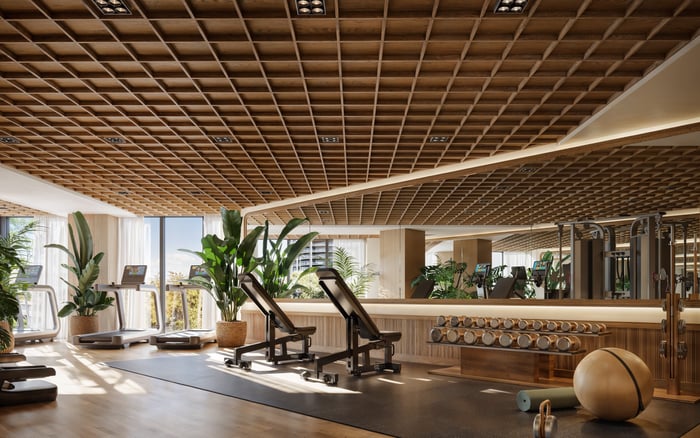
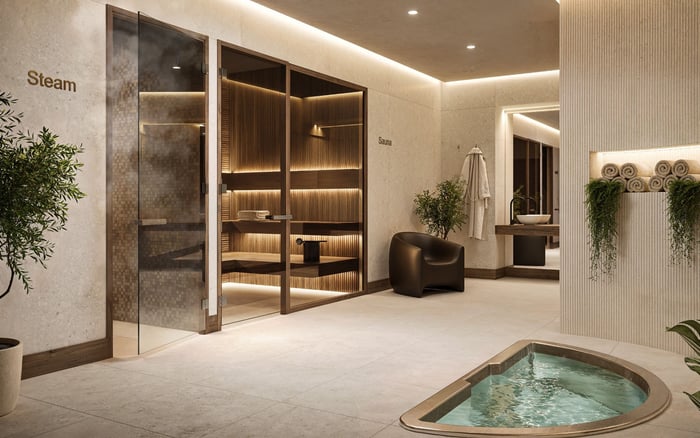
The same principle applies to wellness-oriented spaces and hospitality programming. Buyers should verify what is residential, what may be shared and what requires advance coordination. Project-specific offerings and policies can change, so current documentation matters.
Additional visits can sharpen the comparison without implying that every project offers the same model. House of Wellness Brickell and The Well Coconut Grove can serve as further reference points when a buyer wants to compare how different residential concepts present hospitality, wellness and privacy.
Use identical questions at each appointment. Consistent criteria make it easier to distinguish a compelling presentation from an experience that supports the buyer’s actual habits.
The final comparison should combine four categories: arrival, circulation, service and in-residence privacy. Buyers can rank each category according to their priorities, document what has been confirmed and identify unanswered questions requiring follow-up.
This method keeps the decision centered on lived experience. The stronger fit is the residence whose verified procedures and design align with the owner’s preferred level of assistance, interaction and control.
What is the main purpose of comparing these two projects? The comparison helps buyers evaluate how residential hospitality may relate to their own privacy priorities.
Should a hospitality identity be treated as proof of privacy? No. Buyers should verify access, circulation, service and guest procedures directly.
What should buyers observe during arrival? They should follow the route from entry to residence and note how residents, guests, deliveries and service providers are handled.
Why are service protocols important? Protocols can determine who has access, how requests are managed and how much interaction a resident experiences.
How can buyers evaluate circulation? They can ask how residents reach parking, amenities and shared spaces and whether visitor or vendor routes differ.
What in-residence details can affect privacy? Entry sightlines, acoustic expectations and the relationship between entertaining and private areas may all matter.
How should amenities be assessed? Buyers should confirm access rules, guest policies, reservations and whether any spaces are shared.
Can privacy priorities differ by intended use? Yes. A primary home, second home or frequently hosted residence may require a different balance of service and separation.
Why use the same questions at every project visit? Consistent questions make comparisons clearer and help separate verified information from impressions.
What should buyers verify before deciding? They should confirm current project features, operating procedures, access rules and policies through appropriate project representatives and documents.
When you're ready to tour or underwrite the options, connect with MILLION.
If branded residences are on your mind — as a home or as an allocation — we would be glad to share what we are seeing, privately.
Begin a quiet conversation