A discreet buyer’s guide to evaluating restaurant exhaust exposure in Bal Harbour residences, with practical diligence points for odor, noise, roof stacks, building operations, and resale strategy.
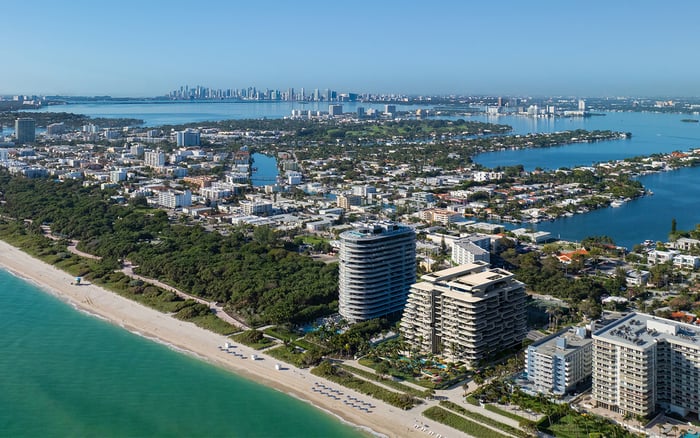
Bal Harbour buyers often begin with views, privacy, service, architecture, and walkability. In 2026, another layer deserves equal scrutiny: restaurant exhaust. For residences near dining, hospitality, retail, or mixed-use components, the question is not simply whether a restaurant is nearby. The sharper question is how air moves, where exhaust terminates, how the building is managed, and whether the residence will feel as serene in daily life as it does during a polished showing.
Restaurant exhaust is a quiet due-diligence issue because it sits between lifestyle and building science. It may influence odor, sound, terrace use, window habits, perceived cleanliness, and future buyer confidence. In a market where purchasers are comparing Bal Harbour, Surfside, Bay Harbor, oceanfront, new-construction, and resale options with unusual precision, mechanical exposure can become the defining distinction between two otherwise comparable homes.
This is not an argument against vibrant, walkable settings. Dining proximity can be a luxury when it is properly planned and properly managed. The goal is to determine whether the residential experience has been effectively insulated from the commercial one.
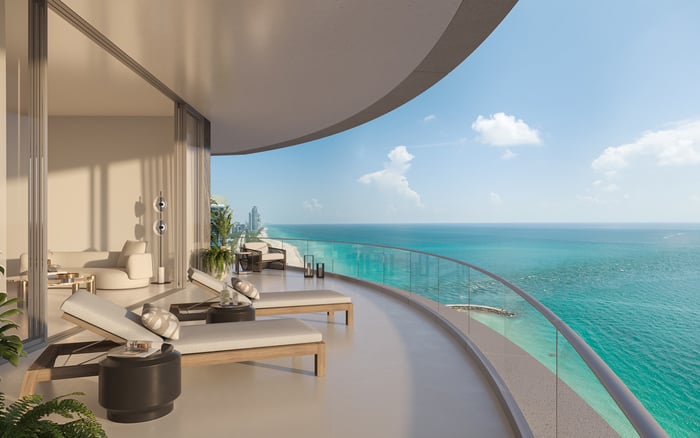
Restaurant exhaust can affect a residence in several ways. Odor is the most obvious concern, especially for terraces, operable windows, private elevator lobbies, pool decks, and outdoor amenity areas. Noise is more subtle. Fans, ducts, vibration, and rooftop equipment can create a low mechanical presence that is easy to miss during a short visit and harder to ignore after closing.
Visual impact also matters. A roof, setback, or adjacent low-rise condition can place vents, stacks, or service equipment within the sightline. For a buyer paying for a composed oceanfront or village view, industrial-looking rooftop elements may change the feeling of the home even if they do not create odor. Maintenance access is another consideration. If equipment must be serviced near residential circulation, the building’s operational rhythm can become part of daily life.
Finally, there is resale psychology. Even when a system functions adequately, a future buyer may ask difficult questions if a terrace is near an exhaust path or if a stack is visible from a primary room. Luxury buyers pay for simplicity. Any ambiguity should be resolved before it becomes a negotiation point.
The best time to evaluate restaurant exhaust is before emotional commitment. A buyer should ask whether any restaurant, café, club, catering kitchen, or food-service tenant exists below, beside, or near the residence. The answer should lead to a deeper review of plans, not a casual reassurance.
Important questions include where the exhaust discharges, how high the termination point is, what path the ductwork takes, what filtration is contemplated, where make-up air is introduced, and whether any fans or equipment sit near bedrooms, terraces, or amenity spaces. Buyers should also understand whether future commercial uses are possible in nearby spaces. A quiet boutique today may not always operate with the same kitchen intensity tomorrow.
For condominium buyers, the association’s documents, house rules, architectural controls, and commercial lease boundaries can be revealing. For single-family buyers near dining corridors, the focus shifts to prevailing exposure, outdoor living zones, and neighboring rooftop equipment. In both cases, the guiding principle is the same: do not rely solely on scent during one showing.
A refined residential tour should include more than finishes. Step onto every terrace and pause. Listen without conversation. Note whether there is a constant hum, an intermittent fan cycle, or a kitchen rhythm at certain hours. Open and close doors. Observe whether the unit feels positively sealed or whether air movement is noticeable near frames, corridors, and service zones.
If possible, visit at different times. Lunch preparation, dinner service, weekend activity, and early morning maintenance can all produce different conditions. A mid-afternoon showing may be the least revealing moment of the day. A serious buyer should also study the roofline from outside the building, from the unit, and from common areas. Mechanical equipment that is invisible from the lobby may be prominent from a high floor or neighboring amenity deck.
In new construction, the question is prospective. Buyers should request clarity before systems are fully operational. In resale, the advantage is that the building already has a pattern. Speak with the right professionals, review the available building information, and treat anecdotal comfort as secondary to mechanical evidence.
Restaurant exhaust risk should not necessarily reduce interest in a property, but it should shape the offer. A sophisticated contract strategy creates room for inspection, document review, and expert input. The buyer’s representative should build in enough time to evaluate the issue properly, especially when a residence is close to commercial space or hospitality uses.
Specialist review can be valuable. A licensed mechanical professional can interpret plans, equipment placement, ventilation concepts, and likely exposure more precisely than a visual walk-through. If the concern is acoustic, an appropriate consultant may help distinguish normal city texture from a mechanical condition that could affect quiet enjoyment.
The objective is not to create drama. It is to convert uncertainty into known risk. If the property passes review, the buyer gains confidence. If concerns remain, the buyer can negotiate, adjust expectations, or step away before the purchase becomes personal.
Bal Harbour’s most compelling residences deliver calm. That calm is architectural, operational, and sensory. Restaurant exhaust sits directly within that sensory category. A home that feels pristine, quiet, and effortless will usually be easier to live in and easier to present later.
For buyers focused on oceanfront living, the evaluation may include wind, terrace orientation, and roofline relationships. For buyers comparing Surfside or Bay Harbor alternatives, the issue may be more about neighborhood form and adjacency. For Bal Harbour purchasers seeking a primary residence, even a minor recurring odor can feel disproportionate because the home is used daily. For second-home buyers, the concern may be more about arrival experience, terrace dining, and rental perception if leasing is part of the long-term plan.
The best properties do not require the buyer to rationalize discomfort. They make the mechanical layers disappear. When dining, service, and residential privacy are harmonized, proximity becomes a pleasure rather than a compromise.
Before submitting a final offer, identify every nearby food-service use. Review the location of exhaust discharge points and any visible rooftop equipment. Ask how the building manages odor, grease, filtration, maintenance access, and noise. Walk the property during active dining hours, not only during quiet periods. Spend time on terraces, near bedrooms, and in amenity spaces.
Then consider the next buyer. If you had to resell the residence, would the exhaust condition be easy to explain? Would a prospective purchaser notice equipment, smell cooking, or hear mechanical activity within the first ten minutes? If the answer is yes, the issue deserves a sharper price, stronger diligence, or a different selection.
Luxury is not merely what is seen. It is what is absent: intrusion, friction, noise, uncertainty. In Bal Harbour, that absence is part of the premium.
Is restaurant exhaust always a dealbreaker? No. It becomes a concern when odor, noise, visibility, or uncertainty interferes with the residential experience.
Can a buyer detect exhaust risk during one showing? Not reliably. Conditions can change by time of day, kitchen activity, wind, maintenance cycles, and equipment use.
What is the first document to request? Start with available mechanical plans, association materials, and any documents describing commercial food-service uses near the residence.
Should I hire a mechanical expert? For a high-value purchase near restaurant or hospitality space, expert review can be a prudent step.
Does a higher floor always solve the issue? Not always. Stack height, discharge direction, wind, and terrace orientation can matter as much as elevation.
Can restaurant exhaust affect resale? Yes, if future buyers perceive odor, sound, equipment visibility, or unresolved operational risk.
Are new buildings safer than older ones? Not automatically. New construction may offer modern planning, but buyers still need clarity on final systems and operations.
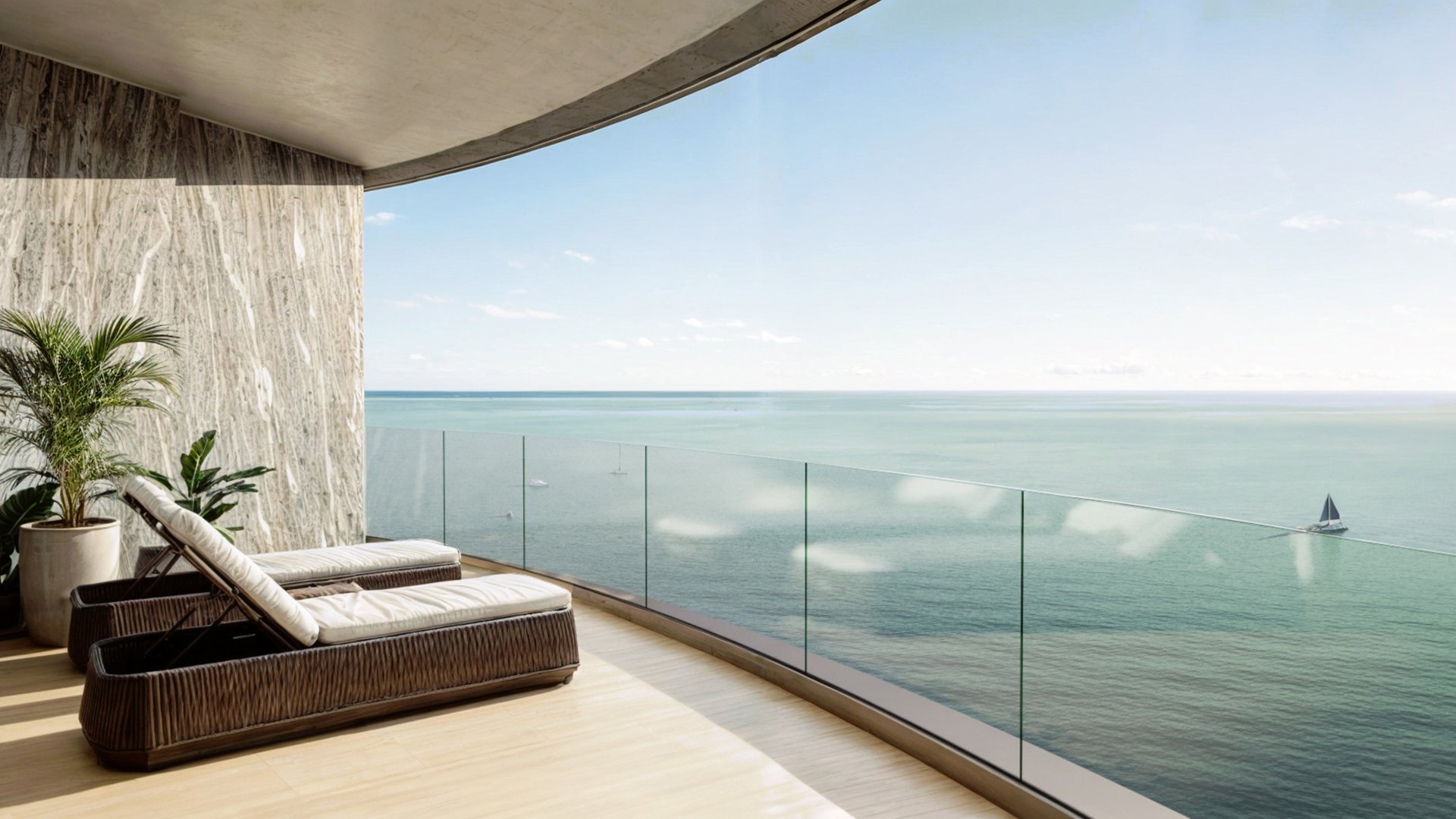
What should I observe from the terrace? Pause for odor, fan noise, vibration, visible stacks, air movement, and any recurring kitchen rhythm.
Can contract terms protect the buyer? They can create time for inspections, document review, and professional advice before the buyer is fully committed.
What is the ideal outcome? The best result is a residence where dining access feels convenient while the home remains quiet, clean, and private.
To compare the best-fit options with clarity, connect with MILLION.
If branded residences are on your mind — as a home or as an allocation — we would be glad to share what we are seeing, privately.
Begin a quiet conversation