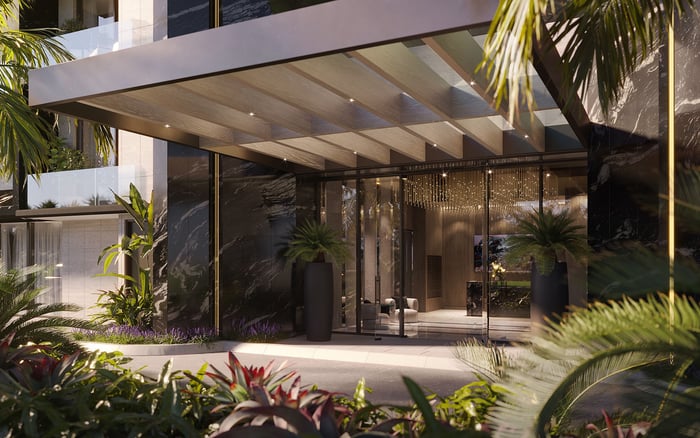
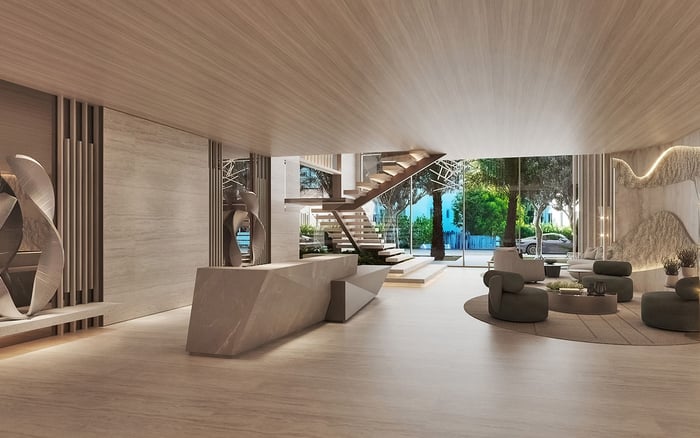
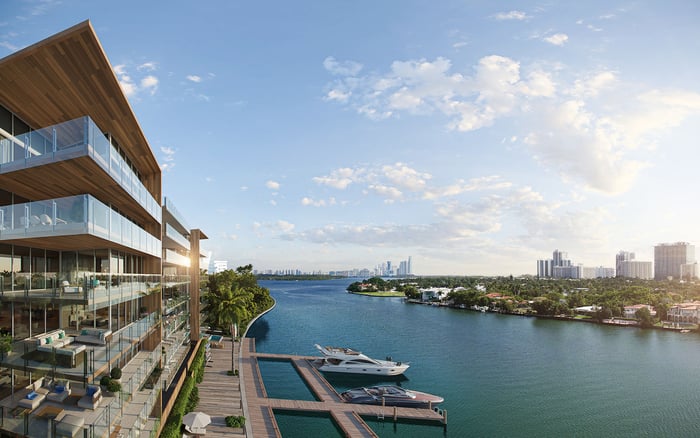
A buyer-focused comparison of private dining and entertaining as ownership considerations at La Maré and Onda Bay Harbor, with emphasis on privacy, circulation, shared space, and residential comfort.
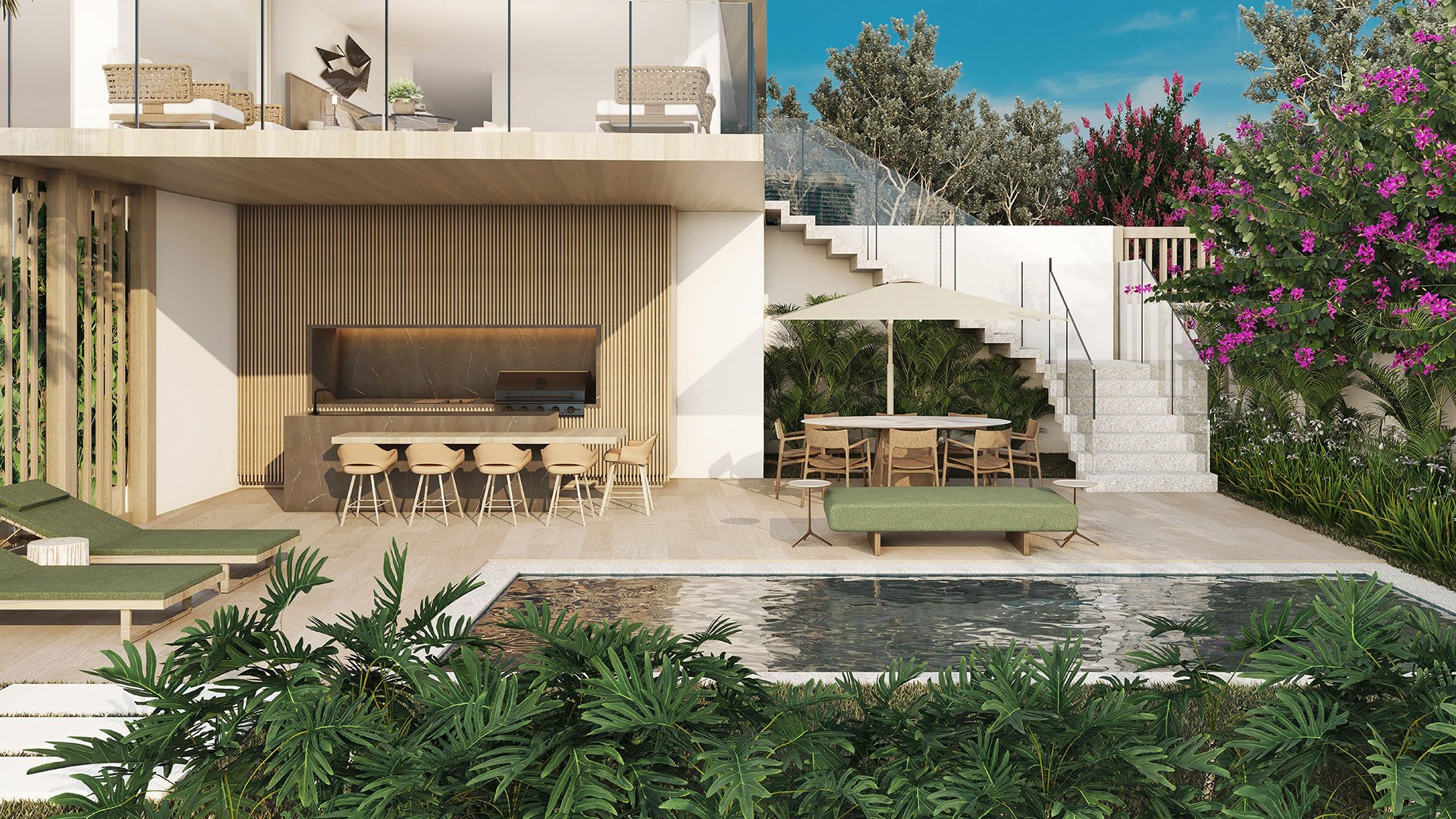
For buyers considering La Maré Bay Harbor Islands or Onda Bay Harbor, private dining is best evaluated as part of a broader ownership experience. The relevant question is not simply whether a space carries a particular label, but how effectively the residence and any shared areas support hosting while preserving residential calm.
A well-composed entertaining environment can give an owner more control over timing, atmosphere, and guest experience than a public venue. Its value depends on practical details, including arrival, circulation, privacy, service access, and the transition between social areas and the home.
A useful comparison begins with the owner’s preferred style of hosting. Some buyers may prioritize intimate gatherings inside the residence, while others may value access to shared settings for occasions that require a different scale or atmosphere.
Buyers should verify the current plans, specifications, access arrangements, and operating details for each project before drawing conclusions. Renderings or amenity names alone do not establish how a space will function in daily use.
The comparison should also account for the experience of residents who are not participating in an event. Entertaining works best in a condominium setting when guest movement, noise, access, and shared circulation are handled without undermining privacy or comfort elsewhere in the building.
The first consideration is the relationship between the residence and any shared entertaining area. A common space is most valuable when it adds a capability the home does not already provide, such as a different atmosphere, additional capacity, or separation between preparation and gathering areas.
Guest arrival is equally important. Buyers can ask how visitors enter, where they wait, how they reach the relevant space, and whether their route intersects unnecessarily with private residential areas. These details help reveal whether an entertaining concept is coherent from arrival through departure.
Operational questions matter as much as design. Prospective owners should confirm reservation procedures, access rules, staffing arrangements, permitted uses, and any applicable costs directly through current project documentation. Those details can determine whether a space will be convenient for occasional hosting or practical for regular use.
Privacy and security are integral to entertaining in a luxury condominium. Controlled access can support a discreet guest experience, but buyers should also consider how the building distinguishes visitors from residents and how shared spaces relate to private areas.
Residential comfort requires balance. A social setting should feel welcoming when in use without making the wider property feel like a public venue. The strongest arrangement is one in which hosting feels natural while the building retains its residential identity.
Buyers should avoid treating privacy as an abstract promise. During due diligence, they can examine entry sequences, elevator access, sightlines, adjacency, and the separation between gathering areas and residences.
The ownership decision need not be limited to two projects. Buyers may also compare Alana Bay Harbor Islands and Origin Bay Harbor Islands when considering how different residential environments address home life and hosting.
The purpose of a broader comparison is not to count amenity labels. It is to identify which project most closely reflects the buyer’s priorities for private space, guest experience, shared facilities, and day-to-day residential comfort.
Private dining and entertaining areas should be judged by use rather than presentation. Buyers can focus on whether the spaces solve a genuine hosting need, connect logically with the residence, and preserve discretion for both hosts and other owners.
This approach keeps the evaluation tied to ownership. Design, access, operations, and privacy should work together, allowing social occasions to unfold without compromising the qualities that make a private residence appealing.
Why should buyers evaluate private dining as part of ownership? It can affect how a residence supports hosting, guest circulation, privacy, and day-to-day convenience.
Do shared entertaining spaces replace dining inside the home? Not necessarily. Their value is often strongest when they complement the residence with a different scale, setting, or function.
What should buyers compare at La Maré and Onda? Buyers should examine current plans, access arrangements, operating details, privacy, and the relationship between residences and shared spaces.
Why does guest circulation matter? A clear arrival and departure sequence can make hosting easier while reducing unnecessary movement through private residential areas.
How does security relate to entertaining? Access controls and visitor procedures can support discretion for hosts, guests, and other residents.
What operational details should buyers verify? Buyers should confirm reservation procedures, access rules, staffing arrangements, permitted uses, and applicable costs in current project documentation.
Are amenity names enough to assess a private dining space? No. Buyers should consider layout, capacity, adjacency, circulation, and practical operating conditions.
Why compare additional Bay Harbor Islands projects? A broader comparison can clarify which residential setting best matches a buyer’s preferences for hosting, privacy, and shared facilities.
What is the most useful standard for evaluating entertaining areas? The space should address a genuine hosting need while fitting naturally into the building’s residential environment.
What is the best way to shortlist comparable options for touring? Start with location fit, delivery status, and daily lifestyle priorities, then compare stacks and elevations to validate views and privacy.
For a discreet conversation and a curated building-by-building shortlist, connect with MILLION.
If branded residences are on your mind — as a home or as an allocation — we would be glad to share what we are seeing, privately.
Begin a quiet conversation