A buyer-focused look at how brand language becomes residential value across Fort Lauderdale, Fisher Island, and North Bay Village, with an emphasis on place, privacy, waterfront identity, and long-term confidence.

In South Florida’s upper tier, buyers are no longer responding only to square footage, views, or a famous name. They are reading residential projects as complete languages. A name, a neighborhood, an arrival sequence, the tone of service, architectural restraint, and the protection of privacy all become part of value. The strongest developments do not merely announce luxury. They make luxury legible.
That distinction matters when comparing Riva Residenze Fort Lauderdale, The Residences at Six Fisher Island, and Tula Residences North Bay Village. Each name sits within a different South Florida context, and each asks buyers to consider how identity, location, and residential promise may reinforce one another. For the ultra-premium audience, the question is not whether a project sounds refined. The question is whether its language can sustain value after the first impression fades.
This is especially relevant in a market shaped by branded residences, boutique waterfront buildings, and lifestyle-driven design. The vocabulary of luxury has become more sophisticated. Buyers are listening for coherence.
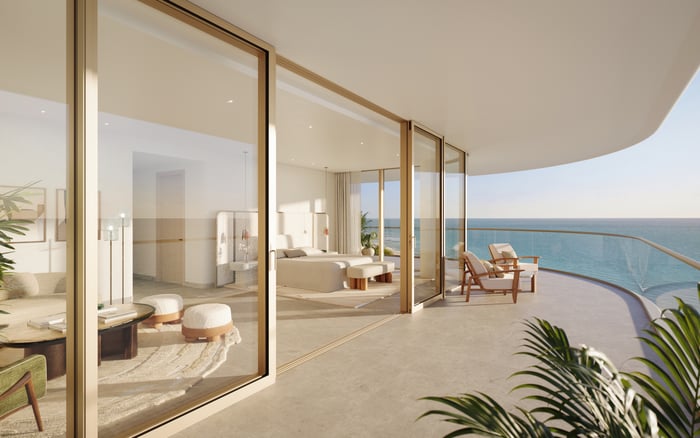
Riva Residenze Fort Lauderdale is one of the named projects in this comparison, and its Fort Lauderdale position gives the conversation a specific tone. Fort Lauderdale has long carried a boating and waterfront identity, but the current luxury cycle has made that identity more residentially nuanced. Buyers are looking for calm, convenience, and a sense of private retreat without giving up access to the city’s cultural and marina-oriented lifestyle.
The name Riva Residenze Fort Lauderdale does important work before a buyer studies a floor plan. It suggests a European-inflected sense of refinement, but the real test is whether that impression fits the local experience. In Fort Lauderdale, brand language gains strength when it is connected to water, movement, ease, and a quieter kind of polish. It should not feel imported as a surface treatment. It should feel translated into the rhythm of the place.
For buyers, this means evaluating whether the building’s public identity, private residences, amenity tone, and daily approach to service are aligned. A name may create aspiration, but residential value depends on execution. When the brand promise is calm, the building should not feel frenetic. When the promise is waterfront elegance, the experience should support view, arrival, privacy, and livability in equal measure.
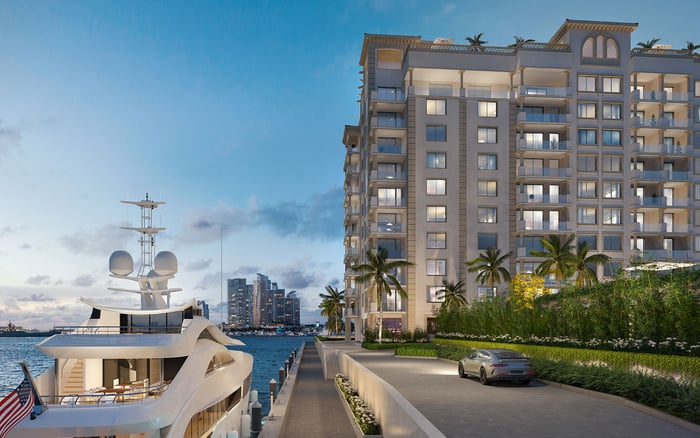
Fisher Island is one of South Florida’s most legible luxury addresses because its value language is already embedded in the place. Privacy, controlled access, and island identity are central to how buyers understand the market there. The Residences at Six Fisher Island enters that context with a name that is direct, understated, and place-forward.
That restraint matters. On Fisher Island, brand language does not need to shout. The address itself carries a strong signal, so a residential project benefits when its identity feels measured rather than ornamental. The phrase The Residences at Six Fisher Island places emphasis on belonging to the island, which can be more powerful than attaching excessive narrative to the building.
For ultra-high-net-worth buyers, scarcity is not simply a pricing concept. It is a lifestyle filter. It asks whether access is limited, whether the surroundings feel protected, and whether the ownership experience can remain discreet over time. In that sense, The Residences at Six Fisher Island illustrates how a project’s value can come from the amplification of place rather than a separate brand overlay.
Buyers considering Fisher Island should read brand language through the lens of continuity. Does the project respect the island’s established cues? Does it feel composed enough for a buyer who values privacy above spectacle? Does the tone suggest permanence? These questions matter because, in a highly selective enclave, incongruent branding can feel louder than luxury itself.
Tula Residences North Bay Village brings the discussion into a different kind of market setting. North Bay Village has drawn attention from buyers who want a bay-oriented lifestyle with proximity to Miami Beach, Miami, and the broader urban core, while still seeking a more residential waterfront cadence. In this kind of location, brand language often has to do more work because the district’s identity is still being interpreted by a new generation of luxury buyers.
That can be an advantage. A project in an evolving waterfront neighborhood has the opportunity to define tone early. Its language can frame how buyers imagine the future of the area, whether that language is wellness-oriented, design-led, discreet, or hospitality-influenced. But buyers should remain disciplined. A name and a promise are only valuable if the physical and operational experience can support them.
With Tula Residences North Bay Village, the prudent buyer focuses on how the project communicates calm, livability, and long-term relevance. The brand language should clarify why this location matters, not merely borrow prestige from nearby markets. When a building can make its neighborhood feel more understandable, it can create a stronger bridge between emerging-area potential and residential confidence.
Brand language becomes residential value when it reduces uncertainty. It helps a buyer understand what the project stands for, who it is meant for, and how the living experience will feel. But language alone is not an asset. The buyer has to test it against fundamentals.
First, study place fit. Riva Residenze Fort Lauderdale should be read in relation to Fort Lauderdale’s waterfront culture. The Residences at Six Fisher Island should be read in relation to Fisher Island’s privacy and scarcity. Tula Residences North Bay Village should be read in relation to North Bay Village’s evolving bayfront identity. A strong project does not fight its setting. It sharpens it.
Second, test consistency. The name, architecture, interiors, amenities, service model, and sales presentation should feel like parts of the same sentence. If the public language is quiet but the experience is loud, there is a disconnect. If the project promises discretion but the design prioritizes spectacle, the value story weakens.
Third, consider resale legibility. Future buyers need to understand the same message quickly. Projects with clear identities often have an advantage because they are easier to explain and easier to remember. This is one reason brand discipline matters. It can make a residence more than a beautiful unit. It can make it part of a recognized residential idea.
South Florida luxury buyers are increasingly sophisticated about the difference between marketing and meaning. They understand that the best buildings are not only visually compelling. They are coherent. They translate lifestyle into architecture and architecture into confidence.
In that environment, Riva Residenze Fort Lauderdale, The Residences at Six Fisher Island, and Tula Residences North Bay Village offer three distinct lenses. Fort Lauderdale emphasizes refined waterfront ease. Fisher Island emphasizes privacy and scarcity. North Bay Village emphasizes the opportunity to shape an emerging bayfront identity. None of these positions should be judged by name alone. Each should be judged by how convincingly the residential experience supports the promise.
For buyers, the most valuable brand language is the kind that still feels true after move-in. It is present in the first arrival, the quiet of the residence, the way a building handles privacy, and the ease with which guests understand the address. In the upper end of the market, that is where the premium lives.
Why does brand language matter in luxury real estate? It helps buyers understand the lifestyle, tone, and long-term positioning of a residence before they compare technical details.
Is brand language the same as branding? Not exactly. Branding is the identity system, while brand language is how that identity is translated into place, design, service, and buyer perception.
How should buyers read Riva Residenze Fort Lauderdale? Buyers should consider how its Fort Lauderdale identity aligns with waterfront living, privacy, and a composed residential experience.
What defines The Residences at Six Fisher Island in this comparison? Its Fisher Island setting makes privacy, scarcity, and discretion central to how buyers may interpret its residential value.
Why is Tula Residences North Bay Village relevant to this discussion? It shows how a project in an evolving bayfront location can use clear language to help buyers understand future residential identity.
Are branded residences always more valuable? Not automatically. Value depends on whether the brand promise is supported by location, design, service, and long-term buyer demand.
What should buyers test first? Place fit. The strongest luxury projects feel inseparable from their neighborhood rather than imposed upon it.
How does waterfront identity affect value? Waterfront positioning can support value when views, privacy, access, and daily livability are all coherently addressed.
Should buyers prioritize name recognition or execution? Execution should lead. A recognizable name can create attention, but the lived experience determines enduring confidence.
What is the best way to shortlist comparable options for touring? Start with location fit, delivery status, and daily lifestyle priorities, then compare stacks and elevations to validate views and privacy.
If you'd like a private walkthrough and a curated shortlist, connect with MILLION.
If branded residences are on your mind — as a home or as an allocation — we would be glad to share what we are seeing, privately.
Begin a quiet conversation