A discreet buyer’s guide to evaluating private dining, service logistics, staffing, rules, residence layouts, and entertaining support before purchasing on Grove Isle.
For a Grove Isle buyer, private dining is rarely about whether a building offers a beautiful room. The more important question is whether the entire property can support the way you actually host. A polished dining salon may photograph well, but successful entertaining depends on arrival choreography, kitchen access, staff coordination, reservation policies, acoustic privacy, and the ease with which guests move from valet to table to terrace.
On an island setting, those details become even more consequential. The appeal is privacy, controlled access, and a sense of removal from the mainland. Yet that same privacy can expose weak service planning if caterers, florists, musicians, drivers, and security teams are not managed with precision. Buyers considering Vita at Grove Isle should think less like amenity tourists and more like hosts: What happens from the first guest arrival to the final service elevator run?
This is where the strongest purchasing questions become practical. A buyer should ask how often private dining spaces may be reserved, whether outside chefs are permitted, how service staff enter and stage, what cleanup windows apply, and how noise or guest limits are managed. These are not minor operational issues. They determine whether a residence supports effortless hospitality or makes every dinner feel like an exception.
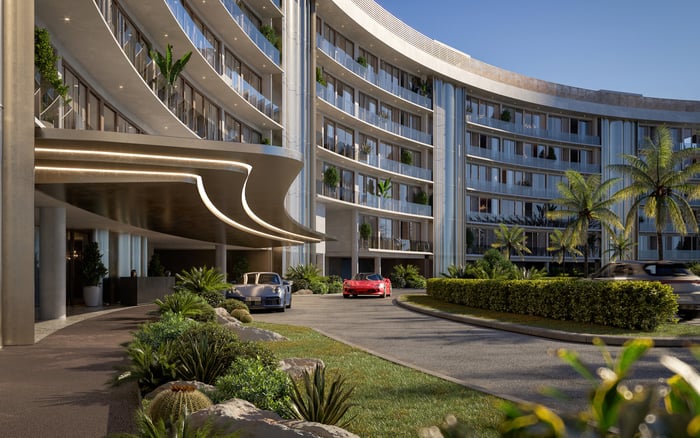
The first test of entertaining support begins before anyone reaches the dining room. In Grove Isle, where the approach itself is part of the experience, buyers should study how guests are greeted, identified, parked, and guided. A strong arrival sequence feels gracious without becoming intrusive. It should also protect residents who are not involved in the event.
Ask whether there is a dedicated plan for larger dinner parties, family celebrations, charity evenings, or catered gatherings. Will valet capacity comfortably absorb invited guests? Is there a clear protocol for rideshare arrivals? Can security pre-clear a guest list without creating a bottleneck? Is there an indoor waiting area during rain? These questions are especially important for waterfront residences, where outdoor entertaining often depends on weather transitions and precise timing.
The best buildings make arrival feel invisible. Staff know who is expected, packages and catering deliveries do not collide with residents, and guests are directed without confusion. If the property cannot describe this sequence clearly, the buyer should assume the service culture is still theoretical.
Private dining is a program, not a room. Before purchasing, buyers should request the reservation rules, cancellation windows, approved hours, deposit requirements, staffing obligations, guest limits, and any food and beverage restrictions. A property may present a dining space as private, but the rules determine whether it works for a spontaneous family dinner, a chef-led tasting, or a formal evening for clients.
Buyers should also clarify the difference between resident use and event use. Some rooms are intended for casual overflow from the residence, while others function more like managed venues. Neither model is inherently superior. The key is alignment with lifestyle. For buyers comparing Coconut Grove options, the correct question is not which project has the most dramatic amenity image. It is which property makes hosting feel calm, predictable, and well governed.
It can be useful to compare the Grove Isle setting with mainland alternatives such as Four Seasons Residences Coconut Grove or Park Grove Coconut Grove, not to rank them, but to understand how different service cultures may shape the same dinner. Island privacy, neighborhood immediacy, and branded hospitality expectations can produce very different entertaining rhythms.
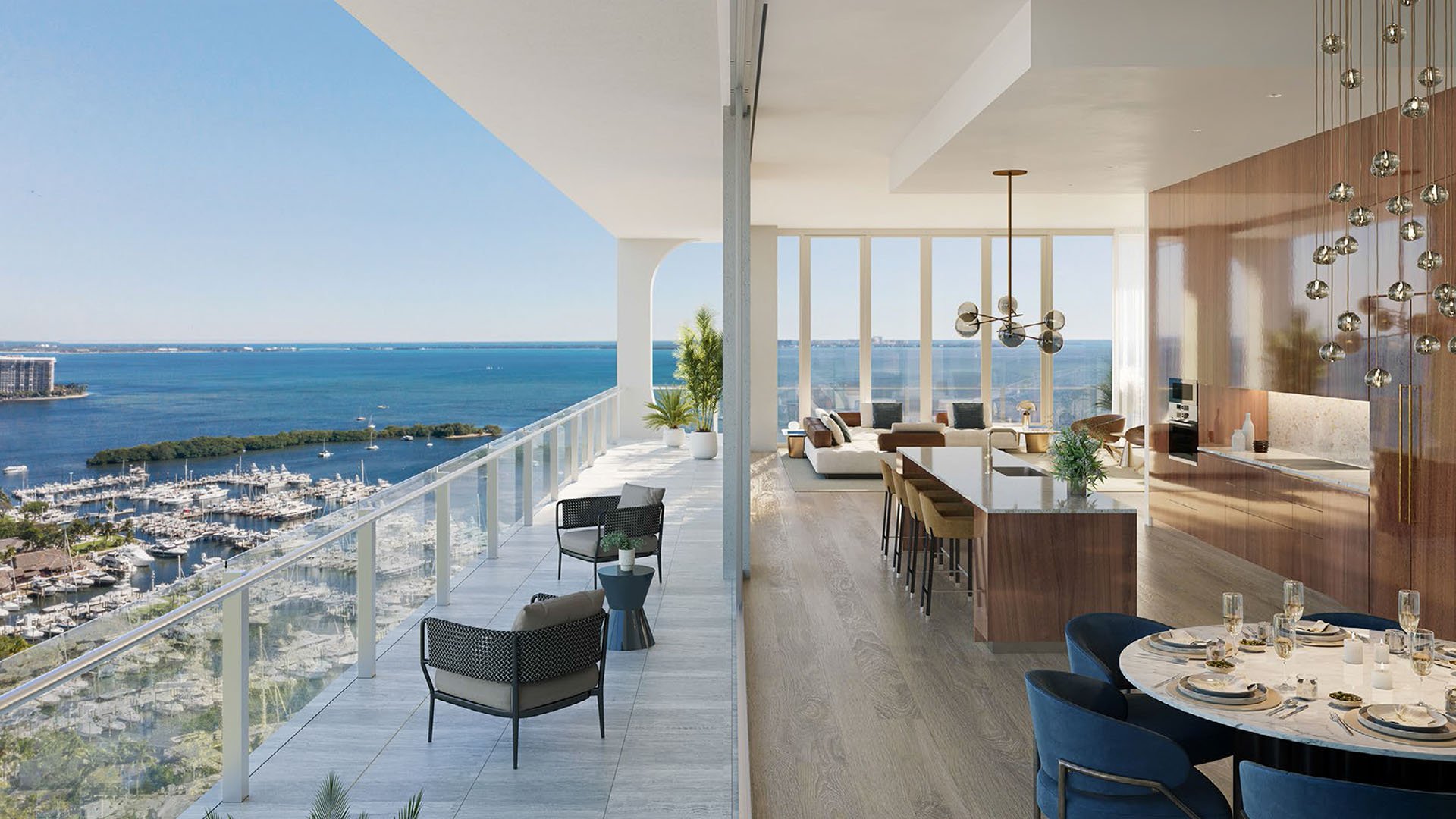
A private dining room is valuable only if the residence itself can host gracefully. Buyers should review the plan with entertaining in mind: entry gallery, powder room placement, kitchen sightlines, staff access, terrace depth, service circulation, and the separation between public and private bedroom areas. A beautiful living room can become awkward if guests must pass too close to family spaces or if catering cannot stage without overtaking the kitchen.
For larger residences, the ideal layout lets a host move naturally between rooms while staff work discreetly. The kitchen should support both family use and event preparation. Storage should accommodate serveware, glassware, linens, and seasonal entertaining pieces. If the terrace is central to the lifestyle, confirm whether doors, seating zones, lighting, and wind exposure can support dining, not only lounging.
Buyers should also think about sound. Dinner parties create layers of noise: music, conversation, service movement, elevator arrivals, and outdoor wind. In a luxury setting, privacy includes acoustic discretion. Ask how the residence is insulated from adjacent homes and how amenity events are separated from private living areas.
Service is the difference between a dinner and a performance. Before committing to a purchase, buyers should understand whether the building provides in-house support, requires outside vendors, or permits a hybrid model. If outside staff are allowed, ask how they are approved, where they park, which elevators they use, where they stage supplies, and how they exit after service.
A strong entertaining platform protects both the host and the building. It gives caterers enough access to work professionally while preserving resident privacy. It keeps service carts out of primary lobbies. It gives management the authority to coordinate timing, security, deliveries, and cleanup. Buyers with a marina lifestyle, frequent boat days, or visiting guests should be especially attentive to how casual daytime hospitality transitions into evening entertaining.
Do not overlook staff quarters and support spaces within the residence. Even buyers who do not employ full-time household staff may rely on chefs, assistants, housekeepers, drivers, or event teams. The more often you host, the more valuable discreet back-of-house circulation becomes.
Luxury buyers often focus on finishes first and rules later. For private dining, the order should be reversed. Review the condominium documents and house rules for guest counts, music, alcohol service, catering, deliveries, decor, smoking, pets, insurance, deposits, and damage responsibility. Ask whether holiday dates are handled differently and whether residents may reserve multiple spaces at once.
Fees matter less than clarity. A meaningful charge may be reasonable if it includes staffing, setup, cleaning, and security. A low fee may be less attractive if every service element must be arranged separately. Buyers should ask for a sample event estimate so they can understand the real cost of hosting.
Control also matters. If a resident wants a quiet anniversary dinner, can the room be made intimate? If the goal is a larger celebration, can the space expand? Are there preferred vendor requirements? Are religious, cultural, or dietary needs easily accommodated? A serious entertaining buyer should ask these questions early.
Grove Isle has a specific emotional proposition: privacy near Coconut Grove, water around you, and a residential atmosphere that feels set apart. That proposition is powerful for buyers who entertain selectively rather than constantly. The right home should allow a host to create memorable evenings without importing the energy of a hotel ballroom or a public restaurant.
For that reason, the most attractive entertaining support is often understated. It is the security team that anticipates arrivals, the service elevator that never interrupts the lobby, the dining room that feels residential rather than commercial, and the terrace plan that lets a dinner breathe. Buyers considering nearby options such as The Well Coconut Grove or Mr. C Tigertail Coconut Grove should use the same lens: privacy, service predictability, and whether the building’s lifestyle matches the way they gather.
The best purchase decision is not made by counting amenities. It is made by rehearsing life. Imagine a chef arriving at four, flowers arriving at five, guests arriving at seven, dessert moving to the terrace at nine, and the home returning to silence by midnight. If the building can support that sequence elegantly, private dining becomes more than an amenity. It becomes part of the residence’s value.
What should I ask first about private dining before buying in Grove Isle? Start with reservation rules, guest limits, staffing requirements, catering access, and any fees tied to setup, cleaning, or security.
Is a private dining room enough to justify a purchase decision? No. The room matters, but the service model, residence layout, and building rules determine whether it works in real life.
Should I review condominium rules before making an offer? Yes. Rules can affect guest counts, music, alcohol service, vendor access, event timing, and the total cost of hosting.
How important is valet and guest arrival planning? It is essential. A gracious event begins with smooth arrival, clear security coordination, and minimal disruption to other residents.
Can outside chefs or caterers usually be used? Policies vary by property, so buyers should confirm vendor approval, insurance, delivery routes, staging areas, and cleanup rules.
What residence features matter most for entertaining? Look for a strong entry sequence, well-placed powder room, serviceable kitchen, terrace usability, storage, and privacy from bedrooms.
How should I evaluate outdoor dining potential? Consider terrace depth, wind exposure, lighting, seating flexibility, sound, and how quickly an outdoor plan can move inside.
Are private dining fees a red flag? Not necessarily. Clear fees can be preferable when they include staffing, cleaning, security, and predictable event support.
Why is Grove Isle different from mainland Coconut Grove for hosting? The island setting can offer a more private atmosphere, making access control and service choreography especially important.
What is the best way to test whether a building supports entertaining? Walk through a sample dinner timeline with management, from vendor arrival and guest check-in to cleanup and departure.
For a confidential assessment and a building-by-building shortlist, connect with MILLION.
If branded residences are on your mind — as a home or as an allocation — we would be glad to share what we are seeing, privately.
Begin a quiet conversation