A discreet buyer’s guide to developer warranty obligations in Hillsboro Beach luxury real estate, with practical questions for contracts, finishes, building systems, claims, turnover and coastal ownership risk.
In the rarefied market for Hillsboro Beach luxury real estate, buyers often focus on views, privacy, architecture, service and finishes. Those elements matter, but they are only part of the acquisition. The more durable question is quieter: what, precisely, is the developer obligated to stand behind after closing?
That question carries particular weight in coastal ownership, where salt air, wind exposure, waterproofing, glazing, terraces, mechanical systems and common-area components all have practical consequences. A warranty is not simply a comfort document. It is a map of responsibility. It tells a buyer who answers the phone, what is covered, what is excluded, how long the obligation lasts and what evidence is required when something does not perform as expected.
For Hillsboro Beach buyers comparing a boutique oceanfront purchase with broader Broward options, the strongest position is to ask detailed questions before signing, again before closing and once more before the association turnover process is complete. That discipline can be as important as selecting the right floor plan.
The first mistake is assuming there is one warranty. In a luxury condominium or branded residence, there may be several overlapping obligations. The developer may provide a limited warranty. Contractors and subcontractors may stand behind certain work. Manufacturers may warrant appliances, fixtures, elevators, glazing systems, smart-home components or mechanical equipment. Separate brand standards may shape service expectations, but they do not automatically replace legal warranty language.
Ask for a written schedule that identifies each warranty category. The schedule should clarify whether coverage applies to the private residence, limited common elements, general common elements or association-controlled systems. This matters because a terrace, window wall, private elevator vestibule, garage component or amenity system may not be treated the same way as interior cabinetry or a kitchen appliance.
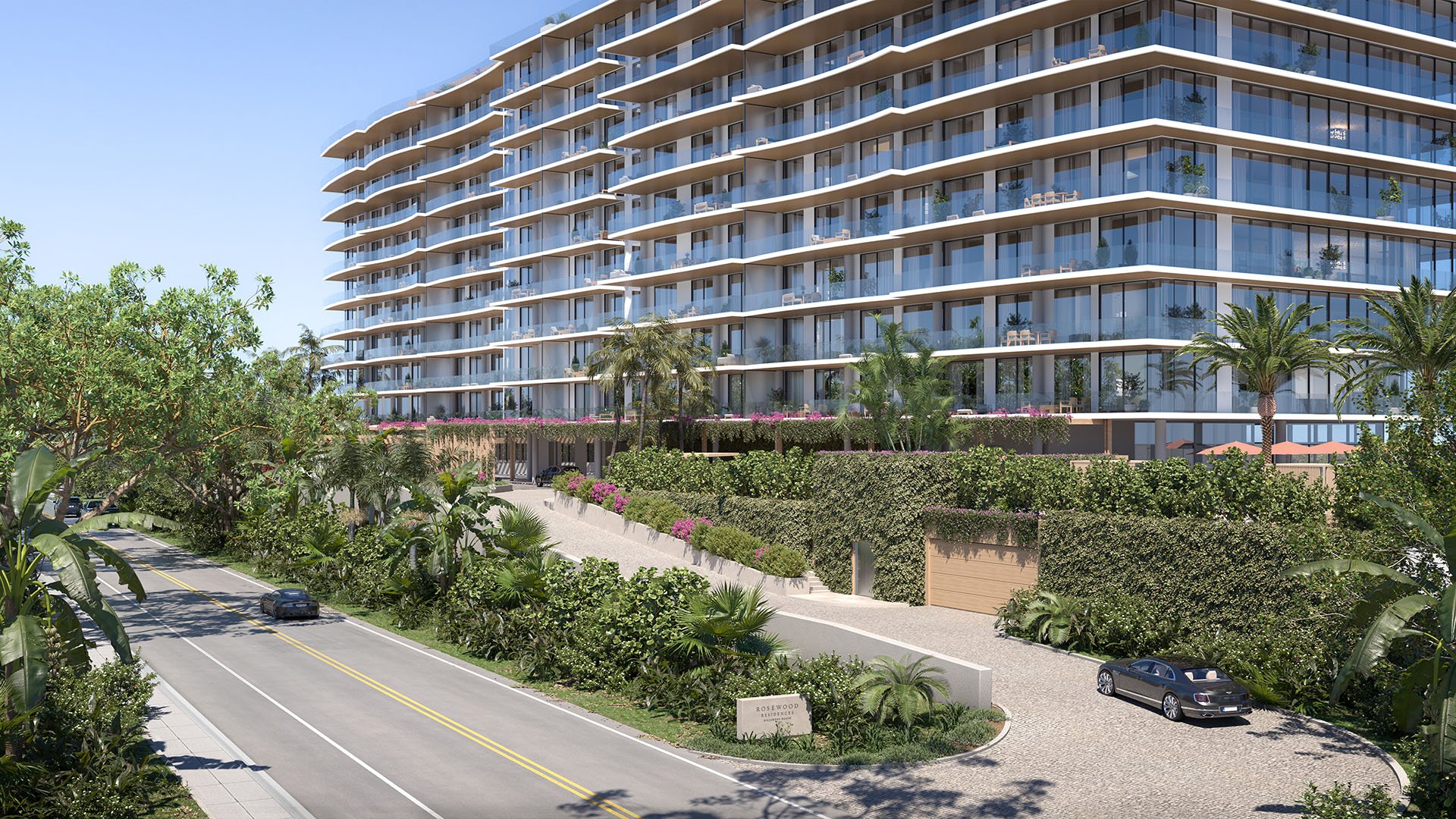
A buyer considering Rosewood Residences Hillsboro Beach, for example, should evaluate the warranty package with the same care given to service programming and design. The document set should explain not only what is promised, but also how a claim is submitted, reviewed and resolved.
The name on the brochure is not always the entity responsible under the contract. Before buying, ask which legal entity is the developer, which entity provides the limited warranty and whether any guaranty supports that obligation. If a sales representative describes a warranty verbally, request the same commitment in the purchase documents or an official addendum.
Important questions include: Is the warranty backed by the developer entity only? Are contractor warranties assigned to the association or to owners? Does the buyer receive manufacturer warranty information at closing? Are claims handled by an on-site team, a management office, a third-party administrator or the developer directly?
Luxury buyers should also ask whether warranty responsibilities change after association turnover. In many projects, the developer’s role evolves once unit sales progress and control transfers. The time to understand that transition is before the closing package is complete, not after a board meeting has become contentious.
Interior warranty coverage should be reviewed line by line. Ask about flooring, stone, millwork, cabinetry, plumbing fixtures, electrical fixtures, low-voltage systems, HVAC equipment serving the residence, built-in appliances, door hardware, paint, waterproofing at wet areas and any smart-home integration.
The key is to distinguish defects from ordinary wear, owner damage, maintenance failures and natural material variation. In luxury interiors, stone veining, wood movement and custom finish tolerances can become disputed if expectations are not documented. Ask whether there are standards for acceptable finish conditions at delivery. If there is a punch list, confirm the deadline for submitting it and the process for verifying completion.
In oceanfront and new-construction purchases, private outdoor spaces deserve special attention. Ask whether terrace drainage, railings, exterior doors, glazing, shutters if any and waterproofing assemblies are treated as owner items, limited common elements or association components. The distinction can determine who has authority to repair and who pays.
In a luxury tower, the most consequential warranty questions often involve systems the individual owner does not control. Elevators, roof assemblies, façade components, pool systems, garage areas, fire-safety systems, domestic water systems, generators, security technology and amenity infrastructure can all affect living quality and future association budgets.
Ask whether the association receives a complete package of system warranties, maintenance manuals, commissioning records and contractor contacts. Ask who tracks warranty expiration dates and whether required maintenance must be performed by approved vendors to preserve coverage. A warranty can lose value if the association fails to follow maintenance procedures.
Buyers comparing coastal properties such as Armani Casa Residences Pompano Beach or The Ritz-Carlton Residences® Pompano Beach should consider how building-system obligations are described in the governing documents, not merely how amenities are presented. A serene arrival sequence and a beautiful pool deck are only as strong as the maintenance and warranty framework behind them.
A refined warranty process is specific. It should state where a claim is sent, what information is required, how quickly it is acknowledged, how access is scheduled, who determines whether the item is covered and what happens if the parties disagree.
Ask whether emergency conditions are handled differently from non-urgent finish items. Water intrusion, electrical problems and life-safety issues should have a clear escalation path. For non-emergency matters, ask whether the developer has a target response period and whether repairs are performed by original contractors or replacement vendors.
Documentation matters. Buyers should keep closing records, photos, inspection notes, punch-list confirmations, appliance documents and correspondence. For seasonal owners, it is also prudent to designate a local representative who can provide access, monitor conditions and respond quickly if an issue emerges while the residence is unoccupied.
Exclusions are where many warranty disputes begin. Common exclusions may include owner alterations, misuse, lack of maintenance, normal wear, cosmetic conditions not reported within a required window, damage caused by third parties, improper humidity control or work performed by unauthorized vendors. The exact language in the contract controls, so it should be reviewed with counsel.
Ask whether installing custom closets, lighting, art systems, motorized shades, wall coverings or audio-visual upgrades could affect coverage. In luxury residences, post-closing customization is common. A buyer should understand whether a designer’s contractor can penetrate ceilings, modify millwork, relocate fixtures or adjust smart-home systems without compromising warranty rights.
The best approach is to coordinate improvements with the association and warranty team before work begins. Written approvals, contractor insurance, scope drawings and product specifications may feel administrative, but they preserve clarity.
The pre-closing walkthrough is not ceremonial. It is the buyer’s opportunity to document delivery condition. Bring a qualified inspector or owner’s representative who understands high-end residential construction. Open doors, run water, test appliances, check outlets, inspect stone, review millwork alignment, examine terrace drainage and confirm HVAC operation.
If a punch list is created, ask whether unresolved items survive closing in writing. Confirm who signs the punch list, who receives it and how completion is verified. If access is needed after closing, clarify whether the owner must be present or whether management can coordinate entry.
For buyers also studying completed coastal buildings such as 2000 Ocean Hallandale Beach, the same principle applies in a different way: understand what warranties remain, what has expired and whether the association has records of any building-wide claims or repairs. Resale elegance does not eliminate the need for documentary review.
Developer warranty obligations sit at the intersection of contract law, construction quality, association governance and long-term ownership. A buyer should involve a real estate attorney, inspector, insurance advisor and, when appropriate, an owner’s representative or engineer. This is not about creating friction. It is about matching the scale of the acquisition with the scale of the diligence.
A strong advisory team will ask whether warranty rights are assignable, whether dispute resolution provisions limit remedies, whether notice deadlines are strict and whether association-controlled claims differ from individual owner claims. They will also review whether the documents distinguish statutory protections from purely contractual promises.
For a Broward buyer’s guide perspective, the objective is not to make the purchase feel less glamorous. It is to protect the qualities that make the residence desirable: quiet enjoyment, architectural integrity, predictable ownership and confidence in the building’s long-term stewardship.
What is the first warranty question a Hillsboro Beach buyer should ask? Ask who is legally responsible for each warranty obligation and where that obligation appears in the signed documents.
Is a developer warranty the same as an appliance warranty? No. Developer, contractor and manufacturer warranties may be separate, with different procedures, exclusions and deadlines.
Should warranty terms be reviewed before signing a contract? Yes. The best time to negotiate clarity is before the buyer is bound and before closing pressure begins.
Do terrace and window issues always belong to the unit owner? Not always. The governing documents should clarify whether those components are unit property, limited common elements or common elements.
Why does association turnover matter? Turnover can affect who controls records, systems, claims and vendor relationships after the developer’s role changes.
Can custom post-closing work affect warranty rights? Yes. Unauthorized alterations or improper installations may create exclusions, so approvals should be documented before work begins.
What should be documented during the walkthrough? Photograph conditions, test systems, note finish issues and make sure any punch-list items are acknowledged in writing.
Are verbal warranty promises enough? No. Buyers should rely on written contract language, official warranty documents and signed addenda.
Who should review warranty documents for a luxury purchase? A real estate attorney should review the legal language, while inspectors or technical advisors evaluate construction and systems.
Is this diligence only for new construction? No. Resale buyers should also confirm what warranties remain, what has expired and what claims history the association can provide.
For a discreet conversation and a curated building-by-building shortlist, connect with MILLION.
If branded residences are on your mind — as a home or as an allocation — we would be glad to share what we are seeing, privately.
Begin a quiet conversation