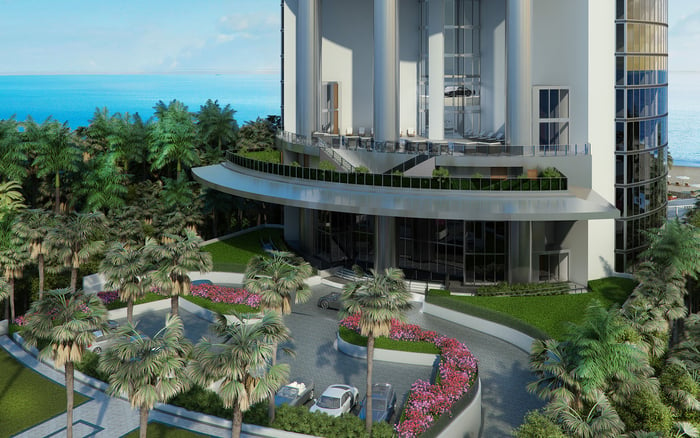
A buyer-focused guide to evaluating emergency power, generator scope, outage planning and documentation before purchasing at The Ritz-Carlton Residences® Sunny Isles.
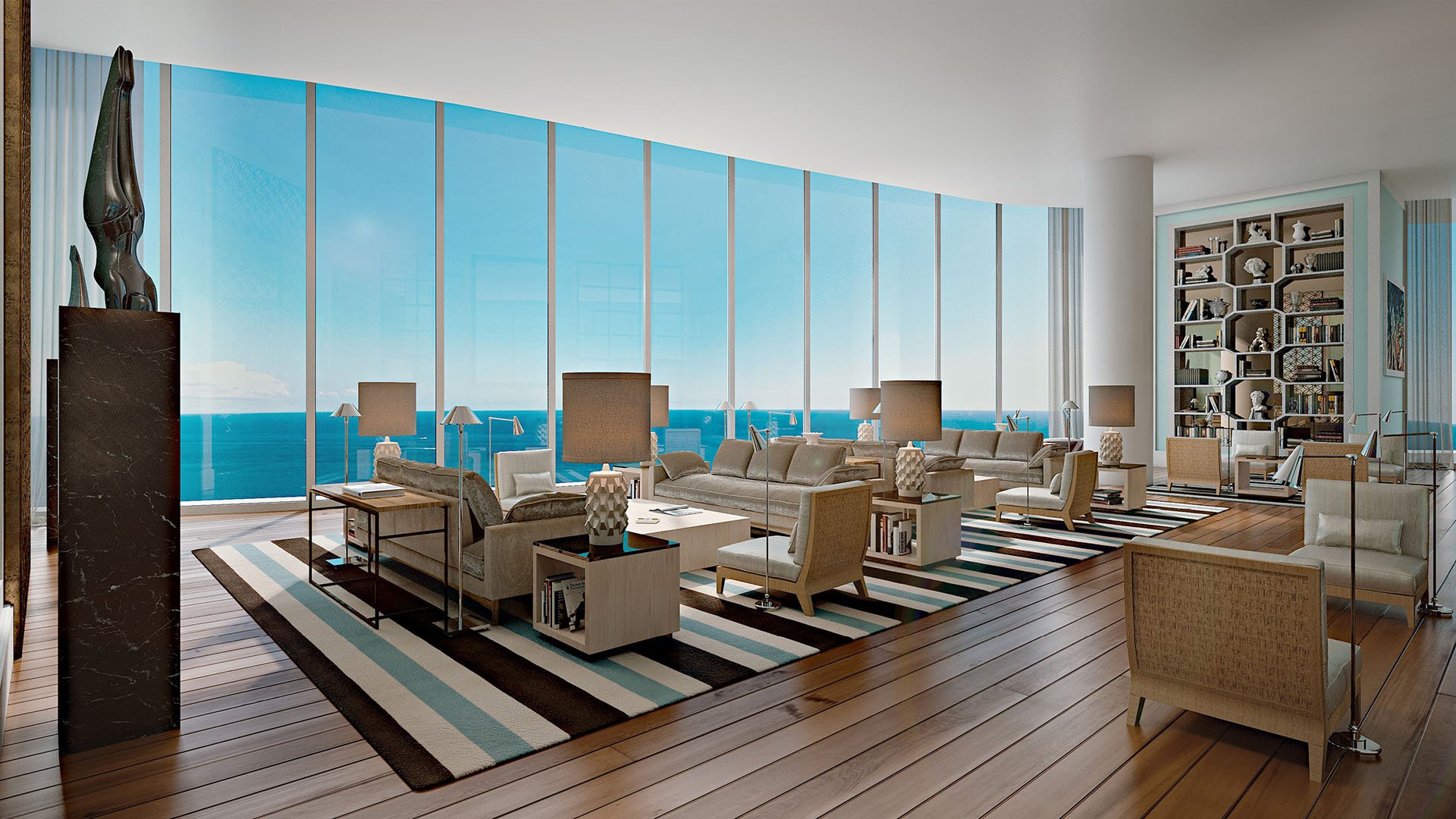
At The Ritz-Carlton Residences® Sunny Isles, the essential question is not whether the tower has a generator. A serious buyer should ask what that generator powers, for how long, under whose supervision, and where the obligation is documented. In an oceanfront market where storms, grid interruptions, and vertical living converge, emergency power is not a back-of-house detail. It is part of the lived experience of ownership.
The same principle applies across Sunny Isles Beach, where ultra-luxury buyers routinely compare architecture, service culture, views, and privacy. At The Ritz-Carlton Residences® Sunny Isles, emergency-power diligence should sit beside finish schedules and amenity programming. For a buyer evaluating oceanfront living, resilience is a form of discretion: the building either has a documented plan for continuity, or the buyer is relying on assumption.
The first request should be a written schedule of emergency-power loads. Ask exactly which systems are connected: elevators, life-safety systems, domestic water pumps, fire pumps, smoke-control systems, corridor lighting, access-control systems, resident communications, security operations, and any cooling in designated areas. The answer should be specific enough to distinguish code-required life-safety loads from broader comfort or continuity loads.
That distinction matters. A tower may maintain emergency lighting and fire-safety equipment without supporting the conveniences residents expect during a prolonged outage. Conversely, a more robust continuity plan may prioritize water pressure, limited elevator use, selected communications, and certain controlled interior zones. Buyers should not infer one from the other. Ask for the emergency-power one-line summary, load schedule, or management explanation that makes the hierarchy clear.
In high-rise ownership, vertical transportation is one of the defining resilience questions. Buyers should ask whether at least one elevator remains operational on generator power, and for what purposes: emergency access, resident movement, firefighter use, medical response, or a combination. A luxury tower can be beautifully staffed, but if every elevator is offline during an outage, the experience changes immediately.
Water is the second essential issue. Ask whether domestic water pressure and booster pumps are included in the emergency-power scope, and whether fire pumps and smoke-control systems are also supported. For older buyers, families with small children, residents with medical needs, or owners who intend to remain in place after a storm, these answers are not abstract. They shape whether the residence remains viable when the grid is interrupted.
Comparable diligence is useful when studying other branded and oceanfront addresses, from St. Regis® Residences Sunny Isles to Bentley Residences Sunny Isles. The comparison should not be about slogans. It should be about documented systems, defined loads, and operational responsibility.
Many buyers assume backup power automatically extends into the private residence. That assumption should be tested. Ask whether emergency power is limited to common areas and life-safety systems, or whether any in-unit circuits are supported. Relevant examples include refrigerator circuits, minimal lighting, medical-equipment circuits, or other limited-use receptacles.
If unit-level power is not provided, that does not make the building deficient by itself. It simply defines the operating standard. If some residence-level support exists, ask where it is identified, what capacity limits apply, and whether all units are treated the same. For purchasers comparing Branded Residences, clarity is more valuable than a vague assurance.
Cooling deserves the same precision. Ask whether emergency power supports limited air conditioning in any refuge areas, lobby zones, amenity spaces, or back-of-house operations. Do not assume that generator power means air-conditioned residences. In South Florida, the distinction between powered safety systems and powered comfort systems is central.
The next layer is capacity. Buyers should request generator capacity, fuel type, fuel-storage volume, and estimated runtime under both full and prioritized loads. The most useful answer is not a single number. It is a range tied to a load-management plan.
Ask whether the building has a written load-prioritization plan. During a short interruption, many systems may remain active. During a prolonged outage, management may need to shed lower-priority loads to preserve life-safety, water, communications, or vertical-transportation functions. A credible plan identifies what stays on, what can be reduced, and who makes that decision.
Fuel logistics are especially important for Sunny Isles Beach because it is an oceanfront barrier-island market. Refueling access, staffing, security, post-storm access, and vendor response are all part of the real standard. A generator that exists on paper is not the same as a continuity plan supported by fuel management, service contracts, and storm procedures.
Emergency power is only as reliable as its maintenance. Buyers should request records for generator testing, preventive maintenance, fuel-quality management, service agreements, and any recent load-bank testing. The purpose is not to turn the purchaser into an engineer. It is to understand whether the building treats emergency power as a live operational system or as equipment that receives attention only when a storm approaches.
This is where governance becomes material. Ask who controls emergency-power standards after closing: the condominium association, building management, brand operator, third-party engineers, or a combination. Then ask where those duties are documented. The strongest answers appear in condominium documents, operating manuals, reserve planning, service-level commitments, or board-approved procedures.
For buyer's guides in the ultra-premium segment, the lesson is consistent: oral assurances are not enough. A purchaser should want the standard in writing, particularly when the decision involves a full-time residence, a second home used seasonally, or a property intended for multigenerational stays.
Emergency-power diligence becomes sharper when buyers compare The Ritz-Carlton Residences® Sunny Isles Sunny Isles with other luxury submarkets. Miami Beach buyers may ask similar questions at The Ritz-Carlton Residences® Miami Beach. Brickell buyers evaluating vertical living at The Residences at 1428 Brickell may focus on urban grid continuity, elevator planning, and refuge-area conditioning. Bal Harbour and Surfside buyers may bring a different lens, with oceanfront exposure and limited access routes shaping the conversation.
The point is not to declare one building superior without verified documents. It is to establish a standard of questioning. The buyer who asks only about marble, ceiling heights, and amenity decks is missing a central dimension of ownership. The buyer who asks about runtime, load hierarchy, water pressure, communications, and refueling logistics is seeing the building as an operating environment.
Before contract or during diligence, ask for a concise emergency-power package. It should identify powered systems, generator capacity, fuel type, fuel-storage approach, estimated runtime, elevator coverage, water and fire-system support, communications continuity, limited cooling if any, testing history, and governance responsibility.
Then ask whether the building maintains a written hurricane and extended-outage plan covering refueling logistics, staffing, security, resident communications, and post-storm restart procedures. In a luxury residence, the plan should not feel improvised. It should read like part of the building’s service discipline.
Is it enough to ask whether the building has a generator? No. Ask what the generator powers, how long it can run, and which systems are prioritized.
Should buyers ask about elevator service during an outage? Yes. Confirm whether at least one elevator is expected to operate on emergency power and for what purpose.
Does emergency power always support air conditioning? Not necessarily. Ask whether cooling applies to refuge areas, lobbies, amenities, back-of-house spaces, or residences.
Can emergency power reach individual residences? It depends on the building standard. Ask whether any in-unit circuits, such as refrigeration or medical-equipment circuits, are supported.
Why is water pressure part of the conversation? Domestic water and booster pumps can affect livability in a high-rise outage, especially during prolonged interruptions.
What maintenance records should a buyer request? Ask for testing, preventive maintenance, fuel-quality management, service contracts, and recent load-bank testing records.
Who controls emergency-power standards after closing? Responsibility may sit with the association, management, brand operator, engineers, or a combination of parties.
Where should emergency-power obligations be documented? Look for them in condominium documents, operating manuals, reserve plans, or service-level commitments.
Why does Sunny Isles Beach require special attention? It is a barrier-island oceanfront market, so fuel access, storm logistics, and elevator continuity are core ownership issues.
How should buyers compare The Ritz-Carlton Residences® Sunny Isles with other towers? Compare documented emergency-power scope, runtime, load prioritization, water support, maintenance culture, and governance.
For a confidential assessment and a building-by-building shortlist, connect with MILLION.
If branded residences are on your mind — as a home or as an allocation — we would be glad to share what we are seeing, privately.
Begin a quiet conversation