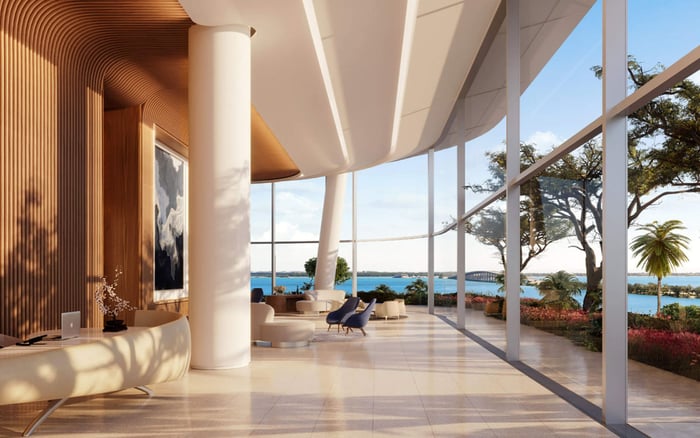
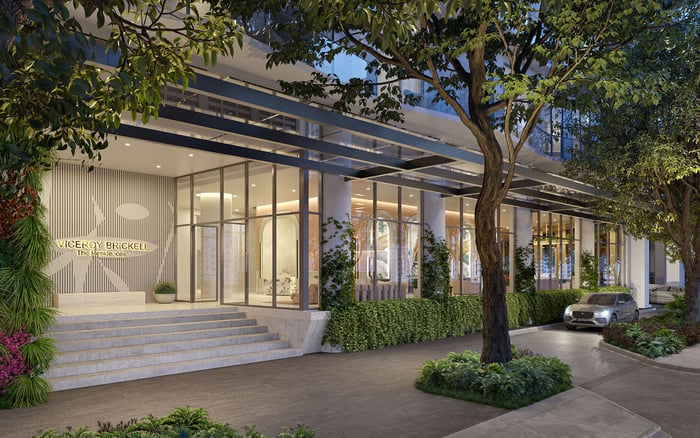
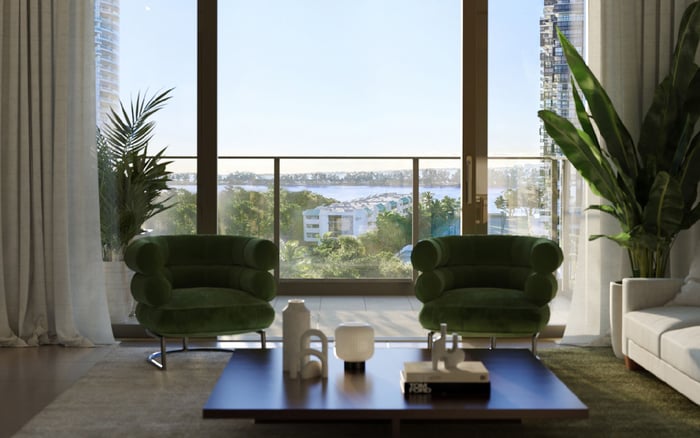
A buyer-focused guide to evaluating natural light, bay glare, balcony comfort, privacy, and durable view corridors at Una Residences Brickell.
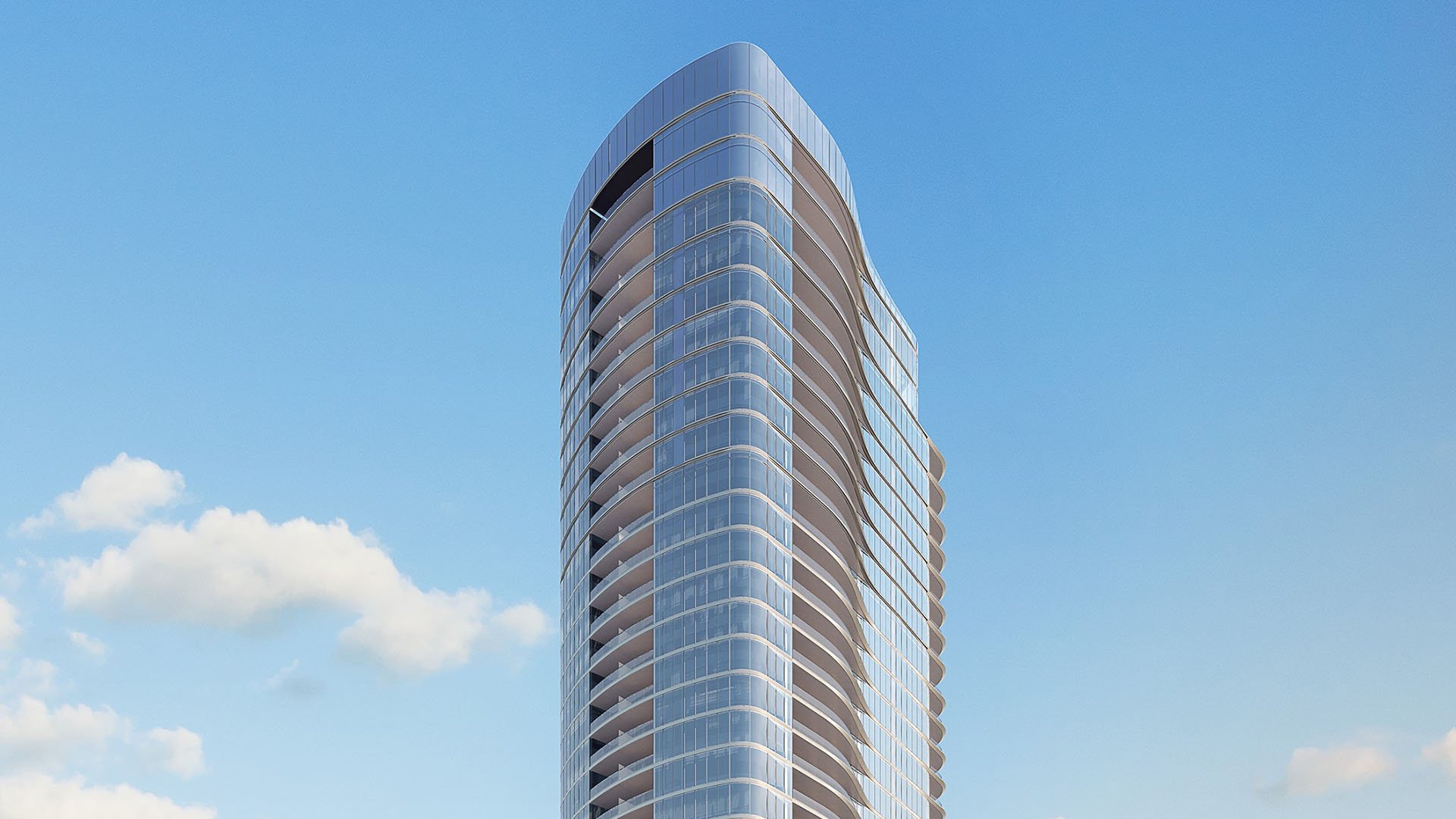
At Una Residences Brickell, the defining visual amenity is not simply whether a residence faces the water. It is how light enters the home, how Biscayne Bay reflects through the glass, how adjacent towers frame the sightline, and whether the view corridor has long-term integrity. For buyers at the top of the Brickell market, those details can shape daily comfort as much as pricing discipline.
Una Residences Brickell is positioned as a luxury waterfront condominium in Miami’s Brickell neighborhood, making light, glare, and views central to the buying decision. The bayfront setting gives Biscayne Bay views particular weight, especially where east-facing sightlines remain open. Yet “waterfront” should never replace stack-specific analysis. A direct bay panorama, an angled bay exposure, a skyline composition, and a partial-obstruction view are distinct assets, even when they appear similar on a floor plan.
A serious review begins outside the glass. Buyers should identify exactly what is visible from the selected residence, not just from the building generally. The most valuable corridors are typically those with durable open-water exposure, rather than views dependent on narrow gaps between neighboring towers.
Brickell’s dense high-rise setting means nearby buildings can affect perceived openness, privacy, reflected glare, and long-term confidence. That is why buyers comparing Una with nearby luxury addresses such as St. Regis® Residences Brickell or Cipriani Residences Brickell should be careful not to compare view labels alone. Two residences can both be described as bay-facing, while one has a broad, open field of vision and the other relies on a more constrained corridor.
For lower- and mid-level residences, this exercise becomes even more important. Nearby structures and future development can have a larger visual impact at those elevations. Higher-floor residences may offer broader horizon and bay exposure, but the exact sightline still depends on the selected stack. Height can feel expansive, but it is not a substitute for verifying the real view from the actual residence.
Una’s glass-forward architecture can produce strong natural light, a major advantage for buyers who want luminous interiors. The question is whether that light remains comfortable at the specific floor, exposure, and time of day.
Water can intensify brightness. Biscayne Bay may reflect light into interiors and onto terraces, which means glare control should be reviewed alongside the view itself. Morning conditions can differ sharply from late-afternoon conditions, and relocating buyers from less sun-intensive markets should test the residence in person when possible.
The best walkthrough is practical. Stand where the main sofa would sit. Check the likely dining position. Imagine a home office screen near the glass. Consider whether art walls receive direct daylight. A beautiful water view can become a daily irritation if screen visibility, heat comfort, or artwork protection are not addressed in the interior plan.
The balcony is often where the romance of a waterfront residence becomes tangible. It is also where buyers should be most unsentimental. A balcony that photographs beautifully may perform differently under strong sun, reflected bay light, or cross-views from neighboring towers.
At Una, buyers should evaluate whether outdoor spaces feel usable in bright conditions. Is there enough depth and geometry to create comfortable seating? Does the exposure invite morning coffee but discourage afternoon use? Does reflected light off the bay make the space feel brilliant in a desirable way, or harsh at certain hours?
The same logic applies when comparing newer Brickell offerings such as The Residences at 1428 Brickell or neighborhood-scale alternatives like 2200 Brickell. The more refined question is not which project has more glass or stronger views. It is which specific residence offers the most balanced relationship between daylight, privacy, outdoor comfort, and long-term visual security.
Luxury buyers often focus on finishes, appliance packages, ceiling heights, and amenity programs. At a bayfront glass residence, the interior strategy deserves equal attention. Strong daylight can shape how a room lives after move-in.
Window treatments should be evaluated early, especially for bedrooms, media areas, and workspaces. Furniture placement should respond to glare, not fight it. Art-heavy interiors may require more thoughtful wall selection and light protection. If a buyer expects to use a room as a daily office, screen visibility should be tested before assuming that the most dramatic window wall is also the most functional desk location.
This is not an argument against bright interiors. It is a reminder that premium light must be managed. The best residences combine openness with control: daylight without discomfort, water views without constant glare, and transparency without the feeling of exposure.
For resale, the durability of the view corridor may matter as much as the finish level. Waterfront and skyline views are central to Una’s luxury positioning, so buyers should assign the highest premium to sightlines that are not overly dependent on temporary gaps or fragile angles.
That does not mean every buyer needs the broadest direct bay view. Some may prefer skyline drama, western light, or a more layered urban composition. The key is to price the residence according to the strength and security of its view, not according to a generic waterfront category.
A disciplined buyer should ask for stack-specific floor plans, view studies when available, and current construction context around the site. The strongest due diligence combines floor height, orientation, balcony geometry, neighboring buildings, privacy exposure, reflected glare, and long-term development risk.
Before assigning a premium to a Una residence, compare direct bay views, angled bay views, skyline views, and partial-obstruction views side by side. Tour at more than one time of day if possible. Stand in the principal living areas and consider how the light will feel during daily use, not just during a brief showing.
Ask whether the view is primarily open water or filtered through nearby towers. Study how the balcony performs in bright conditions. Consider whether window treatments will be aesthetic enhancements or functional necessities. For buyers who entertain frequently, evaluate whether glare will affect dining, conversation areas, and evening ambiance.
The most successful purchase at Una is likely to be the one where the buyer understands the tradeoffs clearly. Light can be a luxury. Glare can be a cost. A view can be an asset, a compromise, or a future risk. In Brickell, where the skyline is dense and the bay is spectacular, the difference is in the details.
Why are light and glare so important at Una Residences Brickell? Una’s bayfront position and glass-forward design can create strong natural light, so buyers should evaluate comfort, reflections, and daily usability.
Is a direct Biscayne Bay view always better than an angled view? Not always. A direct bay view may command a premium, but an angled view can still be compelling if it has openness, privacy, and limited obstruction risk.
Should lower-floor residences be evaluated differently? Yes. Lower- and mid-level residences generally need closer review because nearby buildings and future development can affect views more significantly.
Do higher-floor residences eliminate view-corridor concerns? No. Higher-floor homes may offer broader horizon exposure, but buyers should still verify the exact stack, orientation, and sightline.
How can buyers test glare during a tour? Visit at different times of day when possible, then check seating areas, office locations, screen visibility, and balcony comfort.
What makes a view corridor more durable? Open-water exposure is generally stronger than a view that depends on a narrow gap between surrounding towers.
Should window treatments be planned before closing? Yes. Strong daylight can affect bedrooms, media rooms, home offices, furniture placement, and art protection.
Can a beautiful balcony still be difficult to use? Yes. Reflected light, heat comfort, privacy, and exposure can all affect how practical a balcony feels day to day.
How should buyers compare similar floor plans at Una? Compare floor height, orientation, balcony geometry, neighboring towers, view type, glare, and long-term development context.
Does view security affect resale value? Yes. In a waterfront Brickell building, the confidence and quality of the view corridor can be a major component of future appeal.
When you're ready to tour or underwrite the options, connect with MILLION.
If branded residences are on your mind — as a home or as an allocation — we would be glad to share what we are seeing, privately.
Begin a quiet conversation