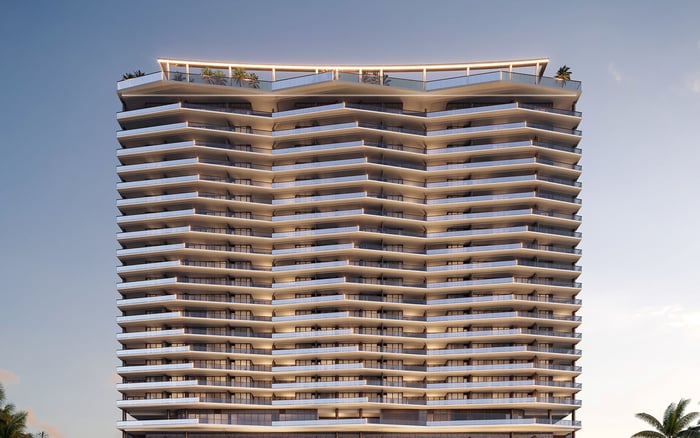
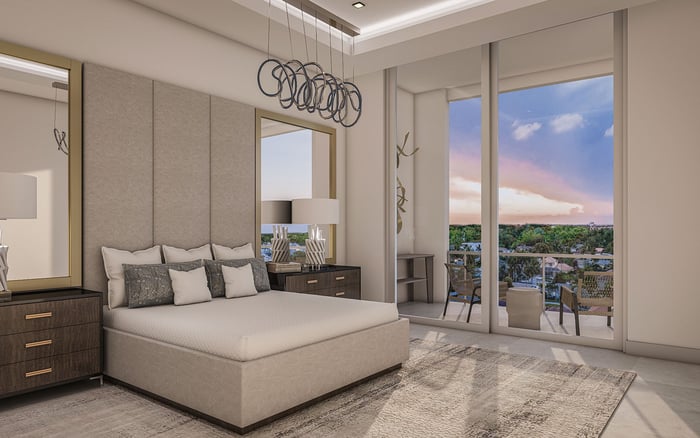
A discreet buyer’s guide to the warranty questions that matter before purchasing at Forté on Flagler West Palm Beach, from unit coverage and punch lists to common elements, coastal exposure, turnover documents, claim procedures, and dispute provisions.

For buyers evaluating Forté on Flagler West Palm Beach, the essential warranty conversation is not a broad assurance that the building is new, refined, or comprehensively covered. It is a document conversation. Forté on Flagler West Palm Beach is the specific condominium project at issue, so every warranty obligation should trace back to the actual purchase agreement, declaration of condominium, bylaws, association documents, warranty exhibits, and related closing materials.
That distinction matters in the luxury market because finishes, systems, amenities, and building envelopes may sit in different parts of the legal structure. A buyer may hear one warranty description in a sales setting, then later find that the binding language is narrower, starts on a different date, or is administered by a different party. Before signing, request the full document set and have counsel identify which provisions actually survive closing.
This is a Buyer's Guides topic in the truest sense: the issue is not whether the residence feels complete on a private tour, but whether the obligations are specific enough to protect the buyer and clear enough to administer after closing.
The first practical question is straightforward: what warranties apply to the individual residence, and what warranties apply only to common elements controlled by the condominium association? In a condominium, that answer can determine who has standing to make a claim, who communicates with the developer, and who decides whether an issue is pursued individually or collectively.
Inside the residence, ask about finishes, appliances, doors, windows, terraces, mechanical systems, plumbing, electrical components, smart-home systems, and installed fixtures. For the building, ask about elevators, garages, lobbies, pools, fitness spaces, landscaping, façade components, waterproofing, structural items, and other shared systems. A luxury buyer should not assume that all of these categories share the same term, start date, remedy, or claim path.
West Palm Beach buyers comparing new waterfront and urban residences may encounter similar diligence themes at projects such as Alba West Palm Beach, Mr. C Residences West Palm Beach, and Forté. The design language may differ, but the buyer’s discipline should remain consistent: ask where the obligation is written, who benefits from it, and how it is enforced.
One of the most overlooked questions is when coverage begins. Depending on the document, a warranty period may run from closing, substantial completion, certificate of occupancy, turnover, delivery of a component, or another defined milestone. The difference can be material, particularly if a buyer closes after portions of the building have already been completed.
Ask for a schedule of start dates by category. Appliances may follow manufacturer timelines. Building systems may be tied to contractor or equipment warranties. Association-level items may be linked to turnover. Residence-level items may begin at closing. If the response is informal, ask for written confirmation tied to the relevant exhibit or provision.
New-construction buyers often focus on deposit structures, views, layouts, and finish packages. Warranty timing deserves the same attention because it determines whether an issue discovered months later is timely, late, or already outside the applicable period.
A warranty is only as useful as its exclusions allow. Ask what defects are carved out, including cosmetic issues, normal wear, owner alterations, improper maintenance, misuse, and damage caused by third parties. Also ask whether routine settlement, product performance limits, or maintenance failures can affect coverage.
For a residence with high-end materials, the line between a cosmetic concern and a warrantable defect can be sensitive. A visible finish inconsistency, terrace drainage concern, window performance issue, or mechanical noise complaint may be treated differently depending on the document. The buyer’s goal is not to litigate language before closing, but to understand the standard that will apply after closing.
Pre-Construction decisions require particular clarity because some elements seen in presentations may evolve before delivery. Ask whether any sales-office description of a “comprehensive warranty” is incorporated into the binding documents or is only marketing language. If it is not incorporated, it should not be treated as protection.
The next question is both financial and operational: are the developer’s warranties backed only by the project entity, or also by a parent company, guarantor, bond, insurance policy, reserve, or other support? Sophisticated buyers should know who is obligated, how long that entity remains responsible, and what happens if a claim emerges after closing.
This is not a theatrical question. In luxury condominium purchases, the warranty promise and the strength of the party behind it are separate issues. Ask whether manufacturer warranties for appliances, fixtures, equipment, elevators, HVAC components, or smart-home systems will be assigned to the buyer, the association, or another party. Then confirm who keeps the records needed to make those claims.
For buyers also watching Flagler Drive comparables such as Shorecrest Flagler Drive West Palm Beach and The Ritz-Carlton Residences® West Palm Beach, the same discipline can help separate presentation from enforceable obligation.
After closing, elegance should not depend on guesswork. Ask who receives warranty claims, who tracks them, who resolves them, what notice method is required, and what response timeline applies. If claims must be submitted through a portal, by certified notice, to a named representative, or through the association, the buyer should know that before closing.
Also ask whether claims are handled individually by owners, collectively by the association, or through a formal turnover process. A malfunctioning appliance in one residence may be an owner-level claim. A recurring water intrusion issue, elevator concern, pool system matter, or garage defect may require association action. The difference affects urgency, communication, and leverage.
The punch-list process deserves equal attention. Ask whether the developer provides a pre-closing inspection procedure, how punch-list items are documented, who signs off, and whether unresolved items survive closing in writing. A verbal “we will take care of it” is not the same as a written survival provision.
Waterfront living is one of South Florida’s great privileges, but it adds a technical dimension to warranty diligence. Waterfront exposure can raise questions around water intrusion, balcony and railing performance, façade durability, hurricane-rated openings, waterproofing, drainage, and corrosion protection. Ask whether these subjects are specifically addressed, and whether different systems carry different warranty terms.
The question is especially relevant in West Palm Beach, where buyers value light, views, terraces, and the indoor-outdoor rhythm of coastal living. Luxury buyers should ask not only whether a component is beautiful, but how it is expected to perform and how performance concerns are submitted.
Common-area warranties often become most important when the association assumes control. Ask what documents the association will receive at turnover, including as-built plans, engineering reports, maintenance manuals, inspection records, warranties, and contractor contact information. Those records can determine whether future claims are efficient or frustrating.
Finally, read the dispute provisions before there is a dispute. Ask whether mandatory mediation, arbitration, venue clauses, waivers, limitation-of-liability provisions, or other procedural terms affect construction-defect or warranty claims. Buyers should have Florida counsel review the current documents and explain the practical consequences before signing.
What is the first warranty question to ask at Forté on Flagler? Ask where each warranty obligation appears in the binding documents, including the purchase agreement, declaration, bylaws, association documents, and warranty exhibits.
Should I rely on a sales description of comprehensive warranties? Treat sales descriptions as secondary unless the language is incorporated into the signed documents or attached warranty exhibits.
Do residence warranties and common-element warranties work the same way? Not necessarily. Ask which protections apply to your individual residence and which are controlled or pursued by the condominium association.
Why do warranty start dates matter? Coverage may begin at closing, substantial completion, certificate of occupancy, turnover, or another defined date depending on the document.
What building components should receive separate warranty review? Review finishes, appliances, windows, doors, terraces, mechanical systems, plumbing, electrical, waterproofing, façade elements, and structural items.
Who should receive manufacturer warranties after closing? Ask whether appliance, fixture, equipment, elevator, HVAC, and smart-home warranties are assigned to the buyer, the association, or another party.
Can punch-list items survive closing? They should survive only if documented properly. Ask for the procedure and confirm unresolved items in writing before closing.
What exclusions should a buyer review carefully? Look for exclusions involving cosmetic issues, normal wear, owner alterations, improper maintenance, misuse, and third-party damage.
How are association-level claims handled? Ask whether claims must be submitted by individual owners, collectively by the association, or through a formal turnover process.
Should a Florida attorney review the warranty language? Yes. A Florida attorney can explain current document language, dispute provisions, waiver terms, and practical enforcement issues.
For a confidential assessment and a building-by-building shortlist, connect with MILLION.
If branded residences are on your mind — as a home or as an allocation — we would be glad to share what we are seeing, privately.
Begin a quiet conversation