For waterfront buyers, bridge clearance is a practical test of daily boating ease, long-term yacht flexibility, and resale depth. The question is not only whether a home has water behind it, but whether the route from dock to open water suits the vessel, the owner, and the next buyer.
In South Florida, the most seductive waterfront language is often beautifully simple: ocean access, deepwater, private dock, no fixed bridges, minutes to the inlet. For a buyer establishing a long-term base, those phrases merit close scrutiny before a contract is signed. Bridge clearance can determine whether a yacht reaches the dock comfortably, whether a larger future vessel remains realistic, and whether the property will resonate with the next serious boating buyer.
This is not a minor technicality reserved for captains. It is part of the architecture of waterfront value. A residence may offer wide water views and a handsome dock, yet the route from that dock to open water may include a fixed bridge, a movable bridge with timing constraints, or a channel that changes the experience of leaving home by boat. The distinction matters most for buyers who are not simply purchasing a seasonal retreat, but creating a South Florida base for family, guests, and a boating life that may evolve.
Waterfront buyers often focus on frontage, dock length, and views. Those elements matter, but they do not answer the operational question: can the boat you own, or the boat you may want next, move in and out with confidence?
Bridge clearance is the vertical space a vessel must safely pass beneath. For yacht owners, the decisive measurement is not merely hull length. Air draft, which includes antennas, radar arches, towers, hardtops, and other upper elements, can be just as important. A boat that appears modest in length may still require clearance that a particular bridge cannot provide.
A fixed bridge creates a hard boundary. If the vessel does not fit, it does not fit. A movable bridge introduces a different calculation. It may allow passage, but the buyer should understand opening protocols, peak traffic periods, weather realities, and how a scheduled opening affects the rhythm of spontaneous boating. Convenience is part of value, especially when the home is meant to function as a relaxed long-term base rather than a logistical exercise.
This is why the phrase “ocean access” should be treated as the start of due diligence, not the conclusion. Access can mean different things in practice. A property may reach open water after several bridge openings, a slow no-wake route, or a channel better suited to certain vessels than others. For the right buyer, that may be entirely acceptable. For another, it may be the reason to choose a different neighborhood.
The luxury buyer’s most limited resource is often time. Bridge clearance intersects with time in subtle but material ways: waiting for an opening, adjusting departures, returning before weather shifts, or coordinating guests and crew around a route that is less simple than it appears on a map.
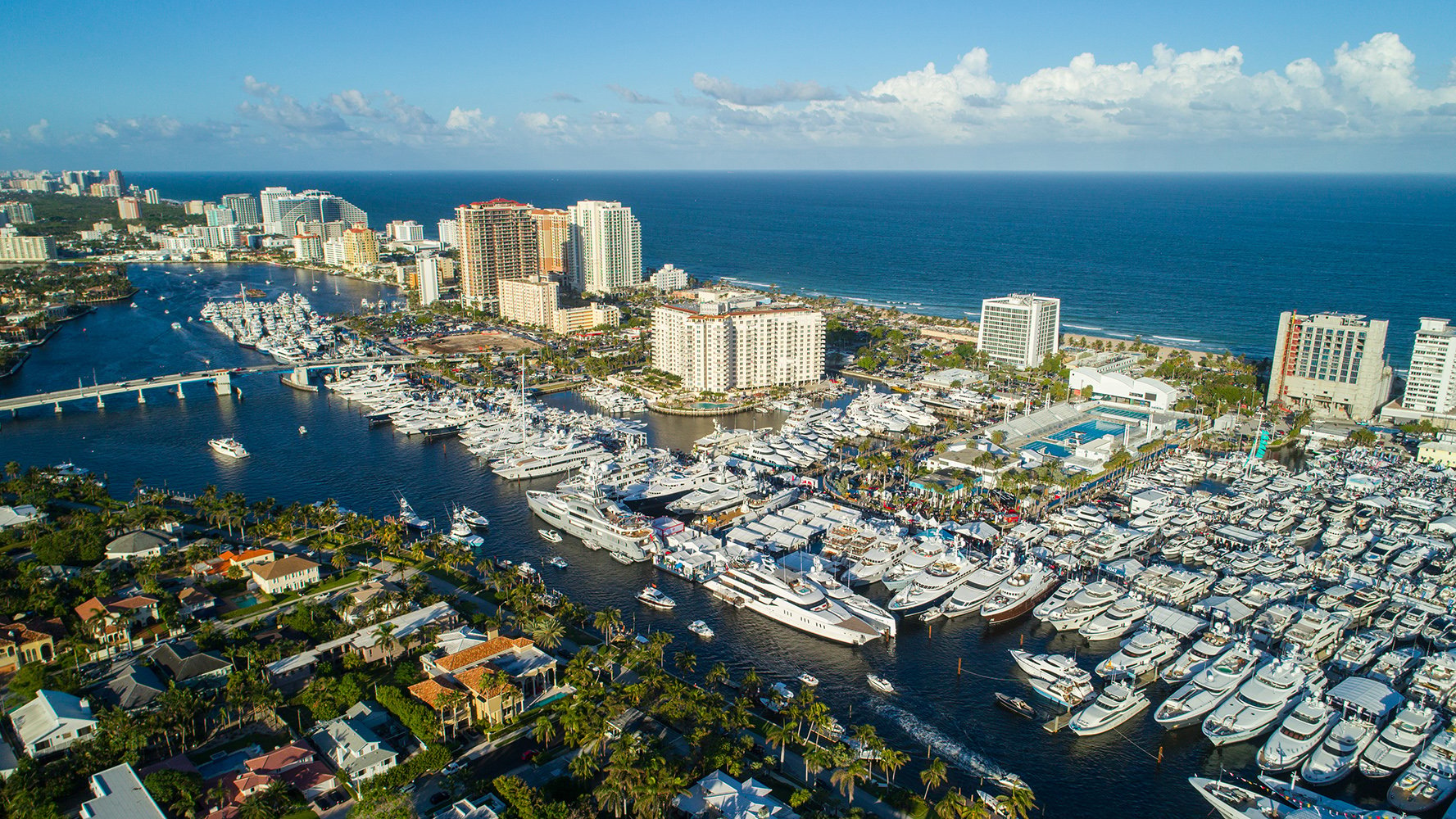
In Fort Lauderdale, boating culture is part of the city’s identity, yet individual properties can differ sharply in practical access. A buyer comparing residences near the water, such as St. Regis® Residences Bahia Mar Fort Lauderdale and Riva Residenze Fort Lauderdale, should separate the lifestyle appeal of the address from the specific marine route attached to any dock, slip, or nearby berth under consideration.
For single-family estates, this analysis becomes even more personal. The home dock is not an amenity in the abstract. It is part of the daily plan. If a family keeps a tender, a center console, or a larger yacht, each vessel may interact differently with bridges, tides, channel depth, and turning basins. The more customized the boating lifestyle, the more exacting the clearance review should be.
Many buyers evaluate a property around the boat they own today. Long-term buyers should also evaluate the boat they may own five or ten years from now. South Florida has a way of expanding a boating life. A family that begins with weekend cruising may later want a larger yacht, more guest capacity, or a different configuration with greater height.
That is where bridge clearance becomes a flexibility premium. A property that perfectly suits a current vessel may limit the next one. If moving to a larger boat would require off-site dockage, bridge timing compromises, or a different home entirely, the initial purchase may be less future-proof than it appears.
The same thinking applies to resale. A restrictive bridge condition does not make a property undesirable for everyone. It can, however, narrow the pool of buyers. Serious boating buyers often shop with a vessel in mind. If their boat cannot reach the dock, the property may be discounted, bypassed, or reclassified as view-oriented rather than yacht-oriented. For a long-term owner, that distinction can matter when it is time to exit.
Waterfront is a broad word. It can describe a bayfront condominium, a canal home, a riverfront tower, or an estate with private dockage. Each can be compelling, but each carries a different boating proposition. A residence with exceptional views does not automatically solve yacht access. A boat slip can be valuable, but only if its route, dimensions, and operating conditions match the intended use. Marina access can be elegant and convenient, but buyers should still understand how the marina connects to open water.
In Miami Beach, the analysis may focus on the relationship between bayfront living, private dock options, and routes toward open water. A buyer drawn to the architectural and resort cadence of The Ritz-Carlton Residences® Miami Beach may be making a different lifestyle decision than a buyer pursuing a private estate dock. Both can be highly desirable. They simply answer different boating questions.
In Boca Raton, the same principle applies across a different lifestyle pattern. Buyers considering a refined in-town base such as Alina Residences Boca Raton may prioritize club life, walkability, and services, while a waterfront estate buyer may put bridge clearance and dock geometry at the center of the purchase. The correct choice depends on how the owner actually intends to live.
Before signing, buyers should ask for a clear marine-access narrative, not just a marketing phrase. How many bridges sit between the property and open water? Are they fixed or movable? If movable, how do openings affect ordinary departures and returns? What is the practical clearance for the intended vessel? Does the route involve channel depth, narrow turns, or speed restrictions that affect usability?
The answer should be tested against the buyer’s actual boating profile. A captain, marine surveyor, dock specialist, and experienced local adviser can help translate a beautiful waterfront setting into operational reality. The strongest purchase decisions are made when romance and logistics are aligned.
Bridge clearance should not discourage waterfront buying. It should refine it. For the right property and the right vessel, South Florida offers one of the most compelling boating residential landscapes in the world. The point is to understand whether a home’s water is visual, recreational, or genuinely yacht-functional before the deposit becomes destiny.
Why does bridge clearance matter for a South Florida waterfront buyer? It can determine whether a yacht can reach the property dock safely and comfortably. It also influences convenience, future vessel options, and resale appeal.
Is “ocean access” enough information when evaluating a home? No. Buyers should understand the full route to open water, including fixed bridges, movable bridges, channel conditions, and timing constraints.
What is the difference between a fixed bridge and a movable bridge? A fixed bridge creates a firm clearance limit. A movable bridge may allow larger vessels through, but openings can affect timing and convenience.
Should buyers evaluate only the boat they currently own? Long-term buyers should also consider a possible future yacht. A home that works today may limit a larger vessel later.
Can bridge restrictions affect resale? Yes. Some boating buyers may discount or reject a property if their vessel cannot reach the dock or if access is too inconvenient.
Does a private dock automatically mean strong boating value? Not necessarily. Dock dimensions, approach conditions, bridge clearance, and route quality all shape the dock’s practical usefulness.
How should condominium buyers think about bridge clearance? They should distinguish water views and waterfront lifestyle from actual boat access. Nearby slips or marina arrangements still require route diligence.
Is bridge clearance only relevant for large yachts? No. Smaller vessels can still have height considerations due to towers, antennas, hardtops, or other equipment.
When should bridge clearance be reviewed in the buying process? It should be reviewed before signing or during early due diligence. Waiting until after contract can reduce negotiating flexibility.
What is the best way to shortlist comparable options for touring? Start with location fit, delivery status, and daily lifestyle priorities, then compare stacks and elevations to validate views and privacy.
For a tailored shortlist and next-step guidance, connect with MILLION.
If branded residences are on your mind — as a home or as an allocation — we would be glad to share what we are seeing, privately.
Begin a quiet conversation