A discreet buyer’s guide to evaluating developer delivery risk before purchasing luxury real estate in Miami Design District, from contracts and capital stack clarity to construction cadence, brand obligations, closing conditions, and resale protection.
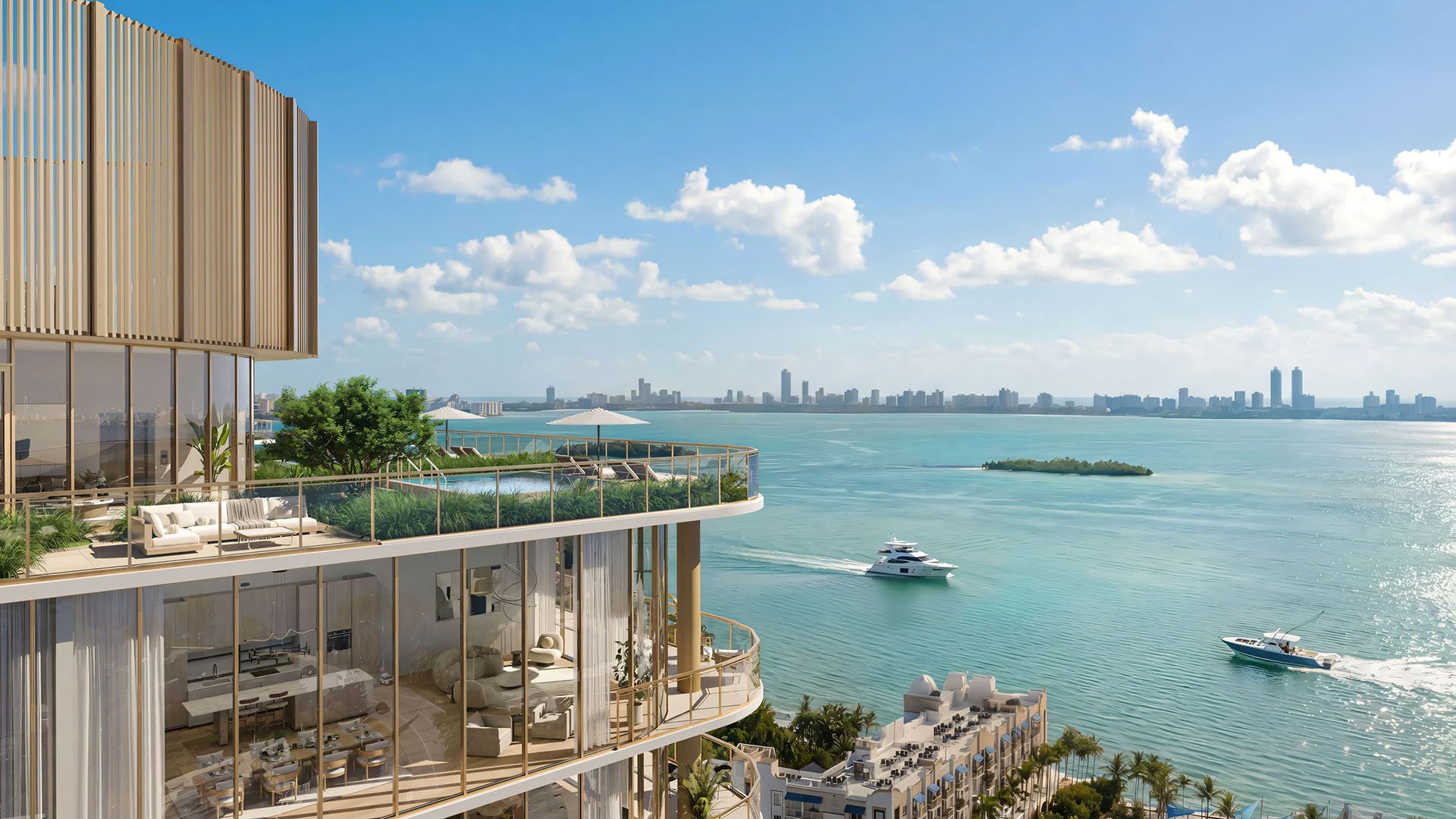
Buying luxury real estate in Miami Design District is rarely a purely emotional decision, even when the architecture, hospitality narrative, and cultural setting are persuasive. For sophisticated buyers, the essential question is not only whether a residence is desirable. It is whether the developer can deliver the promised building, finish level, service model, timing, and closing experience with discipline.
Delivery risk is the distance between a sales presentation and a completed residence. It can involve construction timing, financing, permitting, design changes, supply-chain decisions, contract language, amenity completion, brand participation, and the practical ability to close without surprises. In a neighborhood shaped by design, retail, dining, galleries, and global visibility, the polish of the story can make risk harder to see.
That is why a Design District buyer should ask questions that are direct, documented, and unemotional. The goal is not to be adversarial. The goal is to understand whether the developer’s promises are supported by capital, governance, experience, and contractual clarity.
A beautiful sales gallery can demonstrate taste. It cannot prove delivery. Before signing, ask what the developer has completed, whether those projects were delivered substantially in line with the original vision, and how prior buyers experienced the closing and turnover process.
The most useful question is simple: what has this team actually finished at a comparable level of complexity? A boutique building in a design-forward district may involve different demands than a conventional condominium tower. If the project is tied to a hotel flag, lifestyle operator, fashion house, culinary name, or wellness platform, the buyer should understand which party is responsible for each promise.
For example, a buyer studying Kempinski Residences Miami Design District should look beyond the brand association and ask how the development entity, construction team, architect, interior designer, and service operator divide responsibility. The more layered the concept, the more important it is to know who signs, who supervises, and who remains involved after closing.
Delivery risk often becomes visible through financing. Buyers do not need to know every private detail of a developer’s balance sheet, but they should ask whether construction financing is in place, which presale thresholds matter, and whether the project depends on future capital events.
Frame the questions precisely. Is the construction loan closed or anticipated? Are buyer deposits held in escrow under the contract structure? Under what circumstances may deposits be used? What happens if financing is delayed? Can the developer extend outside dates, and if so, how many times?
In pre-construction purchases, deposits are not just a step toward ownership. They are part of the risk architecture. A buyer’s counsel should review whether the agreement gives the developer broad discretion or whether there are meaningful limits, notice obligations, and remedies. The more discretion the developer has, the more important it becomes to price that flexibility into the purchase decision.
Luxury buyers often focus on price, line, exposure, terrace depth, parking, and upgrades. Those details matter. But the contract governs what happens if the building changes, timelines move, or the delivered residence is not precisely what the buyer imagined.
Ask whether the developer may substitute materials, revise layouts, alter common areas, change amenity programming, or modify the building’s exterior. Some flexibility is normal in new construction, but unlimited flexibility is different. The buyer should distinguish between routine field adjustments and changes that affect value, usability, or the original reason for purchasing.
The outside closing date deserves particular attention. Ask what date the developer must meet, what extensions are allowed, and what rights the buyer has if delivery runs late. Also ask whether temporary certificates, partial amenity delivery, or phased openings can trigger closing before the full lifestyle proposition is complete.
A residence can be technically closable before it feels complete. That distinction matters in the luxury market.
In the Design District, the asset is not only the private residence. It is proximity, atmosphere, service, and a sense of belonging to a design-centered urban village. If a project promises hospitality, wellness, private dining, club-like amenities, or brand-curated experiences, the buyer should ask how those promises are documented.
Are services mandatory or discretionary? Are fees capped, estimated, or subject to change? Who controls staffing levels after turnover? Can amenities be altered by the association, developer, or operator? What happens if a brand or service provider exits?
These questions are especially important for branded residences, where perceived value may be closely tied to an identity outside the physical building. Buyers comparing Design District offerings with 888 Brickell by Dolce & Gabbana or The Residences at 1428 Brickell should separate brand aura from enforceable obligations. A name can elevate desire, but the documents define durability.
Every Miami submarket carries its own delivery questions. Brickell buyers may weigh skyline density, traffic, office adjacency, and tower scale. Miami Beach buyers may focus on coastal exposure, preservation context, and scarcity. Coconut Grove buyers may prioritize low-density character, tree canopy, and discretion. Design District buyers often underwrite an evolving mixed-use luxury ecosystem.
That ecosystem can be powerful, but it requires careful timing assumptions. Ask whether the building’s value story depends on future neighborhood improvements, adjacent development, retail momentum, or continued cultural energy. None of those are negative. They simply belong in the investment analysis.
A buyer who is also considering The Perigon Miami Beach or The Well Coconut Grove is not just comparing finishes. They are comparing maturity, scarcity, lifestyle cadence, and the probability that today’s promise will still feel compelling at resale.
The most practical delivery questions are often the least glamorous. Who is the general contractor? Has a guaranteed maximum price been established? Are major trades contracted? Are long-lead materials identified? Who communicates schedule changes to buyers, and how often?
A serious developer should be comfortable discussing process at a high level. If the answer is vague, that does not automatically mean a problem exists, but it does signal the need for deeper diligence. Buyers should also ask how customization requests are handled, whether upgrade deadlines are fixed, and what happens if selected finishes become unavailable.
For penthouse and large-format buyers, the stakes are higher. Larger residences often involve more complex mechanical, lighting, millwork, stone, appliance, and terrace considerations. A delay in one component can affect occupancy, move-in coordination, and carrying costs elsewhere.
The cleanest purchase is one that works even if plans change. Before committing, ask whether the contract restricts assignment, resale before closing, leasing, or entity transfers. Ask how association rules might affect future flexibility. Ask whether the deposit structure creates pressure to close if personal circumstances shift.
Resale value is not only about market appreciation. It is also about confidence. Future buyers will study the same issues: developer reputation, building execution, amenity operation, service consistency, maintenance levels, and the quality of the surrounding district. A well-delivered building can deepen confidence over time. A poorly delivered one can make even a strong location feel compromised.
This is why delivery risk belongs in every buyer’s guide conversation about Design District property. The best buyers are not pessimistic. They are precise.
Before signing, ask for a clear explanation of the developer’s completed work, current financing status, deposit handling, outside date, extension rights, material substitution rights, amenity delivery obligations, brand agreements, association budget assumptions, and closing conditions.
Then ask your attorney to translate each answer into practical consequences. What happens if the building is late? What happens if amenities open after closing? What happens if finishes change? What happens if the brand relationship changes? What happens if your own timeline changes?
In luxury real estate, elegance is often found in restraint. The same is true of diligence. The strongest question is not aggressive. It is specific enough that the answer reveals whether the opportunity is built on substance.
What is developer delivery risk in a luxury condo purchase? It is the possibility that timing, finishes, amenities, services, financing, or closing conditions differ materially from the buyer’s expectations.
Is delivery risk only a concern in pre-construction purchases? It is most visible in pre-construction, but even near-completion purchases require diligence on turnover, amenities, association budgets, and punch-list items.
What should I ask first before signing a reservation or contract? Ask what the developer has completed before, whether construction financing is in place, and how buyer deposits are protected.
Why is the outside closing date important? It defines the developer’s delivery window and helps clarify the buyer’s remedies if the project extends beyond expected timing.
Can a developer change finishes or amenities after I sign? Many contracts allow some substitutions or modifications, so the key is understanding how broad those rights are and whether they affect value.
Are branded residences lower risk? Not automatically. A brand can add appeal, but buyers should confirm what obligations are enforceable and what happens if the brand relationship changes.
Should I rely on renderings when evaluating a project? Renderings are useful for visual direction, but the contract, specifications, budgets, and governing documents determine what must actually be delivered.
How should investors think about delivery risk? Investment buyers should consider timing, transfer restrictions, leasing rules, resale depth, and whether the neighborhood thesis depends on future improvements.
Do larger residences carry different delivery concerns? Yes. Larger homes may involve more complex finishes, systems, customization, and move-in logistics, which can magnify timing and execution issues.
Who should review the documents before I commit? Use experienced Florida condominium counsel, tax guidance where appropriate, and an advisor who understands Miami luxury development risk.
To compare the best-fit options with clarity, connect with MILLION.
If branded residences are on your mind — as a home or as an allocation — we would be glad to share what we are seeing, privately.
Begin a quiet conversation