A practical due-diligence guide for Origin Bay Harbor Islands buyers who want waterfront living with reliable boating access, covering bridge clearance, dockage rights, vessel fit, tide conditions, and resale implications.
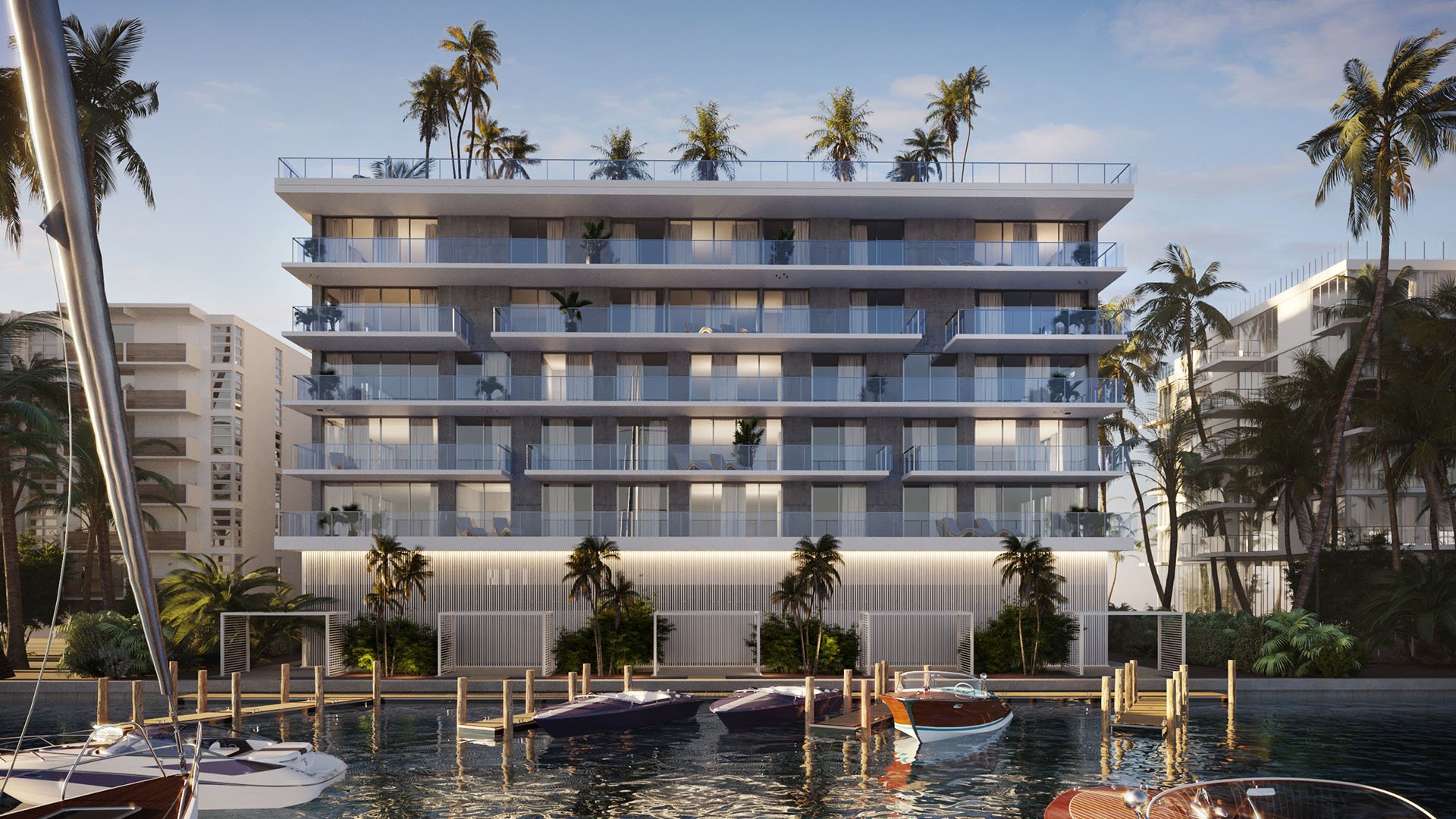
At Origin Bay Harbor Islands, waterfront appeal is not simply the view from the terrace. For buyers planning to keep a boat at or near the property, the real question is whether the entire marine experience works day to day: the slip, the route, the bridges, the tides, the vessel profile, and the rules that govern use.
Bridge clearance is often treated too casually in luxury waterfront searches. A residence may feel nautical, the building may occupy a coveted bayfront setting, and marketing language may emphasize boating access. None of that answers the practical question that matters most: can your specific vessel safely and repeatedly travel from the dockage area to the Intracoastal Waterway, Haulover Inlet, and open ocean?
That answer is vessel-specific. A low-profile powerboat, center console, cabin cruiser, flybridge motor yacht, and sailboat can face very different limits, even from the same shoreline. Before falling in love with a floor plan, confirm the marine path with the same care you would apply to an inspection, title review, or financial contingency.
The first question is not whether Origin is waterfront. The first question is: what is the full navigational route from the property’s dockage area to the waters you intend to use most often? Ask for the practical route to the Intracoastal Waterway, the path toward Haulover Inlet, and the continuation to open ocean.
Once that route is identified, ask which bridges must be cleared. Separate fixed bridges from movable bridges, because each creates a different form of risk. A fixed bridge is about vertical clearance, tide, and your boat’s true height. A movable bridge adds timing, opening schedules, tender reliability, restrictions, and possible wait times.
This is where buyers should avoid generic yes-or-no answers. “Boatable” is not enough. “Water access” is not enough. The useful answer is a route map that states the bridges involved, the published vertical clearance for each, the tidal reference used for those measurements, and whether your vessel would require openings at any point.
Nearby Bay Harbor Islands projects such as Alana Bay Harbor Islands and Bay Harbor Towers may appeal to buyers studying the broader neighborhood, but the boating analysis should never be generalized from one building to another. Dockage location, slip rights, water depth, turning space, and route selection can vary materially.
Buyers often know a boat’s length but underestimate its air draft. For bridge clearance, the relevant number is the vessel’s true vertical height above the waterline in real operating condition. That means measuring the hardtop, radar arch, antennas, outriggers, mast, satellite domes, navigation equipment, and any removable accessories that may be raised during normal use.
Ask whether removable equipment can realistically be lowered every time you leave or return. A theoretical clearance that depends on constant reconfiguration may become inconvenient, especially for spontaneous evening runs, guests, charter-style use by family, or less experienced operators.
The vessel’s other dimensions matter as well. A boat-slip conversation should include length, beam, draft, weight, shore-power requirements, fendering, turning radius, and the approach to the slip. Bridge clearance is only one part of the equation. A boat that clears the route but cannot comfortably maneuver into the assigned space still creates an ownership problem.
Never assume that waterfront frontage automatically includes private boat storage. Ask whether the specific residence includes dockage, whether a slip may be purchased separately, or whether dockage can be leased. Then ask for written confirmation of the rights attached to that arrangement.
The documents should clarify slip dimensions, marina rules, guest-docking policies, insurance requirements, maintenance responsibilities, access procedures, and any limits on vessel type or size. Just as important, ask whether the dockage right transfers on resale. A slip that is convenient during your ownership but not transferable in the same way can affect future marketability.
For buyers comparing boutique waterfront residences across Bay Harbor Islands, Onda Bay Harbor and The Well Bay Harbor Islands may enter the same lifestyle conversation. Still, the marine due diligence should remain property-specific and vessel-specific. The correct documents are not decorative; they define the ownership experience.
Published bridge clearance is only useful when you understand the reference point behind it. Ask whether the measurement is based on mean high water or another tidal reference. Then ask how the route behaves during king tides, seasonal high water, storm surge, and unusually high Biscayne Bay water levels.
For a larger flybridge yacht, tall cabin cruiser, or sailboat, a route that works at one tide may be unreliable at another. That can change how often you use the boat, what time of day you depart, and whether a last-minute run to open water feels effortless or constrained.
The best buyer analysis combines clearance, water depth, slip dimensions, bridge-opening reliability, tide timing, and resale implications. Each factor affects the others. A vessel may clear the bridge but draw too much water at low tide. A movable bridge may solve the air-draft issue but introduce delays. A generous slip may still be less valuable if the route narrows your likely buyer pool on resale.
Waterfront ownership is dynamic. Ask whether any future bridge work, seawall work, marina redesign, dredging, or local infrastructure changes could affect boating access from Origin Bay Harbor Islands. Even if no change is imminent, the question belongs in the record because it reveals whether the building team, association documents, or marine professionals have considered access beyond the present moment.
Buyers should also ask how guest docking is handled, whether temporary vessels are permitted, and whether insurance standards differ by boat type. A residence used as a seasonal base may have different needs than a primary home for a hands-on owner who runs the boat several times per week.
The final layer is independent confirmation. A marine surveyor, experienced captain, or yacht broker should review your boat’s air draft, the route, the bridges, the tides, and the slip. Ideally, that professional should confirm whether the vessel can safely and repeatedly use the route under realistic conditions, not merely on a perfect day.
Before buying at Origin, ask for the exact dockage rights connected to the residence under consideration. Ask whether the slip is included, purchasable, leasable, assigned, limited, or subject to association approval. Ask whether those rights transfer when you sell.
Ask for the navigational route from the dockage area to the Intracoastal Waterway, Haulover Inlet, and open ocean. Ask which bridges are on that route, which are fixed, which are movable, and what published clearance applies to each. Ask what tidal reference is used, and ask how clearance changes during king tides and unusually high water.
Ask whether your boat needs bridge openings, what the tender schedule is, whether restrictions apply, and what typical wait times may look like. Ask whether the dock can handle your boat’s length, beam, draft, weight, shore power, and turning radius. Finally, ask a marine professional to test the full answer against your actual vessel.
For Bay Harbor Islands buyers, bridge clearance is not a minor operational detail. It is part of the value proposition. The right answers can make waterfront ownership feel seamless. The wrong assumptions can turn a beautiful residence into a compromised boating base.
Does buying at Origin Bay Harbor Islands automatically mean I have boat storage? No. Ask whether the specific residence includes dockage, can purchase dockage, or can lease a slip.
What is the first bridge-clearance question to ask? Ask for the full navigational route from the dockage area to the Intracoastal Waterway, Haulover Inlet, and open ocean.
Should I rely on advertised waterfront language? No. Treat bridge clearance as vessel-specific due diligence, especially for taller boats.
What is air draft? It is the true height of the boat above the waterline, including equipment such as arches, antennas, domes, and outriggers.
Do tides affect bridge clearance? Yes. Ask how clearance changes during king tides, seasonal high water, storm surge, or unusually high Biscayne Bay levels.
Are movable bridges always a solution for taller boats? Not always. You still need to understand opening schedules, restrictions, reliability, and typical wait times.
What else matters besides vertical clearance? Confirm slip length, beam, draft, vessel weight, shore power, turning radius, and marina rules.
Should a captain review the route? Yes. A captain, marine surveyor, or yacht broker can confirm whether your specific vessel can use the route repeatedly.
Can bridge clearance affect resale? Yes. Limited boating access or nontransferable dockage rights can narrow the future buyer pool.
Is a center console treated the same as a flybridge yacht? No. Different vessel profiles can face very different practical access limits from the same property.
For a discreet conversation and a curated building-by-building shortlist, connect with MILLION.
If branded residences are on your mind — as a home or as an allocation — we would be glad to share what we are seeing, privately.
Begin a quiet conversation