A buyer-focused look at how to evaluate House of Wellness Brickell beyond early renderings, with emphasis on daily routines, wellness programming, privacy, service, and neighborhood fit.
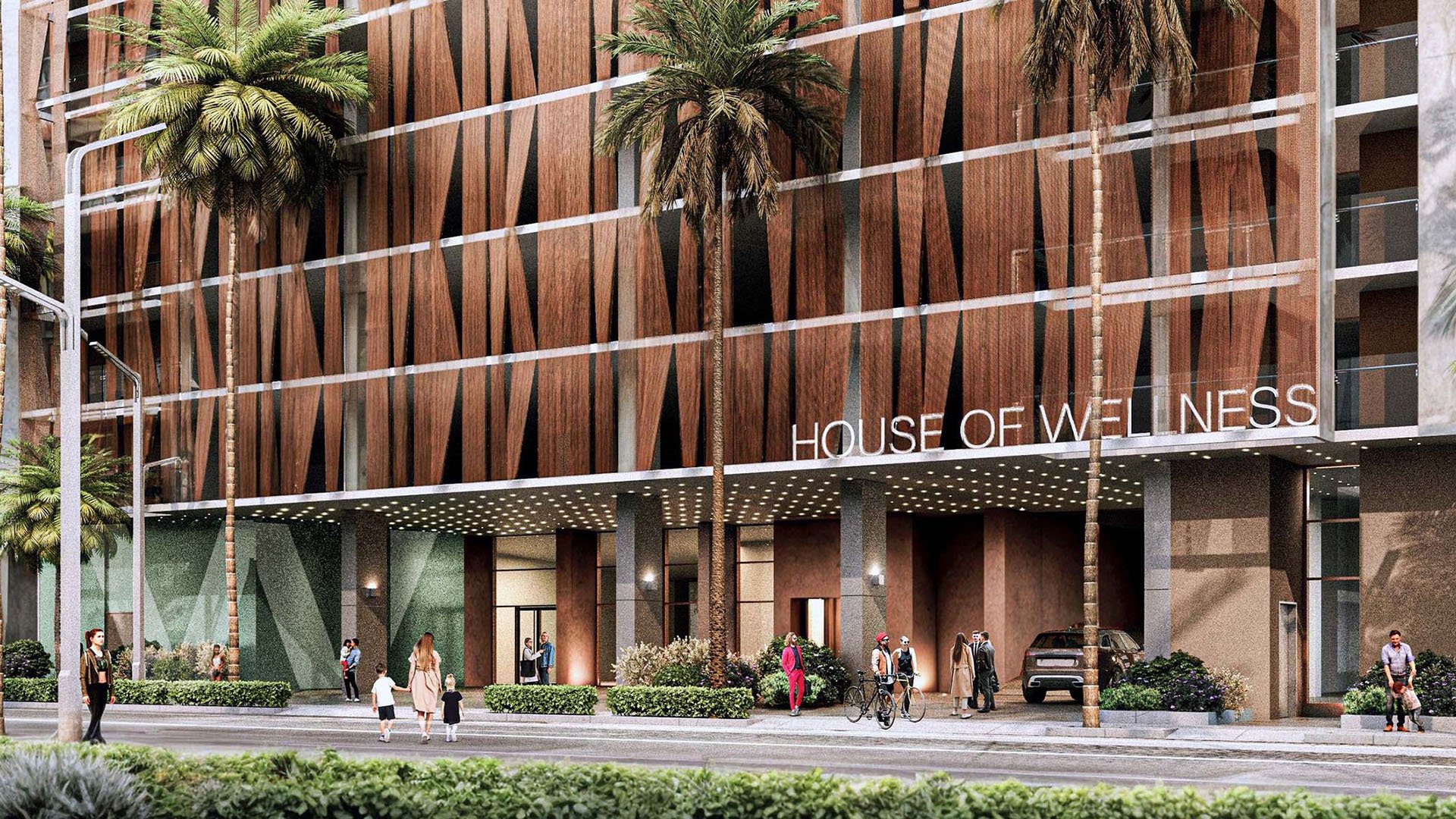
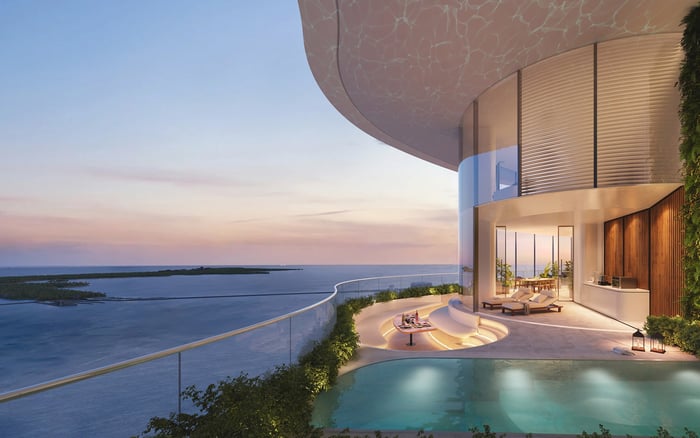
Launch imagery has become a polished language of its own. A residence is introduced through calm water, sculpted interiors, glass, greenery, and a carefully choreographed sense of ease. For buyers evaluating House of Wellness Brickell, the more important question begins after the first impression. How will the building feel on an ordinary Tuesday morning, after a late return from dinner, during a quiet workday, or when guests arrive for the weekend?
That is where the conversation becomes more discerning. In Brickell, luxury is no longer defined only by height, views, finishes, or a recognizable design language. The strongest residential experience is measured in daily friction, or in the absence of it. A well-conceived plan reduces decision fatigue. A meaningful amenity program becomes part of a resident’s rhythm, not a space visited once during a tour. A wellness address must prove itself through movement, privacy, recovery, routine, and service.
House of Wellness Brickell enters a market where buyers are increasingly fluent in these distinctions. They may also be comparing it with established and emerging Brickell options such as 2200 Brickell, Baccarat Residences Brickell, St. Regis® Residences Brickell, and The Residences at 1428 Brickell. Each comparison should move past the dramatic rendering and into the more revealing territory of daily use.
Brickell offers one of South Florida’s clearest tests of urban luxury. The neighborhood rewards convenience, but it also asks a building to manage intensity. Residents want access without feeling exposed, energy without constant noise, and hospitality without losing the privacy of home.
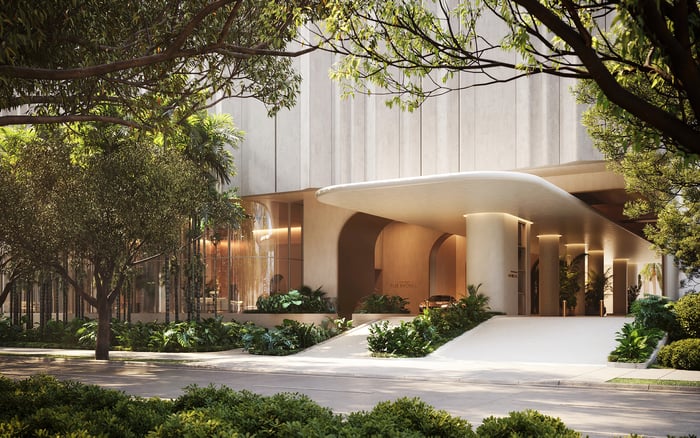
For a wellness-forward residence, livability begins with the arrival sequence. A composed arrival can set the tone before a resident reaches the elevator. The best buildings treat this moment as more than a lobby image. They account for vehicle flow, guest greeting, package handling, staff visibility, and the quiet transition from public street to private life.
Inside the residence, the test becomes equally practical. Buyers should study whether the plan supports real routines: early workouts, calls from home, evening entertaining, meal preparation, children or visiting family, and the need for personal retreat. A beautiful room is not always a livable one. The placement of bedrooms, terraces, service areas, storage, and circulation can determine whether a home feels effortless or staged.
This is where lifestyle becomes the relevant luxury category. A buyer is not simply acquiring square footage. The buyer is choosing a pattern of days.
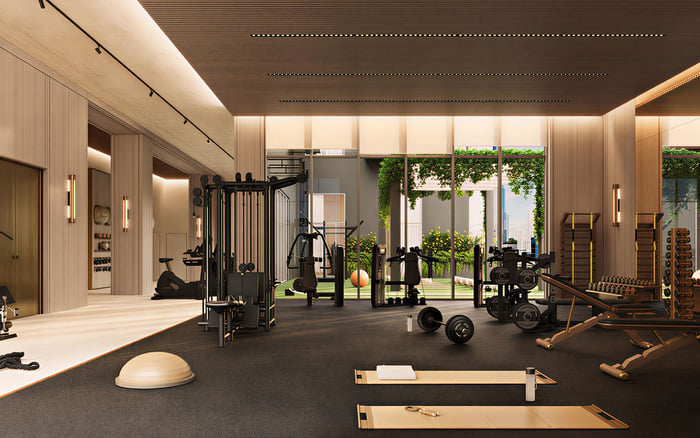
The phrase wellness can be overused in residential development, but serious buyers know how to separate atmosphere from function. A wellness concept should not rely solely on a serene palette or spa-like language. It should support how residents actually maintain energy, sleep, fitness, recovery, and calm.
That means asking specific questions. Are wellness amenities positioned where they can be used naturally, or do they feel remote from the daily path? Can residents move from a workout or treatment area back to private space with discretion? Does the amenity program support both solitary routines and social connection? Is there enough variety for different residents in the household, from the highly athletic to the quietly restorative?
For House of Wellness Brickell, the strongest buyer analysis will likely focus on whether the wellness identity is integrated into the building’s everyday logic. The most successful version of this concept would make healthy living feel convenient rather than performative. In a dense urban setting, that distinction matters. Residents may not want to leave the building for every moment of reset.
The difference is subtle but important. A building can have wellness features. A residence can also be organized around wellbeing as a daily operating principle. Buyers should listen carefully for that distinction.
The most valuable parts of a luxury building are often not the most photogenic. Service corridors, elevator strategy, staff protocol, loading areas, parking logic, and guest management rarely lead a marketing campaign, yet they shape the owner experience every day.
In Brickell, privacy is particularly important because the neighborhood is active by nature. A refined building should manage the boundary between being connected to the city and being insulated from it. Residents should feel that guests, deliveries, maintenance, and amenity users move through the property with intention. The goal is not formality for its own sake. It is calm.
This is also where Pre-Construction buyers should be especially disciplined. Before completion, the evaluation is partly interpretive. Plans, specifications, and developer intent matter, but the buyer’s representative should translate those materials into lived scenarios. How does a resident come home after peak traffic? Where does a driver wait? How are friends received? How does the building feel when multiple residents use the amenities at the same time?
The answers can make the difference between an impressive address and a genuinely graceful home.
A floor plan is a portrait of priorities. In a wellness-oriented Brickell residence, the plan should offer more than a large primary suite or a dramatic great room. It should create calm transitions between active and quiet zones.
Buyers should examine the entry experience first. A residence that opens too abruptly into living areas may feel theatrical but less private. A more considered sequence can create a sense of arrival inside the home itself. From there, look at how the kitchen relates to entertaining, how bedrooms are separated, whether work-from-home needs can be accommodated, and whether terraces are placed for actual use rather than only skyline photography.
Storage is another understated marker of livability. Wellness-minded living often involves equipment, luggage, seasonal items, wardrobe needs, and household support. If a residence is beautifully designed but lacks the practical capacity of real life, the owner will feel it quickly.
New-construction buyers often focus on finishes because they are visible and emotionally immediate. The more durable value may be in proportions, acoustic comfort, access to light, ventilation, and the ease with which a household can move through the day.
Brickell is no longer a single-note market. It includes branded residences, design-led towers, hospitality-driven addresses, and wellness-focused concepts. That variety gives buyers leverage, but it also requires sharper self-knowledge.
A buyer drawn to House of Wellness Brickell should be clear about why the wellness identity matters. Is the priority a more restorative urban home? A building that supports disciplined routines? A quieter counterpoint to the pace of Brickell? Or simply a residence that feels aligned with a more health-conscious way of living?
The answer will guide the comparison set. Some buyers will prioritize brand recognition. Others will value architecture, privacy, amenities, or proximity to a daily route. The right decision is not always the most dramatic one. It is the one that continues to feel intelligent after the launch language has faded.
For this reason, the best property tours are not rushed. They are scenario-based. Buyers should imagine a full week of living, not a single sunset visit. Morning, midday, evening, weekends, guests, work, recovery, and travel all deserve a place in the evaluation.
The most useful checklist for House of Wellness Brickell is not a catalog of features. It is a series of livability questions.
First, does the building’s wellness positioning translate into practical convenience? Second, does the residence support both openness and retreat? Third, does the arrival experience feel protected and efficient? Fourth, are the amenity spaces likely to become part of daily life? Fifth, does the service model reduce complexity for the owner?
Buyers should also consider long-term emotional durability. A residence that feels calm, functional, and aligned with daily habits has a better chance of remaining satisfying as trends change. In South Florida’s ultra-premium market, novelty attracts attention, but livability sustains value.
For Brickell, that distinction is essential. The neighborhood will continue to evolve, and buyers will continue to see ambitious projects enter the conversation. The residences that endure will be those that make urban life feel easier, healthier, and more private without asking residents to compromise on design.
What should buyers focus on first at House of Wellness Brickell? Buyers should begin with daily routine: arrival, privacy, residence layout, wellness access, and how the building supports ordinary life.
Why look beyond launch renderings? Renderings communicate mood, but livability depends on circulation, service, amenity function, privacy, and the feel of repeated daily use.
Is Brickell a good fit for wellness-oriented living? Brickell can suit wellness-oriented buyers when a building balances urban convenience with calm interiors, discreet service, and useful amenity spaces.
How should a Pre-Construction buyer evaluate livability? A Pre-Construction buyer should review plans through real scenarios, including workdays, guest arrivals, evening returns, and amenity use.
What makes a wellness residence feel authentic? Authenticity comes from convenience and integration, where wellness spaces and services naturally support daily habits rather than feeling decorative.
Should buyers compare House of Wellness Brickell with other Brickell projects? Yes. Comparing nearby residences helps clarify whether wellness, branding, architecture, service, or location is the buyer’s leading priority.
Are amenities the main measure of value? Amenities matter, but the best measure is whether they are easy to use consistently and whether they improve the resident’s week.
What role does privacy play in Brickell luxury? Privacy is central because Brickell is active, and a refined building should create a calm transition from city energy to home.
How important is the floor plan? The floor plan is critical because it determines how residents entertain, work, rest, store belongings, and move through the home.
What is the best way to approach a purchase decision? The strongest approach is to match the building’s promise against the buyer’s actual lifestyle, not against a single image or feature.
When you're ready to tour or underwrite the options, connect with MILLION.
If branded residences are on your mind — as a home or as an allocation — we would be glad to share what we are seeing, privately.
Begin a quiet conversation