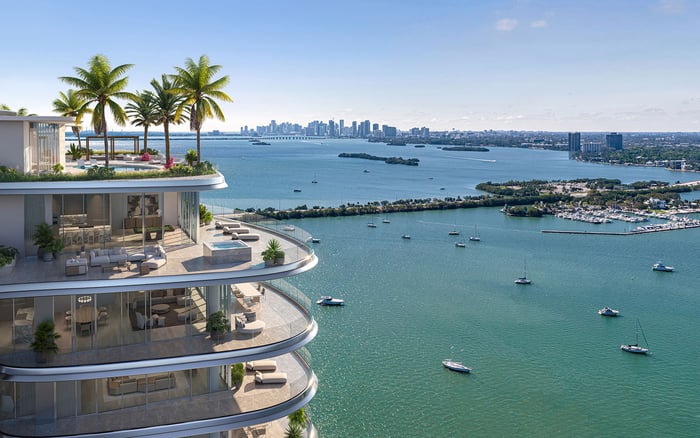
A buyer-focused guide to evaluating service charges and operating budgets at Onda Bay Harbor, with practical questions for comparing Bay Harbor Islands luxury condominiums.
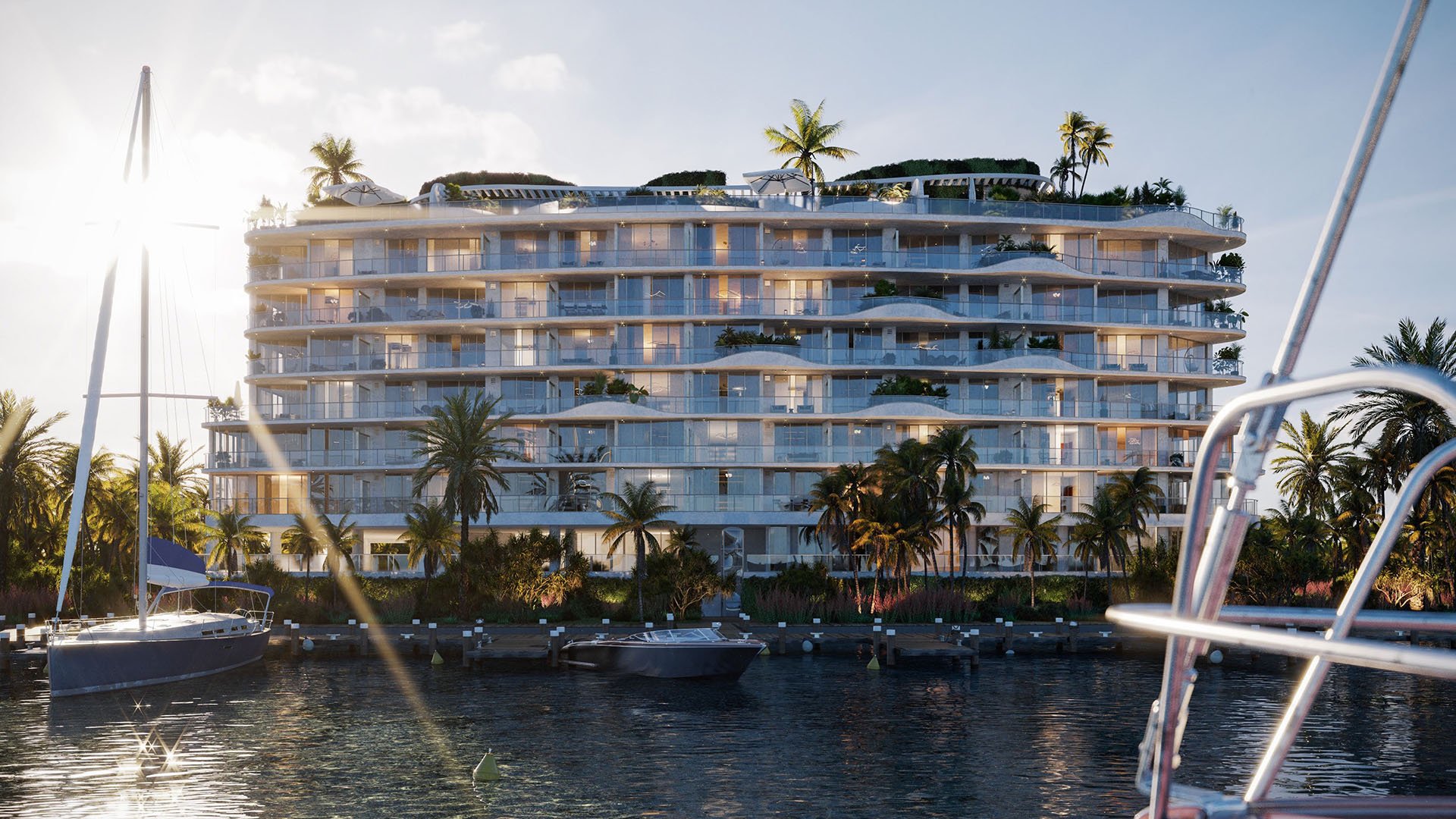
For buyers considering Onda Bay Harbor, the most useful question is not simply the monthly service charge. The sharper question is what that charge is designed to support, how the operating budget is built, and whether the building’s service model aligns with the way you expect to live.
Bay Harbor Islands attracts buyers who value privacy, scale, access, and discretion. In that setting, a condominium budget is more than an administrative document. It is a portrait of daily life: the staffing philosophy, the maintenance rhythm, the reserve strategy, and the ownership’s commitment to protecting the building’s long-term presentation. Within the Bay Harbor conversation, a lower monthly number is not automatically better, and a higher one is not automatically excessive.
Because public materials for Onda Bay Harbor are not a substitute for current association documents, buyers should treat service charges as a due diligence exercise. The objective is to understand the architecture of the cost, not to memorize a figure.
The operating budget is where the real conversation begins. Ask for the current budget, the most recently approved budget, and any proposed budget materials available during your review period. Then look beyond the total. A well-structured budget should clarify what is recurring, what is seasonal, what is discretionary, and what may change as the building matures.
Key questions include: Which services are included in the regular assessment? Are any amenities supported by separate charges? Are utilities, staffing, management, maintenance, security, landscaping, insurance, and administrative costs clearly separated? Are there line items that appear unusually lean for a luxury building, or unusually high without explanation?
For a boutique or highly serviced residence, staffing can be one of the clearest indicators of the intended lifestyle. A building that emphasizes attentive arrival, privacy, and seamless daily operations may require a different staffing model than a larger tower with economies of scale. That does not make one better than the other. It means the buyer should connect the fee structure to the lived experience.
A service charge is a current snapshot. An operating budget is the more revealing map. Buyers should ask which categories are most vulnerable to change, particularly insurance, building maintenance, staffing, utilities, and reserves. The goal is not to predict the future with false precision. It is to identify where the association has flexibility and where it may face pressure.
Reserve planning deserves special attention. Ask how the association approaches replacement costs, major systems, common-area upkeep, and long-term capital needs. A budget that looks appealing because reserves are light may not be as elegant as it appears. Conversely, a building that funds reserves with discipline may feel more expensive monthly while offering a clearer path for maintaining standards.
Also ask whether any services are being subsidized, phased in, or expected to change after sellout or transition. In new and newer buildings, the shift from developer-controlled operations to owner-controlled association life can be meaningful. Buyers should understand what assumptions sit inside the budget and whether those assumptions are durable.
A useful comparison set should include buildings that speak to a similar buyer, not simply the nearest condominium with an available listing. In Bay Harbor Islands, that may mean reviewing how Bay Harbor Towers presents its residential experience, how La Baia North Bay Harbor Islands frames waterfront living, and how The Well Bay Harbor Islands positions wellness-oriented ownership.
Those comparisons are not about declaring one budget superior. They are about understanding different cost structures. A wellness-forward building may allocate resources differently than a more classic residential property. A waterfront building may carry maintenance considerations that differ from an inland boutique condominium. A smaller association may offer intimacy, while a larger one may distribute certain costs across more residences.
This is where a disciplined review becomes valuable: it translates line items into lifestyle implications. If a buyer expects white-glove ease, a lean service budget may eventually feel underpowered. If a buyer wants privacy with fewer shared facilities, an amenity-heavy model may feel misaligned. The best budget is the one that supports the buyer’s actual use case.
Before moving from interest to contract, request the condominium documents that govern assessments, reserves, rules, amenity use, and any special assessment authority. Ask whether there are pending or discussed special assessments, recent increases, anticipated increases, or capital projects under consideration. If the residence is being purchased pre-completion or early in the building’s life, ask how the budget may evolve as operations stabilize.
Review meeting minutes when available. They can reveal the tone of ownership, recurring maintenance themes, and how the association discusses cost decisions. Ask your advisor to compare monthly charges on a per-square-foot basis, but do not stop there. The same number can mean very different things depending on the building’s size, staff, insurance profile, reserves, and amenity program.
The most sophisticated buyers treat service charges as part of ownership quality. They are not merely a carrying cost. They are a mechanism for preserving the property, sustaining the atmosphere, and protecting the quiet luxury that drew the buyer to Bay Harbor Islands in the first place.
What should I ask first about Onda Bay Harbor service charges? Ask for the current monthly charge and the operating budget that supports it. The number matters, but the budget explains what the number actually funds.
Should I compare Onda Bay Harbor fees to other buildings nearby? Yes, but compare service models, building scale, amenities, staffing, and reserves. A simple monthly comparison can be misleading.
Are service charges the same as the operating budget? No. Service charges are what owners pay, while the operating budget shows how the association expects to spend and allocate those funds.
What budget categories deserve the most attention? Focus on insurance, staffing, maintenance, utilities, management, reserves, and common-area operations. These categories often shape both cost and daily experience.
Should reserves influence my buying decision? Yes. Reserve planning can indicate whether the building is preparing for long-term maintenance and future capital needs.
Can monthly service charges change after purchase? They can change through association budgeting and owner governance. Buyers should ask about recent, pending, and anticipated adjustments.
Are lower service charges always better? Not necessarily. A lower charge may reflect efficiency, but it may also reflect fewer services, lighter reserves, or costs that could rise later.
What documents should my advisor review? Request budgets, condominium documents, rules, reserve information, meeting minutes when available, and any notices regarding assessments.
How should I think about amenities in the budget? Amenities should be evaluated by use and cost. A beautiful amenity program is most valuable when it matches how you will actually live.
Why does this matter for resale value? Buyers often scrutinize carrying costs and building stewardship. A disciplined budget can support confidence in the residence and the association.
To compare the best-fit options with clarity, connect with MILLION.
If branded residences are on your mind — as a home or as an allocation — we would be glad to share what we are seeing, privately.
Begin a quiet conversation