A discreet buyer’s guide for Los Angeles households considering a wellness-led residence in Coconut Grove, with a focus on privacy, light, service, layout, outdoor use, and long-term daily rhythm.

For a Los Angeles household evaluating Coconut Grove, the first discipline is to separate wellness as a feeling from wellness as a functioning residence. A serene lobby, a beautiful pool deck, or a spa vocabulary can be seductive. The better question is whether the home supports how you actually recover, host, work, train, sleep, and move through the day.
That makes this a more intimate search than a conventional luxury purchase. The right residence is not simply the one with the longest amenity list. It is the one that reduces friction: making mornings easier, evenings quieter, and transitions smoother. It should welcome guests without compromising private family rhythms. It should allow service providers to work without placing daily life on display.
For clients accustomed to highly curated living, Coconut Grove should be read through a practical lens: privacy, light, acoustics, arrival, outdoor usability, storage, and the credibility of the building’s service model. Wellness-led selection is a due diligence exercise, not an aesthetic preference.
Before touring, define what wellness means inside your household. For some buyers, it is a primary suite that feels genuinely removed from entertaining spaces. For others, it is a kitchen that supports clean daily cooking, a terrace suited to quiet breakfast, or a den that can become a meditation, Pilates, or telehealth room without feeling like an afterthought.
Rank these priorities before comparing buildings. A residence that photographs beautifully may fail if the elevator arrival feels too exposed, if the secondary bedrooms lack separation, or if the outdoor space is symbolic rather than usable. Conversely, a quieter plan with fewer theatrical moments may support better living if the flow is calmer and more intuitive.
When reviewing options such as The Well Coconut Grove, the task is not to assume that a wellness name answers every question. It is to test how the residence, building, and service environment align with your private routine.
Wellness begins with control: over who sees you arrive, how guests move through the home, where staff can work, and whether family members can occupy different zones without collision. In a luxury residence, privacy is not only about seclusion. It is about choreography.
Study the arrival sequence from curb to elevator to front door. Ask whether the home has a gracious threshold or whether one steps directly into the most personal room. Look at sightlines from the entry, kitchen, terrace, and primary suite. Consider where deliveries are received, where luggage is staged, and how a trainer, chef, massage therapist, or housekeeper would circulate.
This is especially important for buyers coming from a single-family environment. A condominium can deliver convenience, but the best fit will be the one that protects the rituals you value most.
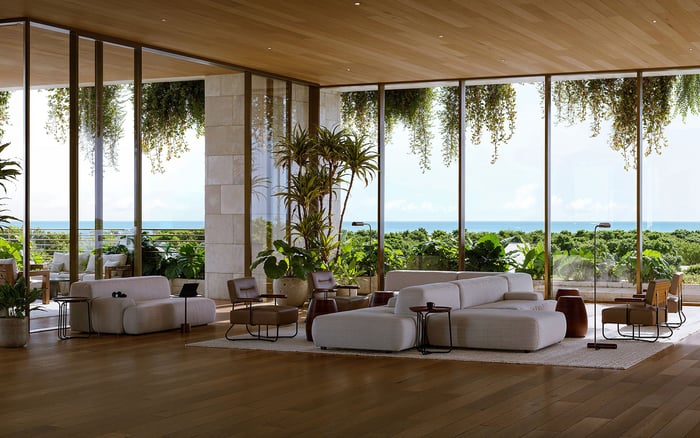
Natural light is often discussed as a visual feature, but its real value is behavioral. It shapes waking, working, dining, and winding down. During a showing, spend time in the residence without rushing. Notice whether the light feels even or harsh, whether glare interrupts work areas, and whether bedrooms can be kept restful.
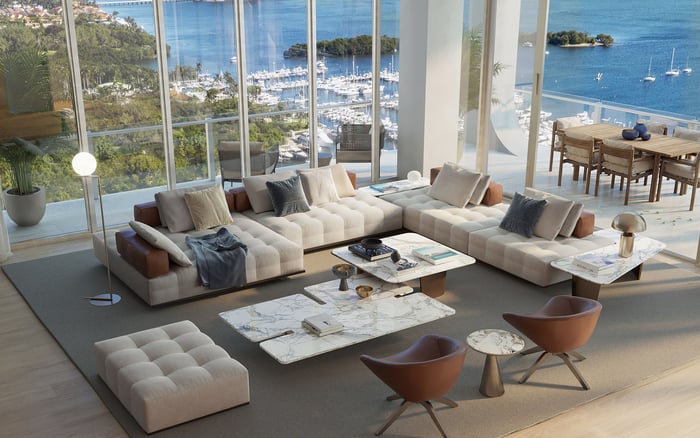
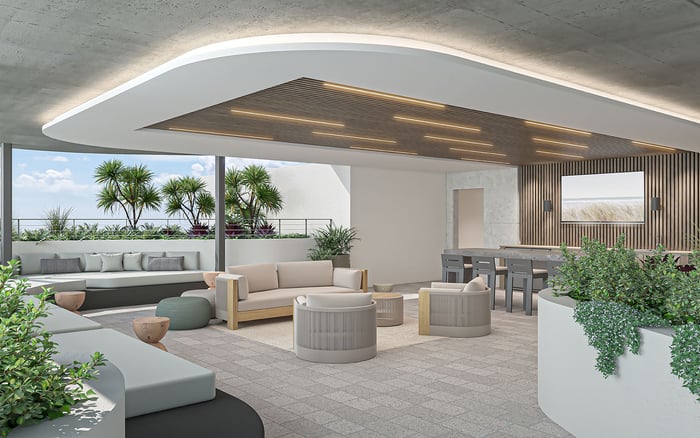
Outdoor space deserves the same scrutiny. A terrace should be evaluated for proportion, privacy, furniture placement, and the way it connects to interior rooms. If waterfront views or garden outlooks are part of the appeal, consider how often you would actually use that orientation and at what times of day.
Projects such as Four Seasons Residences Coconut Grove may enter the conversation for buyers who want a more service-aware residential setting, but the evaluation still returns to the individual plan. Wellness lives in the details of daily use.
A wellness-led building should make healthy living easier, not merely more decorative. Ask how you would use each amenity in a normal week. Is the fitness component convenient enough to replace a private gym visit? Are recovery areas positioned and managed in a way that feels discreet? Is there a place to work quietly outside the residence? Are pet routines, package handling, and guest arrivals supported without creating stress?
The most persuasive amenity program is the one that saves time while preserving elegance. It should not require complicated scheduling for basic routines. It should feel calm when the building is busy. It should age well as household needs change.
When comparing Arbor Coconut Grove with other Grove options, focus on how the building’s physical and operational choices match your life, rather than relying on category labels alone.
New construction can offer the appeal of fresh systems, contemporary layouts, and modern design language, but it should be examined with the same restraint as any other purchase. Review ceiling heights, window placement, storage, service access, mechanical locations, and the flexibility of rooms. A residence that appears minimal can still be demanding if there is nowhere to put the practical contents of daily life.
Established buildings can offer a different kind of confidence, particularly when the buyer can observe how common areas, staff culture, and resident rhythms already function. The tradeoff is that finishes, systems, or layouts may require closer review.
A thoughtful search may include both. The Lincoln Coconut Grove can be considered alongside other Coconut Grove residences as part of a broader comparison of scale, privacy, plan logic, and lifestyle fit.
A wellness-led purchase is never only about the walls. It is about whether the address supports the life you intend to lead. Consider the patterns that matter most: school runs, airport timing, medical appointments, dining habits, boating or club routines, and the degree to which you want your daily life to feel social or private.
Lifestyle should be specific, not generic. If you cook often, the kitchen and service areas matter more than a dramatic lounge. If you host visiting family, secondary suites and guest parking may be decisive. If you work across time zones, acoustic separation and evening lighting become more than nice details.
Coconut Grove appeals to buyers who want a different register of Miami living, but the right building still depends on the individual household. A residence like Ziggurat Coconut Grove should be assessed not as a name on a tour, but as a possible framework for daily life.
Before writing an offer, return to five questions. Does the residence make mornings easier? Does it protect sleep? Does it support privacy when entertaining? Does it reduce the need to leave home for routine wellness? Does it feel like a place you would still choose on an ordinary Tuesday?
The best answer is rarely found in a single headline amenity. It appears in the quiet coherence of the plan, the building, and the neighborhood fit. For a Los Angeles buyer considering Coconut Grove, the winning residence is the one that carries your standards into a softer, more sustainable daily rhythm.
What should Los Angeles buyers prioritize first in Coconut Grove? Begin with privacy, layout, light, and daily routine. Amenities matter most when they support those essentials.
Is a wellness-led residence defined by spa amenities? Not entirely. True wellness is a combination of plan quality, calm circulation, service, outdoor usability, and privacy.
How should I compare Coconut Grove projects? Compare how each residence functions during a normal week. Focus on arrival, room separation, storage, terrace use, and staff flow.
Should I choose new construction automatically? No. New construction may be compelling, but established residences can also offer strong lifestyle value when the fit is right.
Why is privacy so important in a condominium search? Privacy shapes comfort, entertaining, wellness appointments, family time, and the feeling of control within the home.
How important is outdoor space? It is important when it is usable. Evaluate proportion, privacy, shade, furniture placement, and connection to interior rooms.
What role should services play in the decision? Services should simplify life without feeling intrusive. The best service model is discreet, consistent, and easy to use.
Can a smaller residence be more wellness-led than a larger one? Yes. A smaller plan with better light, flow, and separation can support daily life more effectively than a larger but awkward layout.
How many times should I visit before deciding? Visit at different times when possible. Light, sound, arrival experience, and building energy can change throughout the day.
What is the best way to begin a focused search? Define your non-negotiables before touring, then compare each residence against your actual daily rituals.
For a discreet conversation and a curated building-by-building shortlist, connect with MILLION.
If branded residences are on your mind — as a home or as an allocation — we would be glad to share what we are seeing, privately.
Begin a quiet conversation