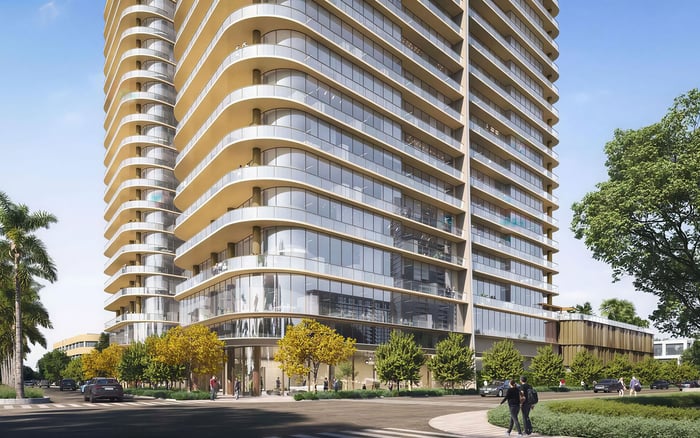
A buyer-focused look at The Village at Coral Gables, with emphasis on association structure, operating budgets, reserves, service levels, and long-term ownership obligations.
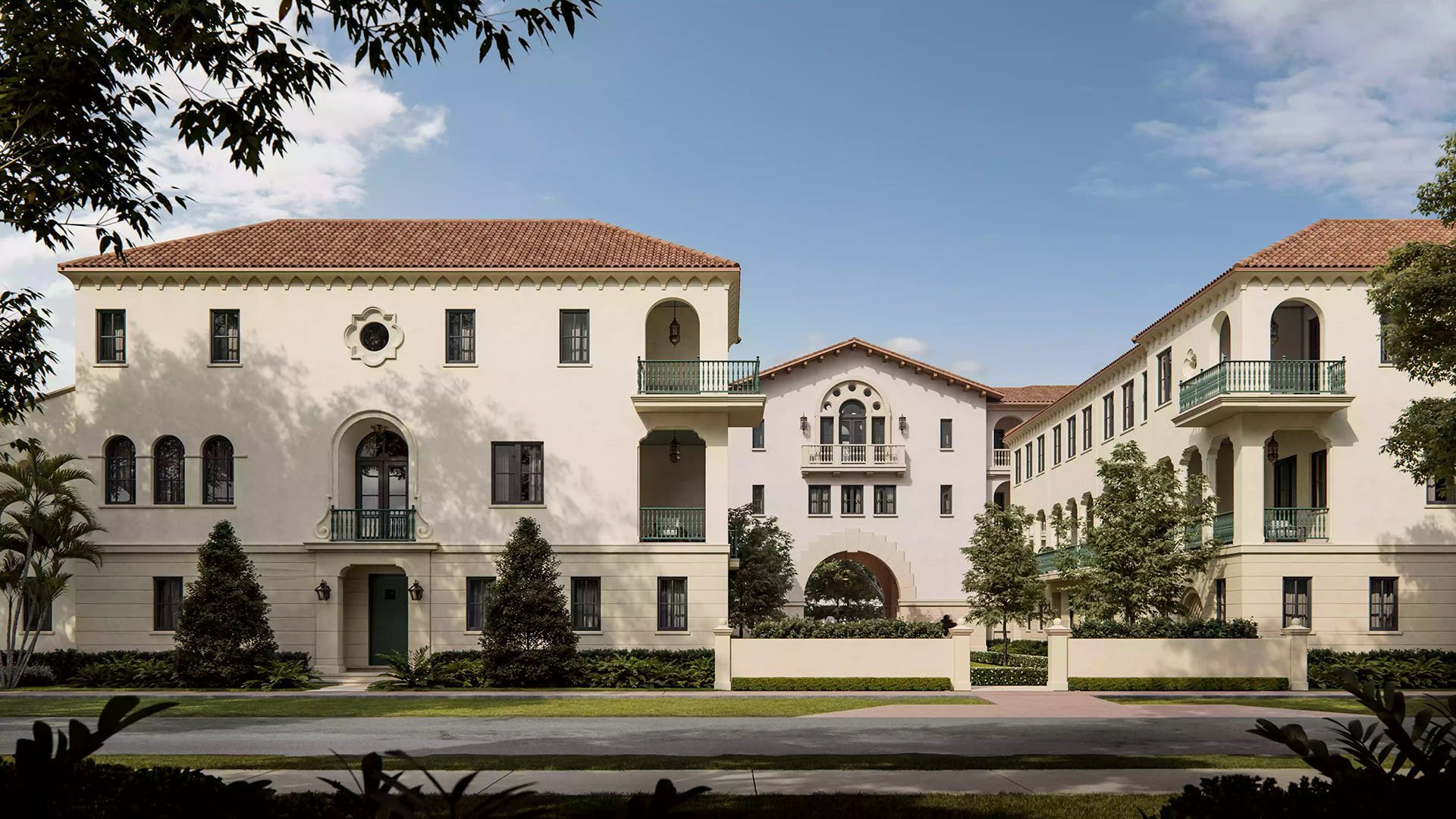
For many luxury buyers, the first impression of The Village at Coral Gables is architectural: a curated, village-style residential concept in Coral Gables rather than a conventional high-rise tower. That distinction is central to its appeal. It is also central to how buyers should evaluate future operating obligations.
In a lower-scale residential enclave, ownership costs are not limited to the private residence. They may also be shaped by shared landscaping, streetscape elements, pedestrian areas, exterior design standards, common amenities, and any community-level services that support the project’s presentation. For buyers accustomed to evaluating view corridors, floor plans, finish packages, and neighborhood access, the less visible documents can be just as consequential.
The right question is not simply, “What are the dues?” It is, “What do the dues cover today, who has authority to change them, and what obligations might transfer to owners over time?” In Coral Gables, where architectural consistency is part of the value proposition, the operating model deserves the same scrutiny as the design model.
Before comparing costs, buyers should confirm the governing structure for the specific residence they intend to purchase. A home within The Village at Coral Gables may be subject to a condominium association, an HOA, a master association, or a layered structure combining more than one association. The distinction matters because each structure can allocate maintenance responsibility, assessment authority, reserve obligations, and use restrictions differently.
A layered structure may mean one budget for the immediate residential component and another for broader shared elements. A condominium structure may define certain exterior or common areas differently than an HOA structure. A master association may have authority over community-wide assets or standards that affect owners even when those owners are also governed by a smaller association.
This is why buyers should request the declaration, bylaws, rules and regulations, proposed budget, reserve schedule, insurance summary, management contract, and any master-association documents. These are not mere closing paperwork. They are the operating constitution of the ownership experience.
Many South Florida buyers understand the rhythm of high-rise condominium ownership: lobby staffing, elevators, mechanical systems, pool decks, structured parking, building insurance, reserves, and a board-driven annual budget. The Village at Coral Gables appears to present a different operating profile because it is framed as a lower-scale residential enclave rather than a tower development.
That does not mean obligations are lighter. It means the obligations may be distributed differently. Instead of focusing only on vertical building systems, buyers should study the costs of maintaining the community’s horizontal experience: landscaping, walkways, exterior finishes, lighting, streetscape components, architectural guidelines, and any shared amenity or management services.
This is especially relevant for buyers comparing Coral Gables offerings such as Cora Merrick Park and Ponce Park Coral Gables. The neighborhood conversation often begins with location and design, but the more refined comparison includes how each project intends to preserve its built environment after the initial sales period.
Pre-construction buyers should review the developer’s proposed operating budget closely. It can help set expectations for monthly or quarterly assessments after closing, while also revealing the cost categories that ownership is expected to support.
The most useful review begins with inclusions. Buyers should ask whether quoted association fees include reserves, insurance, management, landscaping, building maintenance, shared infrastructure, amenity operations, security, concierge-style services, or programming. If a service is presented as part of the lifestyle, the buyer should understand whether it is funded by assessments, billed separately, temporarily subsidized, or subject to change after turnover.
The proposed budget should also be read for what it does not clearly answer. If reserve contributions appear limited, buyers should ask how future capital needs will be funded. If insurance is included, buyers should understand the scope of what is covered at the association level versus what remains the owner’s responsibility. If landscaping is central to the identity of the community, buyers should identify whether the budget reflects routine care, elevated standards, or only baseline maintenance.
For buyers evaluating a pre-construction or new-construction purchase, this lens matters because early budgets are not permanent promises. They are starting points for a community that will eventually be operated by owners, boards, vendors, and market realities.
The Village at Coral Gables is positioned around a curated residential experience, and that kind of experience can require ongoing discipline. Curated landscaping, management services, security, concierge-style operations, and amenity programming can all enhance daily life. They can also influence future dues.
A buyer should separate the emotional value of service from the budgetary mechanics of service. Is the community intended to feel discreet and residential, with limited staffing and carefully maintained grounds? Or is the service model more active, with management and programming that resemble a boutique hospitality environment? The answer affects the operating budget.
In the broader South Florida luxury market, buyers often compare neighborhoods and formats across different lifestyles. A buyer looking at The Well Coconut Grove, for example, may be thinking about wellness-oriented living, while a buyer focused on The Village may prioritize architectural continuity and the feel of a residential enclave. In both cases, the operating obligations should be evaluated as part of the lifestyle package, not as an afterthought.
Design and architecture are not peripheral issues at The Village. They sit close to the project’s identity. In Coral Gables, exterior upkeep and design consistency may carry unusual importance because the community’s value proposition relies heavily on presentation.
Buyers should therefore study the rules that govern exterior modifications, maintenance standards, landscape expectations, material approvals, and any restrictions on visible changes. These provisions can protect long-term value by preserving a coherent streetscape. They can also create obligations that owners must respect after closing.
This is where luxury ownership becomes a balance between freedom and stewardship. A highly designed community can retain its elegance because owners collectively accept limits on what can be changed, how repairs must be performed, and when maintenance must occur. Those standards may feel restrictive to some buyers, but they are often part of the reason the community feels refined in the first place.
Association fees should be viewed as variable over time. After an owner-controlled board is in place, budgets may be adjusted, vendor contracts may be renegotiated, staffing may change, reserves may be increased, and service levels may be reconsidered.
This does not make the original budget unhelpful. It simply means buyers should avoid treating early estimates as a fixed cost of ownership. The more useful approach is to understand the budget’s assumptions and test them against the community’s ambitions. A village-style luxury project with meaningful shared presentation standards may require consistent reinvestment.
Long-term buyers should also plan for the possibility of special assessments. These may arise from capital repairs, insurance changes, reserve shortfalls, or upgraded community standards. A disciplined buyer will not assume that a beautiful first delivery eliminates future capital needs. In luxury real estate, preservation is an ongoing operating obligation.
The most effective review is direct and document-based. Buyers should ask what association or associations govern the residence, what each association controls, what the current or proposed assessments include, and whether there are categories of expense that may be billed separately.
They should also ask how reserves are calculated, whether insurance obligations are split between association and owner, which components of the exterior are owner-maintained, and who is responsible for shared infrastructure. If the community includes amenities or service personnel, buyers should clarify whether those services are mandatory, optional, or subject to board approval.
For those comparing The Village with urban luxury projects such as 2200 Brickell, the exercise is not about declaring one model superior. It is about matching lifestyle preference with operating clarity. A tower, a boutique building, and a village-style enclave can each be compelling. The difference is in how obligations are organized, funded, and governed.
What should buyers review first at The Village at Coral Gables? Start with the governing documents, proposed operating budget, reserve schedule, insurance summary, and any master-association materials.
Can buyers rely on the first quoted association fee? It should be treated as an initial reference point, not a permanent cost. Future boards may adjust budgets, services, reserves, and vendor contracts.
Why does the association structure matter? It determines who can levy assessments, what owners must maintain, which rules apply, and how shared responsibilities are divided.
Could The Village have more than one association? Buyers should confirm whether the residence is governed by a condominium association, HOA, master association, or layered structure.
What costs may influence future assessments? Landscaping, streetscape care, pedestrian areas, exterior standards, amenities, management, insurance, reserves, and shared infrastructure may all matter.
Are reserves important for a new project? Yes. Reserves help address future capital needs, and buyers should understand how they are funded and what components they cover.
Why is exterior upkeep especially relevant here? The Village’s appeal is closely tied to architectural presentation, so design consistency and maintenance standards may affect long-term value.
Should buyers budget for special assessments? Long-term owners should allow for occasional special assessments tied to repairs, insurance changes, reserve shortfalls, or upgraded standards.
Is this diligence different from buying in a high-rise condo? Yes. A lower-scale enclave may have different maintenance priorities, especially around landscaping, streetscape, and exterior design standards.
Who should help review the documents? Buyers should involve qualified legal, insurance, and financial advisers before relying on any operating-cost assumptions.
For a discreet conversation and a curated building-by-building shortlist, connect with MILLION.
If branded residences are on your mind — as a home or as an allocation — we would be glad to share what we are seeing, privately.
Begin a quiet conversation