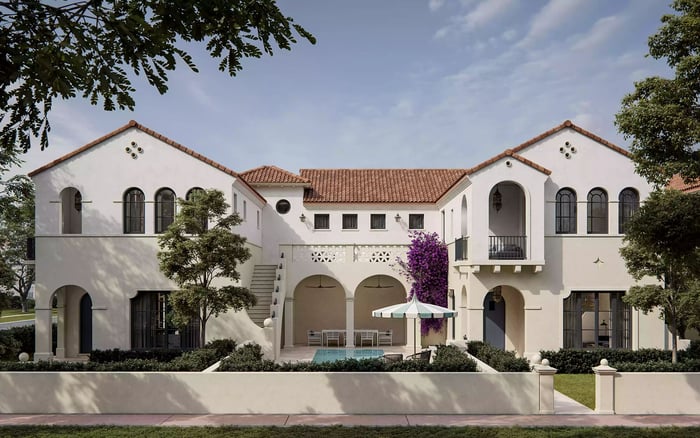
A buyer-focused guide to reading association meeting minutes before purchasing luxury condominium, townhouse, or HOA-governed property in Coral Gables.
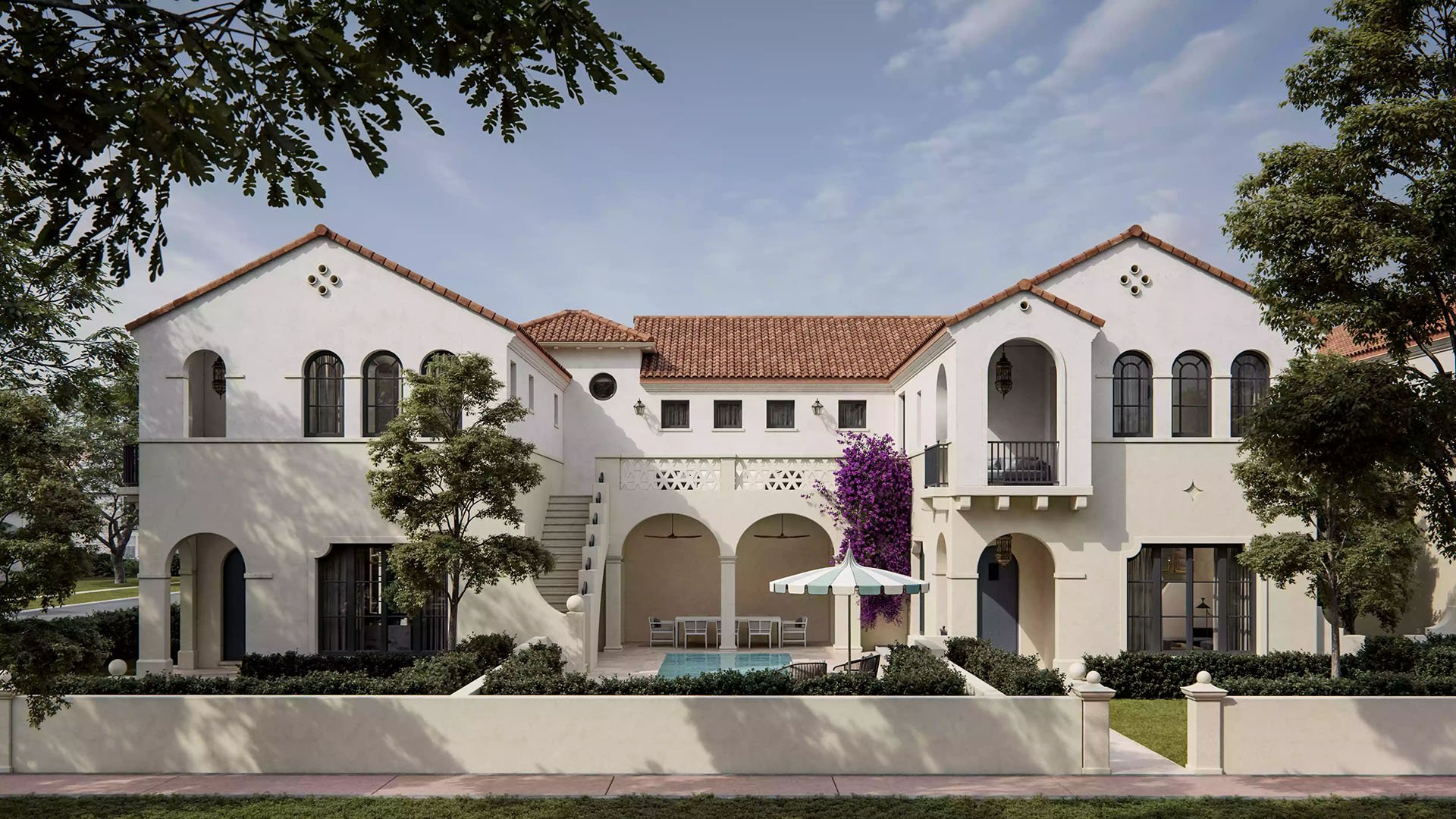
In Coral Gables, the most revealing due diligence document is often not the glossy brochure, the floor plan, or the view corridor. It is the association meeting minute: a compact record of what an ownership community has been debating, delaying, funding, enforcing, and repairing.
For a luxury buyer, minutes are not background paperwork. They are a behavioral record. They show whether a board appears proactive or reactive, whether maintenance is anticipated or deferred, whether rules are enforced evenly, and whether financial decisions reflect the discipline expected at the top of the market. In a city where condominium, townhouse, villa, and gated single-family settings may involve layered governance, minutes can also clarify who appears to control what: the condominium association, a homeowners’ association, a master association, or an architectural review structure.
That is why a Coral Gables buyer should ask precise questions before waiving contingencies. Whether reviewing a boutique new address such as Cora Merrick Park or comparing a resale opportunity in an established enclave, the minutes help turn elegance into evidence.
Ask for 12 to 24 months of board, membership, budget, and committee minutes where available. If the property is part of more than one association, request minutes from each layer so the review does not miss a master association, sub-association, architectural committee, or shared-service structure.
Do not review minutes in isolation. Pair them with the declaration, bylaws, rules, current budget, year-end financial information, insurance materials, seller disclosures, resale disclosures, and the estoppel certificate when those materials are provided. The key question is not whether a single issue appears once. It is whether the same issue keeps returning without resolution.
Ask how quickly owners can inspect and copy association records after closing, and have a Florida real estate attorney explain the applicable rights and limits. A luxury association should be organized, responsive, and able to produce records in a way that supports confident ownership. Slow or incomplete access before purchase can foreshadow frustrating governance after purchase.
Also ask whether any meetings or portions of meetings were closed, and why. Some sensitive topics may not appear in ordinary open minutes, but a pattern of vague closed sessions deserves careful follow-up through counsel.
The central financial question is simple: do the minutes support the budget, or contradict it? Look for references to special assessments, assessment increases, borrowing, operating deficits, delinquent owners, lien activity, or unusually large receivables. If these topics appear repeatedly, ask for the supporting financial records and board explanations.
For condominiums, reserve discussion is critical. Buyers should ask whether reserve items, capital projects, deferred maintenance, and funding decisions have been debated, delayed, reduced, or left unclear. A polished lobby does not offset a reserve strategy that cannot support major building systems, exterior components, common amenities, or life-safety needs.
Insurance deserves the same scrutiny. Ask whether the minutes mention premium increases, deductible changes, coverage revisions, claims, or disputes over insurability. In high-value South Florida property, insurance can reshape monthly carrying costs and future assessment exposure.
The best boards leave a clean trail: the notice states what will be discussed, the agenda frames it, the minutes record the decision, and the budget reflects the consequence. When those pieces do not align, pause.
Coral Gables buyers often gravitate to architecture, garden space, walkability, and permanence. That aesthetic discipline should extend to due diligence. If the minutes mention roofs, façades, balconies, elevators, drainage, pool systems, seawalls, private roads, gates, or landscaping, ask whether the association has tied those discussions to reserves, contracts, professional recommendations, or future assessments.
If minutes mention inspection findings, structural concerns, reserve studies, repair recommendations, or funding gaps, review those entries with a construction professional and a Florida real estate attorney before closing. The goal is not to diagnose the building from the minutes alone. It is to identify which questions need expert review before the purchase becomes final.
Coral Gables also requires buyers to think about how exterior appearance, approvals, and community standards affect long-term value. If the minutes refer to exterior changes, architectural approvals, historic concerns, additions, gates, walls, parking, docks, or landscaping disputes, cross-check the issue with the governing documents and the appropriate local process. At a finely composed address such as Ponce Park Coral Gables, the value proposition often depends on more than private interiors. It depends on how carefully the community governs the public-facing realm.
Minutes reveal tone. Repeated disputes over guests, parking, pets, leasing, exterior changes, docks, architectural approvals, short visits, security access, or common-area use are not minor if they reflect a community in constant conflict. Ask whether fines, suspensions, or enforcement actions appear often, and whether the rules being enforced are clearly stated in the governing documents.
Vendor contracts are another window into service quality. Ask whether minutes identify major contracts for management, security, landscaping, valet, elevators, pool care, marina operations, concierge staffing, or maintenance. Luxury living relies on quiet execution. When vendor turnover, complaints, or unpaid invoices appear frequently, the service promise may be less stable than the architecture suggests.
For gated single-family or townhouse communities, HOA minutes can be especially useful. They may show recurring disputes over guards, gate access, private roads, irrigation, lighting, landscaping, or common-area maintenance. A home can be privately owned yet still be deeply affected by association decisions.
New-construction buyers should ask how control transitions from developer to owners, what interim budgets assume, and whether early minutes show unresolved punch-list, warranty, staffing, or operating-cost issues. In a village-style setting such as The Village at Coral Gables, the documents should clarify how shared amenities, architectural standards, and community obligations will be administered once residents are in control.
Resale buyers should look for continuity. A mature association with calm minutes, clear budgets, funded reserves, and predictable enforcement can represent hidden value. Conversely, an apparently immaculate property with recurring assessment debates, insurance shocks, structural uncertainty, or unresolved neighbor disputes may require a more conservative offer, broader contingency, or decision to walk away.
The point is not to make minutes feel intimidating. It is to treat them as an elegant filter. The right questions protect capital, preserve lifestyle, and reveal whether the association’s culture matches the property’s asking price.
How many months of association minutes should I request? Ask for at least 12 to 24 months, including board, membership, budget, and committee minutes where available.
Should I request minutes for each association layer? Yes. If the property involves a condominium association, homeowners’ association, master association, or committee structure, ask for the relevant minutes from each layer.
What is the first red flag in meeting minutes? Repeated discussion of the same costly issue without a clear decision, budget line, funding plan, or repair timeline deserves follow-up.
Why do reserves matter so much in luxury condominiums? Reserves help connect today’s monthly carrying cost to tomorrow’s capital needs, including major systems, shared amenities, and deferred maintenance.
Should I worry about closed board meetings? Not automatically, but you should ask why a topic was handled outside ordinary minutes and have counsel explain whether the approach is appropriate.
What building issues should I search for in the minutes? Look for references to roofs, balconies, concrete, waterproofing, elevators, seawalls, drainage, inspections, and repair studies.
Do insurance discussions in minutes matter? Yes. Premiums, deductibles, claims, and coverage changes can affect assessments, budgets, and the long-term cost of ownership.
How do Coral Gables considerations enter the review? If minutes discuss exterior changes, historic issues, gates, parking, landscaping, docks, or approvals, compare them with the governing documents and local process.
Can minutes reveal lifestyle restrictions? Yes. They often show recurring friction around leasing, guests, parking, pets, docks, architectural approvals, security access, and enforcement.
Who should review the minutes with me? A Florida real estate attorney, experienced advisor, and relevant building or insurance professionals can help interpret risk.
For a tailored shortlist and next-step guidance, connect with MILLION.
If branded residences are on your mind — as a home or as an allocation — we would be glad to share what we are seeing, privately.
Begin a quiet conversation