A buyer-focused guide to waterfront insurance planning in South Florida, with emphasis on flood coverage, hurricane deductibles, seasonal occupancy, mitigation documentation, and lock-and-leave risk controls before closing.
For South Florida’s waterfront buyer, insurance is not an administrative task to complete after falling for the view. It is part of the acquisition itself. The underwriting conversation can be as consequential as the inspection report, financing terms, or closing timeline.
That is especially true for lock-and-leave owners. A residence that may sit unattended for weeks, or be seasonally occupied by family and guests, has a different operational profile than a primary home with daily oversight. Before the inspection period expires, buyers should understand whether proposed policies match the property’s actual exposure, including flood, wind, hurricane deductibles, vacancy provisions, water leaks, detached structures, docks, seawalls, collections, and contents.
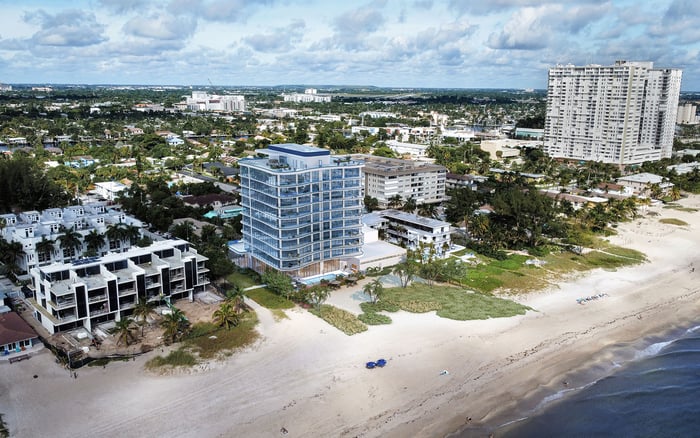
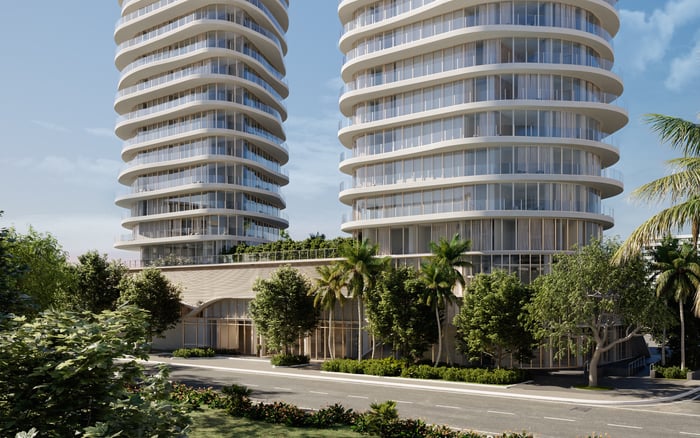
Waterfront ownership in Miami Beach, Sunny Isles Beach, Fort Lauderdale, Boca Raton, Palm Beach, and Pompano Beach can feel beautifully effortless when the planning is precise. Buyers comparing a coastal condominium such as 57 Ocean Miami Beach with a canal-front estate or a marina-oriented residence are not simply comparing lifestyle. They are comparing risk architecture.
One of the most common mistakes in waterfront due diligence is treating “insurance” as a single line item. Flood risk and wind risk should be reviewed separately because the coverage structure, exclusions, deductibles, and underwriting questions may differ.
The distinction matters because waterfront homes can face more than one kind of storm-related exposure. A buyer should review the property’s setting, elevation materials when available, association documents if applicable, and any known mitigation records before closing.
Flood-zone and map review should happen during the contract period, not after. Flood-zone status may affect lender requirements, insurance options, mitigation planning, and the overall cost of ownership. Elevation documentation, when available, can also help buyers and advisors understand the property’s physical profile.
Basic flood coverage may not be designed around the replacement cost, contents profile, and living-cost expectations of a luxury waterfront residence. For a South Florida buyer furnishing a home with bespoke interiors, art, wine storage, electronics, designer furniture, and specialty systems, the insurance conversation should go beyond whether a policy exists.
Private flood or excess flood coverage may be worth discussing when the home’s replacement cost, contents value, or additional living expense needs are material to the buyer’s planning. The conversation should include more than premium. Buyers should review exclusions, deductibles, claims handling, and whether the policy contemplates the property’s actual use pattern.
Timing matters. Buyers should secure quotes early in the contract period, while they still have time to address underwriting concerns, request documentation, or reconsider the economics of the purchase.
For MILLION Buyer's Guides readers, the central question is not whether a policy can be found. It is whether the structure, limits, deductibles, and procedures are suitable for the asset being acquired.
Hurricane deductibles can represent meaningful out-of-pocket exposure after a covered storm, especially for high-value properties. Buyers should model the deductible in dollars, not merely as a percentage or policy term.
Wind mitigation is another critical part of the underwriting conversation. Roof condition, opening protection, roof-to-wall connections, and water-resistance details may be relevant to insurability and pricing. Impact-resistant windows, doors, and storm shutters can also be part of a broader risk-control review.
In condominium settings, buyers should understand the relationship between the association’s insurance and the owner’s individual policy. A residence at The Perigon Miami Beach or Bentley Residences Sunny Isles may involve a different documentation process than a single-family bayfront home, but the buyer still needs clarity on personal property, interior improvements, deductibles, assessments, and what is limited or excluded.
If private-market coverage is difficult to obtain or the terms appear unsuitable, buyers should evaluate alternatives carefully before relying on them. The existence of an option does not make it the right long-term solution.
Second-home buyers often focus on the arrival experience: the stocked refrigerator, the prepared terrace, the boat day, the effortless handoff from airport to residence. Insurance planning asks a quieter question: what happens when nobody is there?
Lock-and-leave owners should confirm how policies treat vacancy, seasonal occupancy, water leaks, and required maintenance. An unattended property can create coverage complications if a carrier expects specific safeguards, inspections, or mitigation steps. Remote leak detection, monitored alarms, generator maintenance, local property management, hurricane shutter protocols, and written storm-prep procedures can help align the operating reality of the home with the assumptions behind coverage.
Waterfront buyers should also verify whether docks, boat lifts, seawalls, pools, outdoor kitchens, generators, and detached structures are covered, limited, or excluded. These features are central to the South Florida lifestyle, yet they may sit outside the cleanest reading of standard coverage.
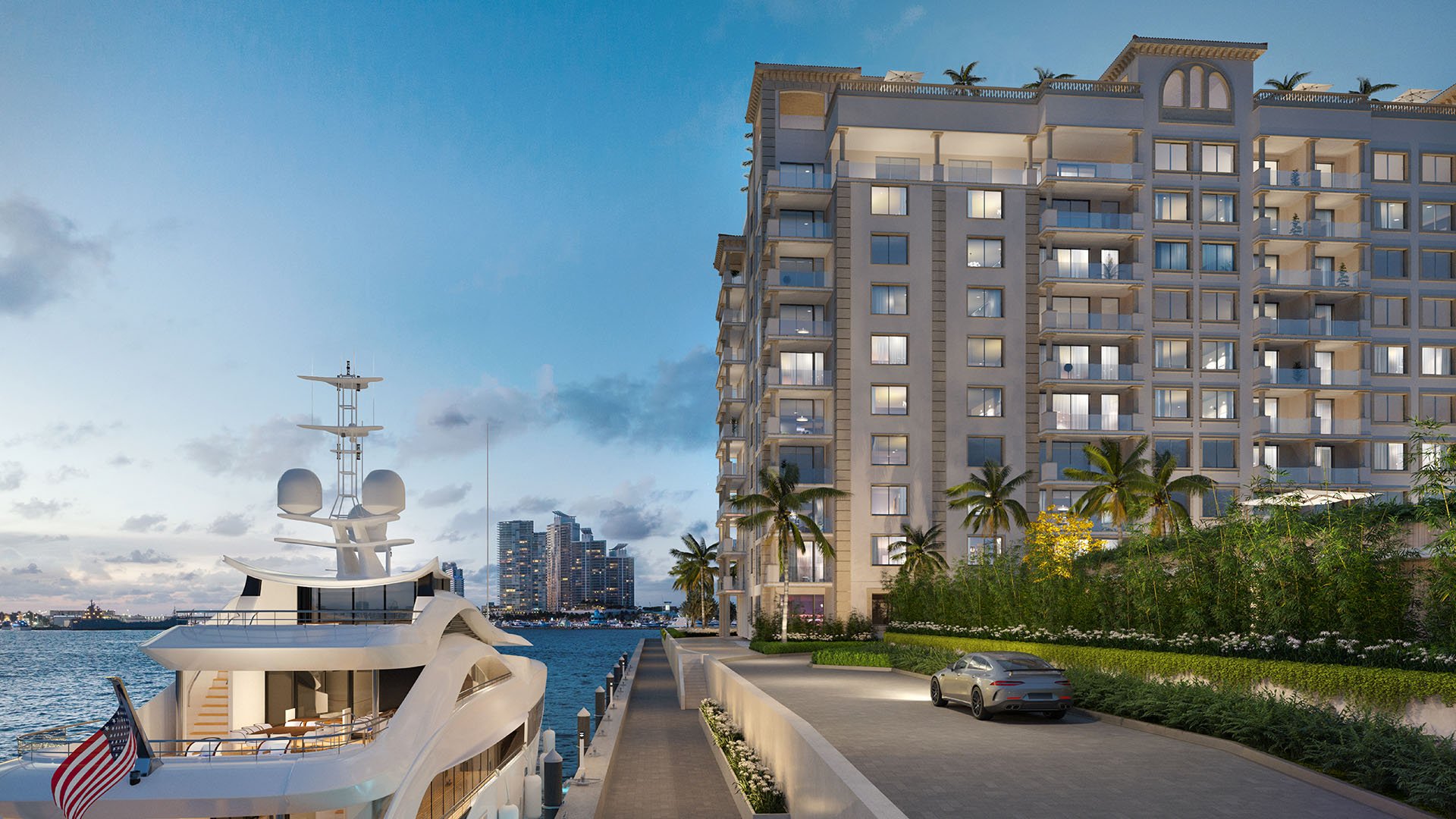
For a marina-adjacent lifestyle in Fort Lauderdale, a property such as St. Regis® Residences Bahia Mar Fort Lauderdale may invite a broader review that includes boat, umbrella liability, personal property, and any responsibilities tied to waterfront use. High-net-worth owners should coordinate homeowners, flood, wind, umbrella liability, boat, dock, seawall, and collections coverage because the exposures are often divided across multiple policies.
The strongest buyers create an insurance file during the contract period. That file should include quotes for homeowners, wind, flood, and any excess layers; a deductible summary; flood-zone and map review; elevation documentation when available; wind mitigation details; roof and opening-protection information; and a written review of exclusions and limitations.
For waterfront assets, this process should run in parallel with inspections, title review, association document review, and financing. It should not wait for loan approval or closing. If specialized underwriting, inspections, mitigation documentation, or flood-zone review are required, early action preserves optionality.
A polished residence on the sand, a tower home over Biscayne Bay, or a private estate with dockage can each be an exceptional holding. The discipline is matching the insurance program to the property’s actual physical, financial, and occupancy profile.
Does standard homeowners insurance always address waterfront flood exposure? Buyers should not assume it does. Flood coverage should be reviewed as its own line of diligence alongside homeowners and wind coverage.
When should a buyer start obtaining insurance quotes? Early in the contract period. Coastal properties may require specialized underwriting, inspections, mitigation documents, and flood-zone review.
Why does timing matter for flood coverage? Timing matters because coverage placement can involve underwriting questions and documentation requests. Waiting until late in the closing process can reduce a buyer’s options.
Are basic flood limits always enough for luxury homes? Not necessarily. Luxury buyers should compare policy limits with the property’s replacement cost, contents profile, and expected living-cost needs.
What is elevation documentation used for? It can help describe a structure’s elevation and flood characteristics. Buyers can use it as part of underwriting, mitigation, and ownership-cost review.
How should buyers think about hurricane deductibles? They should model the deductible as an actual dollar amount. The goal is to understand the liquidity impact before a storm claim occurs.
Do impact windows and shutters affect the insurance conversation? They can be relevant. Opening protection is part of the broader mitigation and underwriting review for hurricane-prone coastal property.
What makes lock-and-leave ownership different? Vacancy, seasonal occupancy, water leaks, and maintenance expectations can create coverage issues if not addressed before closing.
Should docks and seawalls be reviewed separately? Yes. Buyers should verify whether docks, boat lifts, seawalls, pools, generators, and detached structures are covered, limited, or excluded.
How should condo buyers approach insurance diligence? They should review the association’s coverage alongside their individual policy needs. Interior improvements, personal property, assessments, deductibles, and exclusions all deserve attention.
To compare the best-fit options with clarity, connect with MILLION.
If branded residences are on your mind — as a home or as an allocation — we would be glad to share what we are seeing, privately.
Begin a quiet conversation