A discreet buyer’s guide to seawall responsibility in Hallandale Beach, from ownership and maintenance to assessments, surveys, condo documents and long-term resale strategy.
In Hallandale Beach, even the most elegant waterfront purchase can turn on a practical issue at the property’s edge: who is responsible for the seawall. For luxury buyers, this is not merely a maintenance question. It is a question of control, governance, timing, liquidity and negotiating leverage.
A seawall sits at the intersection of real estate, engineering, insurance, title, association governance and future resale. Its visible condition may appear reassuring during a private showing, but the real answer is found in documents, surveys, association records and professional review. A buyer does not need to become a marine contractor. A buyer does need to know which questions must be answered before deposit money hardens, inspection periods expire or closing pressure builds.
That is why seawall diligence belongs in the same conversation as view corridors, dockage, privacy, elevator access and amenity quality. The waterfront edge deserves particular attention because it is both a lifestyle feature and a capital item.
The first question is deceptively simple: who owns the seawall? In a single-family setting, the answer may involve the parcel boundary, survey language, easements, rights of way, historical improvements and maintenance patterns. In a condominium or planned community, the answer may turn on whether the seawall is a common element, a limited common element, an association responsibility or an obligation allocated to particular owners.
Ask for the most recent survey, title materials, recorded easements and any documents that identify the waterfront boundary. Then ask your attorney and surveyor to explain where the private property ends, where the water interface begins and whether any adjoining property, association or public entity has rights that affect repairs or access.
The next question is who maintains it. Ownership and maintenance do not always operate the same way in practice. A property owner may own land to a certain line, while an association, neighbor or governing document affects how work is approved, coordinated or funded. Before you admire a sunset terrace, understand who can authorize work, who can delay it and who pays when it becomes urgent.
For condominium buyers, seawall responsibility should be read through the declaration, bylaws, budget, reserve materials, meeting minutes and insurance language. A waterfront tower may present an effortless lifestyle, but the edge condition can still be a shared asset with shared consequences.
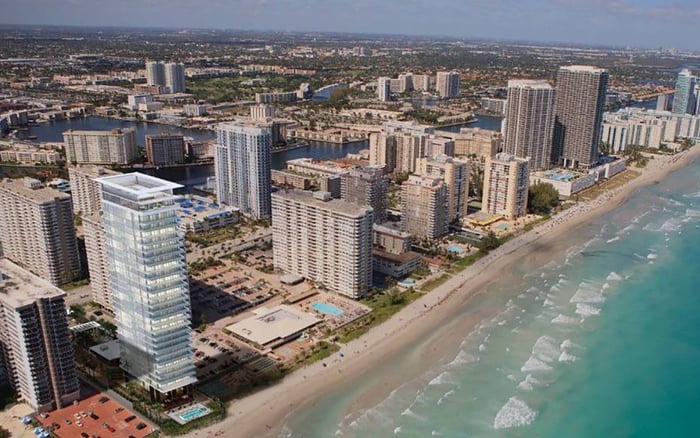
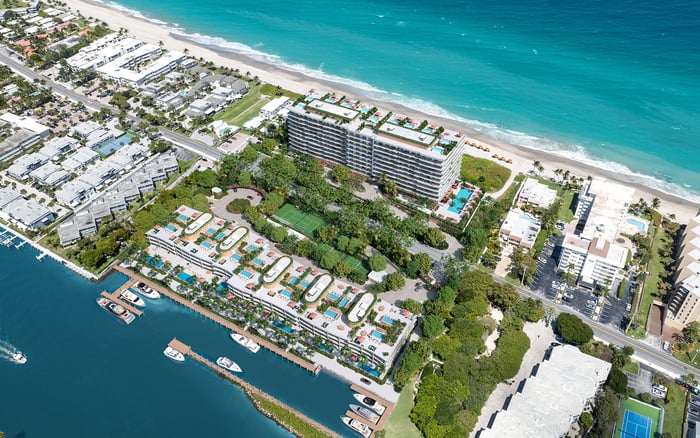
In a Hallandale Beach search, a buyer comparing 2000 Ocean Hallandale Beach with Shell Bay by Auberge Hallandale should not stop at finishes, service culture or view orientation. Ask whether waterfront structures are treated as association assets, how maintenance is budgeted and whether any upcoming work has been discussed. If the answer is vague, keep asking until it becomes documentary.
Important questions include: Is the seawall included in reserves? Has the association commissioned any condition study? Are there pending proposals, special assessments or capital projects related to waterfront infrastructure? Does the association carry insurance that touches waterfront improvements, and what exclusions or deductibles might matter? Has access for inspection or repair ever been an issue?
A sophisticated board may have clear documentation, budget discipline and a practical plan. A less prepared association may still have a beautiful lobby and immaculate landscaping. The difference matters when ownership extends beyond the apartment and into the collective obligations of the building.
The best time to ask about seawall responsibility is before the offer becomes emotionally expensive. A complete diligence request should include the current survey, title commitment, recorded plats, easements, association documents, budgets, reserve schedules, minutes, engineering letters, permit history for waterfront work and any correspondence about repairs, deficiencies or neighboring conditions.
For single-family buyers, add contractor proposals, invoices for past seawall work, photographs of prior repairs and any dock or boat-lift approvals if those features are part of the property. For condominium buyers, ask whether the seawall has been discussed in board meetings and whether any owner communications mention waterfront repairs or assessments.
Do not rely on a casual assurance that the seawall is fine. Ask who inspected it, when it was inspected, what scope was included and whether the inspection addressed only visible conditions or structural concerns as well. If the purchase is significant, a waterfront specialist should be part of the inspection team.
The goal is not to create anxiety. The goal is to convert a hidden variable into a priced variable. Once responsibility, condition and governance are understood, a buyer can decide whether the asset still supports the intended offer.
Not every waterfront setting carries the same pattern of concern. Oceanfront properties raise questions about exposure, access, shared amenities and building-level responsibility. Canal and Intracoastal settings may raise more direct questions about docks, boat access, neighboring walls and lot-by-lot maintenance. Marina environments can add another layer of governance, including slip rights, use rules and repair coordination.
The same discipline applies beyond Hallandale. A buyer considering Riva Residenze Fort Lauderdale or La Baia North Bay Harbor Islands should ask how waterfront edges, docks, access points and shared marine amenities are governed. The details will differ by property, but the due diligence logic remains constant.
Waterfront is a broad category in luxury real estate, yet responsibility is always specific. Oceanfront glamour does not replace document review. Marina convenience does not answer who pays. A private dock does not resolve whether the underlying seawall is sound, permitted or properly maintained.
Seawall responsibility can influence value even when no immediate repair is planned. If a buyer may inherit future assessments, complicated approvals or uncertain maintenance obligations, that uncertainty belongs in the negotiation. It may affect price, escrow terms, inspection periods or the decision to proceed.
The issue also matters for exit strategy. A future buyer will ask the same questions, often with sharper scrutiny if market conditions are less forgiving. Clean documentation can protect resale confidence. Unclear responsibility can slow a sale, invite renegotiation or narrow the buyer pool to those comfortable with infrastructure ambiguity.
For a luxury buyer, the ideal answer is not always that someone else pays. The ideal answer is clarity. If the owner pays, the buyer can budget. If the association pays, the buyer can evaluate reserves and governance. If responsibility is shared, the buyer can study how decisions are made. What creates risk is not responsibility itself, but uncertainty about responsibility.
In Hallandale Beach and across South Florida’s premium coastline, the seawall is part of the architecture of ownership. Treat it with the same rigor you would apply to the roof, structure, mechanical systems, building reserves and legal rights.
Who is responsible for a seawall in Hallandale Beach? Responsibility depends on the property documents, survey, title materials and association governing documents. Confirm the answer with counsel before closing.
Should I order a seawall inspection before buying? For a meaningful waterfront purchase, a specialist review is prudent. A general visual inspection may not answer structural, permitting or long-term maintenance questions.
Can a condo association be responsible for the seawall? It can be, but the answer depends on how the condominium documents define common elements and maintenance obligations. Review the declaration, budget and reserves carefully.
What documents should I request first? Start with the survey, title commitment, recorded easements, association documents, budgets, reserves, meeting minutes and any waterfront repair history.
Can seawall issues affect my mortgage or insurance process? They can create questions during underwriting or insurance review if condition, responsibility or repair obligations are unclear. Address them early in the contract timeline.
Should seawall responsibility affect my offer price? Yes, if the obligation is uncertain, underfunded or likely to require near-term work. Convert the risk into a negotiated term rather than ignoring it.
Is a beautiful seawall enough evidence that it is sound? No. Appearance is useful, but documentation and professional evaluation are more important for understanding condition and responsibility.
What if responsibility is shared with an association or neighbor? Ask how decisions are approved, how costs are allocated and what happens if one party delays. Shared responsibility requires especially clear documentation.
Are docks and seawalls reviewed together? They should be reviewed together when both are part of the waterfront experience. Dock rights, access and approvals can intersect with seawall condition and maintenance.
When should I raise seawall questions in the purchase process? Raise them before contract deadlines become tight. Early diligence gives your advisory team time to review documents, inspect conditions and negotiate intelligently.
If you'd like a private walkthrough and a curated shortlist, connect with MILLION.
If branded residences are on your mind — as a home or as an allocation — we would be glad to share what we are seeing, privately.
Begin a quiet conversation