A discreet buyer’s guide to evaluating climate control, humidity management, filtration, backup systems, and display planning before purchasing a luxury residence in Brickell Key.
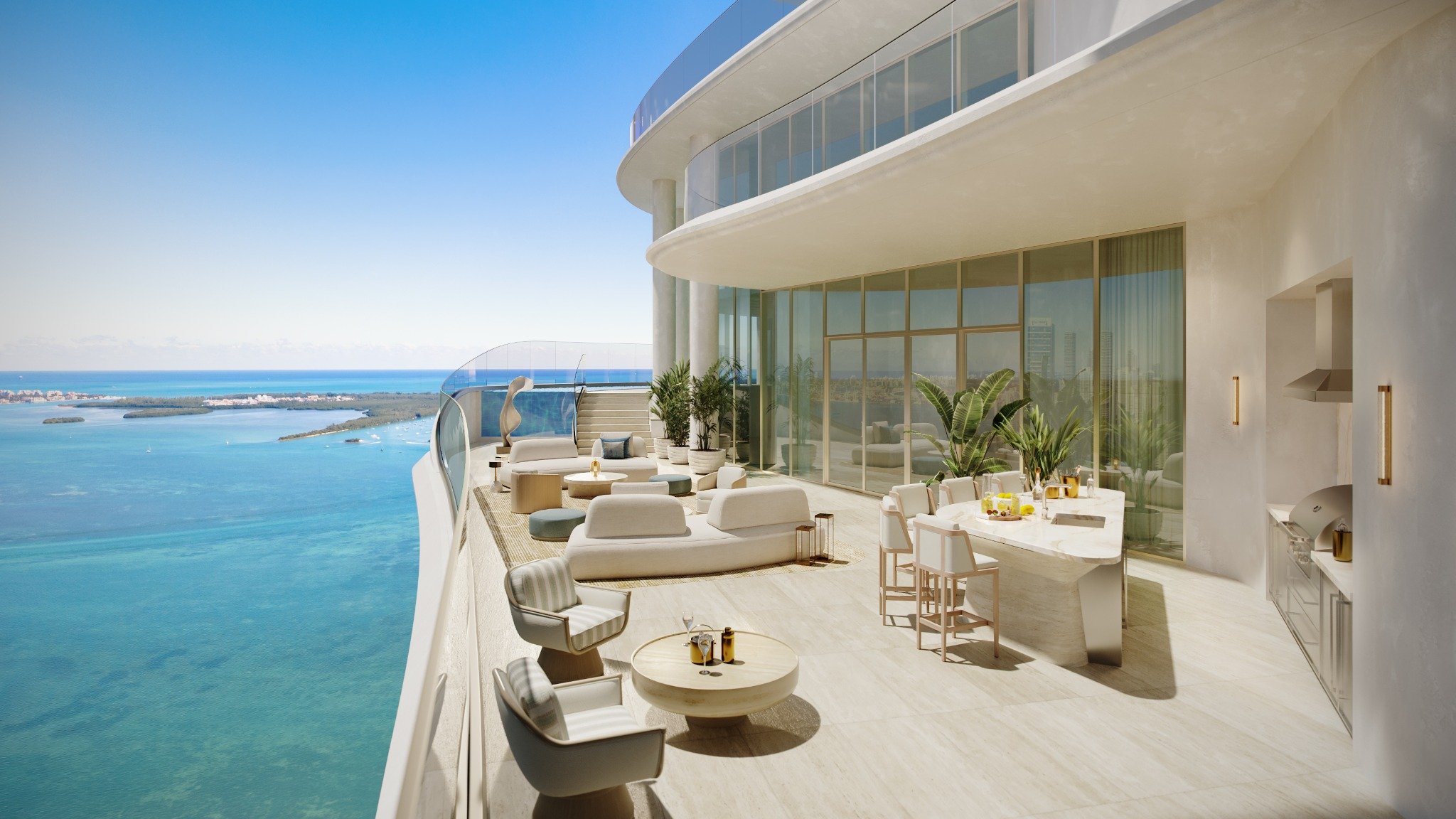
For a collector considering Brickell Key, climate control is not a mechanical footnote. It is part of the value proposition. Art, design objects, photography, works on paper, vintage furniture, and rare books all respond to the environment around them. A residence may present beautifully at sunset and still warrant deeper questions about humidity, air movement, filtration, heat gain, maintenance access, and emergency continuity.
In the ultra-premium market, the most elegant question is often the most practical one: can this home support the way you actually live with art? That does not mean turning a private residence into a museum. It means understanding whether the home’s systems can maintain a stable environment, whether your advisors can monitor conditions discreetly, and whether the building’s rules allow the improvements your collection may require.
This is especially important for buyers comparing Brickell Key with nearby Brickell, waterfront Miami, and other high-service enclaves. A residence such as The Residences at Mandarin Oriental, Miami may attract a buyer thinking not only about lifestyle and service, but also about how art, interiors, and mechanical performance coexist.
Many buyers ask the age of the air-conditioning system. Collectors should go further. Ask which rooms are independently controlled, whether there are separate zones for primary living areas, bedrooms, storage rooms, staff areas, and display walls, and whether the system can hold a stable range recommended by your art advisor or conservator.
The issue is not simply cold air. Stability matters. Rapid swings in temperature or humidity can be more concerning than a setting that is slightly imperfect but consistent. Ask for service history, the location of air handlers, the type of thermostats in use, and whether the system can accommodate upgraded monitoring without intrusive construction.
If you are considering a renovation, ask whether additional ductwork, supplemental dehumidification, or dedicated climate equipment would require association approval. In many luxury condominiums, the technical question and the governance question are inseparable.
In South Florida, humidity belongs in the buyer’s conversation from the beginning. The question is not whether the home feels comfortable during a tour. The question is whether the residence can remain consistent through daily living, seasonal occupancy, travel periods, and heavy entertaining.
Ask how humidity is measured in the home today. Is it visible through a thermostat, monitored through a separate device, or not tracked at all? Ask whether the building’s systems affect indoor air when the residence is unoccupied. For a second-home owner, this matters because art may remain in the residence even when the owner does not.
A careful buyer should also ask where art would be crated, unpacked, staged, and temporarily stored during installation. A beautiful great room may be suitable for display, while a back corridor or service area may not be appropriate for works in transition.
Air quality is often discussed in wellness language, but collectors should approach it with equal seriousness. Ask what filtration is currently in place, how often filters are changed, and whether upgraded filtration is compatible with the existing system. Ask whether cooking areas, fireplaces, fragrance systems, or cigar terraces could affect adjacent art walls.
Also ask how fresh air enters the residence. Some homes rely on building systems, some have more individualized arrangements, and some require further review by an HVAC professional. The objective is to understand airflow, not to assume that an expensive residence automatically behaves like a gallery.
For buyers comparing Brickell addresses, this due diligence can become part of the broader selection process. Residences such as St. Regis® Residences Brickell may appeal to clients who expect a high level of refinement, yet every buyer should still verify the specific mechanical arrangement of the individual home under consideration.
Art-friendly climate control is not limited to equipment. Windows, orientations, shade pockets, ceiling heights, lighting plans, and wall construction all influence how a collection lives inside a residence. Ask which walls receive the most direct sunlight, how motorized shades are controlled, and whether specialty glazing or films are permitted under building rules.
A collector should walk the home at different times of day when possible. The wall that looks perfect during a morning tour may be less suitable when afternoon light moves across it. Ask your designer to map potential art walls before you finalize furniture plans. In a residence where views are central to the experience, the best display strategy may be selective rather than abundant.
This is where design and architecture become practical. The most successful interiors do not fight the climate, the glass, or the view. They compose around them.
A serious buyer should ask what happens when normal systems are interrupted. Which components are connected to backup power, if any? Does the residence have leak detection, temperature alerts, humidity alerts, or remote monitoring? Who receives the notice, and who is authorized to enter the home if the owner is away?
These questions are not dramatic. They are disciplined. A valuable collection needs a response plan. That plan should include the owner, property manager, building team, art advisor, insurer, and preferred vendors. If a residence will be vacant for long periods, confirm whether the building permits third-party monitoring devices and whether staff can access the unit according to written procedures.
For buyers drawn to the broader Brickell corridor, projects such as Baccarat Residences Brickell and Una Residences Brickell often enter conversations about skyline, water, service, and design. For a collector, the next layer is always operational: how will the home perform when no one is looking?
Before contract, ask whether the seller can provide HVAC service records, manuals, recent repairs, and any association guidance on mechanical modifications. During inspection, consider adding specialists who understand high-value interiors, not only general residential systems. Before closing, confirm who will maintain the system, how often it will be serviced, and what monitoring will be active on day one.
The most useful approach is to separate aesthetics from performance, then bring them back together. A residence should be beautiful, but it should also be legible. You should know where the equipment is, how it is accessed, what can be upgraded, and which rooms are most suitable for sensitive works.
If Art Basel season is when your collection expands, do not wait until after acquisition to discover that the chosen art wall receives harsh light or that humidity monitoring was never installed. The best purchases anticipate the collection before the first crate arrives.
On the final walk-through, revisit the residence with art in mind. Stand where major works may hang. Open the shade controls. Listen for air movement. Ask where sensors will sit without disrupting the interior. Confirm that service access will not require moving major pieces. Review insurance requirements before installation, especially for waterfront residences where exposure, access, and emergency planning should be treated with care.
The ideal Brickell Key purchase is not necessarily the home with the most technology. It is the home where technology, building protocol, design intent, and collection stewardship align quietly. That alignment is what separates a beautiful apartment from a residence prepared for a serious private collection.
Should I ask about climate control before making an offer? Yes. Early questions help you understand whether the residence can support your collection without costly surprises after closing.
Is standard air conditioning enough for valuable art? Not always. Ask your conservator or art advisor what stability, humidity control, and monitoring your specific works require.
What documents should I request from the seller? Ask for HVAC service records, equipment information, manuals, warranty details, and any records of recent repairs or upgrades.
Should I bring an HVAC specialist to the inspection? For a meaningful collection, yes. A specialist can evaluate zoning, access, humidity control, filtration, and upgrade potential.
Can I add dedicated climate equipment after closing? Possibly, but confirm association rules, permitting, space constraints, noise considerations, and service access before relying on that plan.
How should I evaluate sunlight on potential art walls? Visit at different times when possible, review shade controls, and have your designer map display walls before finalizing layouts.
Do I need remote monitoring if the residence is seasonal? It is strongly worth discussing. Alerts for temperature, humidity, and leaks can help protect works when you are away.
What should I ask about filtration? Ask what filters are used, how often they are changed, and whether upgraded filtration is compatible with the current system.
Should art storage be planned separately from display? Yes. Temporary staging, unpacking, and storage areas should be evaluated for stability, cleanliness, access, and security.
Who should be involved before installation day? Include your designer, art advisor, conservator when appropriate, insurer, property manager, and building team.
For a tailored shortlist and next-step guidance, connect with MILLION.
If branded residences are on your mind — as a home or as an allocation — we would be glad to share what we are seeing, privately.
Begin a quiet conversation