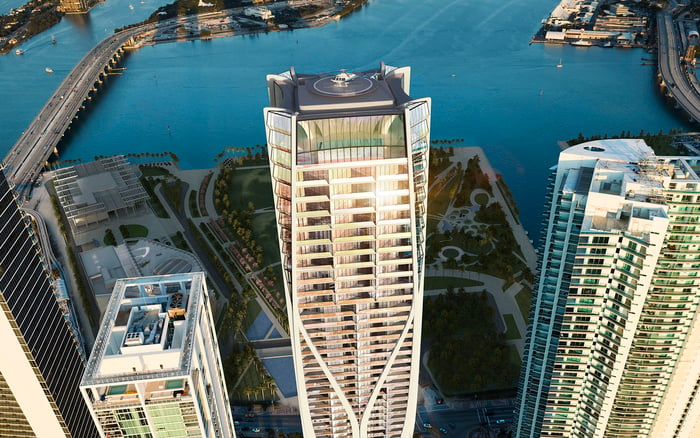
A discreet buyer’s guide to understanding how prior leaks, envelope issues, repairs, insurance, assessments, and resale perception can alter the economics of a South Florida trophy penthouse.
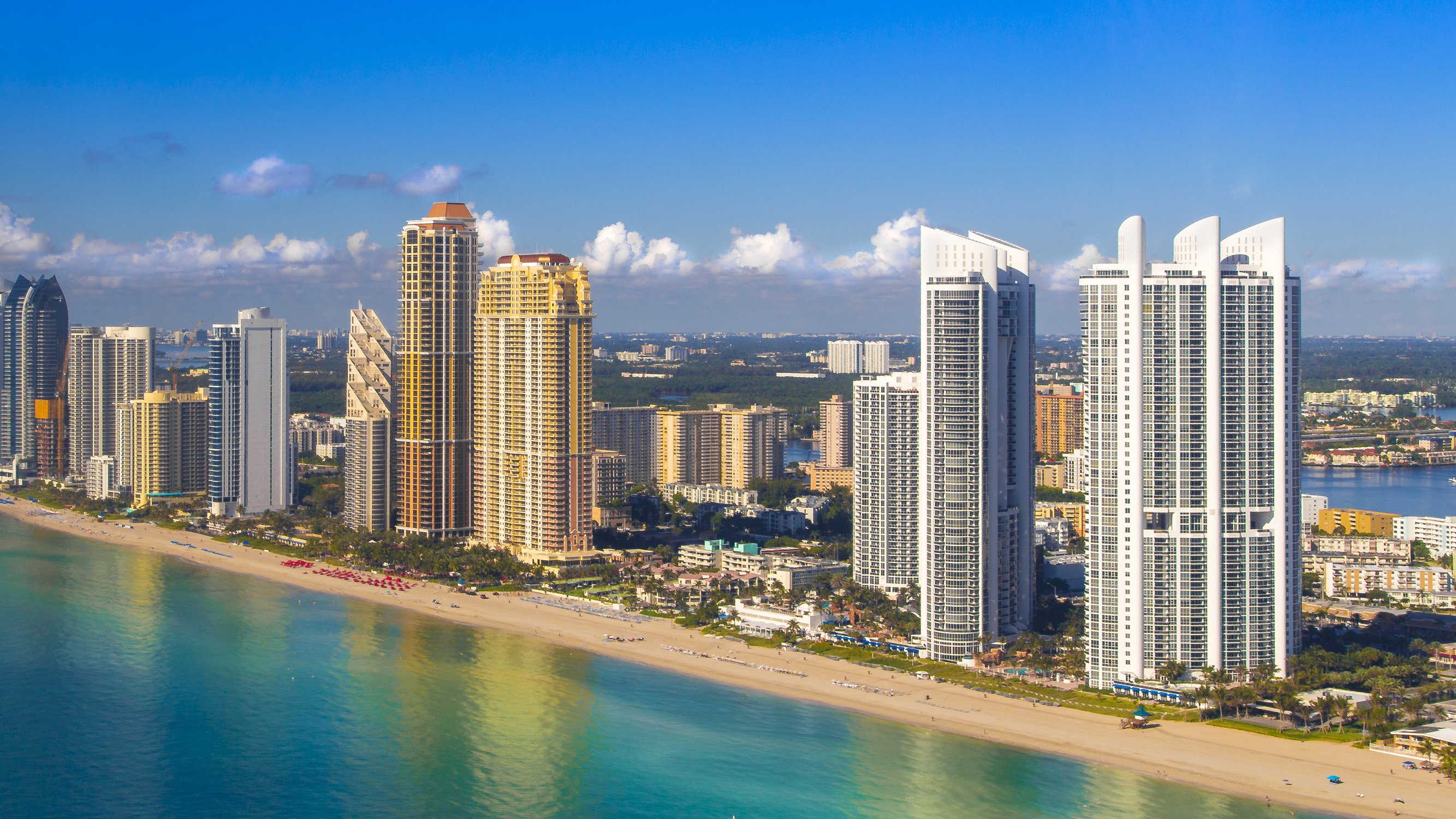
A South Florida trophy penthouse is often priced first by its most visible privileges: sky, privacy, terrace depth, ceiling height, water views, arrival sequence, and the rarity of owning the highest residential plane in a coveted building. Yet the more discreet measure of value may sit behind finished walls, beneath terrace pavers, around glazing systems, and inside association records. A history of water intrusion can change the real cost of a penthouse because it can alter three things at once: the capital required to own it, the risk a buyer accepts, and the confidence future buyers will bring when it is time to sell.
At the top of a building, exposure is both luxury and liability. Rain, wind, salt air, sun, drainage design, roof assemblies, terrace waterproofing, sliding door systems, and mechanical penetrations all converge near the penthouse level. A past leak does not automatically make a residence undesirable. In many cases, it simply requires a more sophisticated underwriting lens. The question is not whether water ever appeared. The question is what caused it, whether the cause was corrected, who paid for the correction, what documentation exists, and whether the building has a culture of maintaining its envelope before small conditions become expensive ones.
This is especially relevant for buyers comparing a Penthouse in Miami Beach with one in Brickell, Sunny Isles Beach, Fort Lauderdale, Palm Beach, or a boutique bayfront address. The address may be flawless, the interiors newly finished, and the terrace beautifully staged. Still, water history can sit quietly inside the future carrying cost.
In the ultra-luxury market, buyers routinely pay for certainty. A penthouse with clean maintenance records, documented repairs, credible warranties, and transparent association governance can command a confidence premium because it reduces ambiguity. That confidence matters at buildings such as The Perigon Miami Beach, where the buyer profile is likely to scrutinize the entire building experience, not only the private residence.
The opposite is also true. A residence with a recurring water intrusion history may need a pricing adjustment even if the visible finishes have been restored. Fresh millwork and new stone do not answer whether the underlying assembly is sound. Buyers should distinguish cosmetic remediation from forensic resolution. Cosmetic remediation makes the room look right. Forensic resolution explains why the leak occurred, how it was repaired, and whether the repair has performed through subsequent weather events.
The most valuable documentation is often the least dramatic: inspection summaries, repair invoices, engineer correspondence, maintenance logs, warranty transfers, insurance claim history where available, board meeting references, and confirmation of whether a condition was isolated to the unit or part of a broader building issue. In trophy real estate, boring paperwork can protect extraordinary views.
The highest-value spaces often contain the greatest number of vulnerability points. Private roof terraces, outdoor kitchens, plunge pools, planters, skylights, oversized sliders, parapet walls, elevator overruns, rooftop mechanical equipment, and drainage scuppers can all influence risk. A terrace that photographs like a resort may still require careful review of slope, drains, waterproofing membranes, thresholds, and transitions from exterior to interior living areas.
In waterfront buildings, salt and wind add another layer of scrutiny. Glass lines and door assemblies should be reviewed not only for appearance, but for performance. Water intrusion around windows can be intermittent, appearing only under particular wind direction or rainfall intensity. A single dry showing is not evidence of a dry history.
For a buyer looking at Turnberry Ocean Club Sunny Isles or another ocean-facing tower, due diligence should extend beyond the residence into the building’s maintenance philosophy. Does the association address facade issues proactively? Are sealants, railings, doors, roof systems, and drainage assemblies part of a disciplined plan? A penthouse is private property nested inside a shared envelope. The health of that envelope is part of the asset.
Water intrusion can change the cost of ownership long after closing. There may be direct repair costs within the residence, but the larger exposure can come through association expenses, special assessments, insurance deductibles, temporary loss of use, litigation risk, and delays in renovation. If a building is already planning envelope work, a buyer needs to understand whether the penthouse owner will bear a disproportionate share through ownership percentage, limited common element obligations, or private terrace maintenance responsibilities.
Insurance is another part of the analysis. A prior water event may not automatically create a problem, but a pattern of claims, unresolved building conditions, or unclear responsibility can complicate coverage expectations. Sophisticated buyers should have counsel and insurance advisers review the distinction between unit owner responsibility and association responsibility before making assumptions.
This matters in markets such as Brickell, where vertical luxury continues to evolve through projects like St. Regis® Residences Brickell. Newer buildings may offer modern systems and fresh warranties, while established buildings may offer proven performance over time. Neither category should be accepted on reputation alone. The real question is how the building behaves under South Florida conditions and how transparently it documents that behavior.
Water history affects more than repair math. It affects buyer psychology. A trophy purchaser may accept a known condition if it is well documented, fully corrected, and priced intelligently. A future purchaser may be less forgiving if the file is thin. This is where resale value can diverge sharply between two otherwise similar penthouses.
A clean narrative helps preserve liquidity. The best narrative is not defensive. It is precise: there was an event, the source was identified, the repair was completed by qualified parties, related finishes were restored, no recurrence has been observed under comparable conditions, and the relevant documents are available for review. A vague narrative does the opposite. It invites discounting.
In Miami Beach, where branded, boutique, and legacy properties compete for a finite pool of global buyers, perception can become pricing. A residence at Faena House Miami Beach, for example, may be evaluated through the lens of design pedigree, oceanfront scarcity, and lifestyle, but a buyer still needs clarity on terrace and envelope performance. Luxury does not remove due diligence. It raises the standard.
The due diligence period should be treated as an acquisition audit. A buyer should request seller disclosures, prior leak and repair documentation, association records relevant to water intrusion, current and planned capital projects, reserve information, insurance information, and any available engineering or waterproofing documentation. The goal is not to create unnecessary friction. It is to convert unknowns into priced risks.
Specialist inspections are equally important. A general inspection may identify symptoms, but a penthouse often benefits from targeted review by professionals familiar with roofs, terraces, exterior glazing, waterproofing, and high-rise building envelopes. If a unit includes private outdoor space, the governing documents should clarify whether the owner, association, or both are responsible for maintenance and repair.
For buyers considering ultra-prime bayfront or oceanfront alternatives, such as Rivage Bal Harbour, the most refined approach is not fear. It is disciplined selectivity. The right penthouse with strong documentation can be a durable asset. The wrong file, even in a beautiful building, can become an expensive education.
Not every water intrusion history requires walking away. In a supply-constrained luxury market, the more practical response is to price the risk elegantly. That may mean negotiating a credit, requiring completion of repairs before closing, holding funds in escrow, extending due diligence, obtaining insurance comfort, or adjusting the offer to reflect future exposure.
The strongest buyers are neither alarmist nor passive. They separate resolved issues from recurring issues, private unit conditions from building-wide conditions, and cosmetic repairs from structural or envelope corrections. They understand that the real cost of a trophy penthouse is not only the contract price. It is the contract price plus the cost of confidence.
Does prior water intrusion always reduce penthouse value? Not always. A documented, corrected, isolated issue may have limited impact, while recurring or poorly explained intrusion can justify a material discount.
What is the first document a buyer should request? Start with seller disclosures and repair records, then expand to association documents addressing roof, facade, terrace, window, and drainage issues.
Are top-floor units more exposed than lower-floor residences? They can be, because roofs, terraces, parapets, and mechanical penetrations often sit near or above the penthouse level.
Can new interiors hide old water problems? Yes. Beautiful finishes may conceal prior staining, damaged substrates, or repairs that did not address the original source of intrusion.
Who typically pays for water-related repairs? Responsibility depends on governing documents, the source of intrusion, insurance coverage, and whether the affected component is private, common, or limited common property.
Should a buyer order a specialist inspection? Yes. A penthouse with terraces, large glazing systems, or prior leak history benefits from targeted waterproofing, roof, and envelope review.
How can water history affect insurance? Prior events, unresolved conditions, or unclear responsibility may influence coverage expectations, deductibles, and the buyer’s comfort with future claims.
Can a well-managed building offset concern? Strong governance, reserves, maintenance discipline, and transparent records can make a past event easier to evaluate and price.
What is the biggest mistake trophy buyers make? They focus on the view and finishes while treating envelope history as a secondary detail rather than a core ownership cost.
When should a buyer walk away? If the source is unclear, records are incomplete, recurrence is likely, or responsibility cannot be established, the risk may outweigh the prestige.
To compare the best-fit options with clarity, connect with MILLION.
If branded residences are on your mind — as a home or as an allocation — we would be glad to share what we are seeing, privately.
Begin a quiet conversation