A practical MILLION guide for Boca Raton buyers evaluating whether a luxury residence can protect important art through thoughtful climate control, humidity management, filtration, monitoring, and design coordination.
For a serious collector, the question is not simply whether a residence feels cool on a summer afternoon. The better question is whether the home can sustain an environment that respects paintings, works on paper, photography, sculpture, design objects, books, textiles, and frames over time. In Boca Raton, where luxury real estate often blends indoor and outdoor living, art stewardship should be addressed before a buyer falls in love with a view, a wall, or a dramatic double-height room.
Art-friendly climate control is not a single feature. It is the combined performance of mechanical systems, envelope quality, glazing, lighting, humidity control, monitoring, maintenance access, and daily use. A residence can be beautifully finished and still be difficult for art if airflow is uneven, sunlight is unmanaged, or the most impressive display wall sits beside a door that opens frequently to a terrace.
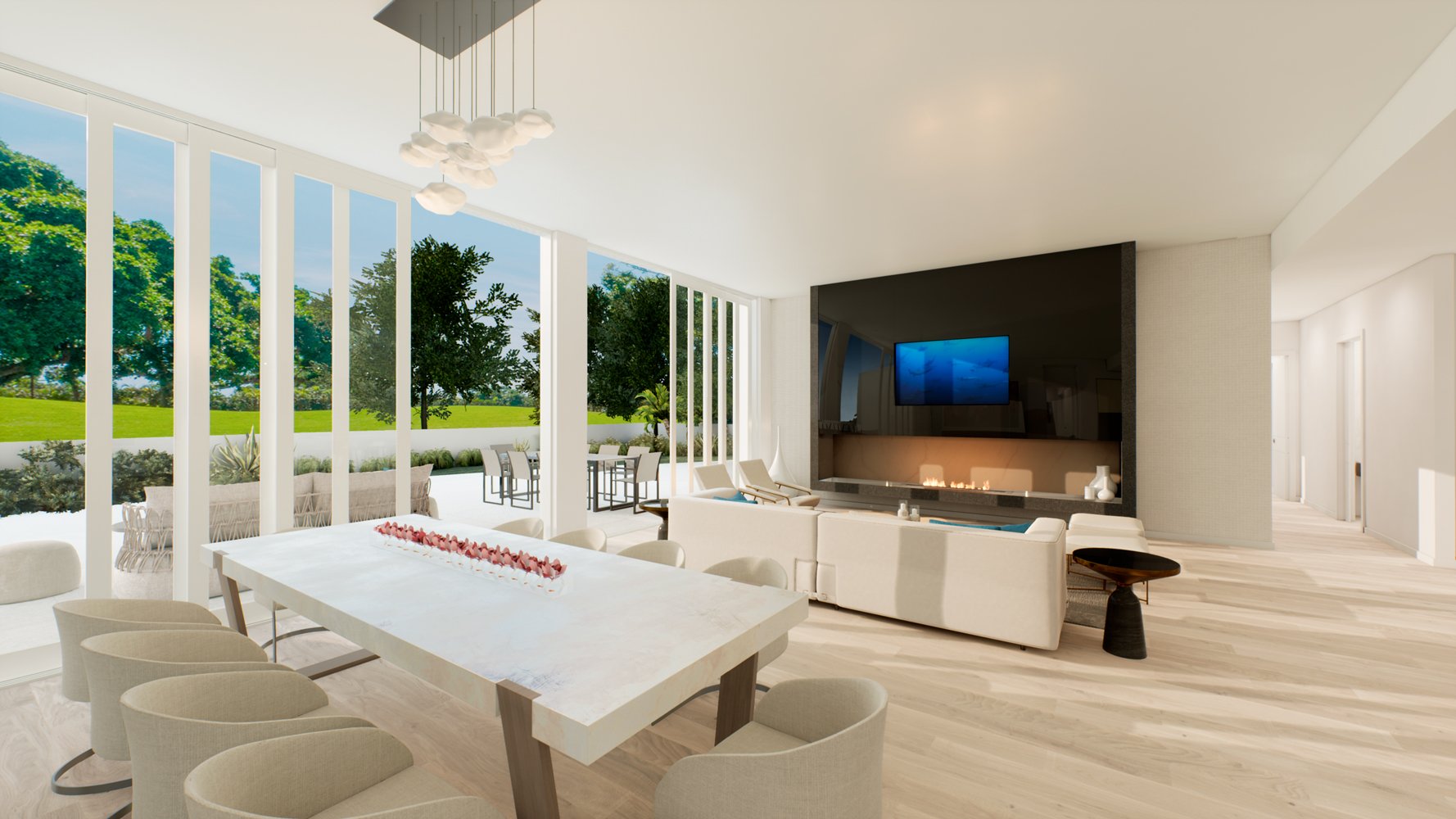
This is why the most useful Buyer's Guides begin with questions rather than assumptions. In a residence such as Glass House Boca Raton, buyers with collections should look beyond the visual promise of glass and ask how the home supports stable interiors, controlled light, and practical placement.
The first due diligence question is direct: does the system manage humidity independently, or does it simply cool the air? For art, temperature matters, but humidity stability is often the more sensitive issue. Buyers should ask for a plain-English explanation of how humidity is measured, where it is measured, and whether the system can be adjusted room by room.
A sophisticated answer should include zones. Primary living areas, galleries, dens, libraries, wine-adjacent rooms, and bedroom corridors may experience different loads depending on windows, ceiling heights, orientation, and occupancy. If the residence has large entertaining areas, ask how quickly conditions recover after doors open, guests arrive, or catering staff move through the home.
Also ask who can see system data. A wall thermostat is not the same as meaningful monitoring. A collector may want remote alerts, historical logs, and discreet sensors in rooms where important works will hang. Those records can also support conversations with conservators, framers, art handlers, and insurers.
Before assigning art to a floor plan, walk the residence slowly and think like an installer. Which walls receive direct light? Which sit above mechanical chases? Which are near bathrooms, laundry rooms, kitchens, return vents, exterior doors, or terrace transitions? Which walls are structural enough for heavier works, and which require blocking or specialty hardware?
In luxury condominiums, many of these questions intersect with building rules. Ask whether penetrations, reinforced hanging systems, lifts, delivery paths, and after-hours installations require approval. Ask whether the building has freight elevator procedures that can accommodate art crates and climate-sensitive deliveries.
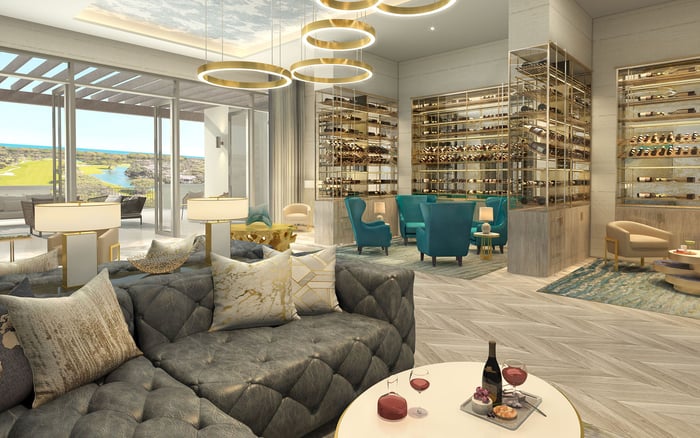
At Alina Residences Boca Raton, for example, a buyer considering an art-rich interior should discuss not only the residence itself, but also how the building’s operating protocols may affect installation, service, and future movement of works. The best plan respects both the collection and the property.
Light is a design material, but for art it is also a risk variable. Ask about glazing, solar exposure, window treatments, lighting controls, and whether the residence can support layered illumination rather than one dramatic scheme. A beautiful sunlit room may still be appropriate for certain objects, but it deserves a careful placement strategy.
Questions should be specific. Are shades manual or automated? Can they be scheduled? Are there pockets for more refined treatments if the existing system is not sufficient? Can decorative lighting be dimmed accurately? Are there tracks, recessed details, or ceiling conditions that allow art lighting without compromising the architecture?
The goal is not to make the home feel like a museum. It is to create a private environment where design and preservation coexist. For many Boca Raton buyers, this is where Design & Architecture conversations become most valuable: the residence must look effortless while performing quietly in the background.
Collectors often focus on temperature and light, but air quality deserves equal attention. Ask about filtration, return placement, supply vents, and whether air movement will blow directly across sensitive works. A vent aimed at a canvas, textile, or framed work on paper may create an avoidable problem over time.
Service access is equally important. If a system is difficult to reach, filters may be changed late, maintenance may become disruptive, and performance may drift. Ask where equipment is located, who services it, and how often maintenance is expected. In a condominium, clarify which components are the owner’s responsibility and which belong to the building.
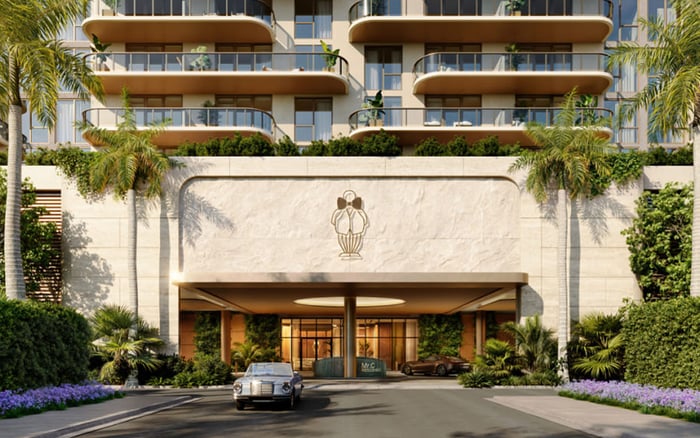
At The Residences at Mandarin Oriental Boca Raton, buyers pursuing an elevated lock-and-leave lifestyle should still ask practical questions about maintenance coordination. Convenience is meaningful only when the residence can preserve the conditions a collection requires.
An art-friendly residence should have a plan for interruptions. Ask what happens during a power outage, a mechanical failure, a water event, or an extended absence. Does the residence have backup power for critical systems? Are there leak sensors in relevant areas? Will alerts reach the owner, property manager, or building staff quickly?
Documentation also matters. Request equipment information, service history if available, warranty details, control settings, and any smart-home instructions relevant to climate. If a seller has used the home for art, ask whether there are prior installation plans, wall reinforcement notes, or specialty lighting diagrams.
Insurance conversations should happen early. A carrier may have expectations around alarms, water detection, humidity management, storage, or professional installation. Those expectations can influence whether a residence is truly ready for a valuable collection or whether improvements should be negotiated before closing.
A residence may perform well on paper yet struggle with the way an owner actually lives. Seasonal occupancy, frequent entertaining, open doors to terraces, visiting family, staff circulation, and extended travel all change the picture. The right question is: can the home support the owner’s rhythm without asking the collection to absorb the consequences?
For some buyers, that may mean designating a more controlled room for the most sensitive works and reserving sunlit social spaces for less vulnerable pieces. For others, it may mean upgrading shades, adding monitoring, adjusting vents, or coordinating with an art consultant before finalizing furniture plans.
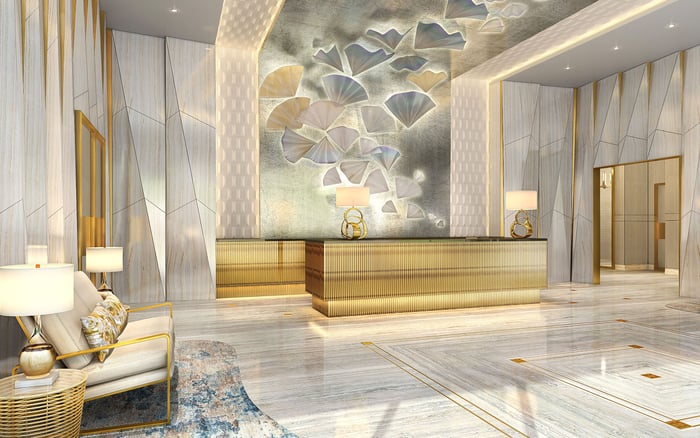
A boutique setting such as Mr. C Residences Boca Raton may appeal to buyers who value service and intimacy, but the art conversation remains the same: how will the residence behave when it is being used, not merely when it is being shown?
Before making a final decision, ask for a room-by-room climate conversation. Which areas are best for works on paper? Which are better for sculpture or design objects? Which should avoid sensitive pieces? Can automated shades, better filtration, or added sensors be installed without compromising finishes?
Ask the seller or developer team to identify the mechanical zones, thermostat locations, sensor locations, access panels, and any limitations on modifications. Ask your interior designer and art adviser to walk the residence together. Ask your inspector to pay attention to condensation, ventilation, drainage, and mechanical serviceability.
Most importantly, ask whether the home’s beauty depends on conditions that are difficult to maintain. If the answer is yes, that does not automatically disqualify the property. It simply means the buyer should price, plan, and negotiate with clarity.
What is art-friendly climate control? It is a coordinated approach to temperature, humidity, filtration, air movement, light control, monitoring, and maintenance that helps protect a collection in a private residence.
Should I ask about humidity before buying in Boca Raton? Yes. Humidity management should be discussed early because it affects comfort, preservation planning, and the suitability of specific rooms for sensitive works.
Is a standard luxury HVAC system enough for valuable art? Not always. A buyer should understand whether the system offers stable conditions, proper zoning, filtration, and useful monitoring rather than assuming luxury finishes equal collection readiness.
Which rooms are usually best for art? Rooms with stable conditions, limited direct sunlight, controlled airflow, and fewer exterior openings are often easier to plan around, subject to the needs of each artwork.
What should I ask about windows and light? Ask about glazing, shades, dimming, lighting controls, and whether direct sun can be managed without compromising the intended design of the residence.
Do condo rules matter for art installation? Yes. Building rules may affect delivery timing, elevator use, wall penetrations, insurance requirements, and approval for specialized installation work.
Should I add climate sensors after closing? Many collectors do. Sensors can provide useful room-level information and alerts, especially in residences used seasonally or managed while the owner is away.
How does backup power relate to art protection? Backup planning can help critical systems continue operating during interruptions, which may be important for residences housing sensitive or valuable works.
Can an interior designer solve these issues after purchase? A designer can help, but the best outcome comes when design, mechanical review, lighting, and art placement are considered before closing or early in the planning process.
What is the most important buyer question? Ask whether the residence can maintain stable, monitored conditions in the rooms where your most important works will actually live.
For a discreet conversation and a curated building-by-building shortlist, connect with MILLION.
If branded residences are on your mind — as a home or as an allocation — we would be glad to share what we are seeing, privately.
Begin a quiet conversation