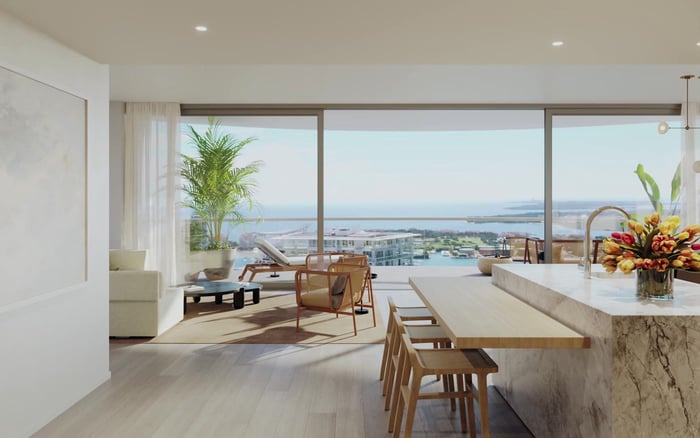
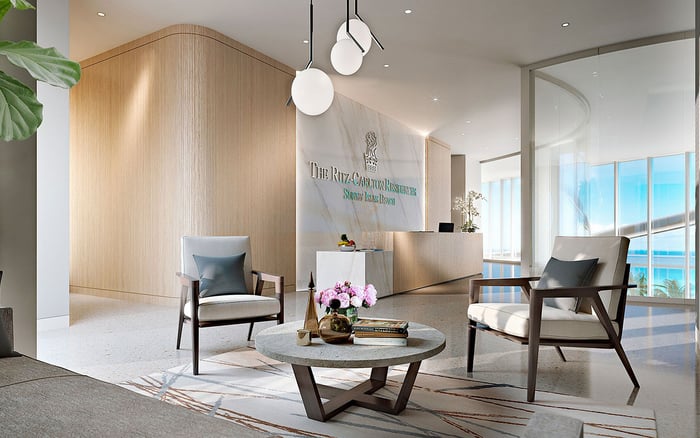
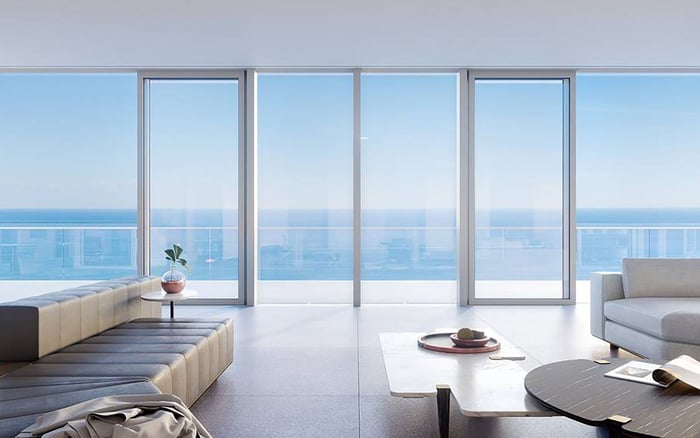
A buyer-focused editorial guide to the ownership distinctions among Ritz-Carlton branded residences in Fort Lauderdale, Palm Beach Gardens, and Sunny Isles, with emphasis on condominium rights, hospitality services, marina privileges, and stabilized operations.
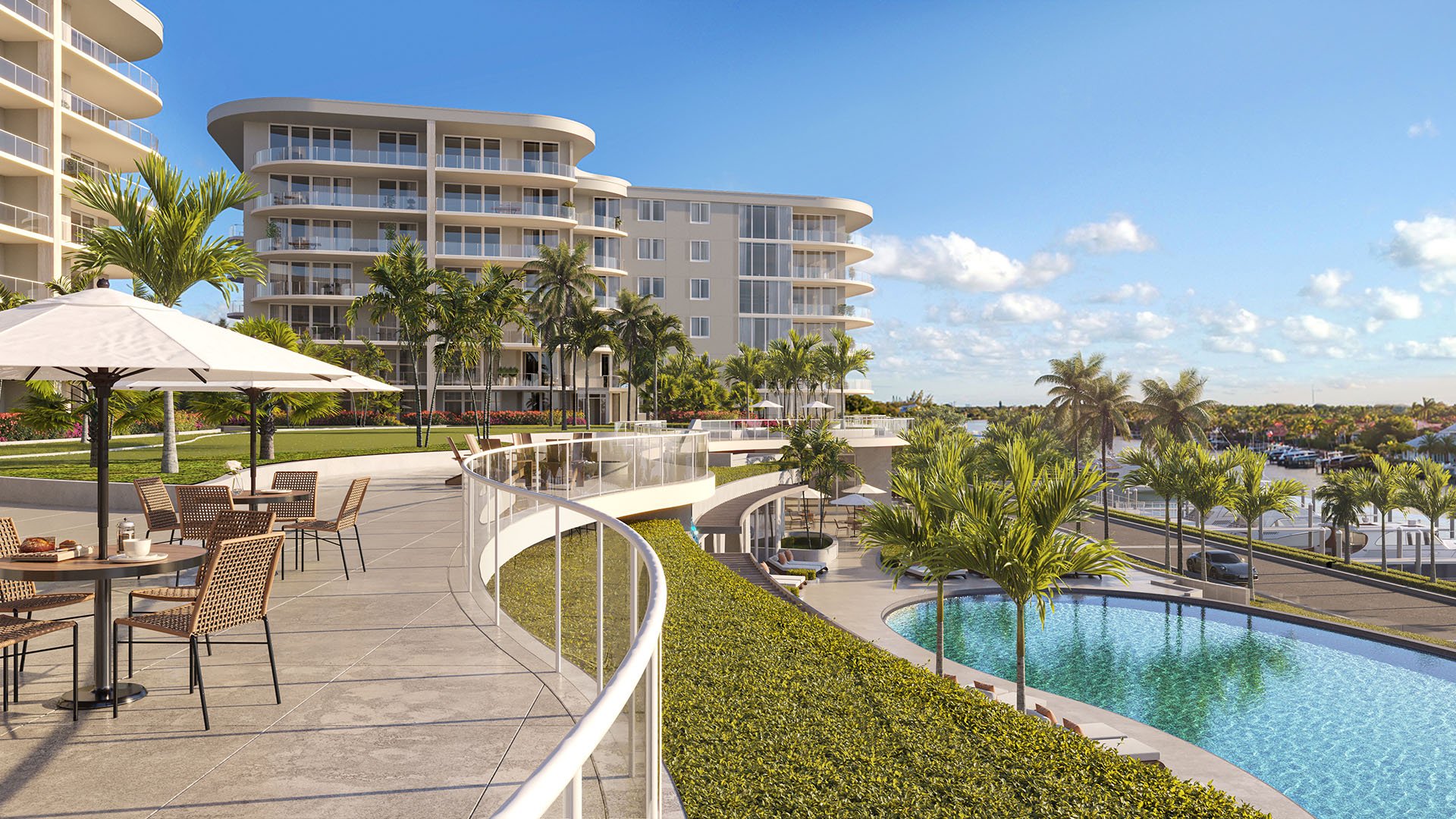
For South Florida buyers, the Ritz-Carlton name carries immediate emotional weight: service, discretion, arrival sequence, and a certain expectation of quiet polish. Yet ownership in any Ritz-Carlton residential setting should be understood first as condominium ownership with a hospitality-brand overlay. You are not buying the brand, the hotel company, or a corporate interest. You are buying a residence, together with a defined package of rights, responsibilities, restrictions, services, and shared expenses.
That distinction matters across The Ritz-Carlton Residences® Fort Lauderdale, The Ritz-Carlton Residences® Palm Beach Gardens, and The Ritz-Carlton Residences® Sunny Isles because each setting speaks to a different ownership psychology. Fort Lauderdale invites questions around beachside living and hotel or resort adjacency. Palm Beach Gardens leans into a waterfront community and Marina lifestyle. Sunny Isles Beach presents the clearest pure residential oceanfront tower model.
The sophisticated buyer reads beyond the amenity brochure. The question is not only whether a residence feels like Ritz-Carlton living, but how the rights behind that feeling are documented, funded, governed, and preserved over time.
Fort Lauderdale is the most intuitive fit for buyers seeking a beachside branded-residence experience with the energy of a nearby hospitality setting. The ownership angle is less about whether the location feels desirable and more about what, precisely, residential owners are entitled to use, reserve, access, or pay for.
In a resort-adjacent model, buyers should separate residential condominium rights from any hotel or hospitality amenities that may be managed, operated, or prioritized under separate structures. Spa access, food-and-beverage privileges, valet operations, beach services, event spaces, guest policies, and owner charging privileges can all receive different legal treatment. Some benefits may be part of the residential program. Others may be subject to rules, capacity, membership terms, management discretion, or separate charges.
This is where language matters. A buyer should ask whether a privilege is deeded, licensed, contractual, revocable, included in assessments, billed as used, or dependent on an operating agreement. The distinction can shape both daily enjoyment and long-term value.
Fort Lauderdale also belongs in a broader Broward conversation. Buyers comparing branded resort adjacency may naturally consider other coastal ownership models, including Four Seasons Hotel & Private Residences Fort Lauderdale, not because the legal structures are identical, but because the same diligence themes arise: who controls the service environment, who pays for it, and how predictable the owner experience remains through market cycles.
Palm Beach Gardens is a different proposition. Its appeal is not framed as a dense oceanfront tower, but as a broader waterfront community with a marina-oriented lifestyle. That makes the ownership analysis more layered. The residence is one asset. The waterfront setting, shared facilities, marina access, and community-level amenities create another set of expectations that must be traced to the governing documents.
The crucial question is whether specific waterfront or marina privileges travel with the unit, are separately assigned, are licensed by agreement, or are governed outside the condominium unit itself. For a buyer whose lifestyle depends on boating, water access, or proximity to marina services, that distinction is not secondary. It is central.
Palm Beach Gardens also calls for a forward-looking review because newer-community ownership often depends on projections, delivery sequencing, and developer-control provisions. Buyers should examine projected association budgets, anticipated amenity operating costs, construction or delivery timelines, and the point at which control transitions from developer to owners. None of these topics diminishes the lifestyle proposition. They simply define it with greater precision.
This is particularly important for buyers accustomed to evaluating completed towers. In a newer waterfront community, the due diligence file should include not only unit-level matters, but also shared cost allocations, amenity governance, reserve planning, and the durability of promised services. The Ritz-Carlton name supports the lifestyle proposition, but recorded documents determine the owner’s legal position.
Sunny Isles is the most stabilized ownership case among the three. It is best understood as a mature oceanfront residential tower, not as a resort-style development with a hotel component. Ownership centers on private condominium living, oceanfront common elements, and branded residential services rather than hotel-adjacent use of banquet, spa, or food-and-beverage operations.
That distinction gives buyers a different kind of diligence advantage. In a mature tower, the focus shifts from projected costs to actual operations. Buyers can review current association budgets, real carrying costs, house rules, resale history, reserve posture, insurance exposure, rental restrictions, and the maintenance of oceanfront common elements.
For many ultra-premium buyers, Sunny Isles Beach offers clarity. The brand enriches service culture, but the day-to-day ownership experience is residential first. That may appeal to buyers who want oceanfront privacy without the flow of hotel guests or event programming. It may also appeal to those who prefer a known operating history over the variables of a newer waterfront community.
Sunny Isles buyers often cross-shop other branded or service-rich oceanfront towers, such as St. Regis® Residences Sunny Isles. The comparison should remain disciplined. Architecture, amenities, and service language matter, but the mature buyer ultimately returns to governance, reserves, insurance, rental rules, and how the building has performed in actual ownership rather than in concept.
The three ownership models are not interchangeable. Fort Lauderdale raises resort-adjacent questions. Palm Beach Gardens raises waterfront-community and Marina-rights questions. Sunny Isles Beach raises stabilized condominium-governance questions.
Across all three, buyers should ask five practical questions. What do I own? What may I use? What can change? Who pays? Who controls the operating environment? The answers are rarely found in a single sales conversation. They are usually found across the declaration, bylaws, budgets, rules and regulations, management agreements, reservation policies, license agreements, and any marina or amenity documents.
This is why branded residences require both emotional and legal intelligence. The brand may establish the tone of life, but the condominium structure defines the boundaries of ownership. A polished arrival lobby, attentive staff, and well-composed amenity deck are only part of the purchase. The deeper value lies in whether those elements are sustainably governed and financially coherent.
The right Ritz-Carlton residence is less about choosing the most glamorous address and more about matching the ownership model to the intended use. A seasonal owner seeking a refined beachside environment may evaluate Fort Lauderdale differently from a boater drawn to Palm Beach Gardens or a privacy-oriented oceanfront buyer focused on Sunny Isles.
Before contract, buyers should request the full document set and have counsel review both the residence and the amenity ecosystem. Special attention should be paid to operating budgets, reserve assumptions, insurance obligations, rental restrictions, guest policies, marina privileges, service standards, and any third-party agreements that affect daily life.
In the ultra-premium tier, clarity is a luxury. The best purchase is not simply the residence that photographs beautifully. It is the one whose ownership terms support the lifestyle the buyer actually intends to live.
Do buyers own part of The Ritz-Carlton brand? No. Buyers own condominium interests and defined rights associated with the residence, not the Ritz-Carlton brand or corporate interests.
Why is Palm Beach Gardens different from Sunny Isles Beach? Palm Beach Gardens emphasizes a waterfront community and Marina lifestyle, while Sunny Isles Beach is a mature pure residential oceanfront tower.
What should Palm Beach Gardens buyers review first? They should focus on marina access, waterfront amenities, shared facilities, projected budgets, and how privileges are documented.
Are marina rights always deeded with a residence? Not necessarily. They may be deeded, assigned, licensed, or governed separately, so the documents must be reviewed carefully.
Why is Sunny Isles considered more stabilized? It is an existing mature tower, allowing buyers to review actual budgets, carrying costs, resale history, rules, and operations.
What makes Fort Lauderdale a distinct ownership case? Fort Lauderdale raises beachside and resort-adjacent questions, especially around which amenities owners may use and on what terms.
Do branded services replace condominium due diligence? No. Service culture enhances the experience, but legal rights, costs, and restrictions are set by the recorded documents.
Should buyers care about rental restrictions? Yes. Rental rules affect flexibility, income potential, privacy, and the overall residential character of the building.
What is the key insurance issue for oceanfront ownership? Buyers should understand association insurance exposure, reserves, maintenance obligations, and how coastal common elements are protected.
Which model is best for privacy-focused buyers? Sunny Isles Beach may appeal to buyers seeking a residential-first oceanfront environment without a hotel component.
When you're ready to tour or underwrite the options, connect with MILLION.
If branded residences are on your mind — as a home or as an allocation — we would be glad to share what we are seeing, privately.
Begin a quiet conversation