A Boca Raton buyer's guide to evaluating amenity depth through privacy, daily usability, staffing, acoustics, and a residential sense of calm rather than resort-style spectacle.
In Boca Raton, the strongest amenity program is not necessarily the largest, loudest, or most theatrical. For many high-end buyers, the goal is a residence that supports daily life with grace while avoiding the mood of a transient resort. Depth matters, but only when it is calibrated to privacy, routine, and the way residents actually live.
That distinction is especially important for buyers moving from a private estate, a club community, or a long-held seasonal home. They may value wellness spaces, lounges, pools, service, and hospitality-level polish, yet still want the building to feel fundamentally residential. The question is not simply, “What does the building offer?” It is, “How often will I use it, who will I share it with, and does it protect the calm I am buying?”
For a buyer’s-guide approach, evaluate amenity depth as a combination of programming, scale, management, and restraint. A residence can be richly serviced without feeling public. It can offer choice without feeling crowded. It can feel finished, not performed.
A polished amenity deck can photograph beautifully and still underperform in everyday life. Before purchasing, imagine a normal Tuesday rather than a holiday weekend. Where would you work quietly? Where would guests wait? Where would a trainer meet you? Where would children, visiting family, or staff circulate without crossing every social space?
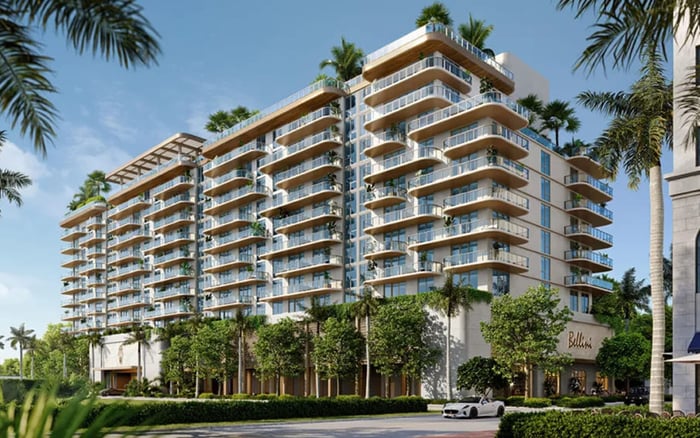
Buyers comparing options such as Alina Residences Boca Raton should read the amenity program as a map of daily living rather than a menu of indulgences. The most valuable features are often the ones that reduce friction: thoughtful arrival, comfortable seating outside the unit, a practical fitness routine, a quiet place for calls, and enough spatial separation that residents do not feel observed.
The test is simple. If an amenity would be used weekly, it adds lifestyle value. If it would impress a guest only once, it may be decorative. True depth lies in repeat usefulness.
Boca Raton buyers often understand club culture. That does not mean they want their residence to imitate a resort. A private-club feeling is selective, familiar, and composed. A resort feeling is more transient, more animated, and more dependent on spectacle.
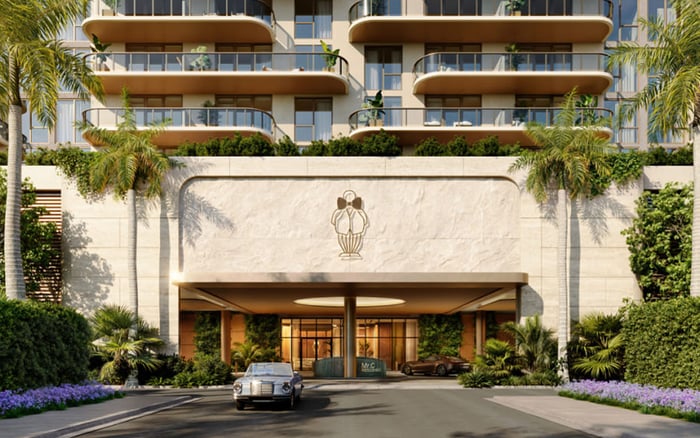
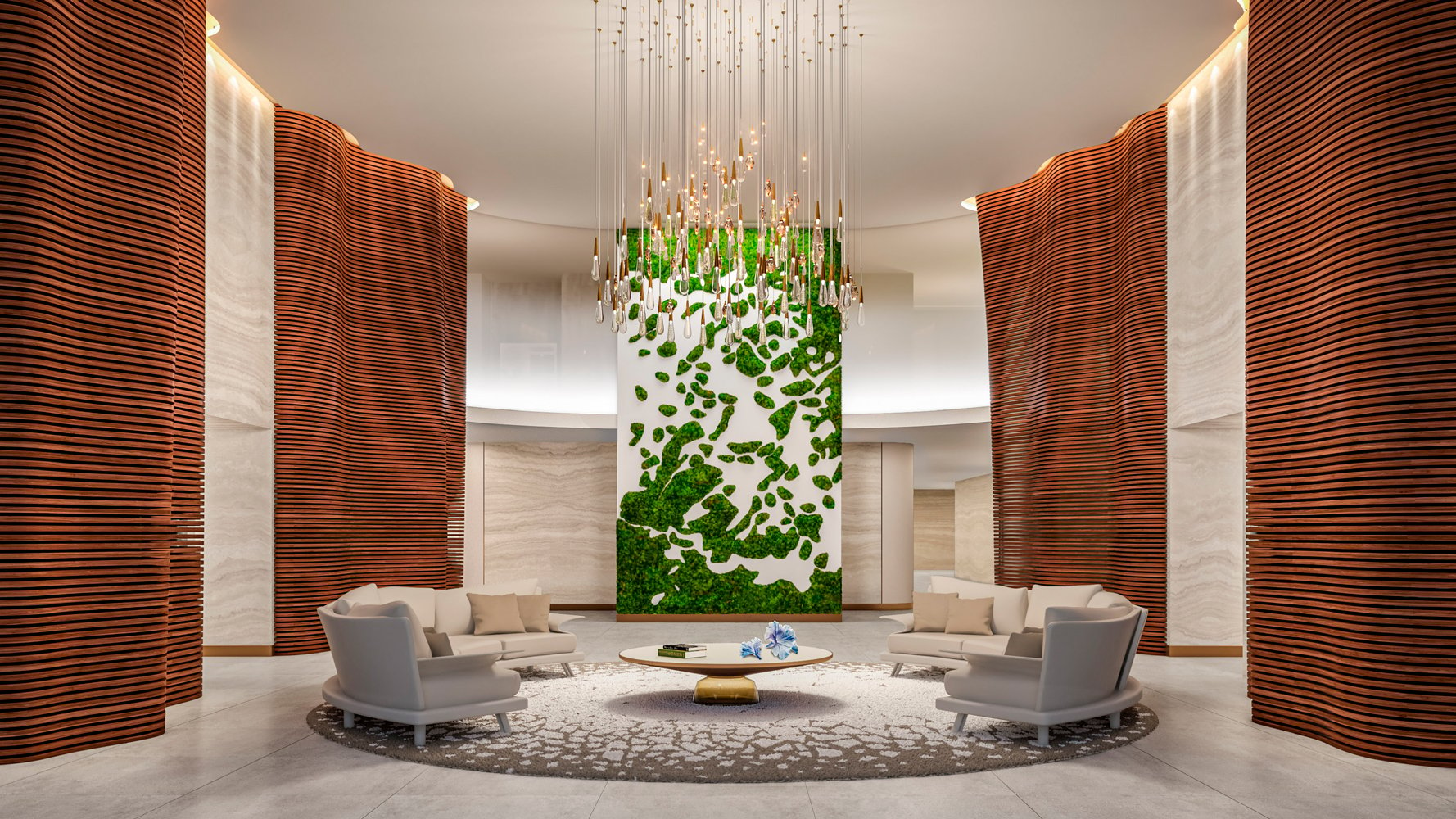
Look at the tone of the public areas. Are they designed for lingering residents or for constant visual impact? Is seating arranged for conversation or display? Do entrances feel controlled and gracious, or do they create the sensation of a lobby that must always be “on”? These cues are subtle, but they shape daily comfort.
A boutique building may offer fewer total spaces yet feel more appropriate if each one is quiet, well-scaled, and easy to access. A larger building can still feel residential if circulation is disciplined and the amenity zones are not forced into one theatrical promenade. The issue is not size alone. It is choreography.
Privacy is the amenity that makes every other amenity usable. Without it, even an impressive wellness room, lounge, or pool can become something residents avoid. Buyers should ask how many households are likely to share each space, whether reservations are needed, how guest access is handled, and whether staff can maintain order without making the environment feel overly managed.
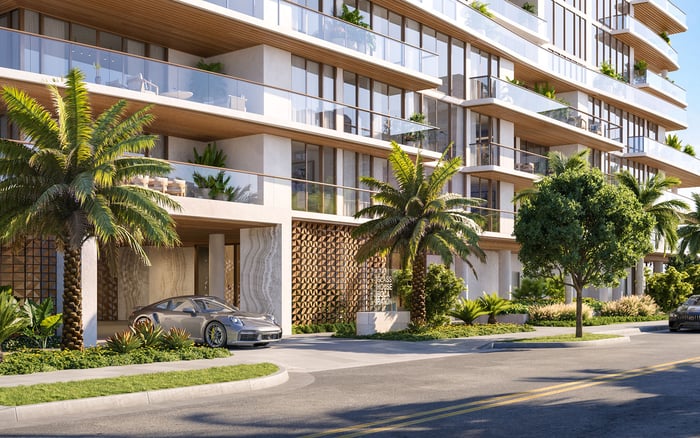
When evaluating Glass House Boca Raton or any other Boca Raton residence, consider how the building separates arrival, service, fitness, social, and outdoor experiences. Separation does not need to be excessive. It simply needs to prevent every activity from collapsing into one shared stage.
Acoustics deserve equal attention. A serene room can lose value if sound travels from adjacent uses. Ask where music, children, deliveries, fitness activity, and evening gatherings are likely to concentrate. Quiet is not a decorative feature. It is luxury infrastructure.
Amenity depth depends on people as much as rooms. A beautiful building with thin staffing can feel unfinished, while a more restrained property with attentive service can feel deeply considered. Buyers should understand who greets residents, how maintenance is handled, how packages and vendors move, and whether the service culture feels formal, familiar, or hotel-like.
This is where the line between hospitality and home becomes important. Some buyers enjoy a branded service atmosphere. Others prefer discretion and minimal ceremony. When reviewing The Residences at Mandarin Oriental Boca Raton, the useful question is not whether service exists, but whether the service style matches the buyer’s desired rhythm.
Staffing should make life easier without creating constant interaction. The ideal residence anticipates needs, protects privacy, and lets owners move through the property without feeling like guests in someone else’s operation.
Wellness has become central to luxury real estate, but in Boca Raton it should still feel residential. A fitness room, treatment area, or recovery space adds value when it is accessible, calm, and properly scaled. It becomes less compelling if the environment feels programmed for display or crowded peak-hour use.
The key is depth without dependency. Buyers should ask whether the wellness offering supports independent routines. Can one exercise, stretch, recover, or meet a trainer without navigating a social scene? Are hours, reservations, and guest rules aligned with the way the buyer lives? A strong wellness program should make leaving home optional, not make home feel commercial.
For new-construction buyers, this review should happen before being seduced by renderings. Finishes can be changed over time. Poor planning, tight circulation, and overexposed amenity spaces are much harder to correct.
Amenity depth should complement Boca Raton, not replace it. Many buyers choose the area for a more measured pace, established social patterns, access to dining and shopping, proximity to clubs, and a residential texture that differs from denser urban markets. A building that tries to replicate every possible leisure experience may dilute that appeal.
A residence such as Mr. C Residences Boca Raton may be evaluated within this broader lifestyle question: does the building add convenience while preserving the owner’s ability to live locally, privately, and selectively? The most successful amenity programs do not ask residents to consume the building every day. They support life beyond it.
This is where Boca Raton differs from markets where resort-style intensity is the selling point. The better fit for many buyers is a composed residential base with enough amenity depth to simplify life, host well, and maintain wellness without noise.
Before signing, walk the building or sales environment with practical skepticism. Ask where residents will gather on weekends, how guest policies work, how private events are controlled, and whether amenity access changes seasonally. Request clarity on operating costs, staffing expectations, reservation systems, and rules for outside trainers, vendors, and extended family.
Then consider whether the program still feels elegant at full use. If the answer is yes, the building has true depth. If the experience depends on empty rooms and perfect timing, it may be more fragile than it appears.
The strongest Boca Raton purchase is not the one with the longest amenity list. It is the one where every shared space feels intentional, maintained, and easy to live with after the novelty has passed.
What does amenity depth mean in a luxury residence? It means the amenities are varied, useful, well-managed, and integrated into daily life rather than added only for marketing impact.
How can buyers avoid a resort feeling in Boca Raton? Focus on privacy, controlled guest access, quiet circulation, and amenities that feel residential rather than theatrical.
Are more amenities always better? No. A smaller, better-scaled program can feel more luxurious if each space is usable, private, and consistently maintained.
Why is staffing part of the amenity evaluation? Staffing determines whether services feel seamless, intrusive, understaffed, or appropriately discreet for daily residential life.
Should buyers visit amenities at different times? Yes. Peak-hour observation can reveal crowding, acoustics, circulation issues, and whether the spaces remain comfortable.
What role does privacy play in value? Privacy protects the usability of shared spaces and helps a building retain a calm, residential atmosphere over time.
How should seasonal owners evaluate amenities? They should consider lock-and-leave convenience, guest policies, staffing reliability, and how the property functions during busy periods.
Can a branded residence still feel residential? Yes, if the service culture is discreet, access is controlled, and the building avoids excessive hotel-like activity.
What is the biggest mistake buyers make? They count amenities before testing whether those spaces fit their routines, privacy expectations, and tolerance for activity.
When should amenity questions be asked? They should be asked before contract, when operating rules, staffing assumptions, and daily-use expectations can still be evaluated.
For a confidential assessment and a building-by-building shortlist, connect with MILLION.
If branded residences are on your mind — as a home or as an allocation — we would be glad to share what we are seeing, privately.
Begin a quiet conversation