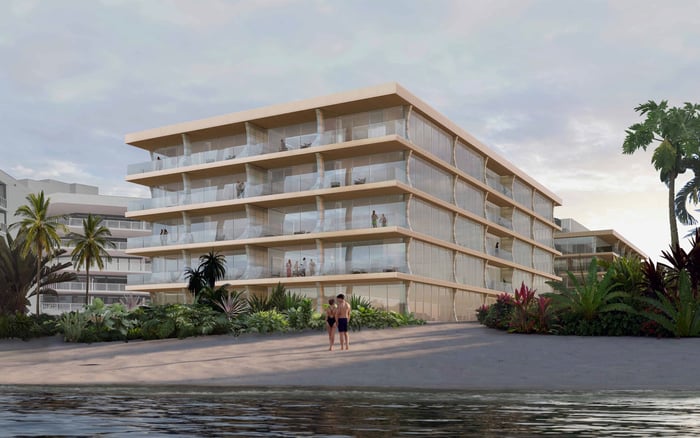
A practical buyer checklist for managing insurance binder timing before purchasing at Forté on Flagler in West Palm Beach, with questions for lenders, agents, the association and closing teams.

At the luxury end of the West Palm Beach condominium market, insurance is not just an administrative box to check in the final days before settlement. It can determine whether a lender funds, whether a closing agent is comfortable proceeding, and whether a buyer has a clear view of post-closing carrying costs. For buyers evaluating Forté on Flagler West Palm Beach, the central issue is timing: when must proof of insurance be delivered, and in what form?
An insurance binder is temporary evidence that coverage has been placed, subject to the terms and underwriting process behind it. In a cash purchase, a binder may feel discretionary until closing is near. In a financed purchase, it can become a funding condition. Either way, the prudent approach is to treat binder timing as a closing-risk item from the first contract review, not as a late-stage shopping exercise.
This is especially relevant for waterfront and new-construction buyers comparing premium structures, deductibles, windstorm details and association-level coverage across West Palm Beach. The same disciplined questions apply whether the conversation centers on Forté, Alba West Palm Beach or another Palm Beach area residence.
The first question is deceptively simple: will the lender accept a temporary insurance binder at closing, or will final policy documents be required before funding? Buyers using financing should request written insurance requirements before ordering coverage. That guidance should clarify acceptable evidence, lender clauses, minimum coverage expectations and the date by which documents must be received.
Buyers should also ask how insurance deadlines relate to contract milestones, loan approval and the scheduled closing date. A lender may need time to review the association’s master policy certificate, confirm any unit-level policy requirements and approve the binder wording. If those items arrive late, the financing file can stall even when the buyer is otherwise prepared.
A sophisticated buyer’s calendar should therefore show not only deposit deadlines and closing dates, but also the date by which the insurance agent, lender and closing agent must have complete documentation.
One of the most important questions is whether the condominium association’s master insurance program satisfies any part of the lender’s requirements, and what remains the buyer’s responsibility. Association coverage and individual unit coverage are not interchangeable. The master program may address building-level matters, while the buyer may still need coverage for interiors, contents, liability or lender compliance.
Before the binder deadline, ask the association or property manager for current master policy certificates, windstorm coverage details, deductibles, exclusions and renewal dates. The point is not to become an insurance technician. The point is to give the insurance agent and lender enough information to determine what must be bound for the individual unit.
This same distinction matters across the city’s waterfront condominium conversation. A buyer looking at Shorecrest Flagler Drive West Palm Beach, for example, should still ask where association coverage ends and individual responsibility begins. That line is often where closing confidence is won or lost.
Ask the insurance agent for a document checklist before the property is under time pressure. That checklist may include lender clauses, association insurance certificates, the scheduled closing date, unit details, flood-zone or elevation information and any other items required for underwriting. If one missing certificate delays issuance, the binder timeline can compress quickly.
Buyers should also ask how long the binder remains valid and whether it must extend beyond the scheduled closing date. If a closing is delayed, the binder may need to remain active long enough to satisfy the lender and closing agent. It is also worth asking whether underwriting could revisit or cancel a binder after issuance if new information is discovered before closing.
Premium estimates and deductible summaries should be requested early enough to evaluate carrying costs before final purchase decisions are made. In a high-value residence, the premium is only one part of the analysis. Deductibles, windstorm terms, flood positioning and exclusions can all influence how a buyer understands risk.
Flood coverage requires its own timing discussion. Buyers should ask whether flood coverage is required, optional or already addressed through association-level coverage, then confirm how that answer affects the individual binder. The sequence matters because a lender, insurance agent and association may each need to review different parts of the file.
Windstorm details are equally important. Ask the association or property manager for current windstorm coverage information and deductible structure before the binder deadline. Then ask the insurance agent whether any hurricane-season or named-storm restrictions could prevent new coverage from being bound before closing.
The risk is not theoretical in timing terms. If coverage cannot be placed during a restricted period, or if an underwriter needs additional information at the last moment, the buyer may need to understand contractual options immediately. That is why this conversation belongs in the first half of due diligence, not in the final week.
Before signing or waiving contingencies, ask what happens contractually if coverage cannot be bound by the scheduled closing date. Does the purchase agreement include an insurance contingency? Is there any protection if the binder is delayed, denied or materially more expensive than expected? These are questions for the buyer’s legal and insurance professionals, but they should be raised early.
Cash buyers should not ignore the issue simply because no lender is imposing a deadline. Without a lender forcing an insurance review before closing, a cash buyer may have less external pressure to discover a problem early. That can make proactive timing even more valuable.
For buyers comparing The Ritz-Carlton Residences® West Palm Beach with Forté or other West Palm Beach addresses, the insurance file should sit beside the financial, architectural and lifestyle review. Elegant design does not eliminate the need for disciplined execution.
A polished closing process depends on coordination. The insurance agent, lender, closing agent, real estate advisor and condominium association should all understand the binder timeline. The buyer’s role is to make the sequence explicit.
Ask when proof of insurance is due. Ask whether a binder is acceptable. Ask what documents are needed to bind coverage. Ask how long the binder remains valid. Ask whether flood coverage changes the timing. Ask whether named-storm restrictions apply. Ask what the contract says if coverage cannot be bound. Ask for premium and deductible information early enough to make an informed decision.
The goal is not to remove all uncertainty. It is to prevent avoidable uncertainty from appearing when the closing statement is already being prepared.
What is the main insurance timing question before buying at Forté on Flagler? Ask when proof of insurance must be delivered in relation to contract deadlines, loan approval and closing.
Will a lender always accept an insurance binder at closing? Not always. Buyers should ask in writing whether the lender will accept a temporary binder or requires final policy documents before funding.
Does the condominium association’s master policy cover everything? No. Buyers should distinguish association master coverage from any unit policy needed for interiors, contents, liability or lender compliance.
What documents should the insurance agent request early? The agent may need lender clauses, association certificates, closing date, unit details and flood-zone or elevation information.
Why does binder validity matter? A binder should remain valid long enough to cover the scheduled closing and any reasonable timing issues around settlement.
Can storm season affect binder timing? Yes. Buyers should ask whether hurricane-season or named-storm restrictions could prevent new coverage from being bound before closing.
Should cash buyers still focus on binder timing? Yes. Without a lender forcing the issue, cash buyers should create their own insurance deadline before closing.
How should flood coverage be handled? Ask whether flood coverage is required, optional or handled at the association level, then confirm how that affects the binder.
What if coverage cannot be bound before closing? Buyers should ask their legal advisor what the contract provides if coverage is delayed, denied or materially more expensive.
Who should coordinate the binder timeline? The buyer should align the insurance agent, lender, closing agent, real estate advisor and condominium association early.
When you're ready to tour or underwrite the options, connect with MILLION.
If branded residences are on your mind — as a home or as an allocation — we would be glad to share what we are seeing, privately.
Begin a quiet conversation