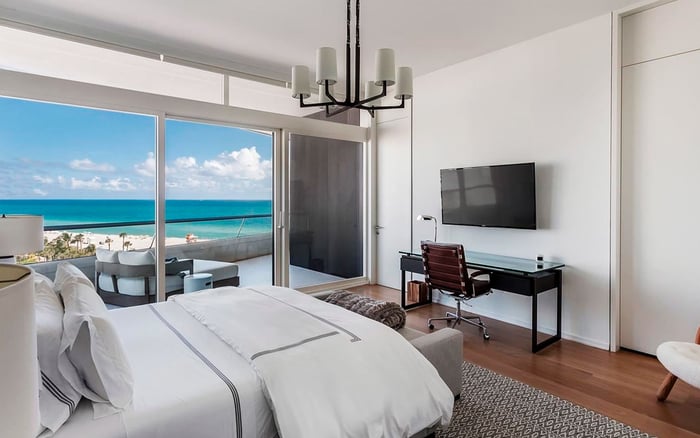
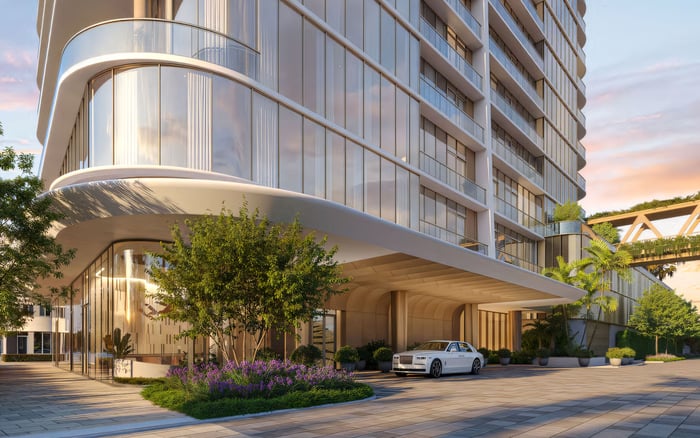
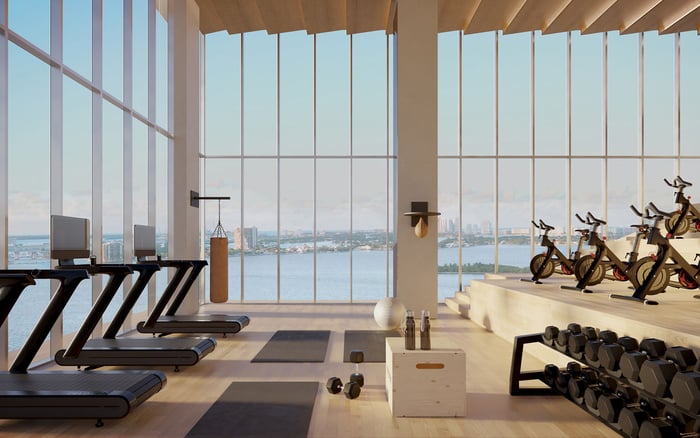
A practical buyer’s guide to assessing natural light, glare control, terrace usability, and view-corridor resilience when evaluating The Cove Residences Edgewater.
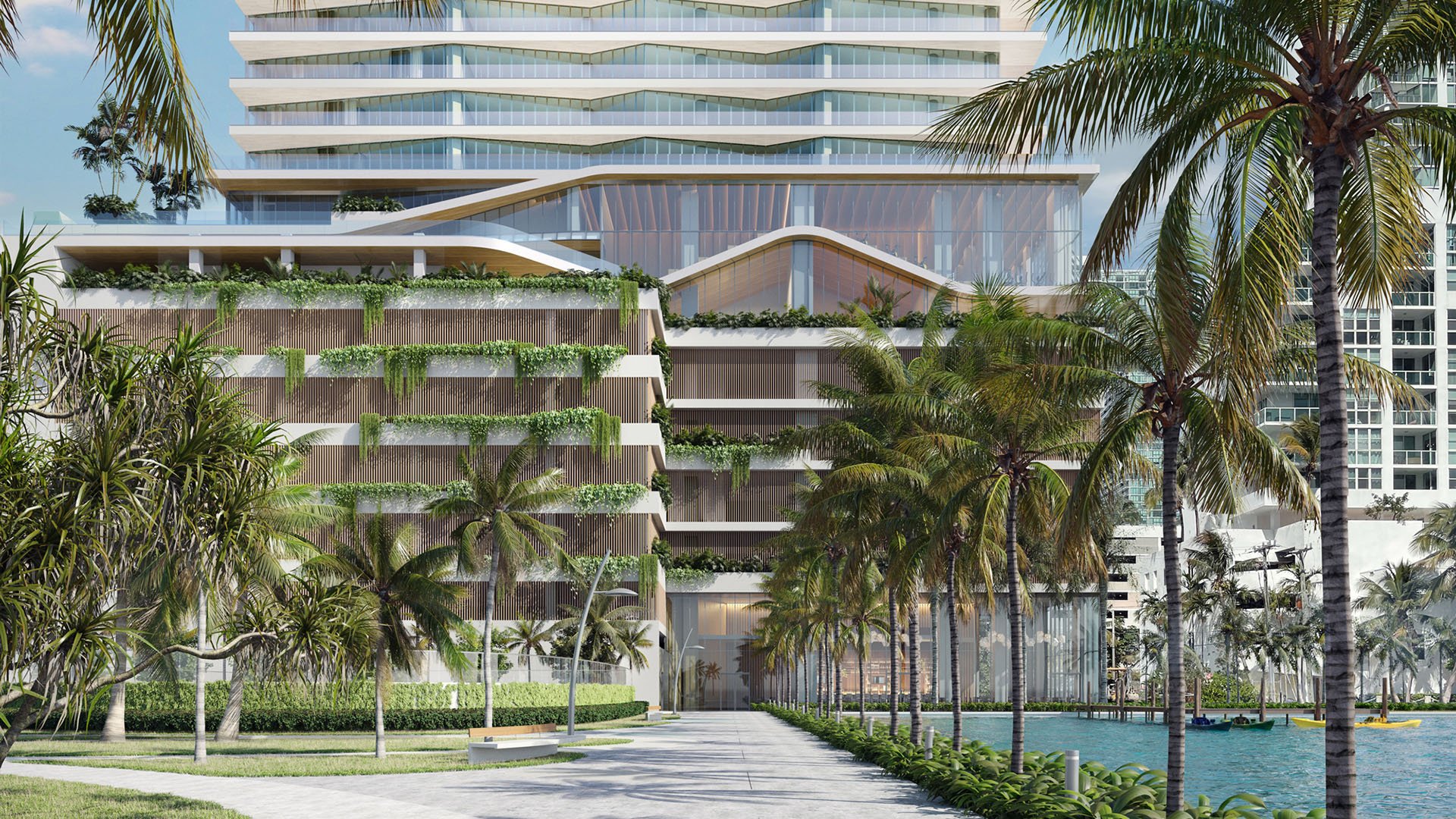
In a waterfront market, buyers often begin with the view. At The Cove Residences Edgewater, the more refined question is not simply what can be seen, but how the residence feels as light moves across glass, terrace, flooring, and water throughout the day. A beautiful outlook can be compromised by harsh glare. A dramatic exposure can become less livable if the principal rooms require constant shading. A prized line of sight can feel less private when a neighboring façade sits too close or too active.
For luxury buyers in Edgewater, light is both a design asset and a due-diligence category. It affects art placement, furniture selection, screen visibility, sleep patterns, cooling strategy, terrace use, and the perceived depth of a room. The strongest purchase is not always the highest floor or the widest angle. It is the residence where daylight, shadow, privacy, and view align with the way the owner actually lives.
Every showing captures only one moment. A residence that feels serene in the morning may become visually intense in the afternoon. A bay-facing room may offer luminous calm at one hour and mirror-like reflection at another. Buyers should understand orientation, seasonal sun movement, and how light enters the principal spaces, especially the living room, primary bedroom, kitchen, and terrace.
The evaluation should be practical. Where would the dining table sit? Would morning light strike the bed directly? Would afternoon sun make a media wall difficult to use? Would reflective surfaces amplify brightness? These questions apply across the broader Edgewater corridor, including nearby waterfront and skyline-oriented projects such as Aria Reserve Miami and EDITION Edgewater, where buyers frequently compare water, city, and sunset-facing exposures.
A soft, even exposure may be more valuable than a dramatic but punishing one. Luxury is not just brightness. It is control.
Natural light is desirable. Glare is fatiguing. The distinction is essential when evaluating glass-forward residences. Glare can come from direct sun, reflected bay surface, neighboring glass, pale flooring, glossy cabinetry, metal finishes, or terrace surfaces. It is not limited to one window or one hour. It shifts as the sun angle changes and as surrounding buildings reflect light into the residence.
Buyers should test rooms as they intend to live in them. Stand where the sofa would be placed and look toward the windows. Sit at the likely breakfast table position. Check whether light hits the kitchen work surface at eye level. Open the terrace doors and observe whether the outdoor surface bounces light back into the interior. If there is a balcony, consider whether shade, depth, and overhang make it usable beyond a brief scenic pause.
Window treatments can help, but they should not be the entire solution. If a residence only feels comfortable with shades closed for much of the day, the buyer is effectively paying for a view that must often be concealed. The goal is a composition where transparent living remains comfortable.
A view is not a photograph. It is a corridor through space. Buyers should evaluate the width of the opening, the depth beyond the first visible structure, the angle from seating positions, and the level of privacy from adjacent towers. A wide bay view from one corner may be less meaningful if the main living area looks into a neighboring façade. Conversely, a narrower but cleaner corridor may feel more elegant if it preserves distance, sky, and water from the rooms used most often.
At Cove Miami, the phrase waterview should be tested carefully. Does the water read as a primary view from inside the residence, or only when standing at the glass? Does the view expand from the kitchen and living areas, or is it concentrated at the terrace edge? Does the primary bedroom enjoy a calm outlook, or does it face an active urban condition? These are lifestyle questions, not just resale questions.
Future change should also be part of the conversation. In a dynamic waterfront neighborhood, buyers should review the immediate surroundings, nearby parcels, building separations, and the likelihood that a prized diagonal view depends on empty or underbuilt land. No view corridor is equally protected in every direction. The strongest ones have natural anchors such as water, meaningful distance, or established built context.
High floors often command attention because they can create longer sight lines, stronger sky exposure, and a greater sense of separation. Yet elevation can also increase brightness, wind perception, and exposure to reflective surfaces. Lower and mid-level residences may offer more intimate water presence, softer scale, or a stronger relationship to landscape and neighborhood texture.
The right floor depends on the buyer’s rhythm. A frequent traveler may prioritize a cinematic arrival experience and open horizon. A year-round resident may care more about comfortable daylight, terrace usability, and rooms that remain visually calm in late afternoon. A collector may value wall protection and controlled light. A family may prefer a residence where bedrooms do not overheat visually or require blackout conditions throughout the day.
This is why serious buyers should compare comparable exposures, not simply floor numbers. A thoughtful mid-level residence can outperform a higher one if its light is gentler, its view corridor is cleaner, and its privacy is stronger.
Edgewater is distinctive because it combines bay presence, urban energy, and rapidly evolving architecture. It is not the same as an oceanfront setting, where the primary visual field may be broader and more elemental, nor is it the same as Brickell, where city lights, neighboring towers, and reflected glass can play a larger role. Comparing environments can sharpen judgment.
A buyer considering Edgewater may also study how a vertical urban residence at The Residences at 1428 Brickell handles light in a dense skyline context, or how Villa Miami positions its own Edgewater appeal within the same broader waterfront district. These comparisons are not about declaring one setting superior. They clarify the trade-offs between waterfront drama, privacy, softness of light, and the long-term readability of a view.
The most discerning buyers often return to the same principle: the view should support the room, not dominate it. If the interior feels balanced when the shades are open, the residence is working.
During a tour, arrive with a plan. Visit at more than one time of day when possible. Photograph the same view from seated eye level, not only from the terrace rail. Look at the glass from inside and outside. Note whether reflections interfere with the view. Ask where the sun falls in the warmest months and where it sits during winter. Review floor plans against actual furniture placement, because light behaves differently once rugs, artwork, mirrors, and seating are introduced.
Pay attention to transitions. Does the foyer open toward light in a gracious way? Does the kitchen receive useful daylight without glare on work areas? Does the primary suite feel restful? Does the terrace provide shade where seating would naturally go? Can entertaining occur without guests squinting across the room? These details separate a photogenic residence from a highly livable one.
Finally, think about night. View corridors are not only daytime assets. Evening privacy, city sparkle, reflections in interior glass, and the comfort of illuminated rooms all matter. A residence with a beautiful day view should also feel composed after sunset.
What is the first light issue buyers should evaluate at The Cove Residences Edgewater? Start with orientation and time of day. A single showing rarely reveals how the residence performs from morning through evening.
Is glare always caused by direct sun? No. Glare can also come from reflected water, neighboring glass, pale surfaces, and glossy interior finishes.
Are high floors always preferable for views? Not necessarily. Higher elevation can improve distance, but it can also intensify brightness and exposure.
How should buyers evaluate a waterview? Study the view from seated positions inside the main rooms, not only from the terrace or window line.
Why does balcony depth matter? A deeper or better-shaded outdoor area can make the terrace more usable during bright or warm hours.
Can window treatments solve glare problems? They can help, but buyers should avoid relying on closed shades as the primary way to enjoy the home.
What makes a view corridor feel more secure? Distance, water, established surroundings, and limited dependence on vacant nearby parcels can all improve confidence.
Should art collectors evaluate light differently? Yes. They should consider wall exposure, direct sun, reflection, and the ability to control daylight without losing the room’s character.
How does Edgewater differ from other Miami luxury settings? Edgewater blends bay views with urban density, so buyers should weigh both openness and neighboring building relationships.
When is the best time to tour for light and glare? More than one visit is ideal, especially at contrasting hours such as morning and late afternoon.
If you'd like a private walkthrough and a curated shortlist, connect with MILLION.
If branded residences are on your mind — as a home or as an allocation — we would be glad to share what we are seeing, privately.
Begin a quiet conversation