A discreet guide for private aviation users evaluating South Florida real estate, with a focus on access, privacy, building operations, lifestyle fit, and long-term ownership discipline.
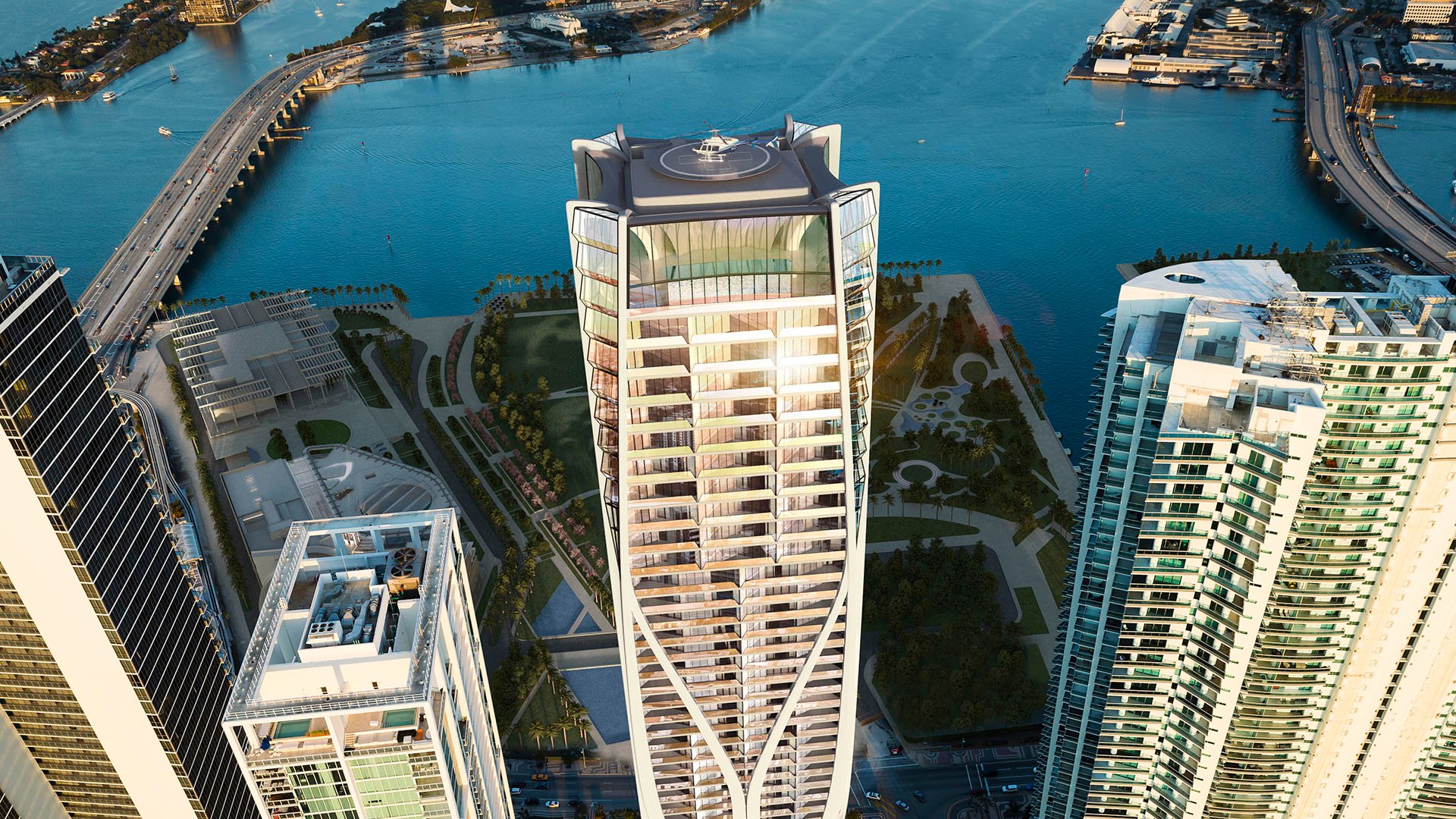
For buyers moving significant wealth into South Florida, the residential decision is rarely only about a view, a brand, or a headline address. It is about how seamlessly a life already in motion can land. Private aviation users tend to evaluate property through a different lens: arrival choreography, security, service reliability, family logistics, wellness continuity, and the ability to move between home, office, club, marina, school, and aircraft with minimal friction.
That lens is especially important in South Florida, where one region can deliver markedly different daily experiences depending on the enclave. Brickell can suit a buyer who wants vertical urbanity, business proximity, and a lock-and-leave residence. Miami Beach can favor an owner who prioritizes culture, beach access, and an established social circuit. Sunny Isles Beach may appeal to those who want a high-rise oceanfront lifestyle with strong privacy in the sky. Fort Lauderdale can fit buyers who want boating culture and a more northward orientation. Palm Beach remains distinct for buyers who prize formality, restraint, and legacy-style living.
The central question is not simply where to buy. It is which address will make private mobility feel natural rather than burdensome.
Private aviation compresses geography, but the final stretch on the ground can still define the experience. A residence that appears close to an airport on a map may not perform the same way during peak traffic, seasonal events, school runs, bridge openings, or weekend beach congestion. Serious buyers should test the route at the times they actually travel, including early departures, late arrivals, and high-season Fridays.
The most relevant metric is door-to-door confidence. How predictable is the ride from valet or motor court to the aircraft? How discreet is the building arrival sequence when luggage, staff, children, pets, or security are involved? Is there room for a second vehicle or a follow car without creating a scene? These questions can matter as much as interior finishes.
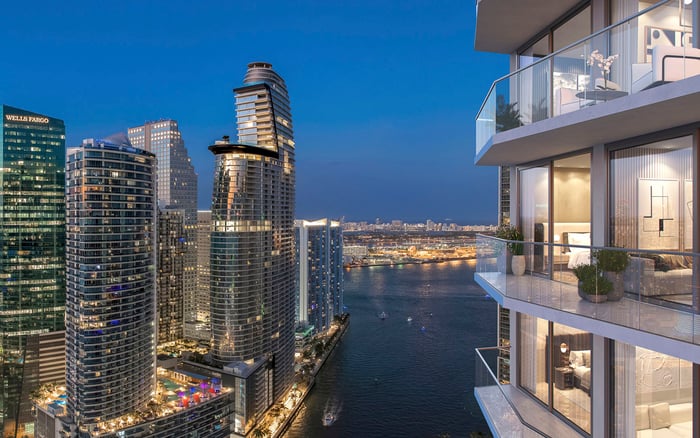
In Brickell, buyers considering a residence such as The Residences at 1428 Brickell may be drawn to the financial district’s energy and vertical convenience. The evaluation should also account for urban circulation, parking protocols, and how the building handles high-touch arrivals during busy periods.
For ultra-premium buyers, privacy is not a feature. It is a system. Private aviation users are often accustomed to controlled terminals, familiar teams, and discreet transitions. The residential counterpart should feel equally deliberate.
Look closely at the approach to the property. A guarded island, a porte cochere, a private elevator sequence, or a limited-residence building can all support a quieter lifestyle, but execution matters. Buyers should ask how visitors are screened, how staff access is managed, whether deliveries are separated from owner arrivals, and how amenity spaces are monitored without feeling intrusive.
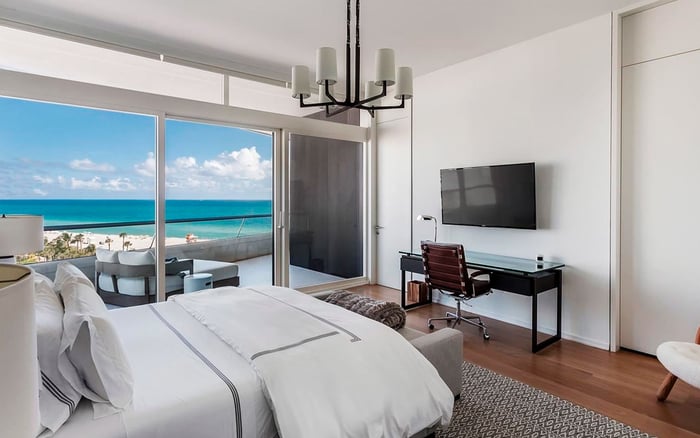
Miami Beach illustrates the nuance. A project like The Perigon Miami Beach may speak to buyers who want oceanfront living with architectural presence, yet the purchase decision should still rest on access, arrival, beach privacy, and the building’s capacity to maintain calm during the most active periods of the year.
Privacy also extends to digital and operational habits. Owners who travel frequently should understand how the residence handles remote access, maintenance permissions, package management, housekeeping schedules, and vendor approvals. A beautiful home that requires constant owner intervention is not truly effortless.
In South Florida’s luxury condominium market, the invisible layer of service can separate an impressive property from a genuinely livable one. Frequent private flyers should examine the building as an operating platform. The right residence supports rapid departures, extended absences, spontaneous arrivals, and a household that may be run by family office staff, assistants, estate managers, or rotating service providers.
The questions should be practical. Can the residence be prepared before landing? How are climate, lighting, and security coordinated when the owner is away? Are contractor rules clear? How responsive is the front desk or residential management team? What happens if a flight is delayed and an arrival shifts after hours?
Sunny Isles Beach is often considered by buyers who want height, views, and a resort-style oceanfront setting. At a development such as Bentley Residences Sunny Isles, the conversation for a private aviation user should go beyond the residence itself. It should include how the building supports vehicles, guests, staffing, privacy, and the choreography of a high-mobility lifestyle.
Lifestyle should not be treated as secondary. It is often the reason a buyer remains satisfied after the novelty of a new acquisition fades. South Florida is not one market in lived experience. It is a collection of micro-lifestyles stitched together by water, aviation, culture, business, sport, and seasonal movement.
Brickell offers density, restaurants, finance, and condominium convenience. Miami Beach offers sand, design, wellness, and a more social rhythm. Fort Lauderdale can be compelling for buyers who want waterfront living, yachting culture, and a polished but less vertical cadence. Palm Beach offers a more traditional luxury language, where privacy, clubs, architecture, and daily routine tend to carry a different formality.
For Fort Lauderdale-oriented buyers, St. Regis® Residences Bahia Mar Fort Lauderdale presents a useful example of why context matters. The buyer should evaluate not only the residence, but also the relationship between beach, marina, city, airport access, and the owner’s actual pattern of use.
Palm Beach buyers may approach the market with a different tempo. A property such as The Ritz-Carlton Residences® West Palm Beach can appeal to those who want branded service and a north county lifestyle, but the same disciplined questions remain: access, discretion, operations, guest handling, and fit with the owner’s weekly rhythm.
Wealth migration into South Florida often involves more than a single purchase contract. Buyers should coordinate legal, tax, insurance, estate planning, and financing considerations before emotional momentum takes over. The right structure can affect privacy, closing logistics, future transfers, and long-term flexibility.
Condominium buyers should also understand association rules before committing. Review guest policies, leasing restrictions, pet rules, renovation procedures, staffing access, vehicle policies, storage availability, and any limitations that might affect how the home will actually be used. For a private aviation household, these items are not minor details. They shape the ease of ownership.
Insurance and maintenance deserve particular attention in coastal markets. Buyers should be prepared for building requirements, reserve considerations, storm protocols, and the practicalities of leaving a residence secured during travel. The most elegant purchase is one that remains manageable when the owner is not present.
A private aviation user may buy for lifestyle, but exit quality still matters. The most durable properties usually combine scarcity, design integrity, operational excellence, strong location logic, and a clear buyer profile. A trophy view is valuable, but it should be paired with a building and neighborhood that future buyers can understand quickly.
Consider who the next owner would be. Is the residence best suited to a primary resident, a seasonal user, a global traveler, a family, or a collector of branded residences? Does the floor plan support guests and staff? Are the arrival sequence and service model competitive with newer inventory? Is the neighborhood becoming more convenient or more congested for the intended use case?
The most successful South Florida purchases are rarely accidental. They are chosen with the same discipline that private aviation users already apply to time: minimize friction, preserve optionality, and protect discretion.
Should private aviation users choose the closest residence to an airport? Not always. Predictable door-to-door timing, privacy, and building operations can be more important than simple map distance.
Is Brickell practical for frequent private flyers? Brickell can be practical for buyers who value urban convenience, but they should test traffic patterns and arrival logistics carefully.
Why do building operations matter so much? Frequent travelers need a residence that can be prepared, secured, and serviced reliably while they are away or arriving on short notice.
Is Miami Beach better for lifestyle buyers than business-focused buyers? Miami Beach often suits buyers seeking beach access, culture, and wellness, while business needs may point some buyers toward other areas.
Can Sunny Isles Beach work for privacy-focused owners? Sunny Isles Beach can appeal to privacy-focused buyers who prefer elevated oceanfront living, but each building’s access and service model should be reviewed.
What should buyers ask about staff and vendors? Buyers should ask how the building manages approvals, access, deliveries, parking, keys, and after-hours coordination.
Does Fort Lauderdale make sense for aviation and boating users? Fort Lauderdale can be compelling for buyers who want a waterfront lifestyle and a northward orientation, depending on daily routes and preferences.
How should Palm Beach buyers think about convenience? Palm Beach buyers should measure convenience through lifestyle rhythm, club access, privacy, service expectations, and travel patterns.
Are branded residences automatically easier to own? Not automatically. Service quality, association rules, staffing procedures, and management culture should still be evaluated in detail.
What is the most important first step before buying? Define the real weekly routine, then compare neighborhoods and buildings against that routine rather than against prestige alone.
For a confidential assessment and a building-by-building shortlist, connect with MILLION.
If branded residences are on your mind — as a home or as an allocation — we would be glad to share what we are seeing, privately.
Begin a quiet conversation