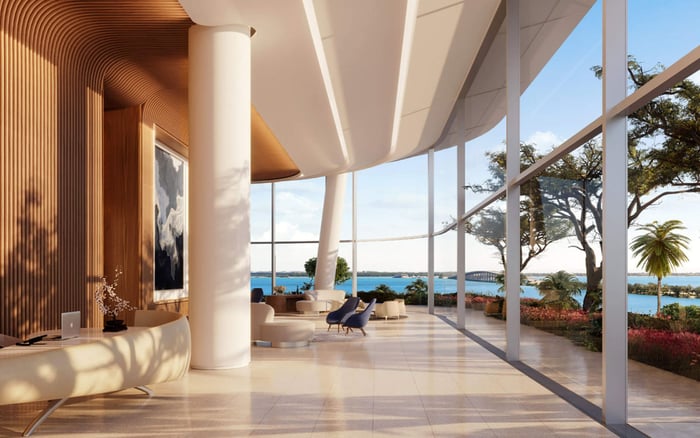
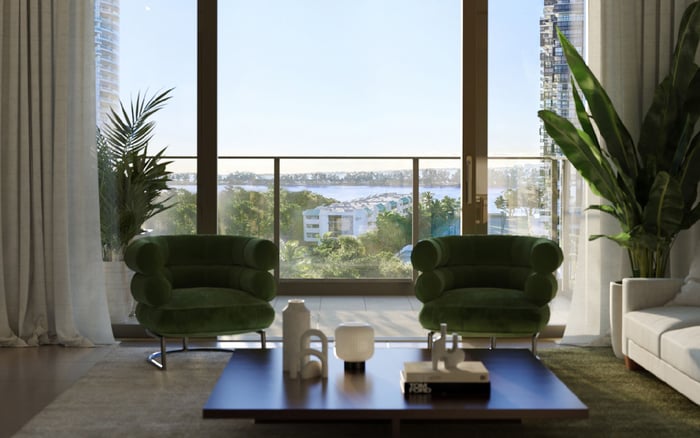
A discreet Brickell buyer’s guide to evaluating privacy, governance, costs, resilience, rental policy, lifestyle fit, and long-term resale positioning before choosing a luxury residence.
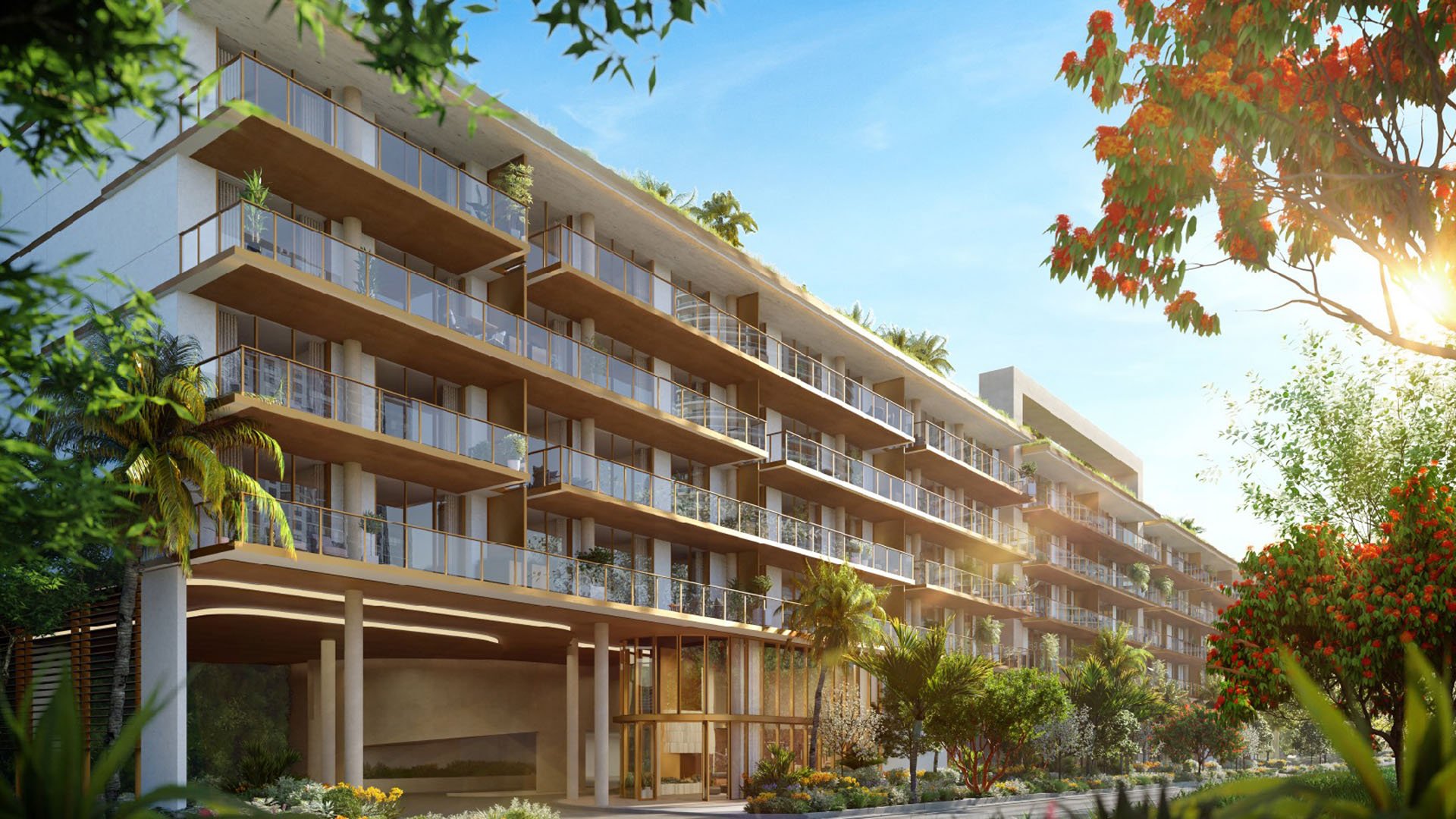
In Brickell, the most important question is not which tower has the most seductive amenity deck. It is whether the building’s character, governance, cost structure, and daily rhythm support the way you intend to live. A purchase at 2200 Brickell should be treated as a long-term capital and lifestyle decision, not simply as an amenity-driven luxury acquisition.
The same discipline applies when buyers compare it with Viceroy Brickell or any other high-profile Brickell address. The sharper buyer asks: will this building feel calm after closing, and will its rules, operations, and resident profile still make sense five or ten years from now? This is the language of buyer’s guides, not brochures.
A serious buyer should begin by testing the residential personality of the project. Does it feel owner-oriented, private, and controlled, or does it lean toward a more activated, hospitality-forward environment? Neither answer is universally superior. The right answer depends on whether you value quiet enjoyment, resident familiarity, and predictability more than energy, service intensity, and flexibility.
Boutique scale can feel discreet, but boutique alone does not guarantee privacy. Ask how the arrival sequence works in practice: valet, lobby flow, elevator access, guest circulation, service access, and separation from any non-resident uses. Even the most elegant residence can feel compromised if the path from curb to front door is crowded, confusing, or overly public.
Brickell is not one uniform experience. A few blocks can change how a residence functions. Before committing, confirm the exact location within Brickell and study daily convenience, traffic patterns, walkability, and the routes you will actually use for dining, schools, offices, fitness, waterfront access, and the airport.
The next question is what may happen around the building. Nearby development can affect views, sunlight, traffic, construction noise, and resale positioning. Buyers comparing options such as Baccarat Residences Brickell and St. Regis® Residences Brickell should look beyond branding and ask how each address sits within the future luxury pipeline.
The condominium documents are where lifestyle promises become enforceable realities. Review governance, association approval rights, use restrictions, rental rules, pet policies, parking provisions, and any limits that could affect how you occupy or eventually sell the residence.
Association costs deserve the same scrutiny. Ask for a clear breakdown of monthly fees and what they cover, including services, reserves, insurance, staffing, and amenities. A low number can be less attractive if it underfunds long-term needs. A higher number can be rational if it supports durable service, maintenance, and financial stability.
Rental policy is especially important. Short-term or flexible rental rules may support returns for certain owners, but they can also affect quiet enjoyment, elevator traffic, lobby rhythm, and the building’s reputation among full-time residents. The question is not whether flexibility is good or bad. The question is whether it supports your ownership goal.
Luxury buyers often compare views first, then floor plans second. The better sequence is the reverse. Study the plan, ceiling heights, terrace depth, storage, parking, service access, and circulation against how you actually live. Where will luggage go? How will guests arrive? Can the terrace be used comfortably? Does the kitchen work for daily life, entertaining, or private staff?
Amenities should be judged the same way. Ask whether they are designed for everyday resident use or primarily for marketing appeal. Pools, fitness spaces, lounges, and wellness areas matter only if their scale, access, and management align with the building’s resident profile. In a market that also includes projects such as Una Residences Brickell, the distinction between visual impact and lived utility becomes increasingly important.
Investment analysis in Brickell should include exit liquidity, not just entry price. Compare the project’s scale, buyer profile, unit mix, and future competition. A residence that feels rare within its own building may have a different resale profile from a unit type that is widely repeated across the area.
Developer track record also matters. Buyers should review delivery history and the ability to execute a luxury condominium at the quality level being promised. In South Florida, that includes attention to hurricanes, flood exposure, wind loads, salt air, insurance realities, and long-term maintenance. These are not abstract concerns. They shape carrying costs, owner confidence, and the durability of the asset.
Finally, be honest about use. Is the building best suited for full-time living, seasonal ownership, investment ownership, or a hybrid pattern? A residence can be beautiful and still be wrong for your rhythm. The correct choice is the one where lifestyle, governance, costs, and future liquidity all point in the same direction.
What is the first question to ask before buying at 2200 Brickell? Ask whether the building’s residential character supports your preference for privacy, quiet use, and owner-oriented living.
How should I compare 2200 Brickell with Viceroy Brickell? Start with the ownership model you want: more privacy and control, or more activation and service intensity.
Why do condominium documents matter so much? They define governance, approvals, use restrictions, rental rules, pet policies, and the practical limits of ownership.
Are association fees just another monthly cost? No. They should be evaluated against services, reserves, insurance, amenities, staffing, and long-term maintenance obligations.
Should I worry about future development nearby? Yes. Nearby construction can influence views, sunlight, traffic, noise, and future resale positioning.
Are amenities always a sign of value? Only if they are useful in daily life and appropriately scaled for the building’s resident profile.
How important is the arrival experience? Very important. Valet, lobby flow, elevator access, and guest circulation shape privacy every day.
Can flexible rental rules help returns? They can, but they may also affect quiet enjoyment and the building’s long-term residential tone.
What should I study inside the residence itself? Review the floor plan, ceiling heights, terrace depth, storage, parking, and service access against your real routine.
What is the best way to shortlist comparable options for touring? Start with location fit, delivery status, and daily lifestyle priorities, then compare stacks and elevations to validate views and privacy.
For a confidential assessment and a building-by-building shortlist, connect with MILLION.
If branded residences are on your mind — as a home or as an allocation — we would be glad to share what we are seeing, privately.
Begin a quiet conversation