A buyer-focused guide to evaluating wellness-led residences in Coral Gables with discipline, from light and privacy to amenity design, maintenance culture, daily rituals, and long-term livability.
The most persuasive view in Coral Gables can make a buyer forgive almost anything for the first ten minutes. A long outlook, a canopy framed by glass, or a terrace catching afternoon light can feel like the whole answer. It is not. In a wellness-led residence, the view is one instrument within a larger composition.
The sharper question is not whether the residence photographs beautifully. It is whether it helps you sleep well, move easily, host without friction, recover privately, and feel composed from morning to evening. At the luxury level, wellness is not a spa label attached to a brochure. It is the physical and operational quality of daily life.
For buyers comparing Coral Gables options such as Cora Merrick Park, the evaluation should begin with lived experience. Walk the residence slowly. Notice where your body relaxes, where noise gathers, where sunlight falls, and where the plan asks you to compromise. A true wellness-led home should feel calm before the amenities are even discussed.
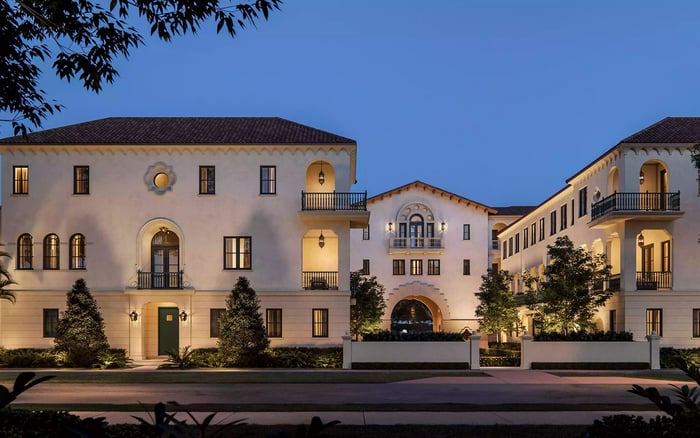
A residence begins before the front door. The arrival sequence sets the tone for everything that follows: street to lobby, lobby to elevator, elevator to private entry, and entry to main living space. Is the progression graceful or abrupt? Is there a sense of decompression, or does the home begin with clutter, exposure, and visual noise?
Luxury buyers often focus on finishes, but wellness depends heavily on choreography. A secure, quiet, well-proportioned arrival can make the difference between a home that feels restorative and one that merely looks expensive. Look for a plan with a clean drop zone, intuitive circulation, and a measured reveal into the living areas.
At Ponce Park Coral Gables, or any comparable address, the question is not simply what is offered. The question is how naturally the building carries you from public life back into privacy. The most refined residences do not announce wellness. They remove friction.
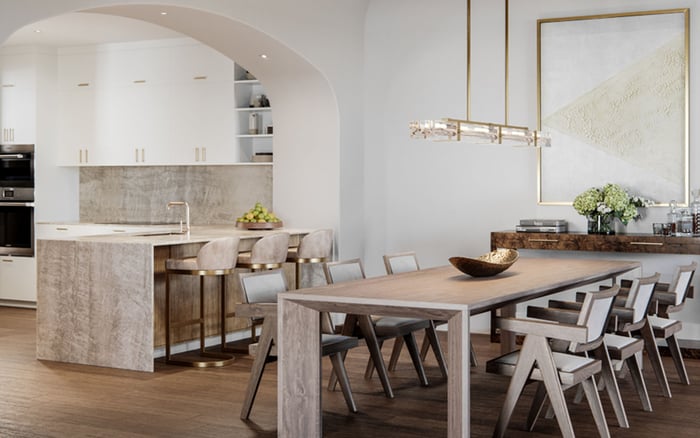
A floor plan reveals more than square footage. It shows how the home manages energy. Bedrooms set away from social zones, kitchens that support both daily routine and entertaining, bathrooms with room for ritual, and terraces that are useful rather than ornamental all matter.
Pay close attention to proportions. A large room can feel unsettled if furniture placement is awkward or circulation cuts through the center of daily life. A smaller room can feel luxurious if it is balanced, quiet, and well lit. Wellness-led living favors rooms that are easy to inhabit, not just impressive to tour.
Storage is another quiet test. If gym gear, wellness devices, linens, luggage, and seasonal entertaining pieces have no intelligent place to live, the home will accumulate stress. Ask whether the residence can maintain visual calm without constant effort. The best Coral Gables homes support order without making order feel like labor.
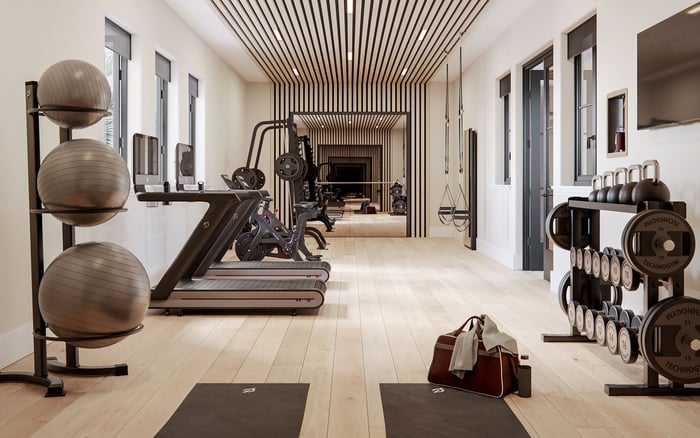
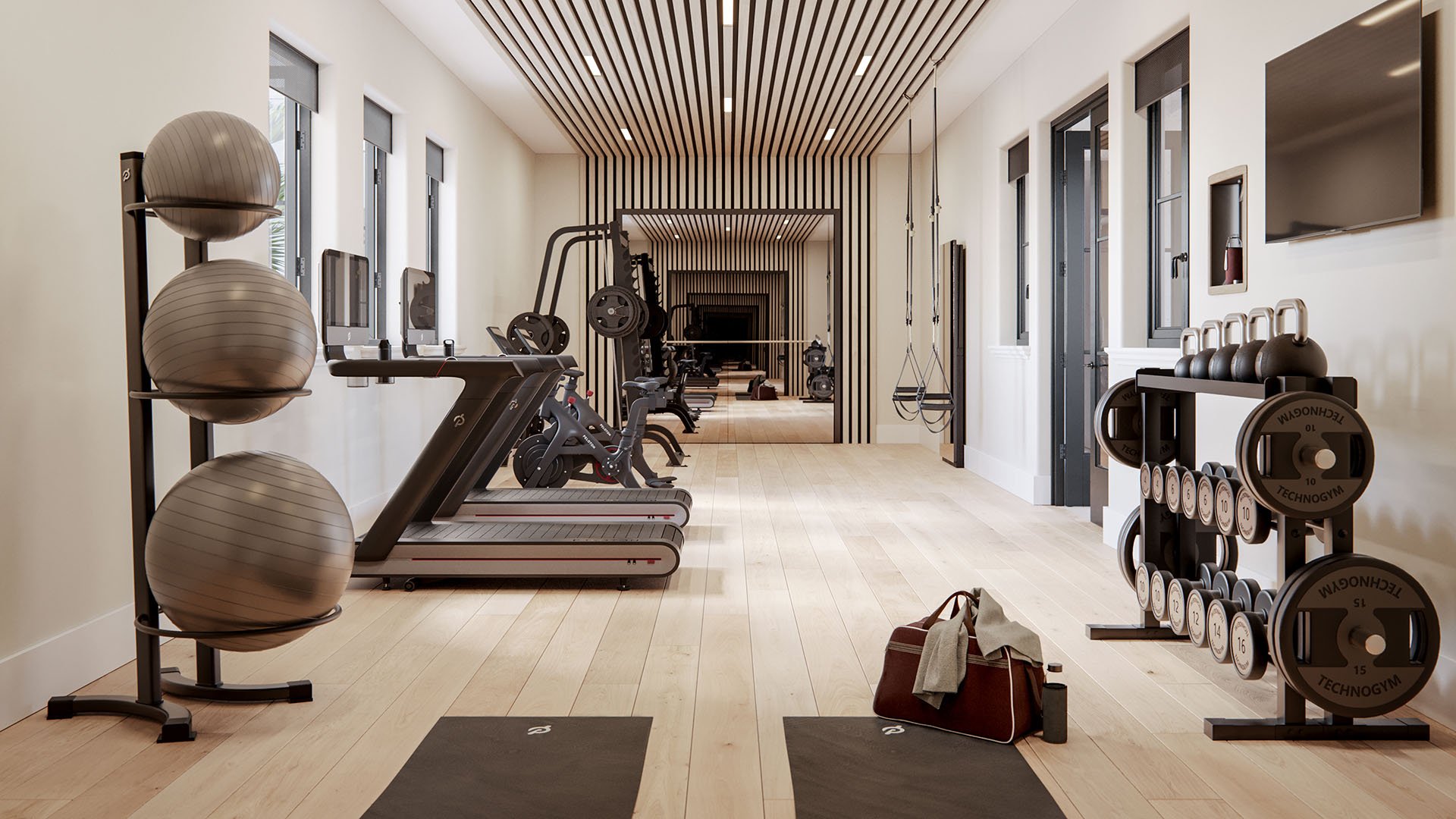
A wellness amenity is valuable only if you will actually use it. A dramatic space may be compelling on a presentation board, but buyers should ask how it fits into ordinary weeks. Can you move from workout to shower to work without logistical strain? Is the pool positioned for use, or only for effect? Are quiet areas truly quiet? Is outdoor space integrated with the rhythms of the building?
A useful exercise is to map three typical days: a weekday morning, a weekend afternoon, and an evening after travel. Then test the residence and building against those days. If the amenities reduce decision fatigue, support recovery, and create moments of ease, they are part of the wellness value. If they exist mostly as decoration, they may not justify the premium.
Buyers drawn to a wellness-forward lifestyle may also compare nearby concepts such as The Well Coconut Grove to clarify what matters most to them. The point is not to choose the longest amenity menu. It is to understand which services, spaces, and rituals will remain meaningful after the first year.
Light is not automatically wellness. Too much glare can make a beautiful room uncomfortable. Too little natural light can flatten mood and diminish the appeal of daytime living. The goal is balanced light, with the ability to soften, filter, and control it throughout the day.
Privacy is equally important. A terrace may have an exceptional outlook, but if it feels exposed, it may be used less often than expected. Bedroom windows, bathroom sightlines, elevator proximity, and neighboring views deserve careful study. Wellness depends on the ability to be unobserved when the day calls for retreat.
Acoustics are often overlooked during a showing. Stand quietly in each room. Listen near windows, mechanical areas, corridors, and shared walls. Notice whether the primary bedroom feels insulated from entertaining zones. A residence can have excellent views and still fail the wellness test if it cannot provide silence when silence is needed.
Wellness-led residences depend on ongoing care. Materials, landscaping, amenity areas, elevators, air systems, water features, and common spaces all require disciplined management. A building that is visually serene on opening day must also be able to remain serene through daily use.
Ask practical questions about staffing philosophy, maintenance protocols, amenity scheduling, guest management, and rules around shared spaces. These may not be glamorous subjects, but they define the real experience of ownership. Calm is not only designed. It is operated.
When considering a village-style environment such as The Village at Coral Gables, buyers should think about how scale, circulation, and community patterns affect everyday privacy. Some owners want a more social residential rhythm. Others prefer discretion above all else. Neither preference is wrong, but the building must match the buyer.
A view deserves consideration, but it should be asked to compete with more durable qualities. Does the residence function well on a rainy day? Does it feel composed at night? Can two people follow different routines without disturbing one another? Is there a proper place to read, stretch, work, dine, dress, recover, and receive guests?
The most expensive mistake is buying the view and then adapting your life around the flaws. In a true wellness-led residence, the outlook enhances a home that already works. It should deepen the experience, not distract from deficiencies.
For Coral Gables buyers, the strongest approach is disciplined romance. Allow yourself to respond emotionally, then return to the fundamentals. Light, quiet, privacy, proportion, airiness, service, and ease will outlast the first impression.
What defines a wellness-led residence in Coral Gables? It is a home designed and operated to support rest, movement, privacy, comfort, and daily ease. The concept should be evident in the plan, not only in the amenity language.
Should the view be the deciding factor? No. A view can enhance value and pleasure, but it should not outweigh layout, acoustics, privacy, natural light control, and long-term livability.
How should I evaluate wellness amenities? Test them against your real weekly routine. The best amenities reduce friction and support habits you already value.
Why does the arrival sequence matter? Arrival shapes the feeling of coming home. A calm, private transition can be as important as the finishes inside the residence.
What should I listen for during a showing? Pause in bedrooms, living areas, corridors, and terrace zones. Background noise, mechanical sound, and corridor activity can affect daily comfort.
Is a larger residence always better for wellness? Not necessarily. Proportion, flow, privacy, storage, and light control can matter more than raw size.
How important is storage? Very important. A wellness-led home should help preserve order without making the owner constantly manage clutter.
Can outdoor space be misleading? Yes. A terrace must feel private, usable, shaded when needed, and connected to the way you live, not merely attractive in photographs.
What role does building management play? Management sustains the wellness promise. Staffing, maintenance, amenity rules, and shared-space etiquette all shape the ownership experience.
How should I compare Coral Gables residences? Use the same daily-life checklist for each property. The right home should feel restorative after practical scrutiny, not only during the first impression.
When you're ready to tour or underwrite the options, connect with MILLION.
If branded residences are on your mind — as a home or as an allocation — we would be glad to share what we are seeing, privately.
Begin a quiet conversation