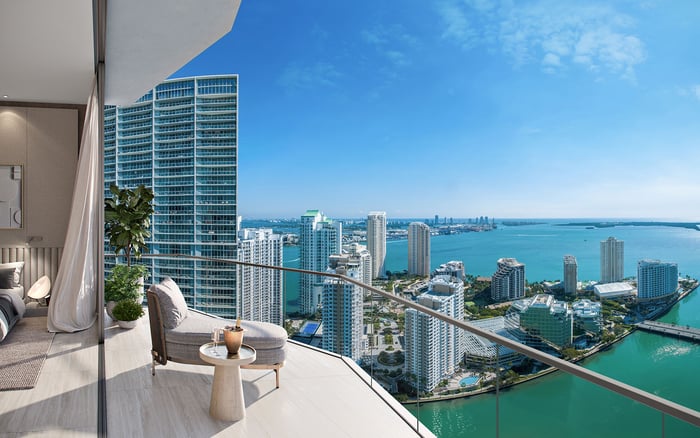
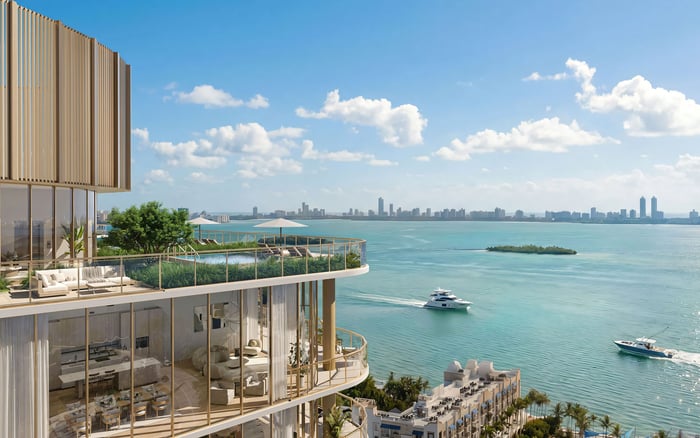
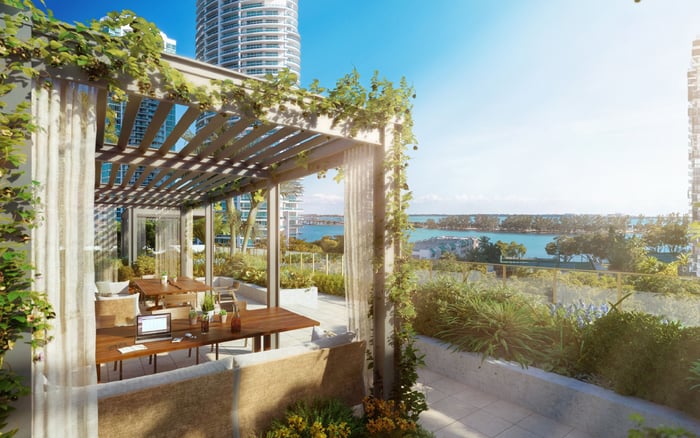
A wellness-led Midtown Miami residence works as a long-term purchase when the concept is supported by livable plans, privacy, strong operations and disciplined ownership costs.
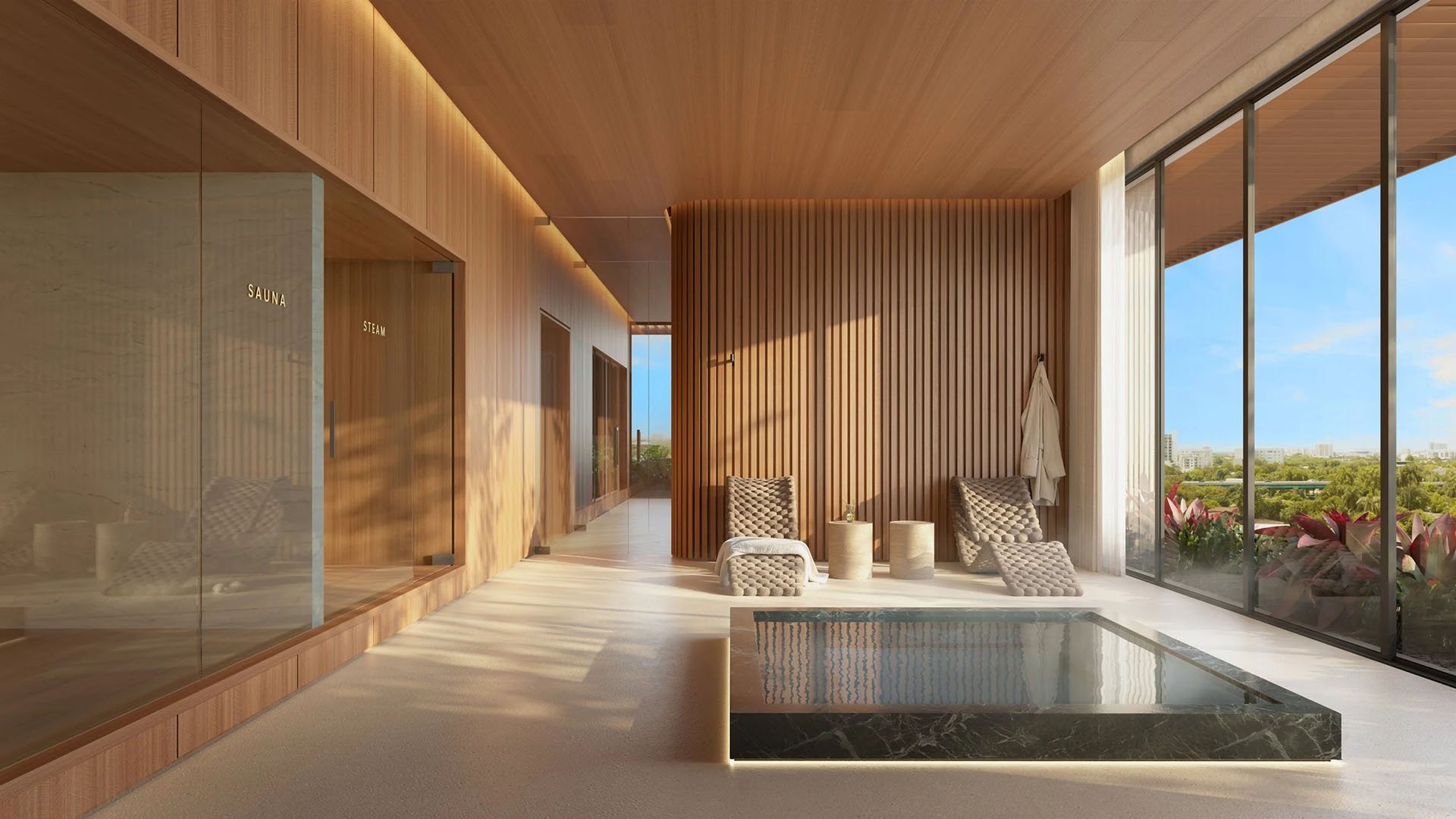
A wellness-led residence in Midtown Miami becomes a serious long-term purchase only when the wellness concept holds up in daily life. The buyer is not simply acquiring a spa, a meditation room or a handsome fitness floor. The more durable question is whether the building makes ordinary life feel calmer, healthier and easier without asking the owner to reorganize everything around the amenity package.
That distinction matters in Midtown because the purchase is often judged against a broader urban lifestyle. A buyer may be comparing Midtown with Brickell, Wynwood, Edgewater, Coconut Grove or Bay Harbor, not because these neighborhoods are interchangeable, but because each offers a different version of convenience, privacy and identity. In that context, a wellness-led residence must be practical as well as atmospheric.
In Midtown itself, Miami Design Residences Midtown Miami can serve as a useful reference point for buyers considering how a Midtown address should balance design ambition with everyday function. The strongest purchases are not those with the longest amenity vocabulary. They are the ones where the residence, the building and the neighborhood rhythm feel aligned.
The private home should carry the wellness thesis before the buyer ever reaches a shared space. Floor plan efficiency, natural light, quiet bedrooms, intuitive storage and a calm arrival sequence all influence whether the residence feels restorative over time. If the home itself feels strained, the most elaborate amenities will not rescue the ownership experience.
Serious buyers should pay close attention to thresholds. How does the entry compress or open? Can the primary suite function as a retreat? Is the kitchen placed for actual living rather than only entertaining? Does the terrace feel integrated with the interior, or does it behave like an afterthought? These questions may sound subtle, but they determine whether a residence ages gracefully.
Pool programming, fitness facilities and recovery spaces can be valuable, but they should support the private residence rather than compensate for it. A wellness-led home is strongest when the plan itself reduces friction: fewer awkward corners, clearer circulation, better separation between social and private rooms, and enough flexibility to adapt as the owner’s life changes.
Wellness is partly architecture, but it is also operations. A building can launch with polished amenity imagery and still disappoint if maintenance, scheduling, staffing and resident etiquette are not managed with discipline. Long-term buyers should ask how shared spaces will be reserved, maintained and protected from overuse. They should also consider whether the service model feels discreet enough for full-time living.
This is where comparisons beyond Midtown become useful. Projects such as House of Wellness Brickell and The Well Coconut Grove show how wellness has become a defining residential category across Miami, not merely a decorative amenity theme. For a buyer, that raises the standard. A Midtown building has to show coherence: wellness in the residence, wellness in the shared spaces and wellness in the way the property is run.
Operational questions should be direct. Will the amenities feel calm during peak hours? Are wellness spaces sized and placed to support regular use? Does the building culture encourage privacy? Are service charges aligned with the level of experience being promised? A long-term purchase is not only about what is delivered at closing. It is about what remains refined after years of ownership.
Midtown works best for buyers who want an urban base with a sense of immediacy. But even the best location must be tested against routine. A residence may be visually compelling, yet less successful if daily life requires constant compromise. Wellness-led ownership depends on how easily the owner can move between work, dining, culture, errands and retreat.
The buyer should think in patterns rather than postcard views. Morning light, evening noise, garage access, guest arrival, pet routines, deliveries and the walk from lobby to residence all matter. These are not secondary details. They shape the nervous system of ownership.
For buyers comparing nearby waterfront or urban alternatives, EDITION Edgewater offers another lens for evaluating how service, setting and lifestyle can influence perceived value. The point is not to declare one neighborhood superior. It is to understand which environment best supports the owner’s intended life.
Wellness can add emotional conviction to a purchase, but investment discipline should remain sober. A buyer should separate what is timeless from what is trend-sensitive. Quiet plans, generous light, privacy, high-quality materials and credible operations tend to hold appeal. Highly specific design gestures or overly theatrical amenities may require more careful evaluation.
The most resilient wellness-led residence is one that can attract multiple future buyer profiles. It should appeal to the full-time resident, the seasonal owner and the design-conscious investor who wants a home that feels current without feeling temporary. In Midtown, that means avoiding a purchase based solely on novelty. The better question is whether the residence will still feel composed, useful and desirable after the initial marketing energy fades.
Carrying costs deserve the same calm analysis. If the wellness program is extensive, the buyer should understand how that experience is funded over time. A serious long-term purchase requires comfort not only with the price of entry, but with the ongoing economics of ownership.
A wellness-led Midtown residence works when four conditions are present. First, the private home must feel restful without relying on shared amenities. Second, the building must operate with consistency, privacy and restraint. Third, the location must support the owner’s actual routine. Fourth, the purchase must remain rational when viewed through long-term ownership costs and future resale appeal.
That is why a buyer should tour with two mindsets. One is emotional: does the residence create the feeling of ease the buyer wants? The other is analytical: can the building protect that feeling over time? The best Midtown wellness purchase satisfies both.
For buyers also studying lower-density wellness concepts, The Well Bay Harbor Islands may provide a useful counterpoint to the Midtown conversation. A more residential island setting asks different questions than an urban Midtown address, but the core standard remains the same. Wellness must be credible, livable and durable.
What is a wellness-led residence? It is a residence where design, amenities and operations are organized around comfort, recovery, privacy and daily ease.
Why does wellness matter for a Midtown Miami buyer? Midtown buyers often want urban convenience without sacrificing calm, so wellness becomes a way to evaluate livability.
Should amenities lead the purchase decision? No. The private residence should feel strong first, with amenities enhancing rather than compensating for the home.
What should I study during a tour? Look closely at light, acoustics, circulation, bedroom privacy, storage, arrival experience and how shared spaces are managed.
Is a wellness-led residence always a better long-term buy? Not automatically. It works best when the wellness concept is supported by durable design and disciplined operations.
How should I compare Midtown with Brickell? Compare routines, privacy, service expectations and how each neighborhood supports the way you actually live.
Does a pool make a building wellness-led? A pool can help, but wellness depends on the broader experience, including planning, service, quiet and maintenance.
Why is terrace design important? A terrace adds value when it feels like a true extension of the residence and supports regular use.
Can wellness help resale appeal? It can, especially when the residence feels timeless rather than overly dependent on a passing design trend.
What is the simplest long-term test? Ask whether the home will feel easier to live in five years from now, not just more impressive on day one.
When you're ready to tour or underwrite the options, connect with MILLION.
If branded residences are on your mind — as a home or as an allocation — we would be glad to share what we are seeing, privately.
Begin a quiet conversation