A discreet buyer’s guide to evaluating Palm Beach Gardens residences through the lens of staffing, access, circulation, service protocol, and day-to-day privacy.
For buyers who value discretion, Palm Beach Gardens can be compelling precisely because it does not try to perform like a trophy district at every corner. Its appeal is quieter: measured arrivals, residential scale, access to everyday services, and an atmosphere that can feel removed from the theatrical energy of the coastline. But privacy here is not automatic. It depends on how a building, community, or estate is run.
A gated community may create the first layer of separation, yet the experience that matters begins after the gate. Who sees the owner arrive? How are guests received? Where do vendors wait? Can staff move through the property without crossing resident paths? Are deliveries controlled without making life feel managed? These details determine whether a home feels serene or merely secluded.
This is why buyers looking at The Ritz-Carlton Residences® Palm Beach Gardens should think beyond finishes and views. The more important question is whether the daily choreography supports privacy at the level expected by a household with assistants, drivers, visitors, service providers, family, and seasonal guests.
Privacy begins before the front door. A strong arrival plan allows residents to enter without unnecessary exposure, confusion, or delay. In a well-run luxury environment, the arrival sequence should feel intuitive: secure access, clear circulation, controlled valet or parking protocol, and staff who understand the difference between attentiveness and visibility.
For many Palm Beach Gardens buyers, the comparison set includes Palm Beach residences, West Palm Beach waterfront offerings, and private enclaves farther south. In search language, Palm Beach often signals the classic estate mindset, while Palm Beach Gardens may offer a more residential cadence. The distinction matters. The buyer is not only selecting a location, but a rhythm.
When touring, arrive at different times of day if possible. Notice whether the entrance feels calm during service hours. Watch how vendors are handled. Ask how guests are announced, how temporary staff are cleared, and how resident preferences are recorded. The most elegant buildings do not rely on improvisation. They rely on protocol.
A building can look composed in a brochure and still fail the privacy test in daily operation. Service circulation is the hidden architecture that matters most. Elevators, loading areas, package rooms, housekeeping access, maintenance routes, and back-of-house staging all determine how often residents encounter the operational life of the property.
This is especially relevant for new-construction buyers who assume newer automatically means more private. It may, but only if the plan separates resident life from service movement. A beautiful lobby loses its calm if every delivery, contractor, and luggage cart passes through the same visible space. A refined amenity deck loses its discretion if staff routes are unclear.
The same principle applies when comparing nearby luxury options such as Palm Beach Residences or The Ritz-Carlton Residences® West Palm Beach. The names may suggest prestige, but the buyer’s actual privacy will depend on circulation, staffing discipline, and how consistently the property protects resident flow.
Amenity count is a blunt instrument. Privacy-focused buyers should care less about how many spaces exist and more about how they are governed. A pool can feel private if reservations, capacity, staffing, and sightlines are controlled. A fitness room can feel discreet if access patterns are sensible. A lounge can feel refined if it does not become an informal public lobby.
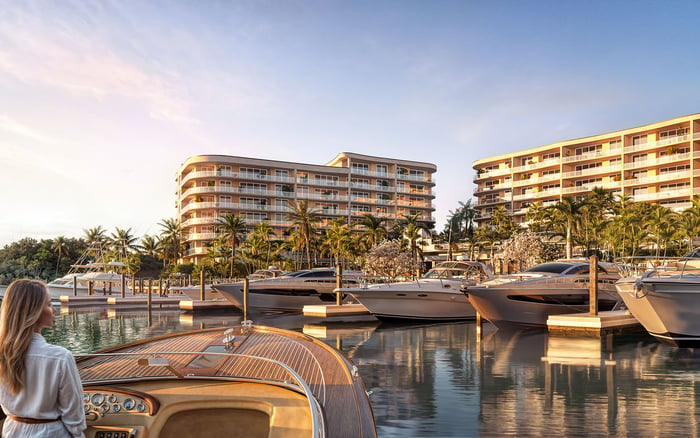
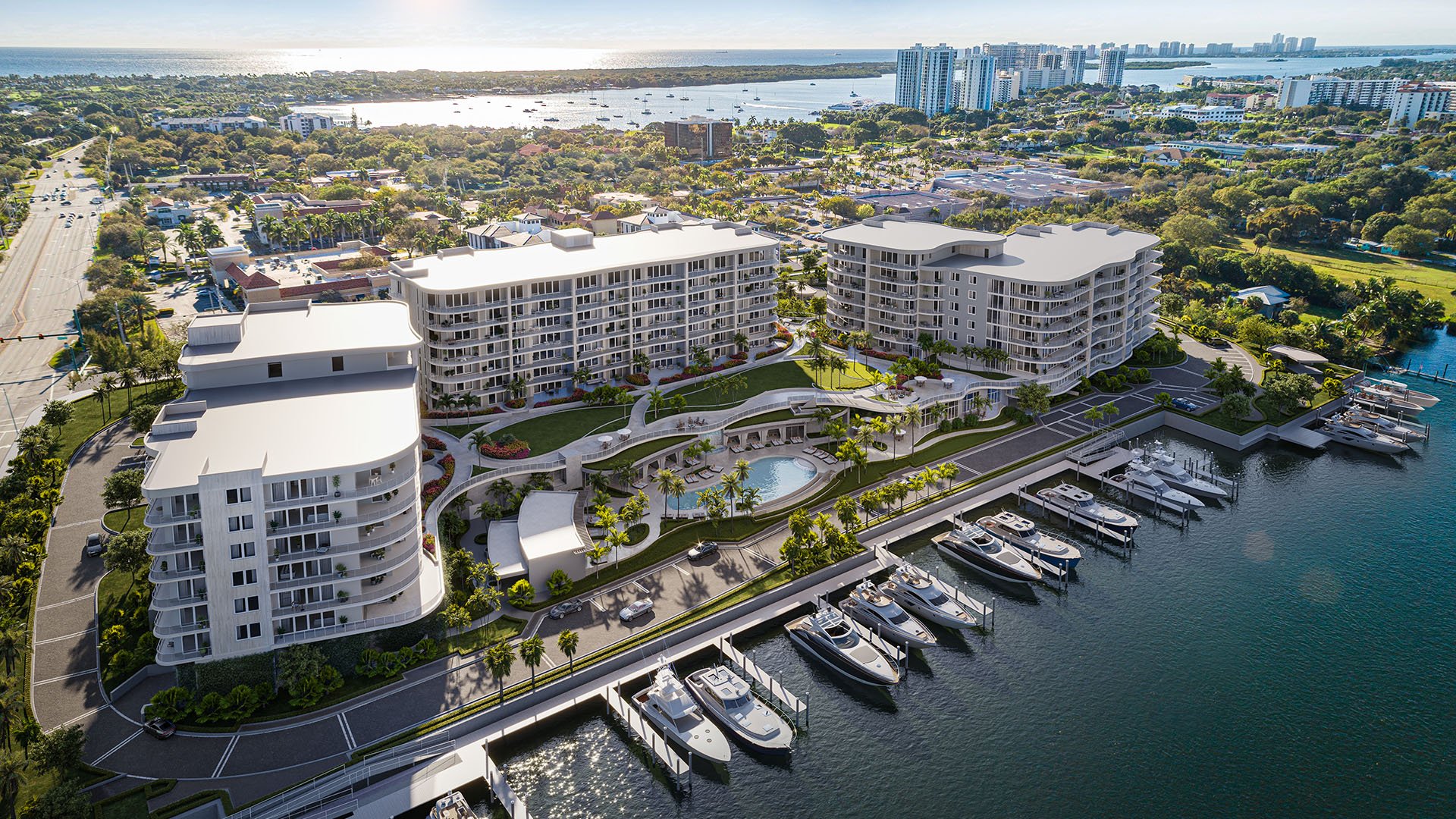
Palm Beach Gardens also appeals to buyers whose lifestyle may include golf, boating access nearby, wellness routines, family visits, and seasonal entertaining. If a marina-oriented lifestyle is part of the decision, the building still needs to protect the transition between public activity and private residence. The best environments allow owners to live fully without making their movements legible.
Ask how amenity guests are registered. Ask whether private events are allowed and how they are staffed. Ask how noise complaints are handled. Ask whether management has discretion to limit behavior that technically fits the rules but undermines the tone of the property. Privacy is not only visual. It is acoustic, social, and operational.
More staff does not always mean more privacy. The better question is whether staff are trained to be discreet, consistent, and resident-aware. A doorman who remembers preferences but does not overstep can be more valuable than a larger team without discipline. A manager who documents household instructions accurately can protect the owner from repeated explanations.
For high-net-worth buyers, the building team becomes part of the home’s perimeter. They know travel patterns, guest lists, service schedules, and family routines. That makes culture essential. Confidentiality should not feel like a favor. It should be embedded in hiring, training, and supervision.
This is where Palm Beach Gardens can work particularly well for buyers seeking a composed lifestyle. The area can support privacy when building operations are designed for residents who want calm, not spectacle. For buyers also considering Boca Raton, projects such as Alina Residences Boca Raton may enter the comparison, but the same rule applies: the operating model must match the privacy expectation.
A serious privacy review should be practical. Walk the arrival path from car to residence. Ask where staff park. Ask where move-ins happen. Ask how many access points are monitored. Ask how management handles press, photographers, contractors, short-notice guests, and long-stay visitors. Ask whether rules are enforced consistently or only when an owner complains.
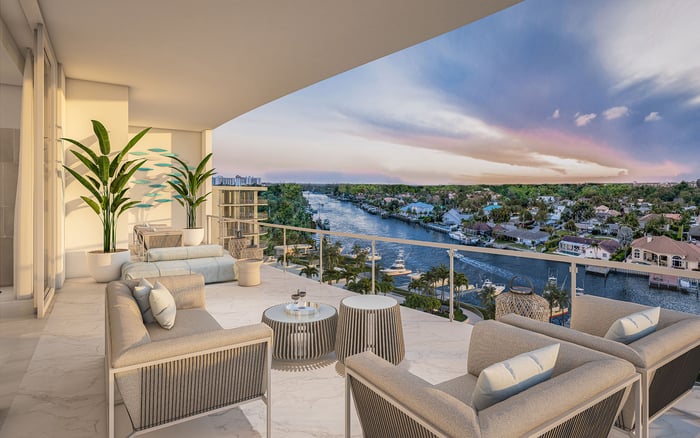
Review the residence itself through the same lens. Consider elevator exposure, corridor length, terrace sightlines, adjacency to amenity spaces, and whether service access supports the household’s routine. A large residence can feel less private than a smaller one if its circulation is poorly placed.
Finally, assess temperament. The right Palm Beach Gardens property should feel quietly competent. Nothing should seem chaotic, performative, or improvised. When the operations are right, privacy becomes effortless. The owner does not have to ask for discretion every day because the property has already been built, staffed, and governed around it.
Is Palm Beach Gardens a good fit for privacy-focused luxury buyers? It can be, particularly when the property’s access, staffing, and service circulation are designed with discretion in mind.
Does a gate guarantee privacy? No. A gate is only the first layer; daily privacy depends on how residents, guests, vendors, and staff move through the property.
What should buyers ask during a private tour? Ask about guest registration, vendor access, staff training, service elevators, package handling, and how resident preferences are protected.
Are boutique buildings always more private? Not necessarily. A smaller building can still feel exposed if operations are casual or service areas overlap with resident spaces.
Why does service circulation matter so much? It determines whether the operational life of the property stays behind the scenes or repeatedly intersects with the owner’s day.
How should buyers evaluate amenity privacy? Look at access control, reservation policies, sightlines, staffing, guest rules, and whether the spaces feel calm during peak hours.
Is new-construction usually better for privacy? It can be, but only when the plan includes disciplined circulation, controlled access points, and a professional operating structure.
What role does staff culture play? Staff culture is central because the team handles sensitive information about arrivals, guests, household patterns, and service routines.
Should Palm Beach Gardens buyers compare nearby markets? Yes. Comparing Palm Beach, West Palm Beach, and Boca Raton can clarify whether the desired privacy is architectural, operational, or lifestyle-driven.
What is the best way to shortlist comparable options for touring? Start with location fit, delivery status, and daily lifestyle priorities, then compare stacks and elevations to validate views and privacy.
To compare the best-fit options with clarity, connect with MILLION.
If branded residences are on your mind — as a home or as an allocation — we would be glad to share what we are seeing, privately.
Begin a quiet conversation