A buyer-focused guide to evaluating resident club programming in Key Biscayne before closing, from access rights and fees to wellness, dining, guest privileges, and family use.
For many Key Biscayne buyers, the residence is only one part of the purchase. The quieter question is how life will function once the keys are delivered. Resident club programming can shape mornings, weekends, guest visits, family routines, wellness habits, and the feel of a second home when the owner is in residence only part of the year.
The distinction matters. A beautiful amenity space is a physical feature. Programming is the operating culture behind it. It determines whether the fitness studio offers meaningful classes, whether children have supervised activities during school breaks, whether tennis or racquet access is simple to reserve, whether a dinner event feels elegant rather than crowded, and whether residents experience the property as a private extension of home.
Key Biscayne has its own rhythm: island privacy, beach proximity, family-oriented living, and a preference for discretion over spectacle. A buyer may arrive with search filters such as Key-biscayne, Oceanfront, Pool, Tenniscourt, Gated-community, and Second-home, but the final decision often turns on subtler questions. Who uses the club? How is access controlled? How are peak periods managed? What happens when guests arrive for a holiday weekend?
Before closing, buyers typically review association materials, rules, budgets, and related governing documents. Those materials should not be treated as administrative formalities. They are lifestyle documents. They define access, restrictions, operating hours, guest privileges, fees, reservation procedures, and management’s authority to modify rules over time.
A polished sales presentation may describe the club experience in broad terms. The documents reveal the practical limits. Buyers should look for language covering member eligibility, household members, renters, extended family, guests, service providers, and visiting friends. A rule that appears minor on paper can become meaningful if the residence will host adult children, grandparents, household staff, or seasonal visitors.
It is also important to distinguish included access from fee-based use. Some programs may sit within the regular association structure, while certain services, events, lessons, dining, spa appointments, cabanas, storage, or private instruction may carry separate charges. The financial issue is not only the amount. It is predictability. A well-run private environment makes cost and access expectations clear before a buyer commits.
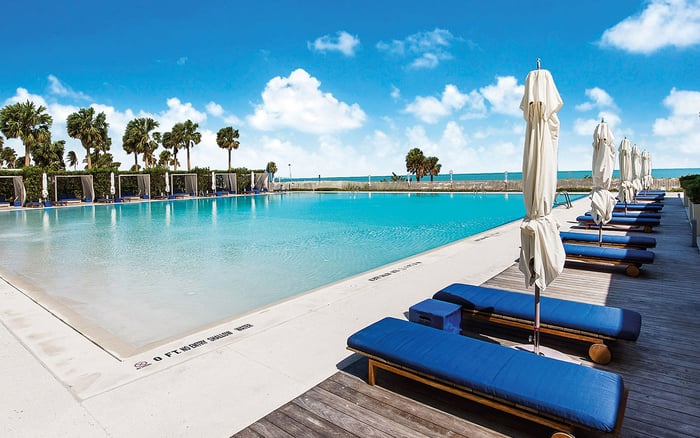
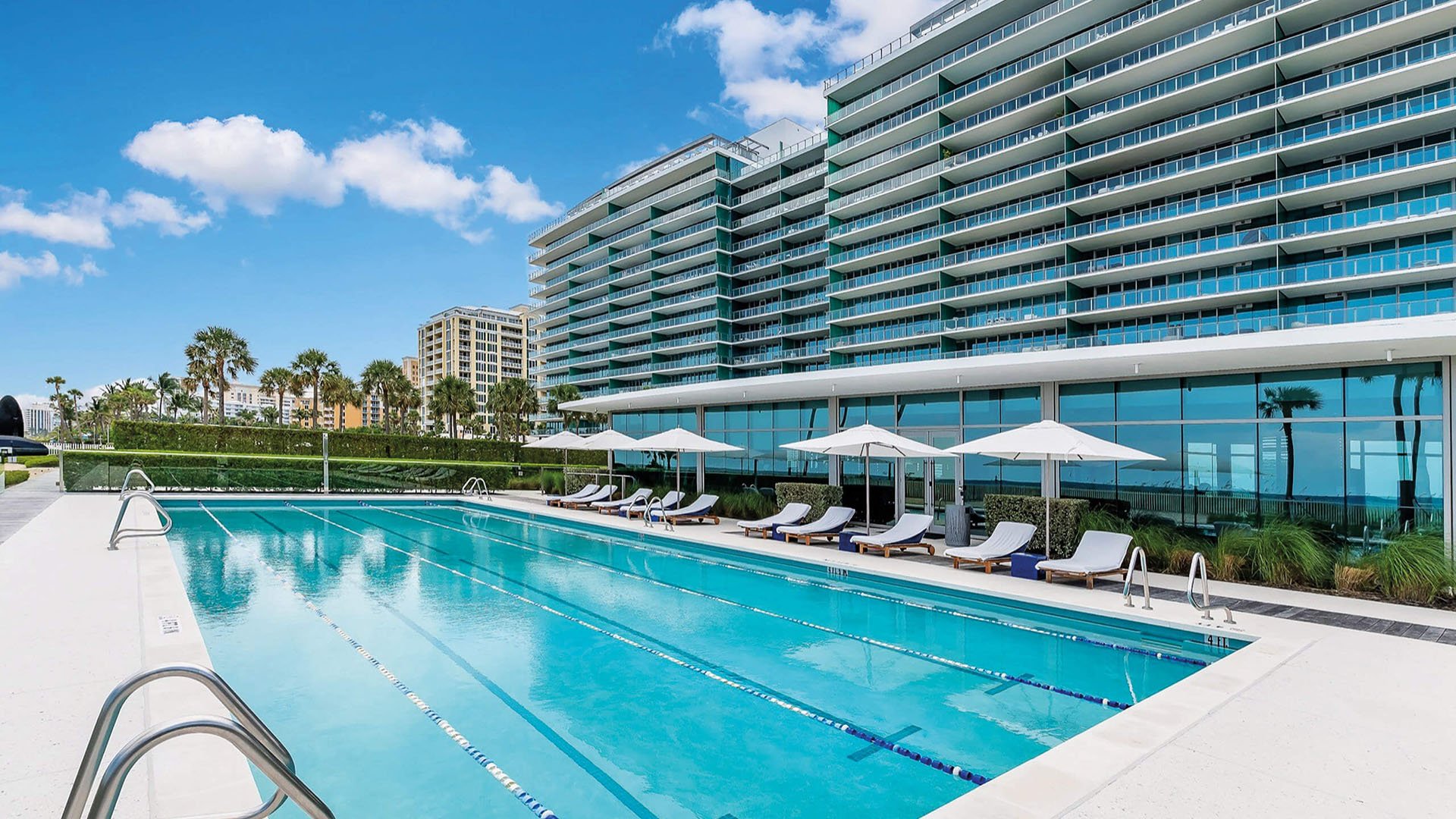
A pool, lounge, fitness room, dining terrace, or screening room can photograph beautifully. The deeper question is whether those spaces are activated in a way that suits the household. Programming gives amenities purpose. It may include wellness classes, holiday events, children’s activities, resident receptions, wine dinners, lectures, sports clinics, beach services, or concierge-led experiences.
For some buyers, a robust social calendar is an advantage. For others, the ideal club is nearly invisible, supporting daily convenience without creating a hotel-like atmosphere. Key Biscayne purchasers should be candid about temperament. A family expecting organized children’s activities may value a different operating style than a couple seeking privacy, quiet mornings, and low-density use of common areas.
The calendar is only part of the test. Buyers should ask how events are staffed, whether attendance is capped, how invitations are handled, and whether programming changes seasonally. A refined club experience depends on pacing. Too little activity can make the club feel ornamental. Too much can compromise the residential calm many island buyers value.
Guest access is one of the most consequential details to review before closing. Key Biscayne homes and condominiums often serve as gathering places for family and close friends. The buyer should know whether guests may use amenities without the owner present, whether advance registration is required, whether blackout dates apply, and whether guest limits change during holidays or high-demand periods.
For owners planning seasonal use, this issue can be especially important. If adult children or extended family will occupy the residence at different times, the club rules should support that plan. If the property may be leased in the future, rental-related access should be reviewed carefully. Not every resident privilege automatically extends to tenants, and not every club culture welcomes transient use in the same way.
Guest rules are also a privacy issue. Tighter controls may feel restrictive to some buyers, but they can preserve exclusivity and reduce crowding. More flexible policies may suit a social household, but they can change the character of a small club during peak periods. The right answer depends on how the residence will be lived in, not on the most generous-sounding policy.
Wellness programming is now central to luxury residential life, but the details vary widely. Buyers should look beyond the presence of a gym and ask about class formats, trainer access, spa operations, locker facilities, recovery spaces, and the process for booking private sessions. If wellness is part of the daily routine, the club should feel reliable rather than occasional.
Sport is equally practical. Tennis, pickleball, swimming, personal training, yoga, and water-oriented activities can create a strong sense of community, but only if court times, lanes, instruction, and guest use are managed well. A single reservation rule can determine whether a resident actually uses the amenity or simply admires it from the brochure.
Family programming should be evaluated with the same precision. Parents and grandparents may want seasonal camps, children’s events, supervised rooms, holiday programming, or teen-friendly spaces. Buyers should ask whether programs are recurring or occasional, whether staffing is dedicated, and whether age restrictions apply. The best family clubs feel organized without becoming noisy, crowded, or impersonal.
Dining programs can add meaningful convenience, particularly for owners who arrive from out of town and want a soft landing. The question is whether the food and beverage experience is genuinely residential. Buyers should understand operating hours, reservation systems, private dining options, corkage policies if relevant, catering availability, and whether events are designed primarily for residents.
In Key Biscayne, tone matters. Many buyers are not seeking a scene. They want gracious service, familiar faces, and the ability to host discreetly. A resident dinner, holiday brunch, or sunset gathering should feel curated, not commercial. Buyers should ask how the club balances social energy with privacy, especially during winter, school holidays, and major local event periods.
Event programming can also influence resale perception. A building or community with thoughtful, consistent programming may feel more alive and better managed. Conversely, a club that relies on occasional spectacle without disciplined operations can disappoint after closing. The most durable value is often found in quiet competence.
A club is only as strong as its governance and staffing model. Buyers should understand who controls programming decisions, how budgets are approved, whether residents have input, and how management communicates schedule changes. A beautifully conceived club can lose its edge if staffing is inconsistent or if programming becomes an afterthought.
Future flexibility should also be reviewed. Rules may allow boards or management to alter hours, fees, access categories, reservation windows, or use restrictions. That authority is normal in many residential settings, but buyers should know how much discretion exists. A purchaser who depends on a specific service should not assume it will remain unchanged indefinitely.
Staffing is the human layer of privacy. Concierge personnel, fitness professionals, attendants, event teams, and security staff define how the club feels day to day. The ideal experience is attentive but not intrusive, polished but not theatrical. For ultra-premium buyers, that balance is often the difference between an amenity package and a true residential club.
Before closing, the buyer should confirm who has access, what is included, what costs extra, how guests are treated, how reservations work, and how peak periods are controlled. The review should also cover family use, leasing implications, pet-related rules where relevant, event policies, cancellation fees, and whether club privileges transfer in the way the buyer expects.
It is useful to imagine three ordinary days: a quiet weekday morning, a holiday weekend with guests, and a high-season evening event. If the rules support all three scenarios, the programming is more likely to fit. If the answers feel vague, the buyer should clarify them before closing rather than discovering friction later.
The most successful Key Biscayne purchases align architecture, location, governance, and daily ritual. Resident club programming is where those elements meet. It is not merely an amenity conversation. It is a question of how privacy, service, family, wellness, and community will be choreographed after ownership begins.
What is resident club programming? It is the organized lifestyle layer behind amenities, including wellness classes, events, dining, family activities, sports access, and resident services.
Why should buyers review it before closing? Once a buyer closes, the rules and operating culture become part of daily life. Understanding them early helps avoid mismatched expectations.
Are club privileges always included in ownership? Not always in the same way. Buyers should confirm what is included, what requires extra fees, and who in the household may use each service.
Can guests usually use the club? Guest access depends on the property’s rules. Buyers should clarify limits, registration requirements, owner-presence rules, and holiday restrictions.
Should second-home buyers ask different questions? Yes. A second-home owner should focus on family access, arrival services, seasonal calendars, storage, guest use, and communication while away.
How important is programming for resale? Strong programming can support perceived value because it makes the property feel well managed and genuinely livable beyond the private residence.
What should families review most closely? Families should ask about children’s programs, supervision, age limits, guest children, holiday schedules, pool rules, and noise expectations.
How do buyers evaluate privacy? They should review access controls, event size, guest policies, staffing standards, and how management handles peak demand.
Can club rules change after closing? Many residential clubs allow rules, hours, fees, or programming to evolve. Buyers should understand who has authority to make those changes.
What is the best way to shortlist comparable options for touring? Start with location fit, delivery status, and daily lifestyle priorities, then compare stacks and elevations to validate views and privacy.
For a discreet conversation and a curated building-by-building shortlist, connect with MILLION.
If branded residences are on your mind — as a home or as an allocation — we would be glad to share what we are seeing, privately.
Begin a quiet conversation