A buyer-focused comparison of Vita at Grove Isle and The Village at Coral Gables through the lens of balcony governance, outdoor-kitchen diligence, and terrace weather tolerance, with emphasis on written rules over marketing language.
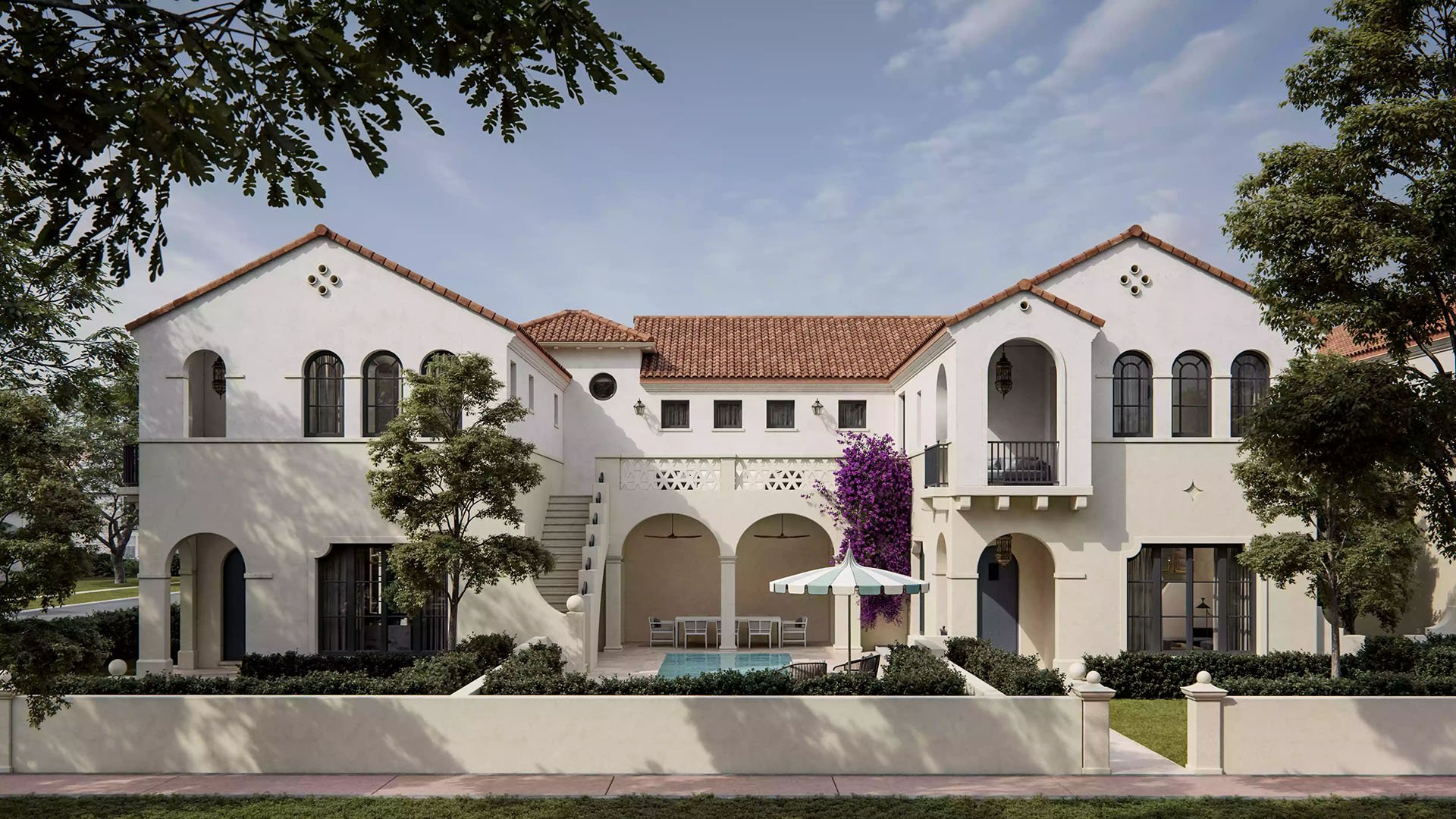
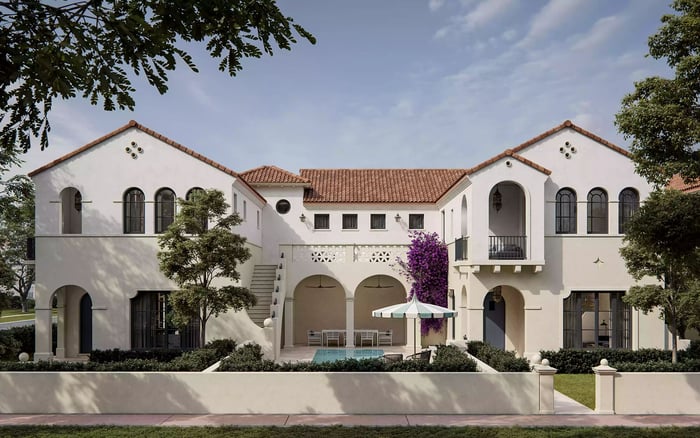
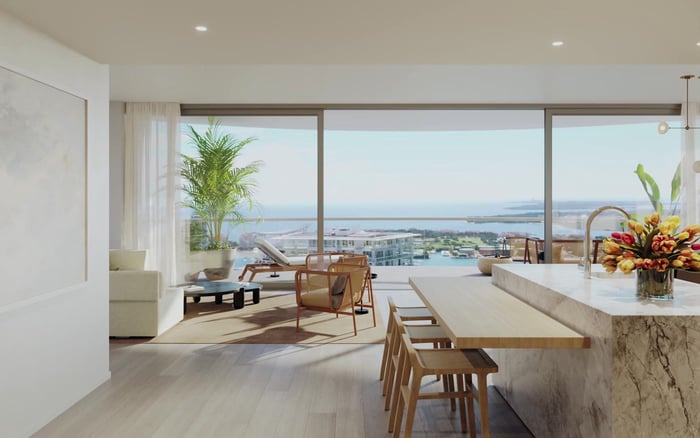
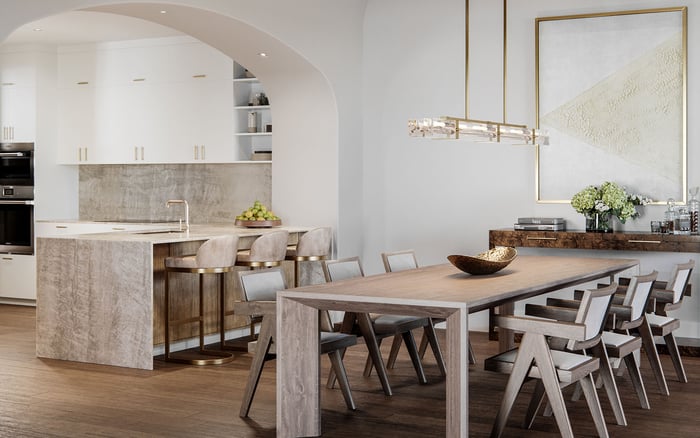
For South Florida’s luxury buyer, the balcony is no longer a decorative edge condition. It is a dining room, a sunset lounge, a planting zone, a place for morning coffee, and, often, the emotional reason one residence prevails over another. Yet the most important questions about that space rarely appear in glossy renderings. They reside in governing documents, management rules, architectural-control procedures, equipment specifications, and maintenance obligations.
That is the useful lens for comparing Vita at Grove Isle and The Village at Coral Gables. The issue is not simply which setting feels more romantic, more private, or more visually composed. The sharper question is how each ownership structure treats exterior living. A buyer focused on balcony use, terrace durability, and the possibility of an outdoor kitchen should separate three things: what is marketed, what is built, and what is legally permitted after closing.
The Village at Coral Gables can be framed as a Coral Gables residential development. Vita at Grove Isle, by contrast, calls for independent verification of any property-specific rule, material, or association claim. That does not diminish its appeal as a name in the market. It simply means the prudent buyer should not assume that a beautiful terrace image answers questions about grills, storage, planters, waterproofing, or post-closing alterations.
The phrase “ownership model” matters because exterior space is never owned in a vacuum. In a condominium context, a balcony or terrace may feel private, while its structure, façade expression, railing line, drainage behavior, and visible contents remain subject to collective rules. In a residential development setting, exterior areas may be shaped by community standards, design guidelines, maintenance protocols, or management requirements. Either way, the terrace is both personal and shared.
For buyers comparing Vita at Grove Isle and The Village at Coral Gables, the practical test is not whether one model is automatically freer than the other. It is whether the documents answer the questions that matter to the way the buyer actually lives. A frequent entertainer will care about built-in cooking, service access, venting, and cleanup. A seasonal resident will care about hurricane-storage rules and whether furniture can remain outside. A collector of large planters will care about load, drainage, staining, and façade visibility.
This is where the conversation becomes more refined. The right purchase is not the one with the most polished outdoor furniture in a sales image. It is the one where the lifestyle shown can withstand board review, management enforcement, weather exposure, and routine maintenance without friction.
The Village at Coral Gables belongs in a Coral Gables conversation because it is positioned as a residential development in Coral Gables. For buyers drawn to the city’s composed architectural rhythm, the appeal may differ from the vertical drama often associated with waterfront condominium living. But even in a refined development environment, outdoor living should be translated into written obligations before it becomes part of the purchase thesis.
For balcony and terrace use, buyers should request the governing documents or management rules that address furniture, umbrellas, planters, privacy screens, railings, flooring overlays, awnings, exterior changes, and hurricane-storage requirements. These are not minor details. They determine whether a terrace can function as a true outdoor room or must remain a more controlled architectural element.
Outdoor kitchens require an equally specific review. A buyer should seek written confirmation regarding built-in grills, portable grills, gas lines, electric appliances, balcony power capacity, venting, grease management, smoke control, and any approval process for installation. Without that confirmation, it is unwise to assume that an outdoor cooking concept is permitted simply because the space appears generous enough to hold one.
Weather tolerance deserves its own line of diligence. Before relying on any marketing language about open-air living, buyers should ask for written specifications related to drainage, waterproofing, wind resistance, exterior-finish maintenance, and responsibility for repairs. In South Florida, a terrace must be beautiful in fair weather and coherent after heat, rain, wind, humidity, and routine cleaning. The more a buyer expects to live outdoors, the more important these documents become.
Vita at Grove Isle sits in the buyer’s imagination as a highly specific lifestyle proposition, but property-specific statements about its balcony rules, outdoor-kitchen allowances, exterior construction standards, approval process, inspection costs, or terrace materials should not be treated as settled without separate verification. A serious buyer should request the condominium declaration, rules and regulations, architectural guidelines, maintenance standards, insurance-related obligations, and any current board or management policies that affect exterior areas.
This is especially important for anyone comparing Coconut Grove adjacency, island-style privacy, and the feeling of a resort-like outdoor life. The name and setting may suggest leisure, but the legal experience of a terrace is defined by documents. Can a buyer place large planters outside? Are umbrellas restricted by size, color, anchoring, or storm procedures? Are flooring overlays allowed? Are railings or screens untouchable common elements? Are visible accessories controlled for uniformity? These are the questions that determine day-to-day satisfaction.
Outdoor kitchens should be handled with particular discipline. The buyer should not assume that gas, electric, portable, or built-in cooking is either allowed or prohibited until the relevant documents say so. The same caution applies to venting, grease, smoke, penetrations, added electrical load, and any modification that touches building systems or exterior appearance. In luxury real estate, the cost of being wrong is not only financial. It can be the loss of the lifestyle the buyer thought was included.
Balcony rules often feel mundane during a tour and decisive after move-in. The most elegant terrace can become frustrating if furniture must be removed frequently, umbrellas cannot remain open, planters are limited, or any visible change requires an approval cycle. Buyers should ask for the current rule set, not a verbal summary.
The key items are straightforward: furniture type and placement, storage, cushions, rugs, planters, screens, umbrellas, lighting, speakers, flooring, pet-related use, and storm preparation. A buyer should also ask who enforces the rules, how violations are noticed, whether fines or cure periods exist, and whether rental occupants are subject to the same obligations. The goal is not to challenge control. The goal is to know whether the community’s standards match the buyer’s preferred lifestyle.
This is also where a premium advisor earns trust. A terrace that reads beautifully in a showing may carry a different operating reality in daily use. The buyer who asks early avoids negotiating emotionally after discovering limitations late.
In South Florida, the outdoor kitchen has become a symbol of hospitality. Yet on elevated terraces and shared-building exteriors, cooking is never just cooking. It can involve fire safety, smoke migration, fuel source, electrical capacity, waterproofing, penetrations, grease, odors, pest control, and façade appearance.
For The Village at Coral Gables, the right approach is written confirmation on built-in grills, gas lines, electric appliances, venting, grease management, and balcony power capacity. For Vita at Grove Isle, the same categories should be verified independently through association and project documents. In both cases, buyers should distinguish between loose furniture that can be removed and fixed improvements that may alter systems or exterior appearance.
A useful question is simple: if the buyer hosted dinner outdoors twice a week, what would be permitted without additional approval, and what would require written consent? The answer will often reveal more than a brochure.
Terrace weather tolerance is not a single specification. It is the combined performance of drainage, waterproofing, railings, finishes, thresholds, fasteners, sealants, maintenance access, and user behavior. Buyers should avoid relying on general phrases such as durable, coastal, or weather-ready unless the written specifications explain what those terms mean.
For The Village at Coral Gables, the prudent request is written detail on drainage, waterproofing, wind resistance, and exterior-finish maintenance. For Vita at Grove Isle, similar verification should be obtained before assuming performance standards, material choices, or maintenance costs. This applies whether the buyer is considering a primary residence, second-home use, or a seasonal pattern of ownership.
The best terraces are designed not only for the first cocktail hour, but for years of humidity, cleaning, storms, sun exposure, and furniture movement. That is the distinction sophisticated buyers should protect.
Can buyers assume outdoor kitchens are allowed at The Village at Coral Gables? No. Buyers should request written confirmation on grills, gas, electric appliances, venting, grease management, and power capacity.
Can buyers assume Vita at Grove Isle has specific balcony rules? No. Any Vita at Grove Isle rule should be verified through condominium documents, management policies, and current association guidance.
What is the first balcony document to request? Ask for governing documents and current management rules covering furniture, planters, screens, umbrellas, flooring overlays, and storm storage.
Why do hurricane-storage rules matter? They determine what must be removed, secured, or stored before severe weather, which directly affects seasonal owners and frequent travelers.
Are terrace materials safe to judge from renderings? No. Buyers should request written specifications for drainage, waterproofing, wind resistance, finishes, and maintenance responsibility.
Is a larger terrace always more flexible? Not necessarily. Flexibility depends on rules, approvals, structural limits, utility capacity, and exterior-design controls.
Should portable grills be treated differently from built-in grills? They may be, but buyers should not assume either category is allowed or prohibited without written confirmation.
What question best reveals outdoor-living freedom? Ask what can be placed, cooked, stored, installed, or altered outdoors without additional written approval.
Do rental rules affect terrace use? They can. Buyers should confirm whether owners, guests, and tenants face the same balcony and terrace restrictions.
What is the safest comparison between these two properties? Treat The Village at Coral Gables as a documented Coral Gables residential development and verify Vita at Grove Isle independently before making property-specific assumptions.
If you'd like a private walkthrough and a curated shortlist, connect with MILLION.
If branded residences are on your mind — as a home or as an allocation — we would be glad to share what we are seeing, privately.
Begin a quiet conversation