
A discreet buyer’s guide to choosing the right condominium stack for full-time living, with emphasis on light, privacy, sound, service access, and daily comfort.
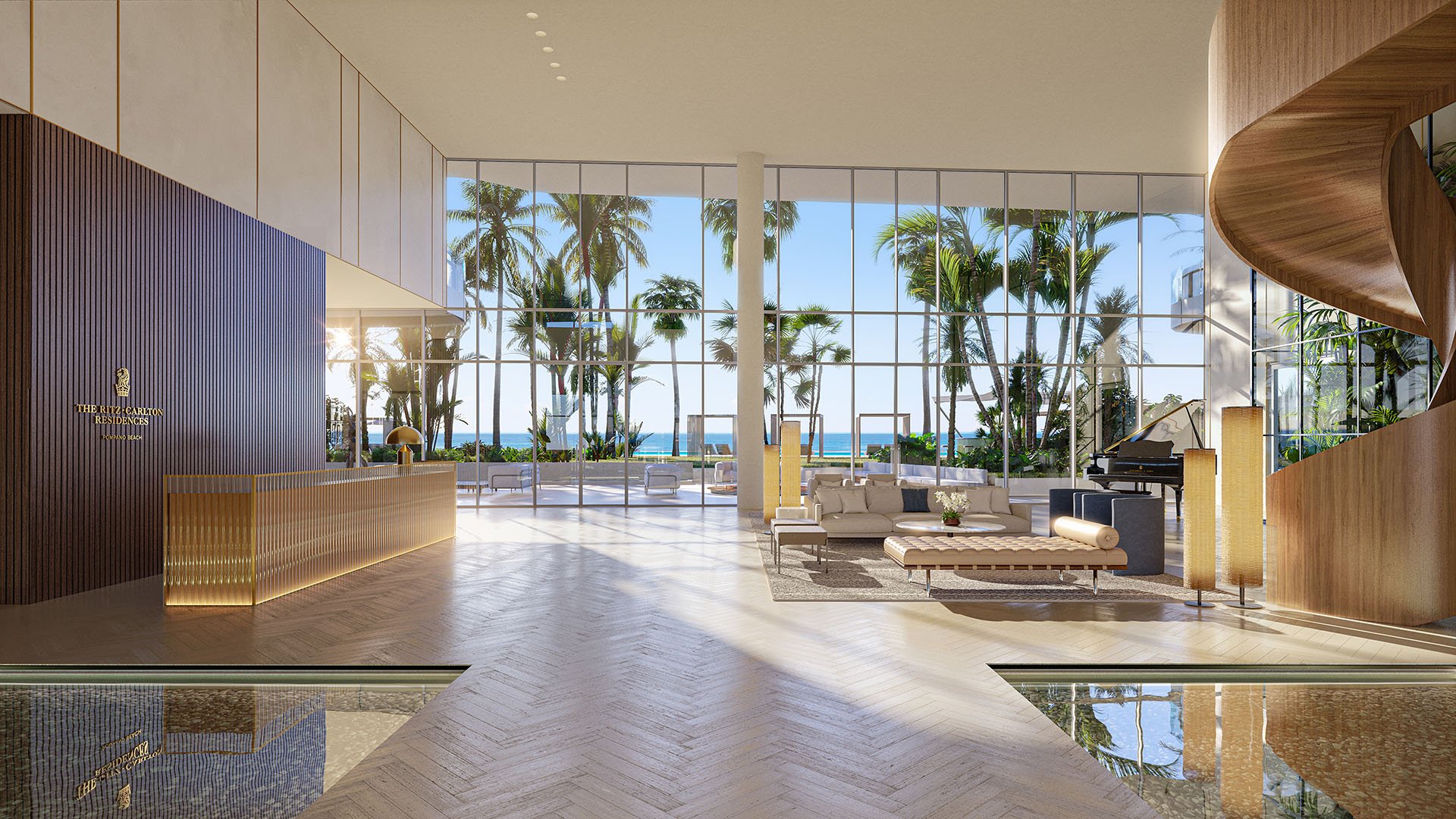
For a full-time owner, stack selection is one of the most consequential decisions in a condominium purchase. A stack is not merely a vertical line on a floor plan. It determines how light enters the residence, how views unfold from room to room, the degree of privacy at different times of day, proximity to elevators and service areas, and the sound profile that becomes part of daily life.
Seasonal buyers often focus on the most dramatic image: the terrace view, the water exposure, or the skyline moment. Full-time owners need a more disciplined lens. A residence that feels spectacular for a long weekend may live very differently when it becomes the place where mornings begin, guests arrive, deliveries are handled, work calls are taken, and quiet evenings matter.
The best stack is not always the highest, widest, or most expensive. It is the one that best matches how you actually live.
View is the most visible part of stack selection, but exposure is the more constant experience. Morning light, afternoon sun, shaded interiors, screen glare, terrace heat, and the mood of the main living areas all begin with orientation.
In South Florida, buyers often gravitate toward water views, but full-time living rewards nuance. A stack with more controlled exposure may be preferable for owners who work from home, collect art, entertain at lunch, or prefer cooler interiors during the brightest hours. A dramatic west-facing skyline can be beautiful, but it may require a stronger approach to shading, furnishings, and terrace use.
The key is to ask how the residence performs throughout the day. Where will you have coffee? Where will you read? Which rooms will carry the strongest light? How does the primary suite feel in the morning? Stack selection should be studied as a daily sequence, not a single photograph.
Privacy is one of the most underestimated stack variables. Two residences in the same building can feel completely different depending on their relationship to neighboring towers, amenity decks, pool areas, adjacent terraces, and future development corridors.
A higher floor may offer more privacy, but height alone is not a complete answer. A lower or mid-level residence can feel exceptionally private if it faces a protected waterway, a landscaped setback, or a broad open corridor. Conversely, a premium view stack can still have moments of exposure if it looks across to another residential tower.
Full-time owners should consider privacy from the inside out. Stand where the dining table would be. Consider the primary bath, the office, the kitchen island, and the terrace seating. Privacy is not limited to bedrooms. It affects the comfort of hosting, working, exercising, and moving through the home without feeling observed.
For buyers comparing Brickell, Miami Beach, Sunny Isles, and Coconut Grove, each setting asks a different privacy question. High floors and flow-through residences can refine the answer, but neither replaces a careful reading of the stack.
A luxurious residence should feel calm. That calm is shaped by what surrounds the stack. Elevator banks, trash rooms, service corridors, mechanical areas, amenity levels, porte cochère activity, valet areas, pool decks, and neighboring terraces can all influence the living experience.
For full-time owners, the question is not whether a building is well designed. It is whether a particular stack aligns with the owner’s tolerance for movement and sound. Some buyers appreciate proximity to elevators for convenience. Others prefer a longer walk if it creates a quieter entry sequence. Some owners want to be close to amenity levels. Others want clear separation between home and social activity.
Study the plan beyond the residence walls. Where do residents pass? Where do staff circulate? What is above, below, and beside the unit? A line that appears nearly identical on a marketing plan may live very differently depending on these adjacencies.
Terraces are central to South Florida living, but not every terrace functions the same way. Stack selection shapes wind, sun, privacy, furniture placement, and whether the terrace becomes a daily room or an occasional lookout.
Full-time owners should imagine real use rather than ideal use. If the terrace is intended for breakfast, afternoon reading, evening drinks, or outdoor dining, its exposure and depth matter. If the terrace is connected to the primary suite, it may create a different lifestyle rhythm than a terrace reached only from the living room. If the terrace wraps a corner, the added drama may also bring stronger exposure to sun and wind.
A residence with a slightly less cinematic view but a more usable terrace may deliver greater satisfaction over time. The right stack supports rituals, not just impressions.
A strong floor plan can be weakened by the wrong stack, and a desirable stack can be compromised by a layout that does not suit the owner’s life. The relationship between rooms and exposure is especially important.
Consider whether the main living area receives the best view, whether secondary bedrooms face a quieter side, whether the kitchen feels connected to the principal outlook, and whether the primary suite offers both privacy and calm. For owners who entertain, the arrival sequence matters. For owners who work from home, acoustics and light control may matter more than terrace size. For owners who host extended family, bedroom separation can outweigh a marginal view improvement.
Stack selection is ultimately a test of priorities. The right line should make the plan feel inevitable, with public rooms, private rooms, and outdoor spaces each receiving the right kind of exposure.
When choosing between two compelling stacks, avoid reducing the decision to price per square foot or height alone. Compare the lived experience instead.
Begin with the first hour of the day. Which residence has the better morning routine? Then move to midday. Which one handles brightness, work, and privacy more gracefully? Consider late afternoon, when heat, glare, and building activity may become more noticeable. Finally, imagine the evening: guests arriving, dinner underway, terrace doors open, and bedrooms settling into quiet.
A full-time residence must perform across all of these moments. The winning stack is often the one with fewer compromises, not the one with the single most dramatic feature. In the luxury market, restraint can be a form of intelligence.
What does stack mean in a condominium building? A stack is the vertical line of similar residences running through the building, typically sharing orientation, layout logic, and view direction.
Is the highest floor always the best choice? Not necessarily. Height can improve views and privacy, but exposure, wind, elevator access, and layout may be more important for daily living.
Why does exposure matter for full-time owners? Exposure affects light, heat, glare, terrace comfort, and the mood of the residence throughout the day.
Should I prioritize view or floor plan? Ideally, both should work together, but a livable plan with balanced exposure may be preferable to a stronger view with daily compromises.
How important is elevator proximity? It depends on lifestyle. Some owners value convenience, while others prefer more separation for privacy and quiet.
Can two units with the same layout feel different? Yes. Orientation, height, neighboring buildings, amenity adjacency, and terrace position can make similar plans live very differently.
Are corner stacks usually better? Corner stacks can offer more light and broader views, but they may also bring more sun, wind, or exposure depending on the building.
What should owners evaluate besides the view? Privacy, sound, service access, sunlight, terrace usability, room placement, and the relationship to surrounding buildings all matter.
Is stack selection different for seasonal and full-time buyers? Yes. Full-time buyers should place greater weight on daily comfort, work routines, storage, acoustics, and long-term livability.
When should stack selection be discussed? It should be addressed early, before focusing too heavily on finishes, upgrades, or furniture plans.
To compare the best-fit options with clarity, connect with MILLION.
If branded residences are on your mind — as a home or as an allocation — we would be glad to share what we are seeing, privately.
Begin a quiet conversation
.jpg&width=700&height=438&fit=cover)