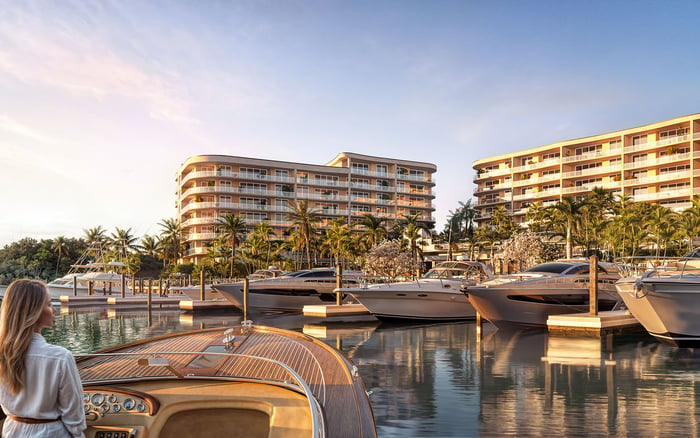
At The Berkeley Palm Beach, winter-season due diligence should focus on the operating rules behind the lifestyle promise. Buyers need written clarity on staffing, dining reservations, guest access, amenity priority, fees, and the distinction between guaranteed privileges and concierge assistance subject to availability.
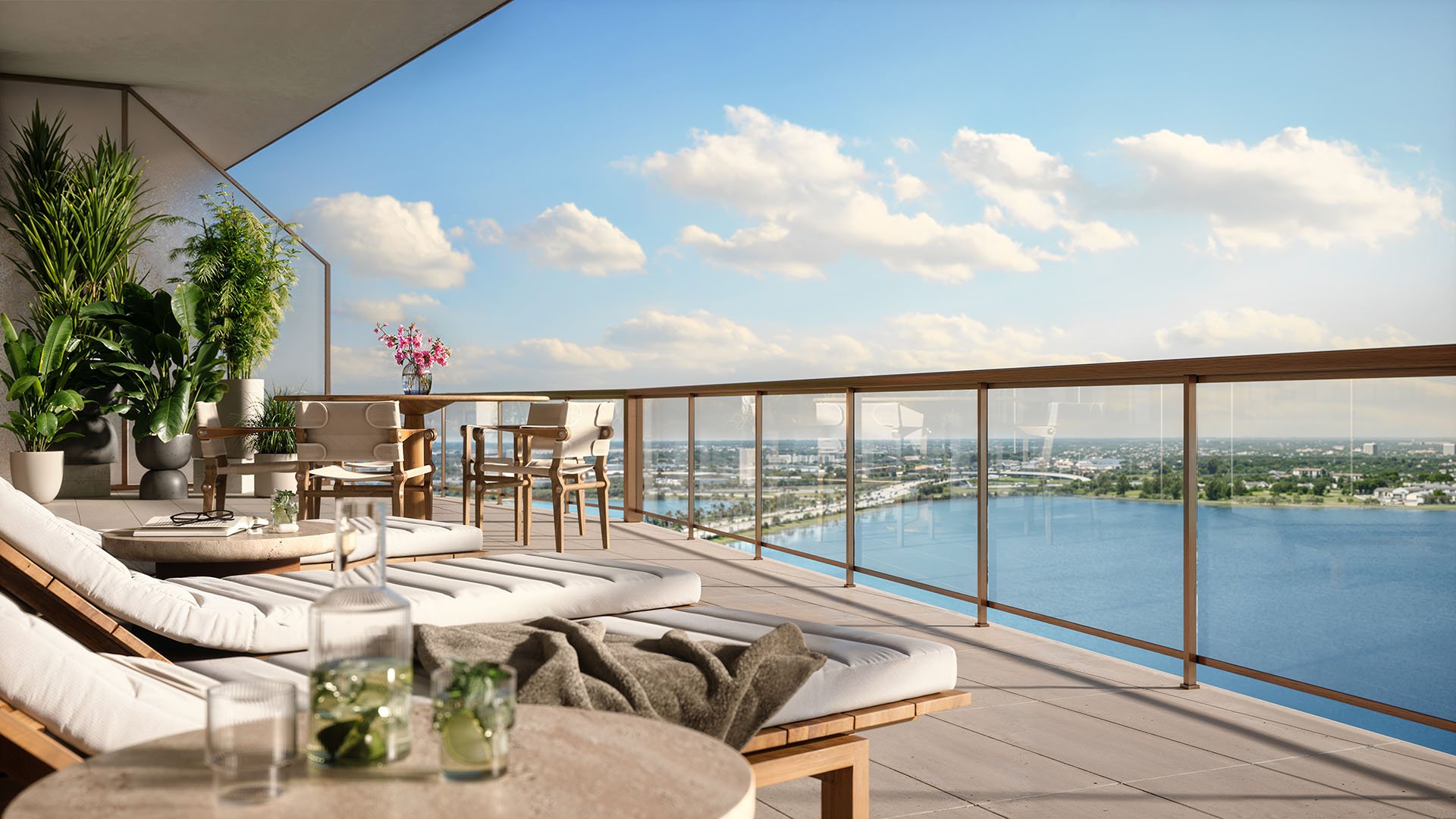
For many buyers, the appeal of The Berkeley Palm Beach rests on a compelling combination: a desirable Palm Beach setting, upscale residences, and a service-oriented way of life. Yet the clearest test of that proposition may come when the greatest number of owners and guests want the same conveniences at once.
Winter-season ownership should therefore be evaluated as an operating model, not simply as an architectural or amenity decision. The central issue is whether service, dining, and shared spaces remain dependable under peak demand. Current details do not establish a formal winter operating period, verified seasonal staffing ratios, or peak-occupancy service guarantees for the property. That absence makes direct, document-based due diligence especially important.
Luxury service can encompass concierge assistance, valet, housekeeping, maintenance coordination, and in-residence dining. Buyers should identify which services are included, which require separate payment, and which are offered only when personnel or vendors are available. No verified information currently establishes whether these functions carry peak-season fees at The Berkeley.
The most useful questions concern execution. Who receives a request after normal hours? Are response standards written into the service menu? What happens when several residences request housekeeping, transportation coordination, or maintenance simultaneously? No contingency standards for staffing shortages, waitlists, service delays, or full-capacity amenities have been identified.
This distinction is central to the lifestyle proposition. A concierge may be able to assist with a request without guaranteeing its fulfillment. Buyers should ask management to distinguish contractual ownership privileges from assistance subject to availability, third-party capacity, or advance notice.
Dining is often where seasonal pressure becomes most visible. At The Berkeley, current details do not specify owner priority for reservations during high-demand periods. Nor do they define restaurant capacity, operating hours, or seasonal menus.
A buyer should request the complete dining-reservation procedure in writing. Relevant details include how far in advance owners may book, whether same-day tables are held back, how cancellations are handled, and whether guests count against an owner's reservation allocation. Holiday rules deserve separate attention because reservation windows, blackout dates, minimum spends, and guest surcharges have not been established.
Dining due diligence should extend beyond a promised venue. Ask whether in-residence service is distinct from restaurant operations, whether it follows different hours, and whether seasonal pricing applies. The objective is not unlimited access, but a transparent system that allows an owner to plan with confidence.
A residence may feel generous when occupied privately yet operate differently when family and friends arrive. Current materials do not define guest-access limits for dining, the pool, lounges, wellness areas, or other shared amenities. They also do not confirm whether an owner must accompany guests or may authorize visitors to enter independently.
Prospective owners should request the guest policy and residence rules before assuming social use will be frictionless. Questions should address the number of guests permitted per residence, registration procedures, advance notice, holiday restrictions, and any charges. Buyers should also clarify whether houseguests, day guests, service providers, and unaccompanied visitors are treated differently.
This matters particularly for owners who envision a social calendar centered on Palm Beach. Guest policy is not a minor administrative detail. It determines how readily a private residence can support lunches, family stays, wellness appointments, and informal entertaining during periods of concentrated demand.
The critical amenity question is not merely what exists, but how access is prioritized when many owners are in residence. Current information does not document a priority system for shared facilities at The Berkeley. Buyers should ask whether access is first come, reservation-based, limited by residence, or adjusted during high occupancy.
The same discipline can inform comparisons across West Palm Beach. Buyers considering The Ritz-Carlton Residences® West Palm Beach, Mr. C Residences West Palm Beach, or Palm Beach Residences should request the same categories of documents from each property. The purpose is not to suggest that service models are identical, but to compare written rights, fee structures, and capacity protocols on consistent terms.
For a waterfront residence or any highly serviced building, peak-time reliability can influence practical value as much as finish quality. Beautiful shared spaces offer greater utility when booking rules, guest permissions, and escalation procedures are clear.
Before committing, request the current residence rules, guest policy, service menu, fee schedule, and dining-reservation procedures. Ask for written clarification of any seasonal amendments and identify who has authority to change operating policies.
Then test the documents against realistic scenarios. Consider a holiday dinner for several guests, an early valet request, consecutive housekeeping days, a wellness booking, or a maintenance issue when occupancy is high. For each situation, determine whether access is guaranteed, reservation-dependent, fee-based, or subject to availability.
Finally, review how changes are communicated and disputes are escalated. A polished service concept is most persuasive when the procedures behind it are legible. For new-construction and recently introduced luxury offerings alike, buyers should rely on governing and management documents rather than broad assumptions about hospitality.
Does The Berkeley Palm Beach publish a formal winter season? No formal winter-season operating period is established in the currently available information.
Are winter staffing ratios guaranteed? No verified seasonal staffing ratios or peak-occupancy service guarantees have been specified.
Do owners receive priority dining reservations? Owner priority during high-demand periods has not been defined in the available materials.
Are restaurant hours and capacity disclosed? Details on restaurant capacity, operating hours, and seasonal menus are not currently specified.
Can owners bring guests to shared amenities? Guest-access limits for dining, pools, lounges, wellness facilities, and other amenities are not defined in the available information.
Must an owner accompany every guest? No current policy confirms whether guests must be accompanied or may visit with prior authorization.
Could holiday dining involve extra conditions? Reservation windows, blackout dates, minimum spends, and guest surcharges have not been established.
Are peak-season service fees disclosed? Seasonal fees for housekeeping, valet, concierge, maintenance, or in-residence dining have not been verified.
How is amenity access prioritized at full occupancy? Current information does not document a system for prioritizing owners when shared amenities reach capacity.
Which documents should a buyer request? Request the residence rules, guest policy, service menu, fee schedule, dining procedures, and written definitions of guaranteed privileges.
For a tailored shortlist and next-step guidance, connect with MILLION.
If branded residences are on your mind — as a home or as an allocation — we would be glad to share what we are seeing, privately.
Begin a quiet conversation