A buyer-focused guide to assessing wheelchair-friendly circulation in South Florida luxury residences through the lenses of privacy, carrying costs, and everyday ease.
In a refined South Florida residence, wheelchair-friendly circulation should feel less like accommodation and more like choreography. The question is not simply whether a chair can enter the home. It is whether a resident can move from arrival to kitchen, bedroom, bath, terrace, pool deck, elevator, and parking without friction, exposure, or constant negotiation.
For buyers comparing Brickell, Coconut Grove, Sunny Isles, Miami Beach, and other premium enclaves, the most elegant homes are often those that make mobility discreet. A wide corridor alone is not enough. True comfort depends on the relationship between rooms, the character of thresholds, the visibility of private spaces, and the long-term cost of the systems that make daily life easier.
A thoughtful evaluation should consider three lenses at once: privacy, carrying costs, and daily comfort. Each affects the others. A private elevator may improve discretion, but it can also add service obligations. A dramatic pivot door may look beautiful, but it may be tiring if the hardware, weight, or clearance is poorly considered. A seamless indoor-outdoor transition may expand daily pleasure, but only if drainage, slope, surface grip, and shade are addressed with care.
The first test begins before the front door. Study how a resident arrives after dinner, during rain, with guests, or while carrying bags. Is there a protected drop-off? Does the route from parking to entry feel intuitive? Are there abrupt level changes, tight turns, narrow vestibules, or heavy doors that would require assistance?
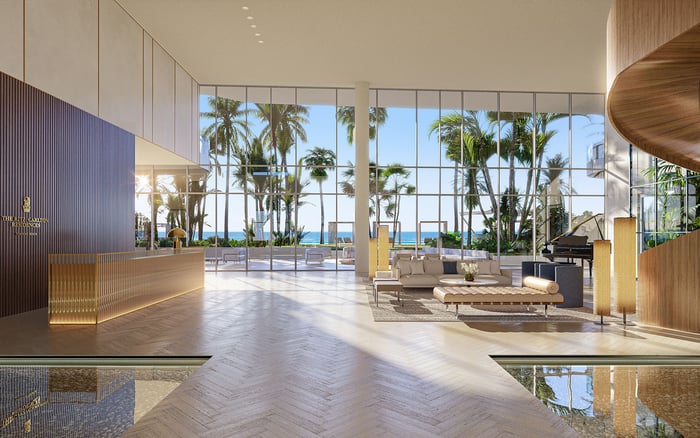
Privacy begins here as well. A wheelchair-friendly route should not force a resident through a service passage, a crowded lobby pinch point, or a conspicuously different entrance. In a luxury setting, equal arrival is part of dignity. The best circulation allows the owner to enter with the same composure as any guest, without calling attention to the mechanics of access.
For condominium buyers, ask how the residence connects to elevators, mail, package rooms, amenities, valet areas, storage, and emergency egress. For single-family homes, examine the garage, motor court, guest entry, garden paths, and any route to the water, pool, or outdoor dining area. The daily path should be clear, direct, and gracious.
A floor plan should be read as a sequence, not a collection of isolated rooms. Begin at the main entry and trace the natural loop: living area, kitchen, powder room, primary suite, closets, bath, laundry, outdoor spaces, and back to the main living zone. The fewer interruptions, the more comfortable the home will feel over time.
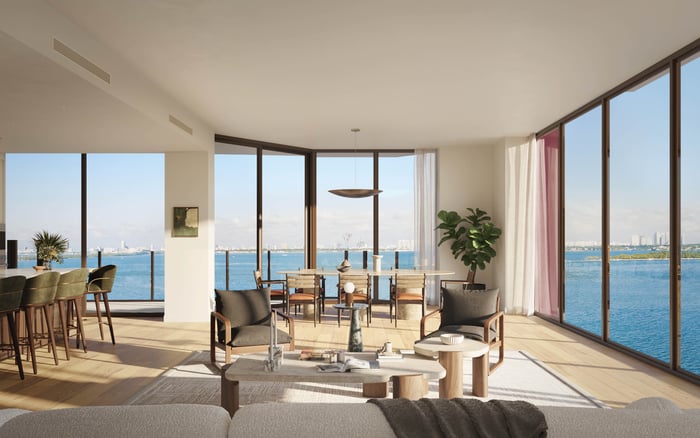
Flow-through units can be especially appealing when they provide light, cross-residence movement, and more than one way to circulate. Yet openness must be balanced with usable turning areas, furniture placement, and door clearances. A spectacular living room may still fail if the route around seating is compromised once the home is furnished.
The kitchen deserves particular attention. Look at appliance placement, island spacing, pantry access, cabinet reach, and the path from refrigerator to sink to cooktop. The primary suite should allow easy movement around the bed, into closets, and into the bath without awkward reversals. A bath should be evaluated not only for beauty, but for entry, shower approach, vanity access, floor traction, and the possibility of future adaptation.
Privacy is often discussed in terms of views and setbacks, but for wheelchair users it is also embedded in the plan. Can one move from the primary suite to the kitchen without crossing a formal entertaining zone? Can a caregiver, therapist, or visiting family member reach a guest suite without passing directly through the owner’s most private rooms? Can deliveries be received without exposing bedroom corridors or personal storage?
Sightlines matter. When the front door opens, what is immediately visible? When elevator doors part, does the view reveal a private bath, bedroom hall, or dressing area? A residence may be physically accessible yet emotionally uncomfortable if every movement feels observed.
In larger homes, the ideal arrangement provides layered privacy: public rooms near arrival, family areas beyond, and the primary suite protected from both guest circulation and service movement. In condominiums, a private foyer can be valuable, but only if it is dimensioned and detailed for smooth use rather than treated as a decorative pause.
Wheelchair-friendly features can be beautifully integrated, but every mechanical or automated convenience should be understood as part of ownership cost. Private elevators, platform lifts, automatic doors, specialty hardware, backup power provisions, motorized thresholds, and certain smart-home functions may add comfort while also requiring inspection, maintenance, repair planning, and occasional replacement.
The point is not to avoid these features. In many luxury residences, they are precisely what makes the home livable at the highest level. The point is to price them honestly. Ask who services each system, how often it should be maintained, what happens during a power interruption, and whether the association or owner is responsible for particular components.
In coastal South Florida, exterior doors, terrace transitions, pool access, and garage entries deserve careful review because they sit at the intersection of comfort, weather, and maintenance. Materials should feel elegant, but also practical under frequent use. A beautiful solution that requires constant adjustment may become a daily irritation.
Daily comfort is rarely created by one grand gesture. It comes from dozens of details that reduce effort. Door pulls should be easy to grasp. Flooring transitions should be calm. Rugs should not become obstacles. Seating arrangements should preserve passage. Lighting should support evening movement. Window treatments should be manageable. Outdoor furniture should not block the route to the view.
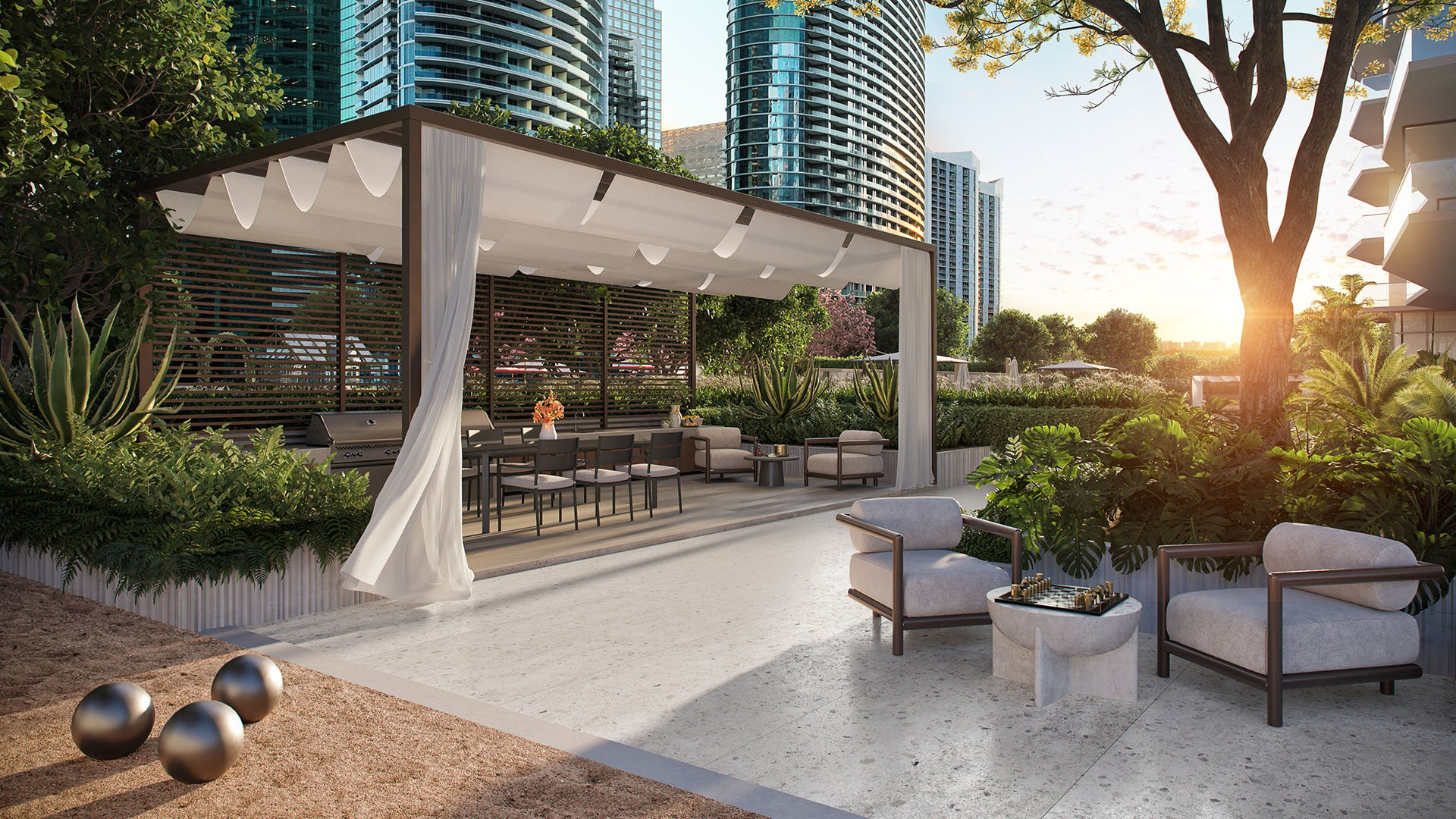
The terrace is often central to South Florida living, so evaluate it as carefully as an interior room. Can a wheelchair move outside without a jolt? Is there enough clear area for dining, lounging, and turning? Does the terrace connect naturally to the main living space, or does it feel like a beautiful but difficult destination?
Also consider fatigue. A home can be technically navigable but still exhausting if every route requires tight steering, repeated door handling, or constant repositioning. The most comfortable residences allow movement to feel unremarkable. That is the quiet luxury buyers should seek.
Before falling in love with finishes, walk the home slowly and repeatedly. Bring the actual mobility device if possible, and test the real routes of life: arriving with groceries, hosting dinner, using the powder room, accessing the closet, bathing, reaching the terrace, and leaving quickly if needed.
Ask which adaptations are already complete, which would require association approval, and which may affect warranties, insurance, maintenance, or building systems. For new construction or renovation, request that accessibility goals be addressed early, before millwork, plumbing, electrical, and door schedules become expensive to revise.
The best purchase is not merely a residence that works today. It is a residence with enough intelligence in its plan to remain comfortable as needs evolve.
What is the first thing to evaluate in wheelchair-friendly circulation? Start with the arrival sequence from parking or drop-off to the main living area. If that path is difficult, the rest of the home will feel compromised.
Does an open floor plan always improve accessibility? Not always. Open space helps only when furniture, turning areas, door swings, and daily routes remain clear after the home is fully furnished.
Why does privacy matter in accessible design? A route can be physically accessible but still feel exposed. Strong planning lets residents move between personal spaces without crossing public or service zones unnecessarily.
Are private elevators always worth the cost? They can be valuable, especially for discretion and convenience, but buyers should review maintenance, service access, backup operation, and owner responsibility.
How should I evaluate a primary bathroom? Look at the approach, shower entry, vanity use, floor surface, door clearance, and whether future modifications could be made without major disruption.
What makes a terrace wheelchair-friendly? The transition should feel smooth, the surface should feel stable, and the furniture plan should preserve a gracious route to seating and views.
Should I evaluate Brickell condos differently from single-family homes? Yes. In Brickell, the elevator, lobby, parking, valet, package room, and amenity routes can matter as much as the residence interior.
What should buyers watch for in Miami Beach residences? Pay close attention to outdoor thresholds, shaded routes, service access, and whether indoor-outdoor living remains comfortable in daily use.
Can accessibility improvements affect carrying costs? Yes. Automation, lifts, specialty doors, and backup systems may improve comfort while adding maintenance, repair, and inspection obligations.
What is the best way to shortlist comparable options for touring? Start with location fit, delivery status, and daily lifestyle priorities, then compare stacks and elevations to validate views and privacy.
For a tailored shortlist and next-step guidance, connect with MILLION.
If branded residences are on your mind — as a home or as an allocation — we would be glad to share what we are seeing, privately.
Begin a quiet conversation