A practical, design-minded checklist for evaluating breakfast-room light in South Florida luxury residences, with attention to exposure, glare, privacy, finishes, balconies, and daily livability.
.jpg)
In South Florida luxury buildings, the breakfast room is often the quietest measure of a residence. It is where the day begins before the theater of entertaining, before the formal dining table, before the terrace becomes a sunset stage. The right light here should be flattering, steady, and livable. It should make coffee feel unhurried, fruit look fresh, and conversation feel private.
Buyers often evaluate views first, then floor height, then finishes. Breakfast-room light requires a different discipline. A spectacular exposure can still be uncomfortable at the table if glare, heat, reflection, or sightlines are not resolved. The strongest residences balance brightness with softness, openness with shelter, and drama with routine.
Begin with orientation, but do not stop there. Morning-facing rooms can feel natural for breakfast, yet the actual experience depends on glazing, neighboring structures, balcony depth, ceiling height, window treatment strategy, and the color of surrounding surfaces. A buyer should stand where the table will sit and look in every direction, not only toward the principal view.
Ask whether the room has a true place for a table, rather than an attractive leftover corner between kitchen and living area. The ideal breakfast setting has enough definition to feel intentional while still relating gracefully to the kitchen. In an open plan, a change in ceiling plane, column placement, millwork, or floor pattern can give the breakfast area its own identity without closing it off.
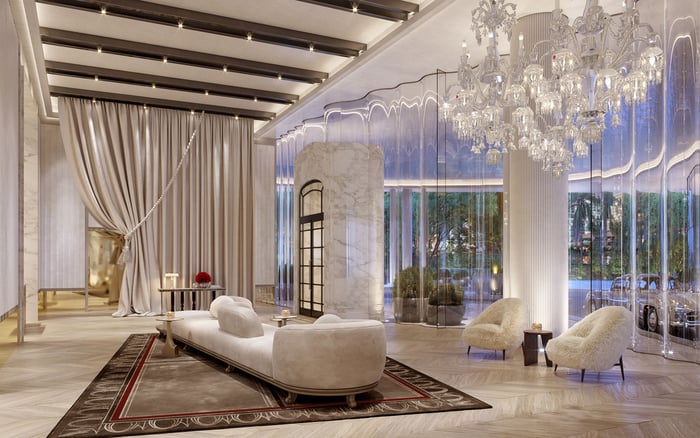
Study glare on the tabletop. High-gloss stone, lacquered cabinetry, polished floors, and mirrored details can multiply light in ways that feel glamorous at first glance but sharp in daily use. Softer finishes, matte surfaces, woven textures, and carefully selected upholstery can make a bright room feel cultivated rather than exposed.
Confirm how window treatments will work. A luxury residence should not require the owner to choose between a beautiful morning and squinting through breakfast. The best solutions allow filtered light, privacy, and view preservation at the same time. If the room depends entirely on fully open glass to feel impressive, test how it performs when shades are partially drawn.
A breakfast room should be visited as close as possible to its intended hour of use. Late-afternoon showings can flatter many rooms, but they rarely tell the full story. If a second visit is possible, return when the sun is lower and the building is waking up. Notice whether the space feels serene or busy, whether reflections move across the table, and whether nearby façades bounce light into the room.
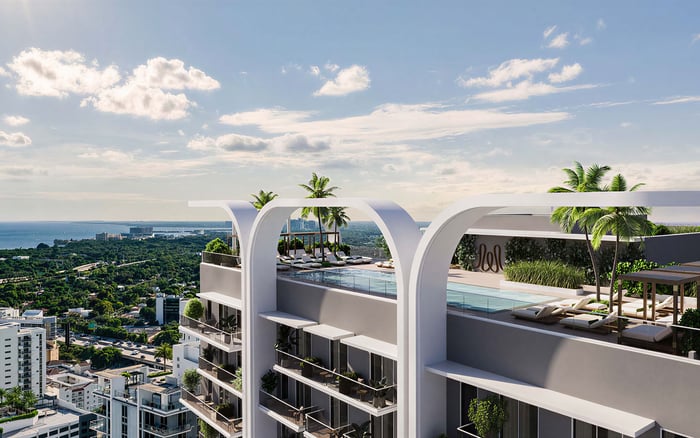
In Brickell, dense urban surroundings may create a layered light condition, with brightness shaped by neighboring towers and reflective surfaces. Across Miami Beach and Sunny Isles, buyers may be drawn to open sky and water views, but that openness should still be tested for glare and privacy. The question is not whether the room is bright. The question is whether the brightness is civilized.
Balcony depth can be an asset when it filters strong light before it enters the breakfast area. A shallow outdoor edge may frame a view beautifully, while a deeper terrace can soften the room and make morning dining feel more composed. The tradeoff is worth studying carefully, since too much shade can make the room feel muted even when the view is excellent.
High floors may offer cleaner sky exposure and broader vistas, yet height alone does not guarantee better breakfast light. Lower residences can feel warmer and more intimate if the surrounding architecture, landscaping, or water outlook supports the room. Similarly, flow-through units can bring cross-light and ventilation into daily life, but the plan must still protect the breakfast area from feeling like a corridor.
The most persuasive layouts treat the breakfast space as a destination. It should not be squeezed beside a service path, blocked by oversized furniture, or dependent on a view that works from only one chair.
Light is never only about what enters. It is also about what the room reveals. Before committing, stand at the windows and consider neighboring balconies, amenity decks, marina edges, sidewalks, and adjacent towers. A breakfast room that looks luminous from inside may also be highly visible from outside.
This is where interior design and building architecture meet. Sheer treatments, layered drapery, warm wall tones, and thoughtful art placement can protect the intimacy of the room. So can a table location that sits slightly back from the glass. Luxury is not merely the ability to open everything. It is the ability to choose what is seen, when, and by whom.
Breakfast-room light is not always called out in marketing language, but it shapes memory. Buyers remember the room where a residence felt effortless in the morning. They also remember the corner that looked good in photographs but felt punishing in use.
When comparing similar residences, give weight to the plan that makes everyday rituals feel natural. A well-lit breakfast room supports long-term enjoyment, strengthens the emotional logic of the home, and can help distinguish one luxury building from another when views and amenity narratives begin to sound similar.
What is breakfast-room light? It is the quality of natural light where a buyer would realistically eat breakfast, whether in a formal nook, kitchen-adjacent space, or open dining corner.
Is east exposure always best for breakfast? Not always. Exposure matters, but glazing, balcony depth, neighboring buildings, and interior finishes can change the experience significantly.
Should I prioritize view or comfort? Comfort should lead for a daily-use room. A dramatic view loses value if glare or heat makes the table unpleasant.
How can I test glare during a showing? Sit or stand where the table will be and look across the surface, toward the glass, and toward reflective finishes.
Do higher floors have better breakfast light? Sometimes, but high floors are not automatically superior. The surrounding skyline, overhangs, and orientation all matter.
Can a balcony improve breakfast-room light? Yes, when it filters brightness and creates a softer threshold between interior and exterior space.
Are flow-through units better for morning spaces? They can be, especially when cross-light and air movement support comfort without making the breakfast area feel exposed.
Why does privacy matter at breakfast? Breakfast is an intimate daily ritual. If neighboring residences or amenity areas look directly in, the room may feel less restful.
What finishes work best in bright rooms? Matte, textured, and warmer materials often temper strong light better than highly polished reflective surfaces.
Should I revisit before deciding? If possible, yes. A second visit closer to breakfast hours can reveal how the room truly performs.
For a tailored shortlist and next-step guidance, connect with MILLION.
If branded residences are on your mind — as a home or as an allocation — we would be glad to share what we are seeing, privately.
Begin a quiet conversation