A discreet, practical framework for evaluating residential security, privacy, governance, technology, staffing and emergency readiness before buying in Sunny Isles Beach.
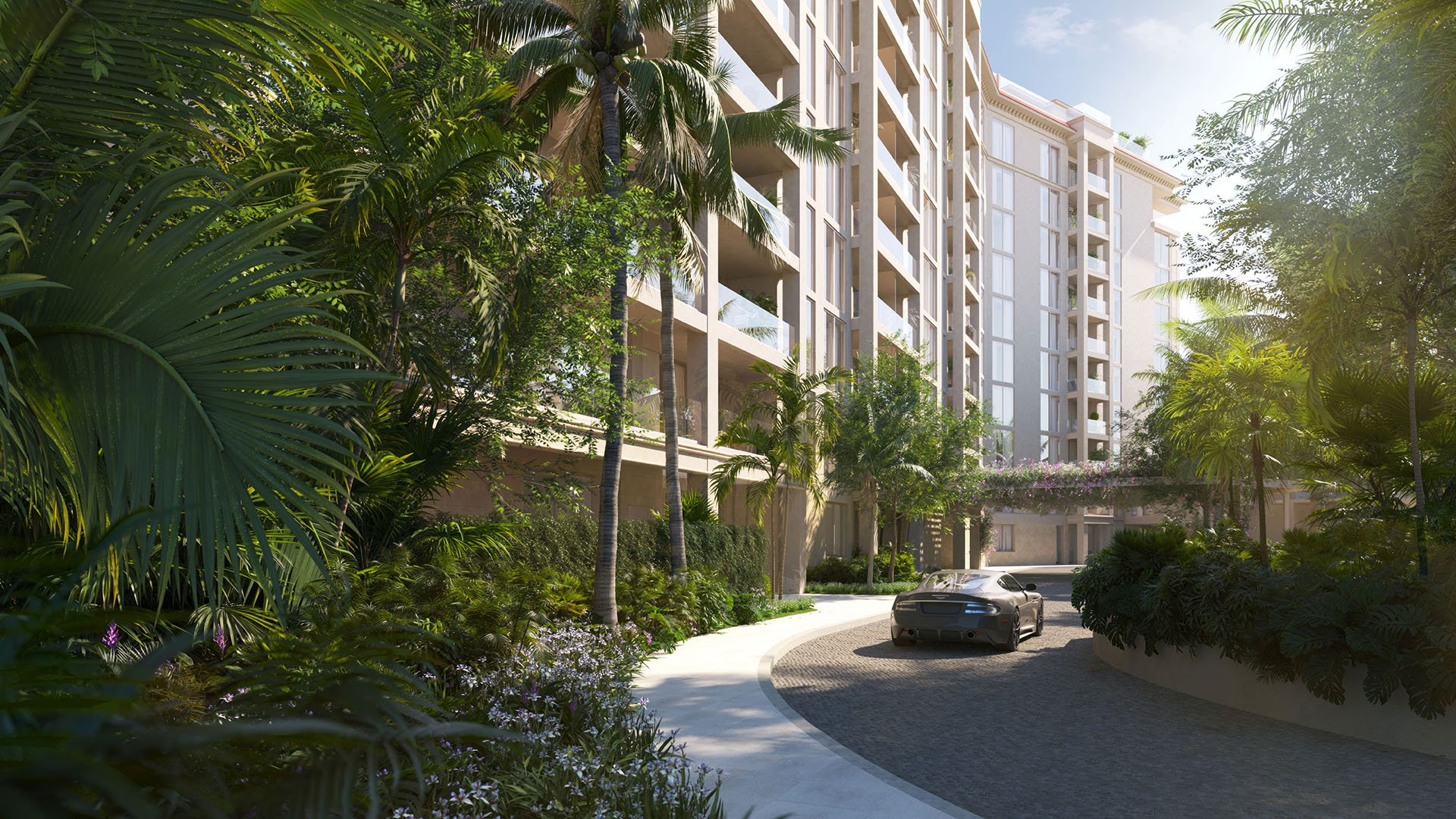
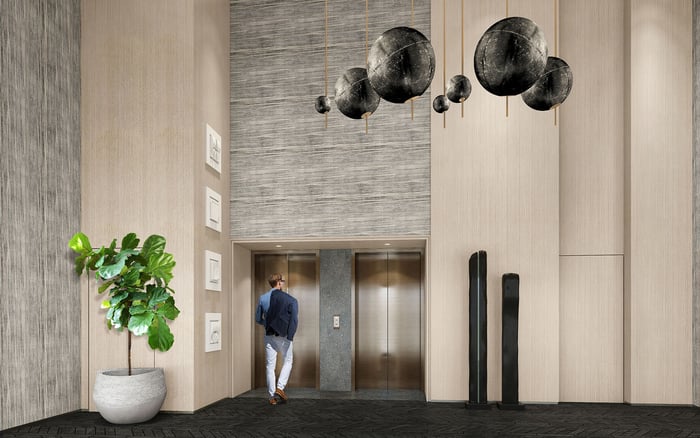
In Sunny Isles Beach, privacy should be evaluated as an operating system, not an amenity. A polished lobby, discreet porte cochère and attentive desk may shape the first impression, but the meaningful inquiry extends from the property line to the residence door-and includes service corridors, parking areas, loading access, digital credentials and management procedures.
This 2026 framework is designed for an oceanfront primary residence, second-home purchase or investment held through a family office or other ownership structure. It also belongs within MILLION’s Buyer’s Guides because security influences daily comfort, household logistics and long-term confidence in a building’s management culture.
The objective is not absolute secrecy. It is to determine whether physical design, staffing, technology and governance operate as one system without creating unnecessary friction for residents, guests or emergency personnel.
Begin with a route audit. Walk or diagram the paths for resident arrivals, guest arrivals, valet handoffs, self-parking, deliveries, contractors, beach access and staff circulation. Identify where identities are checked, credentials are required, visitors can pause and distinct user groups unexpectedly converge.
Repeat the exercise at different times and under realistic conditions. A buyer who expects household staff, drivers, private chefs or recurring vendors should test those routines conceptually before closing. The same applies to owners arriving with children, luggage, pets or medical support.
Comparison visits can make abstract preferences more concrete. Tour Bentley Residences Sunny Isles and St. Regis® Residences Sunny Isles with the same written questions, without assuming that either follows a particular protocol. Consistent questions reveal operational differences more clearly than visual impressions alone.
Security personnel are only one part of the human layer. Buyers should understand which roles belong to building employees, outside contractors, valet teams, concierge staff and management. Ask who may authorize access, who reviews exceptions, how shift changes are managed and where responsibility for escalation resides.
Request a practical explanation of guest verification. Can a resident preauthorize a visitor? What happens when instructions are incomplete, a household assistant calls on the owner’s behalf or a guest arrives while the resident is unreachable? The strongest answer is not necessarily the strictest. It is the process that is clear, consistently administered and appropriate for the buyer’s household.
Training warrants equal attention. Rather than requesting sensitive tactical details, ask about broad categories such as privacy expectations, incident escalation, emergency communications and the handling of resident information. Buyers should also understand how management addresses recurring vendor access and withdraws permissions when staffing changes.
A modern access system may include cards, mobile credentials, vehicle recognition, intercoms, cameras or biometric features. No single device proves the existence of a complete privacy program. Ask what information each system collects, who administers it, how long records are retained, how access is revoked and what occurs during an outage.
The diligence team should distinguish convenience from necessity. A feature that reduces waiting may also create another credential, account or data trail to manage. Request clear answers regarding resident consent, administrator privileges, remote support and procedures following a lost phone or compromised credential. Legal and technical advisers can review documents or system descriptions when the answers have material privacy implications.
For another comparison point, consider The Ritz-Carlton Residences® Sunny Isles. In branded residences, buyers should still separate the brand experience from the condominium’s actual governance, staffing responsibilities and technology administration.
Physical controls can be undermined by vague rules or inconsistent enforcement. Review the governing documents, current policies, management materials available during diligence and any provisions addressing guests, leasing, vendors, renovations, deliveries, beach entry, parking and common-area use. Counsel should identify which rules the board or management may change and which require a more formal process.
Ask how privacy-related complaints are received and escalated without requesting confidential resident information. Buyers should know whether a documented channel exists, who owns the response and how recurring operational issues reach decision-makers.
Jade Signature Sunny Isles Beach and Turnberry Ocean Club Sunny Isles can be included in a structured tour program. Use identical prompts at each property and record responses immediately. The purpose is disciplined comparison, not a generalized verdict based on architecture, reputation or price.
Privacy controls must accommodate life safety. Ask how the property communicates during severe weather, utility interruptions, fire alarms, elevator disruptions or technology outages. Determine how residents receive instructions, how management keeps contact details current and how authorized household representatives are included.
Absentee owners should establish a separate response plan. It can identify who may enter the residence, who can receive urgent calls, where permissions are documented and how temporary access is removed. Buyers with valuables, specialized climate requirements or medical needs should involve qualified advisers rather than rely on informal assurances.
Emergency access does not contradict privacy. It is a controlled exception that should be understood before an incident occurs. The desired framework protects discretion during ordinary life while allowing responsible action under exceptional conditions.
Create a five-column matrix: route, control, responsible party, exception process and evidence reviewed. Add unresolved questions and assign each to the broker, counsel, management representative, technical adviser or insurance professional best positioned to address it.
Material representations should be captured in appropriate written documents, not remembered from a tour. Buyers can also request confirmation of onboarding steps, credential issuance, household authorizations and move-in procedures. The final decision should reflect both the residence and its surrounding operating environment.
No single feature determines suitability. The better question is whether the combined layers align with the owner’s routines, tolerance for visibility and service expectations. That is the core privacy test for a Sunny Isles Beach acquisition.
When should security diligence begin? Begin before committing to a property, then revisit open issues during document review and before closing.
Is a staffed lobby enough to establish privacy? No. Review parking, service access, deliveries, amenities, beach entry, elevators and residence-level controls.
Should buyers request detailed tactical security plans? Focus on governance, responsibilities and broad procedures without seeking information that could compromise building safety.
How should frequent household vendors be handled? Ask how recurring permissions are granted, monitored, updated and promptly revoked.
What should an absentee owner prioritize? Establish authorized contacts, emergency-entry instructions, credential controls and a documented escalation chain.
Are biometric systems automatically more secure? Not necessarily. Evaluate consent, administration, retention, fallback access and the consequences of system failure.
Why review condominium governance? Rules and enforcement determine how consistently physical and digital controls operate over time.
How can buyers compare buildings fairly? Use the same route audit, questions and scoring matrix during every property visit.
Who belongs on the diligence team? Depending on need, include real estate counsel, insurance professionals, technical advisers and household representatives.
What is the final decision standard? Choose the residence whose combined privacy layers suit the owner’s daily routines, risk profile and service expectations.
For a confidential assessment and a building-by-building shortlist, connect with MILLION.
If branded residences are on your mind — as a home or as an allocation — we would be glad to share what we are seeing, privately.
Begin a quiet conversation