A discreet guide to planning, using, and maintaining a private massage room in a full-time South Florida residence, with emphasis on acoustic control, circulation, staffing boundaries, storage, lighting, smart-home discipline, and resale-minded design.
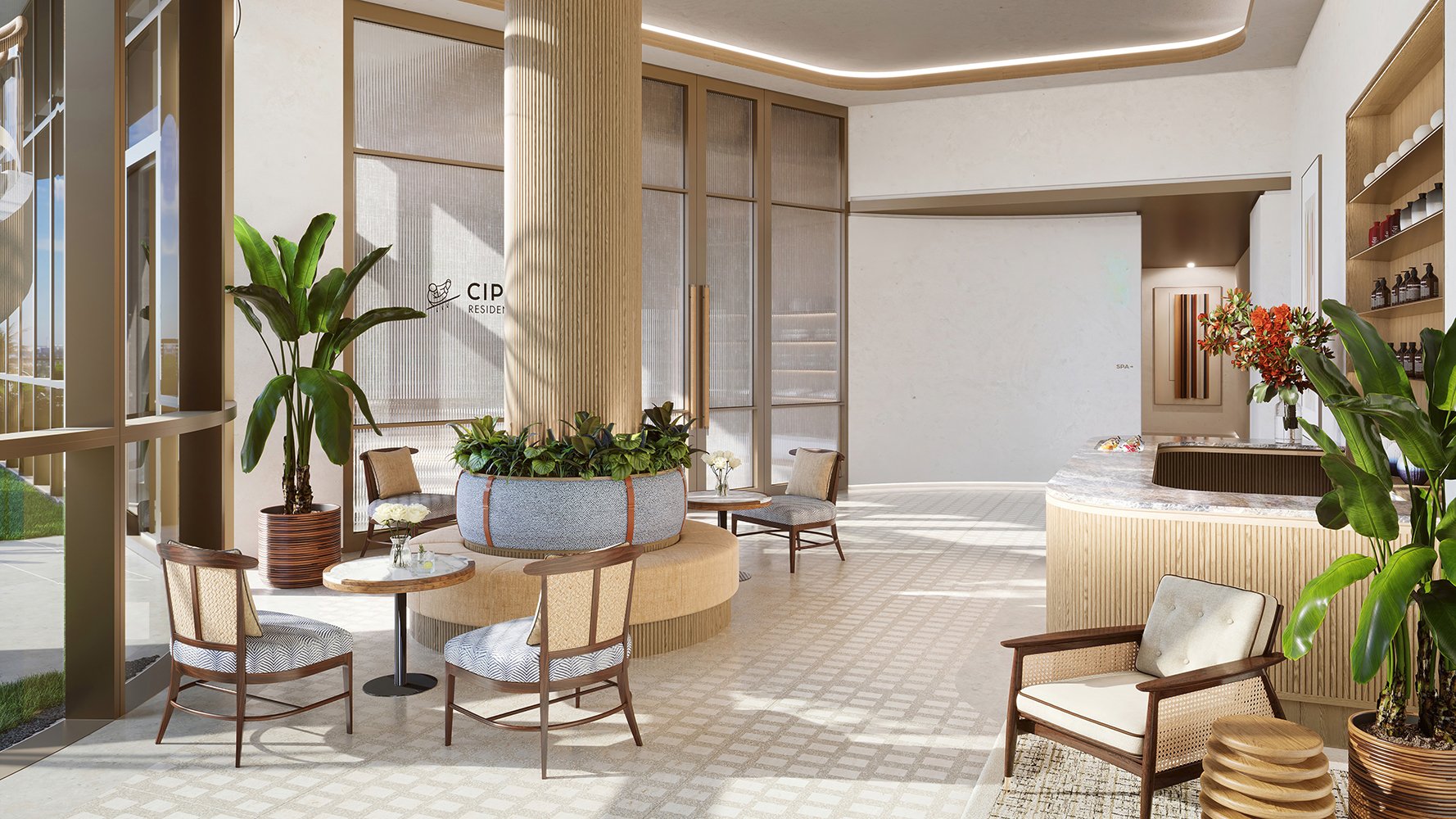
For full-time owners, a massage room is not a decorative amenity. It is a private wellness environment woven into the daily life of a residence. That distinction matters. A spa suite used once a month can absorb minor inconveniences. A room used regularly by owners, visiting practitioners, household staff, family members, and guests requires a higher standard of discretion.
The first question is not whether the room looks serene. It is whether the room protects the owner’s rhythms. Can a therapist arrive without crossing intimate family zones? Can robes, linens, oils, towels, laundry, water, and waste move in and out quietly? Can the room be used while children, houseguests, or staff are elsewhere in the home without making the moment feel exposed?
In South Florida’s most privacy-conscious homes, the best massage rooms are designed as controlled thresholds. They are accessible, but not conspicuous. They feel connected to the primary suite, gym, garden, terrace, or wellness area, yet they never become a corridor, staging room, or pass-through. That balance is the essence of full-time luxury.
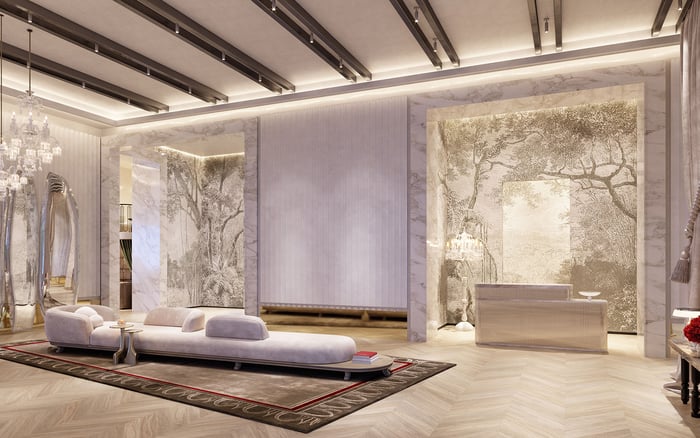
A massage room should have a dignified arrival sequence. Ideally, a practitioner can enter along a route that avoids bedrooms, closets, private studies, and family living zones. In a condominium, that may mean moving from the private elevator vestibule to a service hall or wellness wing. In an estate, it may mean access from a motor court, garden path, pool pavilion, or secondary entrance.
Owners should study what is visible when the door opens. Sightlines matter. A door aligned with a main hallway can reveal more than intended, especially when the room is in active use. A better arrangement may include a short vestibule, offset entry, pocket door, screen wall, or concealed panel that softens the transition.
This is especially important for owners comparing residential formats across Miami Beach, Brickell, Sunny Isles, Coconut Grove, Palm Beach, and new-construction homes. A high-floor condominium may offer strong separation through elevators and service corridors, while a waterfront estate may allow more generous spa planning but require sharper control of exterior paths and garden-facing glass.
Visual privacy receives attention because it is easy to understand. Acoustic privacy is more often overlooked, and it can determine whether a massage room feels truly restorative. Doors, wall assemblies, ceiling conditions, mechanical systems, plumbing adjacency, and flooring all affect whether voices, music, table movement, water, and daily household noise travel in or out.
Owners should think in layers. A heavy, well-fitted door is more effective than a beautiful hollow one. Soft surfaces can help temper reverberation, but they do not replace thoughtful construction. Mechanical noise matters as well. A room that is silent but stuffy is not luxurious. A room that is cool but loud is not restful.
The goal is not theatrical silence. It is emotional assurance. The owner should not wonder whether a conversation can be heard from the corridor, whether staff can detect when the room is occupied, or whether family activity will interrupt the treatment. Quiet planning allows the room to recede into the home’s private operating system.
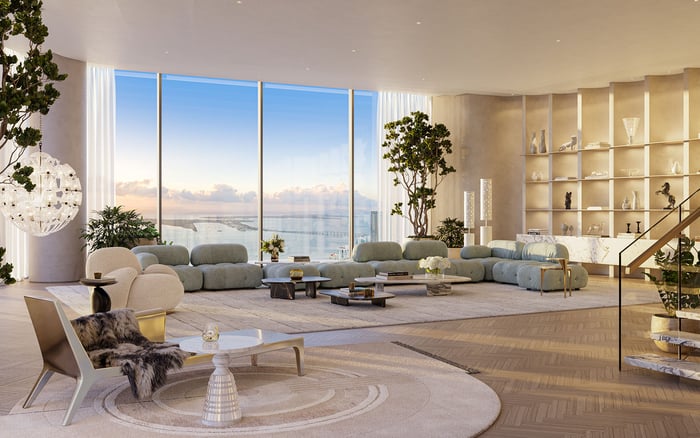
South Florida homes celebrate light, water, skyline, garden, and ocean views. A massage room can benefit from that atmosphere, but transparency must be handled with discipline. Floor-to-ceiling glass can be magnificent in the morning and uncomfortable at dusk. A garden-facing room can feel private until landscape crews, boat traffic, neighboring terraces, or guest circulation change the equation.
Privacy treatments should be easy to use, not complicated rituals. Drapery, integrated shades, layered planting, textured glass, architectural screens, and adjustable lighting can all contribute to a room that shifts gracefully from open to cocooned. The best solutions avoid making the space feel sealed off or defensive.
Owners should test privacy at different times of day. Morning glare, evening reflection, interior backlighting, and exterior landscape lighting can each change visibility. A room that feels discreet at noon may feel unexpectedly exposed at night, when the interior is illuminated and the exterior is dark.
Privacy is not only architectural. It is operational. A full-time residence often involves house managers, drivers, housekeepers, chefs, security teams, assistants, visiting practitioners, and maintenance vendors. Without clear protocols, even a beautifully planned massage room can become vulnerable to casual interruptions.
The most effective rules are simple. Define who schedules appointments, who receives practitioners, where they wait, which restroom they may use, where supplies are stored, how linens are handled, and how the room is reset. The room should not depend on verbal improvisation each time it is used.
Owners may also want a discreet occupancy signal that is understood by staff without being theatrical. This can be as simple as a locked door, a quiet indicator within a household system, or a service note that blocks entry during certain windows. The point is to reduce the chance of accidental intrusion without making the wellness ritual feel administrative.
Technology can support privacy, but it can also complicate it. Lighting scenes, climate controls, audio, shading, access control, and occupancy indicators can make the room more comfortable. Yet owners should be deliberate about where controls are located, who has access, and what the system reveals.
A massage room should not broadcast more information than necessary. If multiple staff members can see when a room is occupied, adjust audio, view cameras near the approach, or access scheduling details, convenience may have exceeded discretion. A privacy-forward room limits control permissions and keeps wellness routines from becoming household data.
Cameras deserve particular caution. Many owners want security coverage at entries, elevators, garages, and exterior approaches. Inside the massage room itself, the standard should be far more conservative. The room’s purpose is physical ease and personal trust. Technology should support that atmosphere, not surveil it.
A serene massage room requires unglamorous planning. Linens need a clean place to live. Used towels need a discreet route out. Oils, bolsters, blankets, heated pads, robes, slippers, cleaning products, and spare equipment require storage that is close enough to be useful but concealed enough to preserve the atmosphere.
When storage is inadequate, the room becomes cluttered, or staff begin borrowing space from nearby closets. That creates privacy drift. Personal closets, dressing rooms, and bathrooms should not become back-of-house support for wellness services unless that arrangement has been intentionally chosen.
For full-time owners, the reset is as important as the treatment. The room should return to a calm baseline quickly. A concealed cabinet, dedicated hamper, nearby sink, and planned linen path can do more for the experience than an extravagant decorative gesture.
A massage room can be a meaningful lifestyle asset, but the smartest versions retain flexibility. Future buyers may see the same space as a yoga room, meditation room, beauty room, recovery studio, nursery-adjacent retreat, private office, or guest wellness suite. That adaptability is valuable.
Permanent choices should be made carefully. Built-in storage, lighting, ventilation, acoustic upgrades, and elegant flooring can benefit many future uses. Highly specialized equipment, unusual plumbing decisions, or overtly clinical finishes may narrow the room’s appeal. The ideal room is unmistakably wellness-oriented without feeling locked into one service.
This is where restraint becomes a form of value. A massage room should look integrated with the home’s architecture, not added as an afterthought. It should be private enough for the current owner and elegant enough for the next one to imagine a different ritual.
Should a massage room be near the primary suite? It can be, but only if access does not expose closets, bathrooms, or sleeping areas to practitioners and staff.
Is a separate entrance necessary? Not always. What matters is a discreet arrival path that avoids the most intimate parts of the home.
What is the most overlooked privacy issue? Sound. Owners often plan window treatments before considering voices, doors, mechanical noise, and hallway activity.
Should the room have cameras for security? Exterior and approach security can be useful, but the massage room itself should be treated as a highly private interior.
Are glass walls a mistake? Not necessarily. They require layered privacy through shades, screens, planting, lighting control, or thoughtful orientation.
How much storage is enough? Enough to keep linens, oils, bolsters, cleaning supplies, and used towels out of sight without borrowing personal closet space.
Should staff know when the room is occupied? Yes, but only at the level needed to prevent interruptions. The signal should be discreet and limited.
Can a massage room help resale? It can, especially when designed as a flexible wellness room rather than a highly specialized treatment suite.
What should owners test before finalizing the room? Test sightlines, evening visibility, sound transfer, service routes, lighting scenes, climate comfort, and storage workflow.
What is the best design principle? Make the room calm for the owner, clear for staff, and adaptable for the long life of the residence.
For a discreet conversation and a curated building-by-building shortlist, connect with MILLION.
If branded residences are on your mind — as a home or as an allocation — we would be glad to share what we are seeing, privately.
Begin a quiet conversation