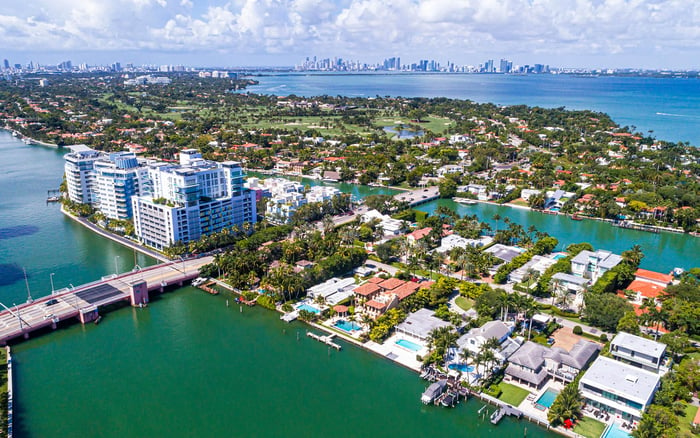
A discreet, buyer-focused guide for Greenwich owners evaluating boutique residences in Brickell and South Florida, with emphasis on privacy, service, scale, layout, waterfront context, and long-term fit.
For a Greenwich buyer, choosing a South Florida residence is rarely a simple search for square footage. It is a calibration of privacy, service, light, arrival sequence, and social rhythm. The right boutique residence should feel effortless during a long weekend, composed for a full season, and secure when left in the hands of staff or management.
Brickell brings a different energy from a private lane in Connecticut. It is vertical, cosmopolitan, and immediate. Yet the best residences in the neighborhood can still satisfy a buyer who prefers discretion over spectacle. The key is to separate market noise from ownership discipline: how the building lives at 8 a.m., how the lobby receives guests, how elevators are organized, and how the residence handles storage, staff access, cars, packages, pets, and privacy.
This is where the word boutique matters. It should not be treated as a decorative label. In the luxury context, it is a promise of proportion. A boutique residence should offer a manageable sense of community, a considered service culture, and architecture that does not ask the owner to compromise daily comfort for skyline drama.
Brickell is compelling for buyers who want a South Florida base with immediate urban convenience. Dining, finance, wellness, private transportation, and waterfront promenades are part of the broader lifestyle appeal. For a Greenwich household, that can mean less dependence on a car, more spontaneity, and an easier lock-and-leave rhythm.
The tradeoff is intensity. A buyer should be clear about whether the goal is energy or refuge. Some residences are designed to place the owner directly in the city’s pulse. Others create a more residential counterpoint, using arrival sequence, amenity placement, ceiling heights, terrace depth, and view orientation to soften the urban setting.
In Brickell, projects such as St. Regis® Residences Brickell speak to buyers who prioritize a familiar hospitality vocabulary, while The Residences at 1428 Brickell may enter the conversation for those focused on architecture, outlook, and a more contemporary ownership profile. The question is not which name is loudest. It is which building most closely mirrors the way you intend to live.
The first visit should begin before the sales presentation. A serious buyer should study the approach to the building, the porte cochere or drop-off experience, valet choreography, pedestrian access, and the relationship between private residents and guests. Arrival is where a building reveals its standards.
Privacy is not only about the number of residences. It is about circulation. Elevator strategy, staff routes, package handling, garage access, and amenity programming all affect the lived experience. A tower can feel intimate if its systems are well composed. A smaller building can feel exposed if every movement is overly visible.
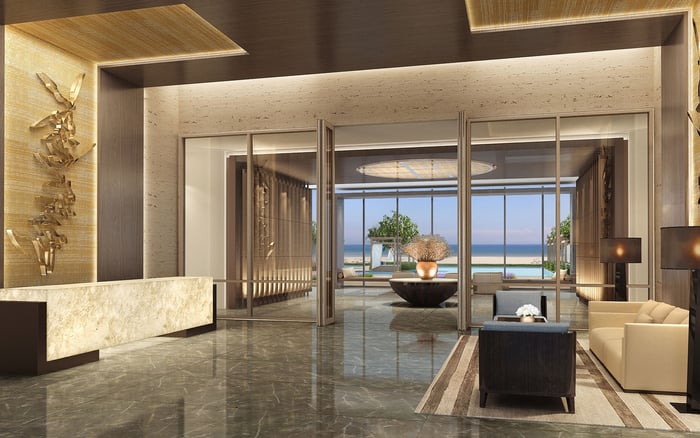
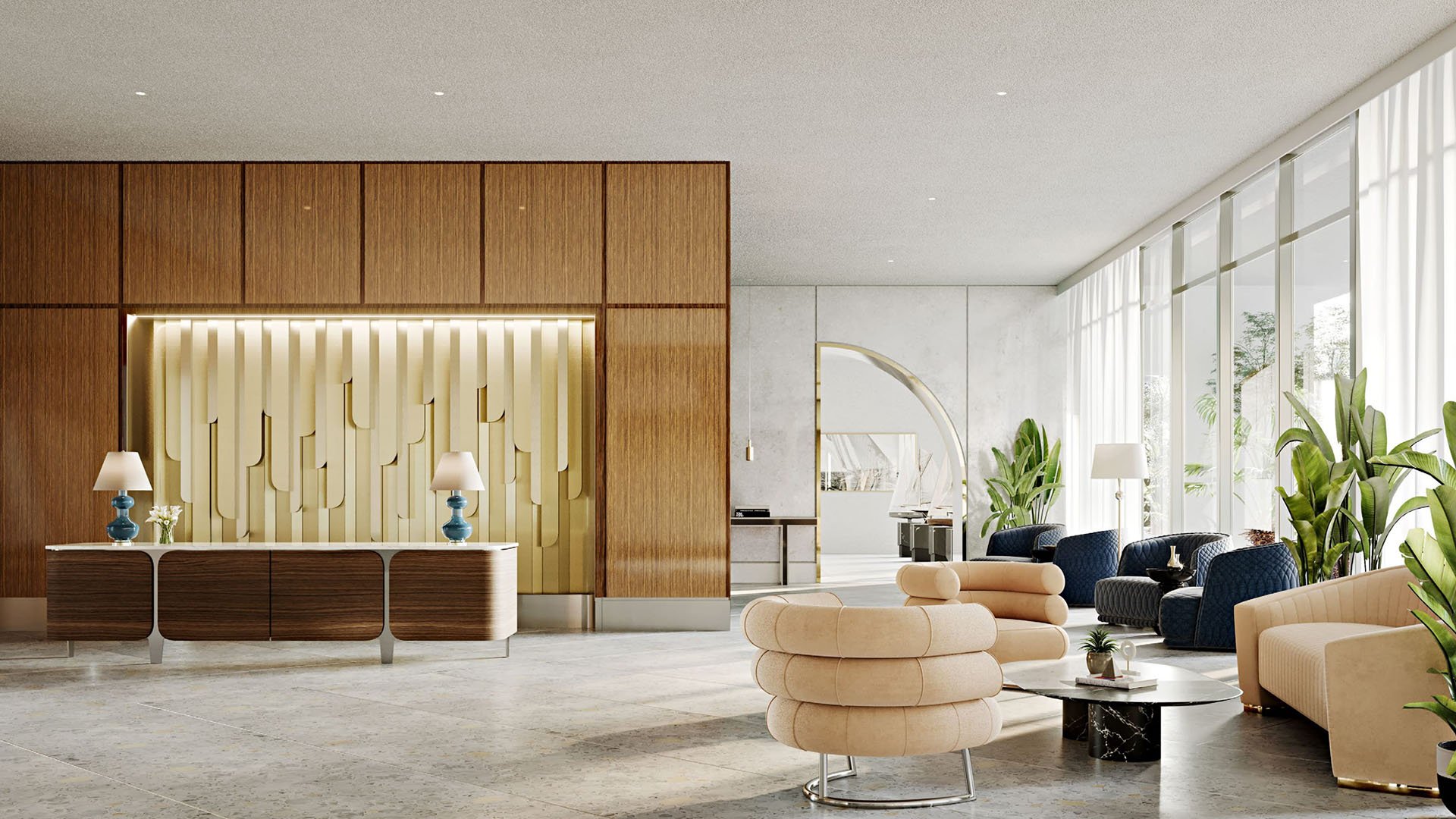
Greenwich buyers should also pay close attention to the emotional tone of the lobby. Is it theatrical or residential? Does it feel like a hotel, a private club, or a calm extension of the home? None is inherently superior, but the answer should match the buyer’s temperament. The most successful purchases often begin with this kind of quiet self-assessment.
A boutique residence must work beautifully when no one is visiting. Grand entertaining spaces can seduce, but daily function creates long-term satisfaction. The kitchen should suit the owner’s actual habits. The primary suite should offer privacy from guest rooms. Terraces should be assessed for depth, usability, exposure, and furniture placement, not simply for the view they frame.
For buyers moving between Greenwich and Brickell, storage matters more than it first appears. Seasonal wardrobes, sports equipment, wine, art packing materials, luggage, and household overflow can quickly test the limits of a sleek condominium plan. Ask how the residence handles the realities of a second-home lifestyle.
At 2200 Brickell, buyers may consider how a more residential interpretation of Brickell living compares with the neighborhood’s larger vertical statements. The exercise is useful: compare not only the floor plan, but the feeling of returning home after dinner, after travel, or after a day on the water.
Waterfront orientation is one of South Florida’s great luxuries, but the best view is not always the widest view. Morning light, glare, privacy from neighboring towers, balcony comfort, and the way the horizon changes throughout the day all matter. A residence should be visited at more than one time if possible, particularly when view and exposure are central to the purchase.
Buyers should distinguish between a postcard view and a livable view. The former impresses instantly. The latter continues to reward over time. Consider where the sun falls in the main living area, whether bedrooms feel restful, and how terrace doors affect circulation when open.
Waterfront living also extends beyond the glass. It influences humidity, maintenance expectations, outdoor furniture choices, and how often the terrace will truly be used. A sophisticated buyer treats the view as part of the architecture, not as a standalone amenity.
The right service model should feel present but never intrusive. For some buyers, a branded residence provides reassurance through standards, staffing, and hospitality language. For others, a more discreet condominium with fewer overt flourishes may feel closer to home.
The important questions are practical. Who manages the building? How are reservations handled? Are amenities designed for daily use or for brochure photography? How does the building manage guests, vendors, pets, deliveries, and peak seasonal demand? A luxury residence is only as refined as its least elegant operational moment.
New-construction buyers should also study governance, budget assumptions, maintenance philosophy, and future resale positioning. Finishes are visible. Operations are felt over time. A beautiful building with weak service discipline will not satisfy a buyer accustomed to quiet competence.
Brickell may be the lead character, but it is not the only answer. Some Greenwich buyers will find that Coconut Grove, Miami Beach, Surfside, Bay Harbor Islands, or Palm Beach better match their appetite for calm, water, gardens, or lower-density living. The point of a buyer’s guide is not to force a neighborhood. It is to refine the match.
Coconut Grove, for example, can appeal to buyers who want a softer residential setting while remaining connected to Miami. Four Seasons Residences Coconut Grove may be considered by those who like the idea of service within a more gardened, village-like context. That comparison can clarify whether the buyer truly wants Brickell’s immediacy or simply wants Miami with polish.
The short list should include contrast. See at least one Brickell residence, one quieter urban alternative, and one coastal or bayfront option if lifestyle is still undecided. Clarity often comes from comparison, not from more inventory.
A disciplined purchase begins with five questions. First, will the residence be used for weekends, seasonally, or as a primary home? Second, who will use it when the principal owner is not there? Third, how important are privacy and staff circulation? Fourth, is the buyer seeking hospitality, independence, or a blend of both? Fifth, what must the residence still do well ten years from now?
The strongest choice may not be the most dramatic. It may be the residence that makes travel easier, entertains gracefully, receives family comfortably, and feels calm after the city has had its say. For a Greenwich buyer arriving in Brickell, the prize is not simply a South Florida address. It is a residence that translates a private standard of living into a vertical, tropical, highly serviced setting.
What should a Greenwich buyer prioritize first in Brickell? Start with lifestyle fit, especially privacy, service expectations, arrival experience, and how often the residence will be used.
Is a boutique residence always a smaller building? Not necessarily. Boutique can also describe the way a building handles service, circulation, design restraint, and resident experience.
Why is arrival experience so important? Arrival reveals how a building manages privacy, cars, guests, staff, and daily movement before you even enter the residence.
Should buyers choose branded or non-branded residences? Branded residences can offer familiar service language, while non-branded buildings may feel more discreet. The better choice depends on temperament.
How should buyers evaluate a terrace? Look beyond size and view. Study depth, exposure, furniture usability, privacy, and how the terrace connects to daily living.
Does Brickell suit second-home ownership? It can, especially for buyers who value convenience, dining, service, and lock-and-leave ease in an urban waterfront setting.
What makes a floor plan successful for seasonal living? Separation of bedrooms, strong storage, comfortable entertaining space, and easy circulation are essential for repeat use.
Should buyers compare Brickell with Coconut Grove? Yes. Comparing Brickell with Coconut Grove can clarify whether the buyer wants urban energy or a softer residential rhythm.
How important is new construction in this decision? New construction can offer contemporary systems and design, but buyers should also evaluate governance, service, and long-term maintenance.
What is the best way to build a short list? Select a few contrasting residences, then compare privacy, service, view quality, layout, and emotional fit rather than chasing every option.
For a discreet conversation and a curated building-by-building shortlist, connect with MILLION.
If branded residences are on your mind — as a home or as an allocation — we would be glad to share what we are seeing, privately.
Begin a quiet conversation