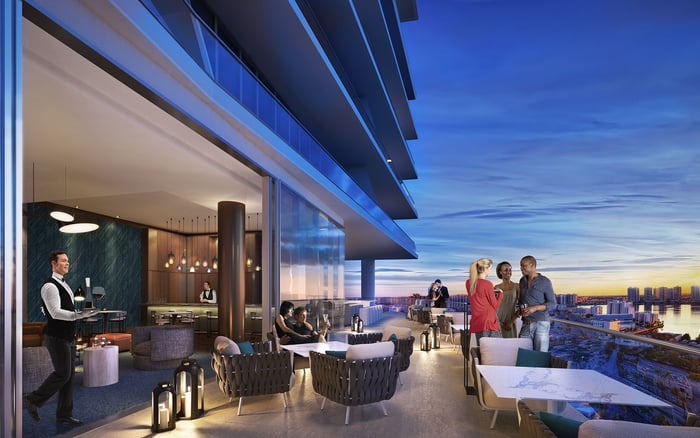
A buyer-focused look at how condominium and HOA documents can shape the real value, access, staffing, and hospitality potential of a catering kitchen amenity.
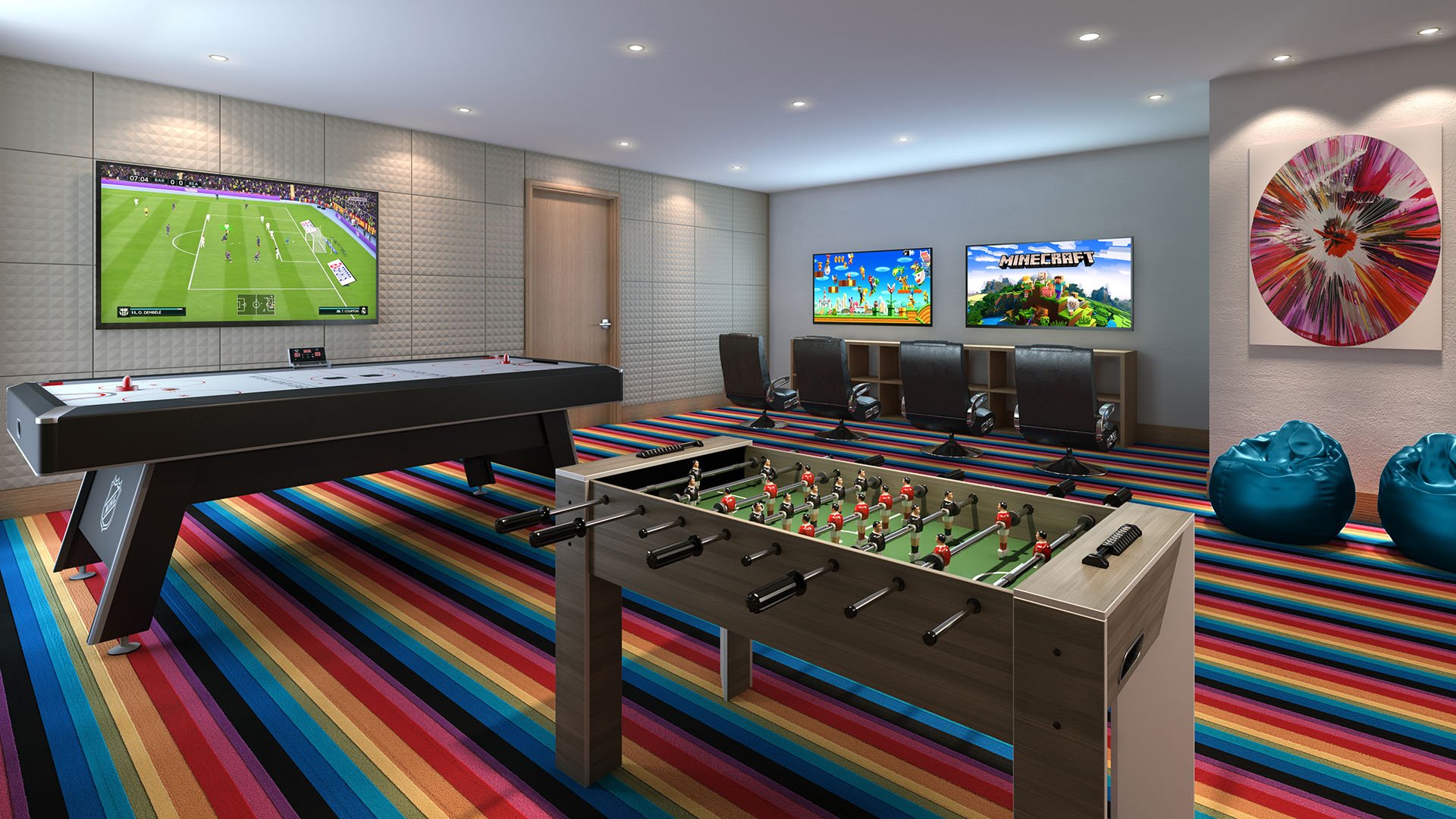
In South Florida luxury real estate, the phrase “catering kitchen” can imply an entire social architecture: seated dinners, chef-led tastings, family celebrations, charitable gatherings, and discreet entertaining that extends beyond the private residence. Yet the kitchen itself is only the visible layer. The deeper value is often found in the association documents.
For a buyer, the essential question is not simply whether a building has a catering kitchen. It is who may use it, how it may be reserved, what services are permitted, how food and staff circulate, and whether the rules support the type of entertaining the buyer envisions. A beautifully specified kitchen can function as a daily convenience, a once-a-year venue, or a tightly controlled showpiece. The distinction usually sits in the governing language.
This is especially relevant in amenity-rich markets such as Brickell, Miami Beach, Sunny Isles, Surfside, Coconut Grove, Bal Harbour, and West Palm Beach, where private dining and hospitality spaces increasingly form part of the luxury proposition. For buyers considering towers such as St. Regis® Residences Brickell or highly serviced coastal residences, the catering kitchen should be read as both a design feature and a governance feature.
Association documents may reveal whether the catering kitchen is treated as a common element, a limited common element, or an amenity controlled through house rules and reservation procedures. That distinction can influence how access is granted and how conflicts are resolved when multiple residents want the same space.
The documents can also clarify whether the kitchen is intended for resident use, association-sponsored events, private functions, outside caterers, or some combination of these. For a buyer who entertains frequently, this is more than fine print. It can affect the rhythm of the household calendar, the practicality of hosting, and the level of privacy available for guests.
The most useful review focuses on several themes: reservation priority, cancellation policies, fees, security deposits, cleaning obligations, insurance requirements, staff access, guest limits, delivery paths, noise controls, hours of use, alcohol rules, and whether cooking is allowed on site or only staging and service. Each detail changes the lived experience.
A catering kitchen can photograph beautifully and still be difficult to use. If reservations are limited, if private events require extensive approvals, or if outside vendors face narrow windows for loading and setup, the amenity may have less practical value than expected.
Conversely, a simple but well-managed kitchen with clear procedures can feel effortless. The most refined buildings are not necessarily those with the largest kitchens. They are the ones where the service choreography has been anticipated: elevators, loading areas, back-of-house routes, waste handling, refrigeration needs, security check-in, and post-event restoration.
Buyers touring projects such as The Perigon Miami Beach should look beyond finishes and ask how the amenity functions during an actual event. Where does the chef enter? Where are florals delivered? Can staff move without crossing the main lobby? Is the private dining room reserved with the kitchen, or separately? The answers shape the social life of the building.
Association documents may outline user fees, refundable deposits, required attendants, cleaning charges, damage responsibility, and potential penalties for rule violations. These costs do not necessarily diminish the amenity. In many luxury settings, they protect the quality of the space and help ensure that one resident’s event does not compromise another resident’s experience.
For investment-minded buyers, however, fees and use restrictions matter because they influence perceived lifestyle value. A buyer paying a premium for amenity depth should understand whether the catering kitchen is a flexible extension of the home or a more ceremonial space used only under limited conditions.
A careful reading may also indicate whether the board or management has discretion to adjust charges, modify hours, or impose additional requirements. Discretion can be useful, but affluent buyers typically prefer predictability. When the documents are clear, expectations remain elegant.
The most sophisticated catering-kitchen rules often focus on people rather than appliances. Who may cook? Who may serve? Are outside vendors permitted? Must they be licensed or pre-approved? Are building staff required to supervise? Can a resident bring a private chef, or must food be prepared elsewhere and finished on site?
For residents accustomed to household staff, private chefs, event planners, and security details, these questions are not theoretical. They determine whether the building supports a polished hosting experience. A tower such as Bentley Residences Sunny Isles may attract buyers who value privacy, arrival sequence, and operational control as much as views and design.
Privacy is particularly important. Documents can indicate whether guest lists are required, how event attendees are registered, and whether management can deny access to vendors who do not comply with building rules. A strong framework can preserve discretion without making hospitality feel bureaucratic.
Not every catering kitchen is designed for full culinary production. Some are finishing kitchens, intended for plating, warming, beverage service, and staging. Others may be more robust, with equipment and layouts suited to larger events. Association language can help distinguish between marketing atmosphere and permitted use.
That distinction matters for residents who imagine chef’s-table evenings, religious holiday meals, milestone birthdays, or philanthropic dinners. If the kitchen cannot support open-flame cooking, extensive prep, or long setup times, the resident may need to use an outside caterer differently. There is nothing inherently negative about a finishing kitchen, provided expectations are aligned.
New-construction buyers should ask early, before contracts and lifestyle assumptions harden. In pre-delivery settings, renderings can create a sense of possibility. Documents, rules, and future management practices determine how that possibility becomes daily reality.
A catering kitchen is not merely an amenity. It is a signal about the building’s social temperament. Some associations favor quiet, private residential use. Others embrace a club-like atmosphere with frequent gatherings and resident programming. Many aim for a controlled balance.
This is where the documents can be revealing. Rules around hours, guest volume, music, alcohol, cleanup, and repeat bookings may suggest whether the building prioritizes serenity, sociability, or formal hospitality. A buyer should decide which culture matches the household.
In boutique coastal settings such as The Delmore Surfside, the scale of the building can make amenity governance feel more personal. In larger urban towers, systems and scheduling may be more structured. Neither model is inherently superior. The right choice depends on how the buyer intends to live.
Before assigning significant value to a catering kitchen, buyers should request the full set of association documents, current rules and regulations, amenity reservation procedures, fee schedules, sample event agreements if available, and any policies governing vendors and alcohol. They should also ask management direct, practical questions that mirror real use.
Useful questions include: How often is the space booked? Can residents reserve it during peak weekends? Are private chefs allowed? Can deliveries use a service elevator? Are there blackout dates? Does the kitchen pair with a dining room, terrace, lounge, or wine room? What happens if an event runs late?
In a luxury purchase, these questions are not signs of hesitation. They are signs of fluency. A residence is not only square footage and view corridor. It is a set of permissions, services, customs, and limits. The catering kitchen sits precisely at that intersection.
Why should buyers review association documents for a catering kitchen? The documents can define access, reservations, fees, staffing, guest limits, and permitted uses, which determine the amenity’s real lifestyle value.
Is a catering kitchen always available for private events? Not always. Availability depends on the building’s governing documents, house rules, reservation system, and management procedures.
Can residents usually bring their own private chef? It depends on the rules. Some buildings allow approved outside vendors, while others require specific procedures, documentation, or supervision.
Do catering kitchens add value to a luxury residence? They can add lifestyle value when the rules support practical use, privacy, and the level of entertaining a buyer expects.
What fees should a buyer look for? Buyers should look for reservation fees, cleaning charges, deposits, staffing costs, damage responsibility, and penalties for noncompliance.
Are catering kitchens different from private dining rooms? Yes. A dining room is the guest-facing setting, while the catering kitchen supports preparation, staging, service, and cleanup.
Why do vendor rules matter? Vendor rules affect delivery timing, staff access, insurance requirements, security procedures, and the smoothness of an event.
Should buyers ask management practical questions before closing? Yes. Management can often explain how the written rules work in real life, including reservations, setup, cleanup, and peak demand.
Can catering-kitchen rules change over time? Rules may evolve under the association’s governance structure, so buyers should understand how policies can be amended.
What is the most important takeaway for luxury buyers? Treat the catering kitchen as both an amenity and a governed privilege, then confirm that its rules match the way you plan to live.
If you'd like a private walkthrough and a curated shortlist, connect with MILLION.
If branded residences are on your mind — as a home or as an allocation — we would be glad to share what we are seeing, privately.
Begin a quiet conversation